

Key to Thriving with Cancer

Open communication in relationships becomes profoundly vital when dealing with the challenges of cancer. As survivors, we recognize the immense psychological and emotional toll the disease can exert, not just on us but also on those we hold dear.
Thriving after a cancer diagnosis hinges on the mutual support found in our relationships, and that support is often predicated on the quality of our communication. We lay the groundwork for shared understanding and collective strength with each encounter and conversation.
Navigating the tumultuous waters of cancer treatment and recovery teaches us that expressing our fears, hopes, and daily struggles creates a space for healing and connection. Through this exchange of genuine thoughts and feelings, we, as men, find solidarity in vulnerability, allowing us to face our battles with a reinforced sense of camaraderie. Our capacity for resilience is bolstered by the bonds we fortify through open dialogue with family, friends, and fellow survivors.
Key Takeaways
- Effective dialogue enhances mutual understanding and support in cancer journeys.
- Expressing vulnerabilities among peers can foster resilience and connection.
- Open communication serves as a foundation for nurturing stronger relationships during recovery.
Understanding Cancer and Its Impact on Relationships
Cancer often brings along a multitude of challenges that not only affect the patient but also ripple through their relationships. It’s a test of resilience and communication, significantly during moments of psychological distress and shifts in intimacy.
The Role of Psychological Distress in Cancer
Psychological distress manifests in various forms, from depression to anxiety. We, as cancer patients, might feel waves of fear and worry, concerns about our future, or stress from treatment demands. These emotions can act as barriers to effective communication.
We must acknowledge these feelings and address them with our partners or support systems. Cancer not only attacks our bodies but can strain the mental well-being of both parties, making it crucial for us to find ways to cope collectively.
Effect of Cancer on Intimacy and Emotional Responses
When neoplasms invade our lives, they can tamper with the intimacy we share with our partner. Our physical changes might also lead to altered emotional responses. We may retreat from closeness or struggle to communicate our desires and fears. It’s during these times that our bonds are put to the test.
We must strive to maintain an open dialogue about our needs and the changes we are experiencing. By sharing our journey, we offer a chance for mutual understanding and a stronger connection despite the hurdles cancer places before us.
The Significance of Open Communication for Cancer Patients
A clear and honest exchange of thoughts and feelings plays a pivotal role in our journey. It strengthens connections, particularly for men fighting cancer, forming a crucial aspect of healing.
Barriers to Effective Communication During Cancer
Often, we find ourselves up against walls that hinder the flow of meaningful dialogue. Among these obstacles, a common challenge is the reluctance to express fear or worry, possibly due to societal expectations of stoicism in men.
This may lead to communication difficulties and feelings of isolation. Additionally, a lack of understanding of medical jargon can create a disconnect between us and healthcare providers, reducing the effectiveness of the interactions necessary for emotional and medical support.
Enhancing Communication Between Patients and Caregivers
The pathway to better interactions begins with a willingness to share thoughts openly and listen with empathy. As caregivers and patients, we must establish dialogues that address our needs without hesitation. Tools such as question prompts can bridge gaps, leading to more meaningful conversations and better care.
Recognizing and speaking up about depressive symptoms without shame allows for timely psychological support, preventing the buildup of regret for unspoken words. It is within our power to create a network where each voice holds value and each concern is addressed promptly.
Support Systems and Their Role in Cancer Thriving
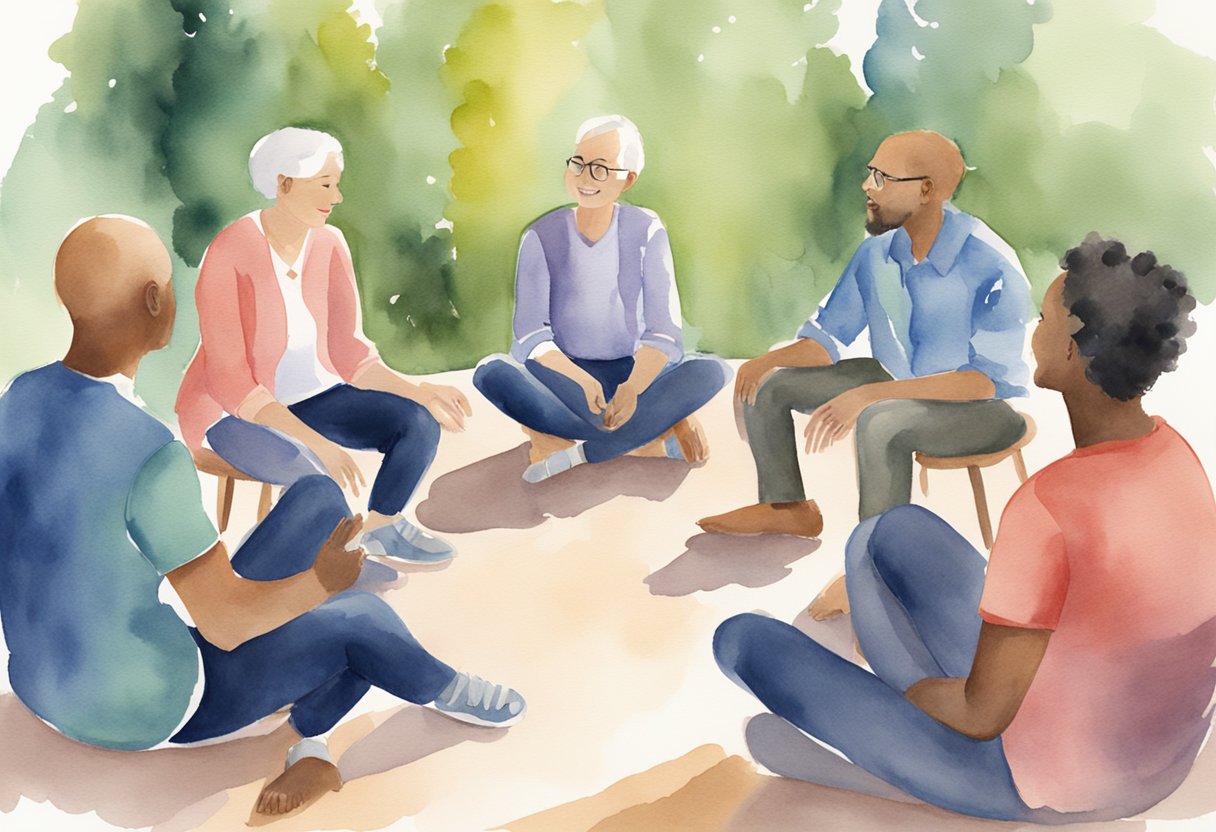
As someone who has faced lymphoma head-on twice, we understand that robust support systems are vital. These networks bolster our spirits, foster better health outcomes, and assure us that we are not alone in our bouts with illness.
Mobilizing Social Support for Better Quality of Life
Social support acts as a pillar for those of us contending with cancer, strengthening our resolve and enhancing our day-to-day experiences during treatment. Our friends, family, and community members provide emotional sustenance, helping us carry the weight of our diagnoses.
Support from these quarters means we wake each day to faces that inspire courage within us—as if we’re gearing up for the most crucial match of our lives.
In planning those strategies to conquer cancer, it’s clear that our bonds must be rooted in transparency and mutual understanding. For us men especially, open talks about our health fears may seem daunting, but they lead to connections that rival the strongest sports teams. Through group activities or one-on-one discussions, we fortify our mental game — pivotal as we play offense against cancer’s challenges.
Professional Supportive Care and Psychosocial Interventions
Supportive care is more than treatment; it’s a game plan designed by seasoned coaches — our healthcare providers — who tailor strategies to our individual needs. These professionals offer us critical psychosocial interventions: therapy, counseling, and education sessions that address our emotional and psychological hurdles, ensuring we stay focused and determined.
Quality of life during and post-treatment receives a much-needed lift from these interventions. Our healthcare teams serve as elite trainers, offering rehabilitation and wellness tactics that keep our bodies and minds in the game. Together, we craft personalized regimens that promote healing, reduce stress, and help us manage side effects with the precision of a well-executed play.
As survivors, we know the road to recovery is a team effort. It takes a league of backers — a fusion of personal and professional support — to steer us toward thriving, not just surviving. We owe a great deal to these support systems, our cheerleaders, coaches, and teammates, all rolled into one.
Communication Strategies for Patients and Families

Navigating the tumultuous waters of illness, we often forget the power wielded by words. Effective dialogue forms a bridge, offering solace and understanding during our most challenging hours.
Understanding and Managing Negative Feelings and Stress
We may grapple with a maelstrom of negative feelings and stress, which, if left unchecked, harms our well-being and relationships. We must recognize signs of emotional turmoil within our communication behavior to counter this.
Acknowledge these emotions openly, express them without blame, and seek professional support. Sometimes, simply sharing our feelings can help diffuse tension and stress, fostering a healthier emotional environment.
- Identify sources of stress: jot down what causes anxiety
- Set aside time for heart-to-hearts: open, uninterrupted discussions about our challenges
Strategies for Better Marital and Family Communication
Marital solid and family bonds crucially rest on clear, supportive talk. This is especially true for us dealing with a monumental challenge like cancer. Marital communication becomes a pillar for men facing these health battles, reinforcing our foundation with our partners. Here are ways to harness its power:
- Hold regular family meetings: Ensuring everyone is on the same page helps limit misunderstandings and share the burden equally.
- Use “I” statements to express feelings: This focuses on the speaker’s experience without making the other feel at fault. For example, “I feel overwhelmed when…”
- Celebrate small victories together: This encourages positivity and mutual support.
We should aim to survive and thrive amidst trials; sterling communication is our ally. It is not merely about exchanging information but weaving the delicate tapestry of our connected lives with care and consideration.
Coping with the Psycho-Oncology Aspects of Cancer
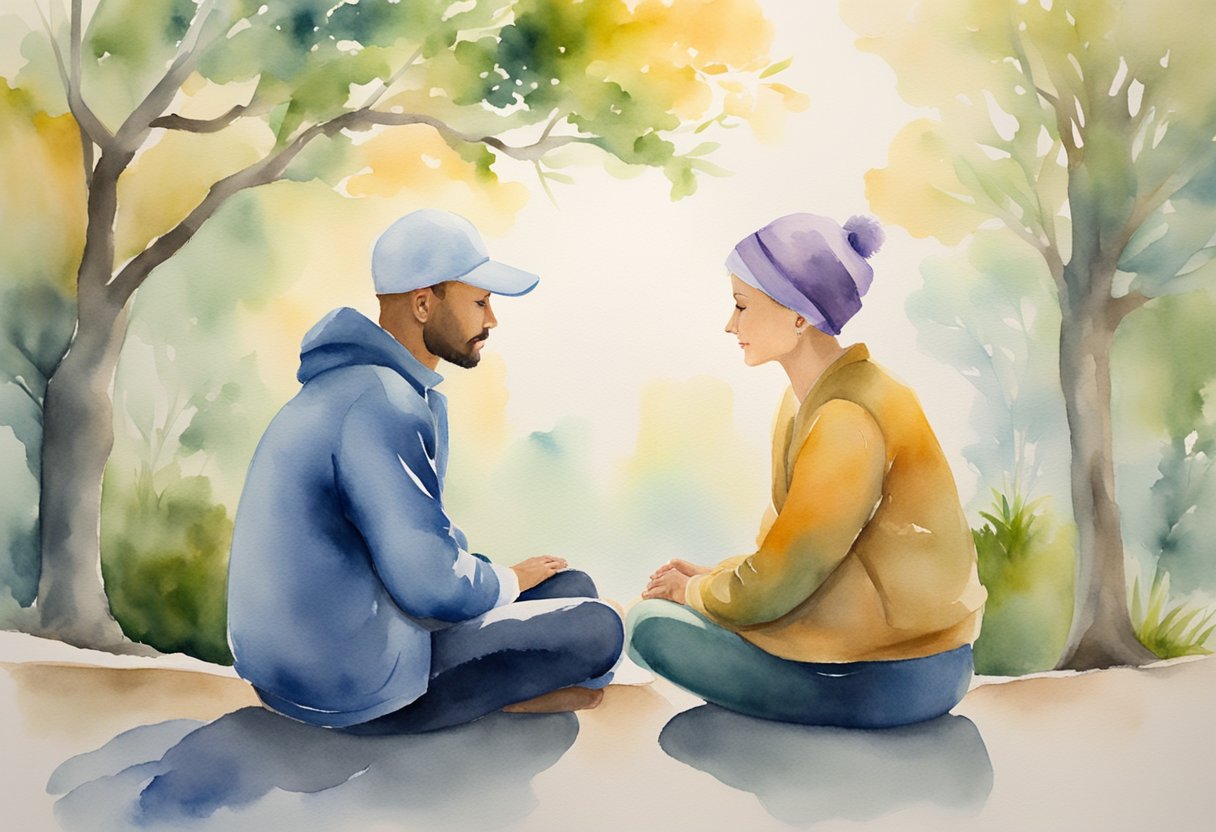
Our journey with cancer is both a physical and psychological marathon, one where understanding the overlap between mind and body gives us strength for long-term health and fulfillment in our relationships.
The Intersection of Psychology and Oncology
In psycho-oncology, we explore the complex relationship between our psychological well-being and the progression of oncology. When we receive a cancer diagnosis, a wave of heightened emotions often follows.
It’s a time when we find ourselves in need of a carefully woven support system that includes healthcare professionals who can guide us through our psychological challenges as we navigate the treacherous terrain of cancer treatment and survivorship. We must maintain open communication lines, ensuring our emotional needs and voices are heard.
For us men, battling and surviving cancer like lymphoma creates a unique set of psychological hurdles. We often feel pressured by societal norms to uphold a certain level of stoicism, which stifles our ability to express our fears and vulnerabilities. However, forging a path where we can talk freely about our experiences, even fear, anger, or confusion, leads to better psychological and relational well-being.
A review from the field of psycho-oncology underscores the importance of communication needs of cancer patients and caregivers, specifically highlighting the necessity for conversations that are sensitive to the context and preferences of the patient.
Long-Term Psychological and Relational Well-Being
Surviving cancer is only the beginning. After the initial treatments, we focus on the long tail of recovery, nurturing our psychological and relational well-being. This means not just surviving but thriving amid the aftermath of our cancer journey. Our relationships often bear the brunt of the emotional upheaval that cancer brings, and evidence shows how open communication within a couple can be significantly affected by cancer.
This is bolstered by studies on cancer and relationship dissolution, which indicate psychological factors like depression and anxiety and their impact on relational satisfaction and perceptions of the relationship.
For survivors, fostering strong relationships with our partners, family, and friends requires sharing our emotional load and allowing others to walk this journey with us. Consistent and open communication lays a foundation for resilience and shared understanding. It turns our battle into a collective stride toward wellness and unity.
Whether we’re playing a round of golf or simply sharing a quiet moment with loved ones, it’s through these shared experiences that our emotional bonds are fortified, and mutual support is galvanized.
Navigating Treatment and Post-Treatment Challenges

As we transition from diagnosis to post-treatment, the emphasis on transparent dialogue grows, paving the way for stronger bonds and comprehensive advance care planning.
From Diagnosis to Treatment Ends: A Journey of Communication
Upon hearing the words, “You have cancer,” our world tilts. Suddenly, there’s this urgent need to grasp our condition, the potential outcomes, and the treatment labyrinth that lies ahead. We sit with our doctors, the aroma of antiseptic faint but steady, discussing the treatment path that will become part of our routine. Each session, whether chemotherapy or radiation, envelops valuable lessons about our collective strength and the power of our united voices.
Navigating these sessions is akin to a team sport, with timing and coordination crucial for game plans and strategies. We relay our physical and emotional status to our doctors like a quarterback calling plays, ensuring the whole team is in sync. As treatment concludes, our conversations shift towards monitoring signs of recurrence and managing residual effects—the aftermath of our battle.
Living with Uncertainty and Prioritizing Future Planning
Post-treatment life is tinged with ambiguity. We acknowledge every twinge and cough may spark a flicker of concern. Yet, our unity provides us solace and strength. We face these moments together, openly sharing fears and comforting each other when the shadows of doubt creep in. This shared experience fortifies our resolve, reminding us that uncertainty doesn’t diminish our triumphs.
We take solace in practicality; we tackle advanced care planning with the same vigor we brought to treatment. Our conversations revolve around living wills, healthcare proxies, and expressing our wishes clearly so our future holds no unwelcome surprises. Preparing for every possibility offers peace of mind, allowing us to focus on enjoying life and championing our victories, no matter how small.
Communicating effectively during our journey ensures our team stays cohesive, informed, and ready to face each new day confidently and clearly.
Evaluating Communication Research and Intervention Success

Our experiences in overcoming hurdles require us to rely on communication that’s backed by research, particularly in the healthcare landscape for survivors like us.
The Importance of Evidence-Based Communication Studies
We understand that evidence-based studies in communication are the keystone for enhancing interactions within the healthcare system. A recent study on a Couples Communication Skills Training (CCST) intervention, delivered via videoconference to couples facing cancer, has shown that open dialogue about cancer concerns is linked to better psychological and relationship health.
By setting inclusion criteria that resonate with our situations and tracking the response rate to interventions, these clinical trials provide us with interventions designed to bolster our unity in adversity. For more information on this clinical trial, click Evaluating a Couple Communication Skills Training (CCST) Intervention.
Adapting Interventions to Diverse Cultural Backgrounds and Needs
Our rich tapestry of cultural backgrounds necessitates interventions in communication that are not one-size-fits-all. Adaptable approaches in education and training allow us to craft a network of support that respects our unique cultural fabrics.
It is essential to mold our interventions to include diverse demographic needs, ensuring that our voices resonate and everyone feels heard and supported. The emphasis is on diversity and inclusion, so interventions are as effective for men navigating the aftermath of cancer as they are for any other demographic group.
Final Thoughts…
As we navigate life after cancer, we recognize the power of connection. Our battles with lymphoma have taught us resilience; now, we harness that strength to foster open dialogue between us men. We listen, for every shared story knits a stronger bond.
Within our collective journey, we find expression—a cathartic release. We know transparency can be challenging, yet it’s the bedrock of our support groups. We highlight experiences, sharing not just to inform but to uplift. Here’s a snapshot of our collective wisdom:
- Express Freely: Let your thoughts and feelings flow. Encourage peers to do the same.
- Connect Deeply: Forge ties with those on similar paths. Empathy becomes a two-way street.
- Engage Fully: Participate in discussions, offering a shoulder or an ear when needed.
By embracing these principles, we create a space that validates our struggles and triumphs. Remember, every interaction could be the lifeline another brother needs. Let us advocate for our health and emotional well-being, transforming our narrative into hope and camaraderie.
Let’s lace up and face the world as a team, not just as survivors but as thrivers who understand the language of the heart and the healing power of words. Together, we can turn our trials into triumphs. -T
Frequently Asked Questions
In navigating the journey through cancer as a team, we acknowledge that clear and supportive communication is a cornerstone of the path to healing.
What strategies can effectively communicate with a partner during cancer treatment?
We listen actively and speak plainly, avoiding medical jargon that might confuse us. This includes scheduling regular check-ins to discuss health updates, emotions, and concerns. Emphasis on listening can often provide comfort and affirm our support.
What techniques can be used to provide therapeutic communication to someone living with cancer?
We encourage and validate feelings, recognizing the strength it takes to express vulnerability during this struggle. Therapeutic communication involves offering empathy, not sympathy, and prompting conversations with open-ended questions to understand their needs better.
How can one adapt communication skills to support a woman with a cancer diagnosis?
Tailoring our interactions to individual needs is crucial, emphasizing a sense of partnership. For women facing cancer, we offer spaces to express themselves without judgment, ensuring they feel heard and empowered in decision-making.
Why is it necessary to have practical communication skills when providing care for cancer patients?
Skilled communication fosters trust and aids in managing expectations, which can lead to better outcomes. We strive to be transparent about treatments and side effects, helping patients and their families navigate the complexities of their care confidently.
What are some ways to discuss a cancer diagnosis with your loved one while being supportive?
We suggest using “we” language to reinforce the notion it’s a shared battle. Approaching the subject with sensitivity, we allow them to lead the conversation at their comfort level, offering support through each step.
What are the recommended approaches to open communication when a partner is reluctant to discuss their feelings or challenges?
We recommend patience and a gentle approach, allowing space and expressing our availability. Initiating light activities can sometimes create an organic setting where more serious conversations can blossom.
