

How a Cancer Thriver Benefits
Navigating life after a cancer diagnosis requires resilience and strength, especially for men. Balancing quality sleep and social connections is crucial.
Quality sleep can significantly improve your well-being and help you engage better with your community, enhancing your recovery journey.
When sleep is prioritized, it reduces irritability and mood swings, making interactions with friends and family more positive.

Social connections play a vital role in a male cancer thriver’s journey. Building and maintaining a supportive network can lessen feelings of isolation and loneliness.
Reaching out to others provides emotional support and improves mental health, making it easier to manage treatment side effects and daily challenges.

Support networks and community interactions are essential for your recovery. Surrounding yourself with people who care can uplift your spirits and give you the strength to keep going.
By focusing on both sleep and social engagement, you create a balanced approach to thriving after cancer.
Key Takeaways
- Quality sleep improves well-being and social interactions.
- Supportive networks reduce isolation and enhance recovery.
- Balancing sleep and social life aids in cancer recovery.
Understanding Sleep’s Impact on Cancer

Sleep plays a crucial role in cancer risk and progression. It also affects the quality of life during and after cancer treatment, significantly impacting survivors.
Role of Sleep in Cancer Risk and Progression
Quality sleep is essential for a healthy immune system, which helps fight cancer.
Poor sleep can disrupt circadian rhythms, leading to immune system problems and increased cancer risk. Meanwhile, lack of sleep reduces melatonin production, which may influence cancer development.
Studies show a link between short sleep duration and higher cancer risk, especially for prostate and colorectal cancers. Consistent, restful sleep helps the body repair and regenerate, making it harder for cancer cells to thrive.
Getting good sleep, maintaining regular sleep patterns, and reducing sleep disruptions can lower cancer risk.
Adjusting your sleep environment and habits can support your immune system and overall health.
Effects of Cancer Treatment on Sleep Quality
Cancer treatments like chemotherapy and radiation often lead to sleep problems such as insomnia, sleep apnea, and restless legs syndrome.
These treatments can disrupt sleep patterns, impacting sleep quality and overall well-being.
Chemotherapy can cause nausea, pain, and anxiety, making it hard to get restful sleep. Meanwhile, radiation therapy can lead to fatigue and discomfort, further complicating your sleep routine. Medications prescribed for cancer may also cause sleep disturbances.
Speaking with your healthcare provider about sleep disruptions can lead to solutions like cognitive-behavioral therapy, melatonin supplements, or better sleep hygiene practices.
Improved sleep quality can help you cope better with cancer treatment and improve your recovery and immune function.
Mental Health and Emotional Well-Being

Cancer can have profound effects on mental health, affecting emotional well-being, stress levels, and resilience. Understanding these impacts and the strategies to manage them can help improve quality of life.
The Emotional Toll of a Cancer Diagnosis
Receiving a cancer diagnosis can be incredibly stressful. You might feel shock, fear, uncertainty, or even hopelessness.
These emotions can lead to serious mental health issues like depression and anxiety.
Stress from the diagnosis can make you feel isolated, impacting your relationships and social connections.
My experience with lymphoma showed me how crucial it is to address these emotions early. Engaging in supportive care can help you manage emotional distress better.
Seeking professional counseling can offer a space to discuss your feelings. Support groups also allow you to connect with others who understand your experience.
Remember, seeking help is a sign of strength, not weakness.
Managing Depression and Anxiety as a Cancer Survivor
Dealing with depression and anxiety after surviving cancer is common. These mental health issues can affect your daily life, including your ability to work, sleep, and interact with others.
You might feel overwhelmed, exhausted, or disconnected from your loved ones.
To manage these conditions, it’s essential to establish a routine.
Regular exercise, a balanced diet, and adequate sleep can improve emotional well-being.
Talking therapies, like cognitive-behavioral therapy (CBT), can be very effective in managing symptoms of depression and anxiety.
Mindfulness practices, like meditation and yoga, can also help you stay grounded.
Don’t shy away from medications if prescribed by your healthcare provider. They can be valuable tools in your recovery journey. Building resilience involves taking small, manageable steps every day.
Lifestyle Factors: Diet, Exercise, and Sleep
Healthy lifestyle habits, including a balanced diet, regular exercise, and quality sleep, can significantly aid cancer recovery and well-being.
These factors are critical in boosting metabolism, enhancing mood, and preventing obesity.
Optimizing Nutrition for Cancer Survivors
Nutrition plays a crucial role in recovery and maintaining health. Focus on a diet rich in fruits, vegetables, lean proteins, and whole grains. Avoid processed foods and excessive sugar.
Regular meals support stable blood sugar levels and energy.
Include foods that boost immunity. Spinach, berries, nuts, and fish high in omega-3s can help.
Consider consulting a dietitian to tailor a diet plan specific to your needs and preferences.
Hydration is also key. Drink plenty of water daily. Limit alcohol and caffeine if possible.
Healthy eating not only supports physical health but also mental well-being.
Exercise as a Keystone Habit for Health and Recovery
Exercise is vital for recovery and maintaining health post-therapy. Aim for at least 150 minutes of moderate-intensity activity each week.
Walking, cycling, and swimming can increase your strength and stamina.
Physical activity helps manage weight and reduces the risk of cancer recurrence.
Exercise also boosts mood and reduces stress, making engaging with others easier and maintaining social connections.
Strength training exercises are beneficial as well. They help improve muscle tone and overall fitness.
Consult your doctor before starting any new exercise regimen, ensuring it aligns with your health status and capabilities.
Incorporating Physical Activity into Daily Routine
Incorporating physical activity into your daily routine can be simple.
Changes like taking the stairs instead of the elevator or parking farther from entrances can add up.
Set specific times for exercise. Morning walks or evening bike rides can become enjoyable habits.
You might also find gym workouts or group sports motivating and fun.
Staying active keeps your metabolism engaged and helps manage obesity risks.
Fun activities, like dancing or playing a sport, can be enjoyable and beneficial.
Making physical activity a regular part of your day supports ongoing health and well-being.
Social Connections and Cancer Recovery
Cancer survivors may find that their experience impacts their social connections and relationships.
Sleep can influence social functioning, as lack of sleep can lead to irritability, moodiness, and difficulty engaging with others.
Cancer survivors can improve their social interactions, maintain strong relationships, and build a supportive network by getting enough quality sleep.
The Importance of Friends and Family Relationships
Strong bonds with friends and family play a vital role in cancer recovery. These relationships offer emotional support, alleviating feelings of isolation and loneliness.
As someone who’s survived lymphoma twice, I can tell you that being surrounded by loved ones lifts your spirits and motivates you to keep fighting.
They become your cheerleaders, encouraging you through each step of the journey.
Family and friends also assist with practical tasks, driving you to appointments or helping with daily chores.
This support allows you to focus on healing instead of stressing over logistics.
Talking openly with your loved ones about your feelings and needs creates an environment of mutual support.
These relationships grow stronger through shared activities and genuine conversations, helping you feel grounded and connected.
Navigating Romantic Relationships Post-Diagnosis
Romantic relationships can be challenging after a cancer diagnosis. It may affect intimacy and bring up fears about the future.
Open communication with your partner is essential. Share your feelings, concerns, and how the experience is impacting you.
Being transparent allows your partner to understand and provide the support you need.
Establishing a “new normal” can help rebuild the connection. For example, you can engage in regular date nights or just spend quiet moments together.
Building emotional intimacy is as critical as physical closeness. Trust and patience become the foundation of your relationship.
Leaning on each other through tough times strengthens your bond, reminding you of the love that persists despite the hardships.
The Role of Community and Support Groups
Community and support groups offer a unique sense of belonging for male cancer thrivers.
Joining a group allows you to meet others who understand your journey. Sharing experiences with people facing similar challenges creates powerful connections.
The sense of community reduces loneliness and isolation, giving you a platform to express fears and hopes without judgment.
Support groups also provide practical advice and coping strategies.
Hearing how others manage side effects or navigate healthcare can offer new solutions for your situation.
Building these connections fosters a support network beyond family and friends.
You contribute to and benefit from a shared sense of resilience by attending meetings or participating in online forums.
Social Isolation and Loneliness can be addressed by engaging with these supportive communities.
Managing Treatment Side Effects

Navigating through cancer treatment often involves dealing with various physical and emotional challenges.
From managing fatigue to addressing long-term effects, understanding how to cope can significantly improve your quality of life.
Coping with Fatigue and Pain
Fatigue and pain are common side effects of cancer treatment.
Cancer-related fatigue can be overwhelming, making it hard to engage in daily activities. Pain, whether from the cancer itself or the treatment, can also be a significant burden.
Strategies to manage fatigue include:
- Regular light exercise like walking or yoga
- Adequate hydration and nutrition
- Scheduling rest periods throughout the day
Managing pain effectively requires:
- Consulting your care team about appropriate pain medications
- Exploring alternative therapies like acupuncture or massage
- Using heat or cold packs to relieve sore areas
Communicate openly with your healthcare provider to adjust treatments as necessary.
Chemotherapy and Its Impact on Daily Life
Chemotherapy can drastically affect your daily routine. Side effects such as nausea, hair loss, and cognitive challenges are especially difficult, but they can be managed with the right approach.
For nausea:
- Eat smaller, more frequent meals
- Avoid greasy or spicy foods
- Consider anti-nausea medications prescribed by your doctor
For cognitive challenges (‘chemo brain’):
- Keep a daily planner to track important tasks
- Break tasks into smaller, manageable steps
- Engage in activities that stimulate your mind
For physical changes:
- Wear comfortable, natural fabrics to reduce skin irritation
- Use gentle shampoos and conditioners if experiencing hair loss
- Discuss any emotional effects with a counselor or support group
Long-Term Side Effects and Their Management
Even after treatment ends, long-term side effects may persist. Insomnia, neuropathy, and emotional distress are common among survivors.
For insomnia:
- Maintain a consistent sleep schedule
- Create a relaxing bedtime routine
- Avoid stimulants like caffeine in the evening
If dealing with neuropathy:
- Protect your hands and feet from extreme temperatures
- Check for injuries regularly, as numbness can mask pain
- Engage in gentle exercise to improve circulation
To tackle emotional distress:
- Speak with a mental health professional, such as one specializing in cognitive behavioral therapy
- Stay connected with supportive friends and family
- Join survivor support groups for shared experiences
Influence of Environmental Factors on Well-Being

Cancer thrivers know that a nurturing environment and a stable routine play key roles in healing. Paying attention to your surroundings can help improve your mental and physical well-being.
Creating a Healing Environment at Home
Your home should be a place of rest.
Ensure your bedroom is comfortable, dark, and cool. Noise control is crucial; consider soundproof curtains or a white noise machine. Pets can offer emotional support, making your space feel more welcoming.
On stressful days, a quiet, cozy environment helps you unwind.
Declutter your living spaces to promote a sense of peace. Surrounding yourself with calming colors and natural light can also boost your well-being.
Plants can improve air quality and boost your mood. Routine activities like reading or light stretching can encourage better sleep and relaxation.
Understanding the Effects of Shift Work and Sleep Disruption
Shift work can disrupt your circadian rhythm, affecting sleep and health. Irregular schedules may lead to sleep disorders, impacting mood and social interactions.
Establishing a stable sleep routine, even on off days, can help you adapt better.
Reduce exposure to artificial light late at night. Limit screen time before bed, and use blackout curtains to block light.
If you work shifts, consider short naps to mitigate sleep debt. Healthy relationships and strong family support can also help you manage the stress of irregular shifts.
Next Steps for Male Cancer Thrivers
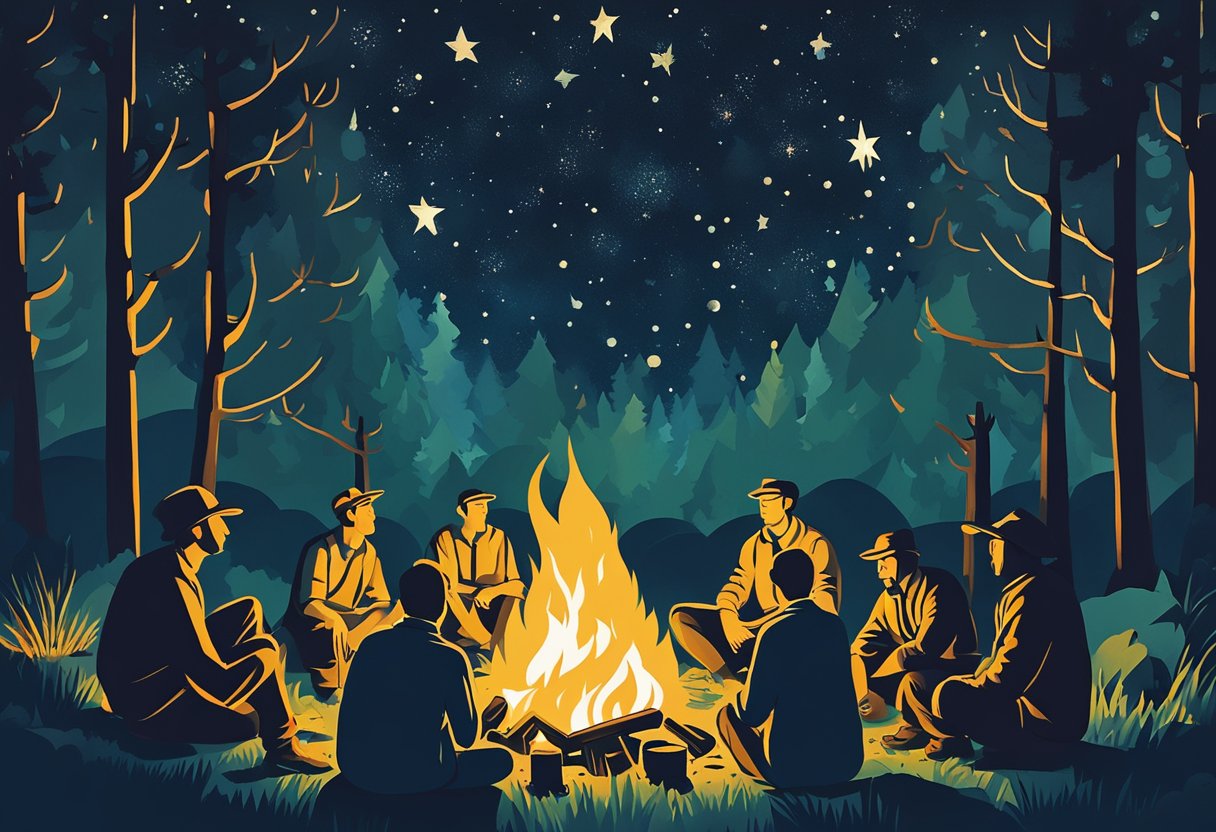
They are taking steps to build resilience and find purpose after cancer, which can be meaningful. Health monitoring and survivorship planning ensure lasting well-being.
Developing Resilience and Finding Purpose
Building resilience can significantly enhance your quality of life. Engage in activities that bring joy and fulfillment. Setting goals can give you a sense of direction.
Consider finding a support group to connect with others who understand your journey. Volunteers and mentors can provide a sense of purpose and community.
Physical activities like sports can also improve your mental outlook.
Prioritize mental health by seeking therapy or participating in mindfulness exercises. Educational courses or new hobbies can provide renewed interest and motivation.
Survivorship Planning and Regular Health Monitoring
Survivorship planning is vital for maintaining long-term health.
Regular check-ups and screenings help detect any recurrence early.
Collaborate with your healthcare team to create a personalized plan. This may include lifestyle changes, nutritional advice, and exercise routines tailored to your needs.
Consistent health monitoring keeps you informed about your body’s status.
Staying educated about potential symptoms and medical advancements is crucial.
Schedule regular visits with specialists to address any lingering or new health concerns. Building and maintaining a strong relationship with your healthcare providers ensures you receive the best care possible.
The Debate
Living as a male cancer thriver involves a mix of experiences.
Some believe it is crucial to focus on sleep’s impact on social connections. Sleep quality can influence how you interact with others.
Others argue that concentrating too much on sleep might overlook other essential elements.
You might hear conflicting opinions on whether sleep or social support should take priority.
Key Issues
-
- Better sleep can boost mood.
- Poor sleep leads to irritability.
Social Connections:
- Strong relationships offer support.
- Weak connections can increase stress.
Different Perspectives
Cancer can change your social life. Some think focusing solely on sleep can ignore the effects of these changes. Others feel improving sleep is key to better social interactions and should be the focus.
Real-Life Experiences
As a lymphoma survivor, you may find balancing both sleep and social support challenging.
It would be best to decide what works best for improving your well-being.
This debate continues because both sides offer valid points.
Balancing sleep and social connections can be challenging, but it can lead to better health outcomes. Whether sleep or social ties are more vital remains an ongoing discussion.
Final Thoughts
As someone who has battled lymphoma cancer twice, the journey can feel isolating.
You may have noticed changes in your social connections. Lack of sleep can make it even harder to stay connected because it affects your mood and energy.
Building a routine prioritizing sleep can help you feel better and more connected.
Small steps, like setting a consistent bedtime, can make a big difference. Sleeping well makes you more likely to engage positively with others.
Tips for Better Sleep and Social Connections:
- Stick to a Schedule: Go to bed and wake up simultaneously daily to regulate your internal clock.
- Create a Relaxing Bedtime Routine: Activities like reading or taking a warm bath can signal your body that it’s time to wind down.
- Limit Screen Time: Turn off electronics at least an hour before bed to avoid blue light that can interfere with sleep.
- Comfortable Sleep Environment: Ensure your bedroom is dark, quiet, and cool to enhance quality sleep.
- Physical Activity: Regular exercise can help you fall asleep faster and enjoy deeper sleep.
These simple changes could help you get the rest you need. Your interactions will feel more meaningful, and your relationships can thrive.
Strong, supportive connections are essential, especially after the trials of cancer. They offer the encouragement and strength we all need.
Remember, you’re not alone. Many like you have faced similar challenges.
By sharing your experience and focusing on improving your sleep, you can enrich your social life and support your overall well-being.
Frequently Asked Questions
In this section, you’ll discover how sleep quality and social support impact cancer recovery.
It covers practical insights to help you manage sleep disturbances during and after cancer treatment.
What is the relationship between sleep quality and cancer progression?
Poor sleep quality can negatively affect your cancer recovery. It may lead to reduced immune function, making it harder to fight the disease.
Good sleep, on the other hand, supports your body’s ability to heal and combat cancer.
How does sleep disturbance affect the well-being of cancer patients?
Sleep disturbances can lead to lower quality of life, increased depression, and difficulty in performing daily activities.
Your emotional and physical health may suffer, making it essential to address sleep issues promptly.
Are there recommended sleep aids safe for individuals undergoing cancer treatment?
Your doctor may suggest melatonin or other safe sleep aids that won’t interfere with cancer treatments.
Always consult your healthcare team before trying any new sleep aid to ensure it won’t affect your treatment.
How much sleep do cancer patients typically need for optimal health?
You generally need seven to nine hours of sleep per night. This amount helps your body repair and maintain strength, improving overall health.
Always aim for consistent, quality sleep.
Why might a cancer patient experience excessive sleepiness?
Excessive sleepiness could be a side effect of treatments like chemotherapy, which can make you feel more fatigued.
Other factors like stress, anxiety, or depression may also contribute to feeling overly sleepy.
What role do social support networks play in the recovery of cancer patients?
Strong social support networks help you cope better with cancer treatments. Friends and family provide emotional support. They also reduce feelings of loneliness and improve your sleep quality. Building these connections can make your recovery journey more manageable and less isolating.
