

How Insurance Supports Cancer Survivors

As a two-time lymphoma cancer survivor, I understand the challenges of cancer treatment and the importance of a solid support system. Cancer survivorship is a journey that doesn’t end with treatment, and survivors often face physical and emotional side effects that require ongoing care.
That’s where insurance comes in, providing a bridge to wellness for cancer survivors.
Understanding cancer survivorship is crucial for survivors and their loved ones. Survivorship begins at the time of diagnosis and continues through treatment and beyond. The role of insurance in cancer care is essential, as it enables patients to access the care they need without worrying about the financial burden.
Navigating through cancer treatment can be overwhelming, but with the proper support, survivors can manage physical and emotional side effects and improve their quality of life.
Key Takeaways:
- Cancer survivorship is a journey that requires ongoing care and support.
- Insurance plays a crucial role in cancer care, providing access to necessary treatments and services.
- With the proper support, survivors can manage physical and emotional side effects and improve their quality of life.
Understanding Cancer Survivorship
As a two-time lymphoma cancer survivor, I understand firsthand the challenges that come with cancer survivorship. Survivorship refers to the period after cancer treatment, which can be a difficult and emotional journey for many cancer survivors. However, cancer survivors can lead fulfilling lives with the proper support and resources.
Cancer survivorship care is a crucial aspect of cancer treatment that focuses on the physical and emotional well-being of cancer survivors. It includes regular check-ups, screening for secondary cancers, and managing the long-term and late effects of cancer treatment. Survivorship care aims to improve the quality of life of cancer survivors and help them cope with the physical and emotional challenges that come with cancer survivorship.
Cancer survivors may experience a range of physical and emotional challenges, including fatigue, pain, anxiety, depression, and fear of recurrence. Survivorship care can help address these challenges and provide cancer survivors with the support they need to lead fulfilling lives.
In addition to medical care, cancer survivors may also benefit from support groups, counseling, and other resources that can help them cope with the emotional and psychological effects of cancer survivorship. These resources can provide cancer survivors with a sense of community and help them feel less isolated during their cancer journey.
Cancer survivorship is a challenging but manageable journey with the proper support and resources. As a cancer survivor, I encourage other cancer survivors to seek out survivorship care and take advantage of the resources available to them.
Role of Insurance in Cancer Care
As a two-time lymphoma cancer survivor, I know firsthand how crucial insurance is in cancer care. Insurance coverage can make a significant difference in the quality of care received by cancer patients. Without insurance, cancer treatments can be prohibitively expensive, and many patients may not be able to afford the care they need.
Health insurance plays a vital role in cancer care by covering the costs of treatment, including chemotherapy, radiation therapy, and surgery. Insurance also covers the cost of doctor visits, hospital stays, and diagnostic tests, such as blood tests and imaging scans.
In addition to covering the cost of treatment, insurance can also provide access to a cancer care team. A cancer care team typically includes doctors, nurses, and other healthcare professionals who work together to provide comprehensive care to cancer patients. Insurance can cover the cost of consultations with specialists, such as oncologists, hematologists, and radiologists, who can provide expert advice on cancer treatment options.
Patient navigation is another critical component of cancer care that insurance can support. Patient navigators are trained professionals who help patients navigate the healthcare system, including scheduling appointments, coordinating care between different healthcare providers, and providing emotional support. Insurance can cover the cost of patient navigation services, making it easier for patients to access the care they need.
Overall, insurance plays a vital role in cancer care by providing financial support for treatment, access to a cancer care team, and patient navigation services. As a cancer survivor, I am grateful for the insurance coverage that helped me receive the care I needed to overcome my illness.
Navigating Through Cancer Treatment
As a two-time lymphoma cancer survivor, I know firsthand how overwhelming cancer treatment can be. There are so many medical terms and procedures to understand, and it can be challenging to keep track of everything. That’s why having a patient navigator can be incredibly helpful.
Patient navigators are trained professionals who guide patients through the healthcare system. They can help you understand your treatment options, schedule appointments, and connect you with resources to manage side effects like hair loss, nausea, and lymphedema.
During treatment, it’s important to take care of yourself both physically and emotionally. Eating a healthy diet, getting enough rest, and staying active can all help you feel better. It’s also important to talk to your healthcare team about any concerns you have. They can provide support and connect you with additional resources if needed.
Hair Loss
One of the most challenging aspects of cancer treatment is dealing with hair loss. Many patients find this to be an emotional and difficult experience. There are several options available to help manage hair loss, including wigs, scarves, and hats. Your patient navigator can help you find resources to explore these options and choose what works best for you.
Nausea
Another common side effect of cancer treatment is nausea. Your healthcare team can prescribe medications to help manage nausea, and several alternative therapies may be helpful, such as acupuncture and ginger supplements.
Lymphedema
Lymphedema is another potential side effect of cancer treatment, particularly for patients who have had surgery or radiation to the lymph nodes. This condition causes swelling in the arms or legs and can be uncomfortable or even painful. Your healthcare team can guide you in managing lymphedema, including exercises and compression garments.
Overall, navigating through cancer treatment can be challenging. Still, with the help of a patient navigator and a supportive healthcare team, it’s possible to manage side effects and feel more in control of your treatment journey.
Managing Physical and Emotional Side Effects
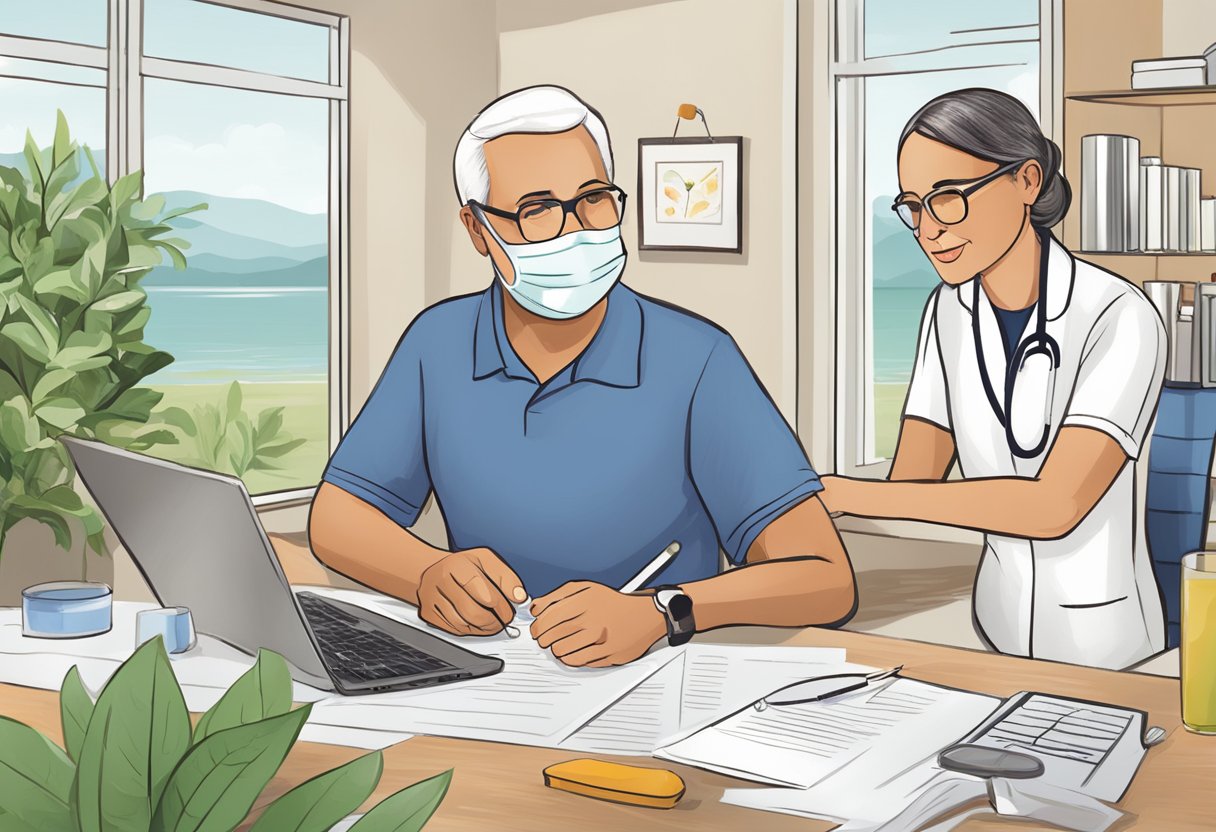
As a two-time lymphoma cancer survivor, I understand the physical and emotional challenges that come with cancer. Managing physical side effects such as pain, fatigue, and symptoms can be daunting, but it is essential to prioritize your well-being during and after treatment.
One of the most common emotional side effects of cancer is stress and anxiety. It is crucial to find healthy ways to manage stress, such as meditation, exercise, or talking to a therapist. Additionally, depression and grief can also be common, and it is essential to seek support and talk to your healthcare provider if you are experiencing these feelings.
Long-term side effects of cancer treatment can also be challenging to manage. It is important to stay informed about potential side effects and speak with your healthcare provider about developing a plan to monitor and manage them. This can include regular check-ups, scans, and creating a plan to look for late side effects of cancer therapy.
Overall, managing physical and emotional side effects is crucial for cancer survivors. By prioritizing your well-being and seeking support when needed, you can improve your quality of life and find a path to wellness.
The Importance of Support Systems

As a two-time lymphoma cancer survivor, I know firsthand the importance of having a strong support system during and after treatment. Family, friends, and caregivers play a crucial role in helping cancer survivors cope with the physical, emotional, and mental toll of the disease.
Social support from loved ones can provide cancer survivors with a sense of comfort, calmness, and problem-solving skills that help them find positive meaning in their cancer experience. Research has shown that receiving support from family and friends can have direct and buffering effects on a patient’s well-being and emotional adjustment to cancer [1].
It’s not just the patient who benefits from having a support system. Caregivers and families also experience psychosocial effects of cancer, such as feeling apart from family and friends [2]. Therefore, it’s important to provide support for the entire family unit.
Children of cancer survivors also need support, as they may feel scared, confused, and uncertain about the future. Programs that offer age-appropriate information and support can help children cope with the changes that come with a cancer diagnosis in the family [3].
In summary, having a strong support system is crucial for cancer survivors and their families. Insurance companies can play a role in supporting survivors by providing coverage for psychosocial support services and programs that address the needs of the entire family unit.
[1] Source: Model of Social Support for Patients Treated for Cancer – PMC
[2] Source: Psychosocial Support Options for People with Cancer – American Cancer Society
[3] Source: Helping People with Cancer Stay Mentally and Emotionally Healthy – CDC
Survivorship and Lifestyle Interventions

As a two-time lymphoma cancer survivor, I know firsthand the importance of survivorship care and lifestyle interventions. After completing cancer treatment, survivors face unique medical and psychosocial needs that require ongoing attention.
Key elements of survivorship care include monitoring for disease recurrence, addressing medical and psychosocial consequences of treatment, and educating about lifestyle interventions that decrease the risk of recurrence, improve quality of life, and improve outcomes.
Physical activity and exercise are essential components of survivorship care. Regular exercise can reduce fatigue, improve physical function and quality of life, and decrease the risk of recurrence. Survivors should aim for at least 150 minutes of moderate-intensity aerobic exercise or 75 minutes of vigorous-intensity aerobic exercise per week, as well as muscle-strengthening activities at least two days per week. Setting realistic goals and tracking progress can help survivors stay motivated and make exercise a part of their daily routine.
Nutrition and weight management are also important aspects of survivorship care. A healthy diet that emphasizes fruits, vegetables, whole grains, lean proteins, and healthy fats can help survivors maintain a healthy weight and reduce the risk of recurrence. Survivors should aim to limit their intake of processed and red meats, sugary beverages, and refined carbohydrates. Setting achievable goals, such as cooking more meals at home or trying a new healthy recipe each week, can help survivors make sustainable changes to their diet.
Lifestyle interventions, such as stress management and smoking cessation, can also improve survivorship outcomes. Survivors should aim to reduce stress through relaxation techniques, such as deep breathing or meditation, and seek support from family, friends, or a mental health professional if needed. Quitting smoking and avoiding exposure to secondhand smoke can reduce the risk of recurrence and improve overall health.
Addressing Specific Cancer Types
As a cancer survivor myself, I understand the importance of addressing specific cancer types when it comes to wellness programs. Different types of cancer require different approaches to treatment and recovery. Here are some specific considerations for survivors of lymphoma and leukemia, lung cancer, colorectal cancer, and prostate cancer.
Lymphoma and Leukemia
Survivors of lymphoma and leukemia may experience long-term side effects from treatment, including an increased risk of secondary cancers and cardiovascular disease. Survivors need to receive regular check-ups and screenings to monitor their health. Additionally, survivors may benefit from exercise programs that are tailored to their specific needs, as well as support groups that provide emotional and social support.
Lung Cancer
Survivors of lung cancer may experience breathing difficulties, fatigue, and other side effects from treatment. Survivors must work with their healthcare team to manage these symptoms and maintain their overall health. Exercise programs, such as pulmonary rehabilitation, can help survivors improve their lung function and overall fitness. Additionally, support groups can provide emotional support and help survivors cope with the challenges of living with lung cancer.
Colorectal Cancer
Survivors of colorectal cancer may experience changes in bowel habits, digestive problems, and other side effects from treatment. Survivors must work with their healthcare team to manage these symptoms and maintain their overall health. A healthy diet that is high in fiber and low in fat can help prevent recurrence and improve overall health. Additionally, support groups can provide emotional support and help survivors cope with the challenges of living with colorectal cancer.
Prostate Cancer
Survivors of prostate cancer may experience urinary incontinence, erectile dysfunction, and other side effects from treatment. Survivors must work with their healthcare team to manage these symptoms and maintain their overall health. Exercise programs, such as pelvic floor muscle exercises, can help improve urinary function and sexual health. Additionally, support groups can provide emotional support and help survivors cope with the challenges of living with prostate cancer.
It is important to remember that every cancer survivor’s journey is unique. By addressing specific cancer types, we can develop wellness programs that are tailored to the needs of each survivor.
Challenges in Cancer Survivorship
As a two-time lymphoma cancer survivor, I know firsthand the challenges that come with cancer survivorship. It’s not just about the physical effects of cancer and its treatment but also the emotional and social impact that can linger long after treatment is over.
One of the biggest challenges for cancer survivors is returning to work or finding new employment. Many survivors face discrimination or difficulty finding work due to their cancer history. This can lead to financial strain and added stress during an already difficult time.
Education is another challenge for cancer survivors, especially those who were diagnosed at a young age. Many survivors may have missed critical periods of schooling due to treatment and may struggle to catch up or complete their education later in life.
Screening for cancer recurrence is also a major challenge for survivors. The fear of cancer returning can be overwhelming, and many survivors may avoid follow-up appointments or screenings due to anxiety or fear.
Disparities in cancer survivorship also exist, particularly for marginalized communities. These disparities can include differences in access to healthcare, quality of care, and outcomes.
Social needs are another challenge for cancer survivors. Many survivors may feel isolated or disconnected from their support systems and may struggle to find new sources of support and community.
It’s important for healthcare providers to listen to the needs and concerns of cancer survivors and to provide comprehensive survivorship care that addresses the physical, emotional, and social challenges of survivorship. By addressing these challenges, we can help cancer survivors bridge the gap to wellness and lead fulfilling lives after cancer.
The Bridge to Wellness Program
As a two-time lymphoma cancer survivor, I understand the importance of having a support system in place during and after treatment. That’s why I want to share my experience with the Bridge to Wellness program, which has been instrumental in helping me maintain my health and well-being.
The Bridge to Wellness program is designed to help cancer survivors transition from treatment to survivorship by providing them with the tools and resources they need to maintain a healthy lifestyle. The program focuses on stress resiliency and lifestyle medicine, which are key components of survivorship care.
One of the things I appreciate about the Bridge to Wellness program is the emphasis on group interventions. Being able to connect with other cancer survivors has been incredibly helpful for me, both emotionally and physically. It’s comforting to know that I’m not alone in my journey and that others are going through similar experiences.
The program also offers a range of resources, including nutrition and exercise guidance, mindfulness and meditation practices, and stress management techniques. These resources have helped me develop healthy habits and cope with the physical and emotional challenges of cancer survivorship.
Overall, the Bridge to Wellness program has been an invaluable resource for me as a cancer survivor. It has helped me maintain my health and well-being, both physically and emotionally, and has provided me with a supportive community of fellow survivors.
Final Thoughts…
As a two-time lymphoma cancer survivor, I understand firsthand the challenges that come with navigating the healthcare system and managing the financial burden of cancer treatment. The Bridge to Wellness program has been a lifeline for me and many other cancer survivors, providing access to critical resources and support services that make the journey a little bit easier.
For men, in particular, it can be difficult to ask for help or admit that we need support. However, I encourage all cancer survivors to take advantage of the resources available through their insurance providers, including the Bridge to Wellness program. Whether you need help with financial planning, emotional support, or access to reliable information, these programs are designed to help you navigate the challenges of life after cancer.
One of the most important things I’ve learned through my cancer journey is the importance of self-care and taking care of my mental and emotional health. The Bridge to Wellness program has been instrumental in helping me find the support and resources I need to stay healthy and focused on my recovery.
Suppose you or someone you love is a cancer survivor. In that case, I encourage you to explore the resources available through your insurance provider and take advantage of the support and services offered through programs like the Bridge to Wellness. Together, we can overcome the challenges of cancer and build a brighter, healthier future for all survivors.
Frequently Asked Questions
What types of insurance can support cancer survivors?
There are various types of insurance available to cancer survivors, including private health insurance, Medicare, Medicaid, and disability insurance. Private health insurance is typically obtained through an employer or purchased individually. Medicare is a federal health insurance program for people over 65 and those with specific disabilities. At the same time, Medicaid is a joint federal and state program that provides health coverage to low-income individuals. Disability insurance provides income replacement for those who are unable to work due to their cancer diagnosis.
How do insurance companies determine coverage for cancer survivors?
Insurance companies determine coverage based on a variety of factors, including the type and stage of cancer, the treatments received, and the policy’s specific coverage provisions. In general, insurance companies are required to cover medically necessary treatments, but coverage for experimental or alternative therapies may be limited. Insurance companies may also place limits on the number of visits or treatments covered or require pre-authorization for certain treatments.
Are there any limitations to insurance coverage for cancer survivors?
Yes, there may be limitations to insurance coverage for cancer survivors. These limitations may include restrictions on certain treatments or medications, limits on the number of visits or treatments covered, or requirements for pre-authorization. Additionally, some insurance plans may have a lifetime maximum benefit amount, which means that once that amount is reached, the insurance company will no longer provide coverage.
What resources are available to help cancer survivors navigate insurance options?
There are several resources available to help cancer survivors navigate insurance options, including patient navigators, social workers, and insurance counselors. Patient navigators are trained professionals who can help patients and their families understand their diagnosis, treatment options, and insurance coverage. Social workers can provide emotional support and connect patients with resources, including financial assistance programs. Insurance counselors can help patients understand their insurance options and navigate the enrollment process.
How can cancer survivors ensure they are getting the most out of their insurance coverage?
Cancer survivors can ensure they are getting the most out of their insurance coverage by reviewing their policy’s coverage provisions and limitations, staying up-to-date on changes to their policy, and communicating regularly with their healthcare providers and insurance companies. Additionally, cancer survivors can take advantage of programs and resources offered by their insurance company, such as wellness programs and nurse hotlines.
What should cancer survivors consider when choosing an insurance plan?
When choosing an insurance plan, cancer survivors should consider factors such as the plan’s coverage provisions, cost, network of providers, and prescription drug coverage. It is important to choose a plan that provides coverage for necessary treatments and medications and that has a network of providers that includes the patient’s preferred healthcare providers. Additionally, cancer survivors should consider the plan’s cost, including premiums, deductibles, and out-of-pocket expenses, and choose a plan that fits within their budget.
