

The Significance of Health Insurance After a Cancer Diagnosis
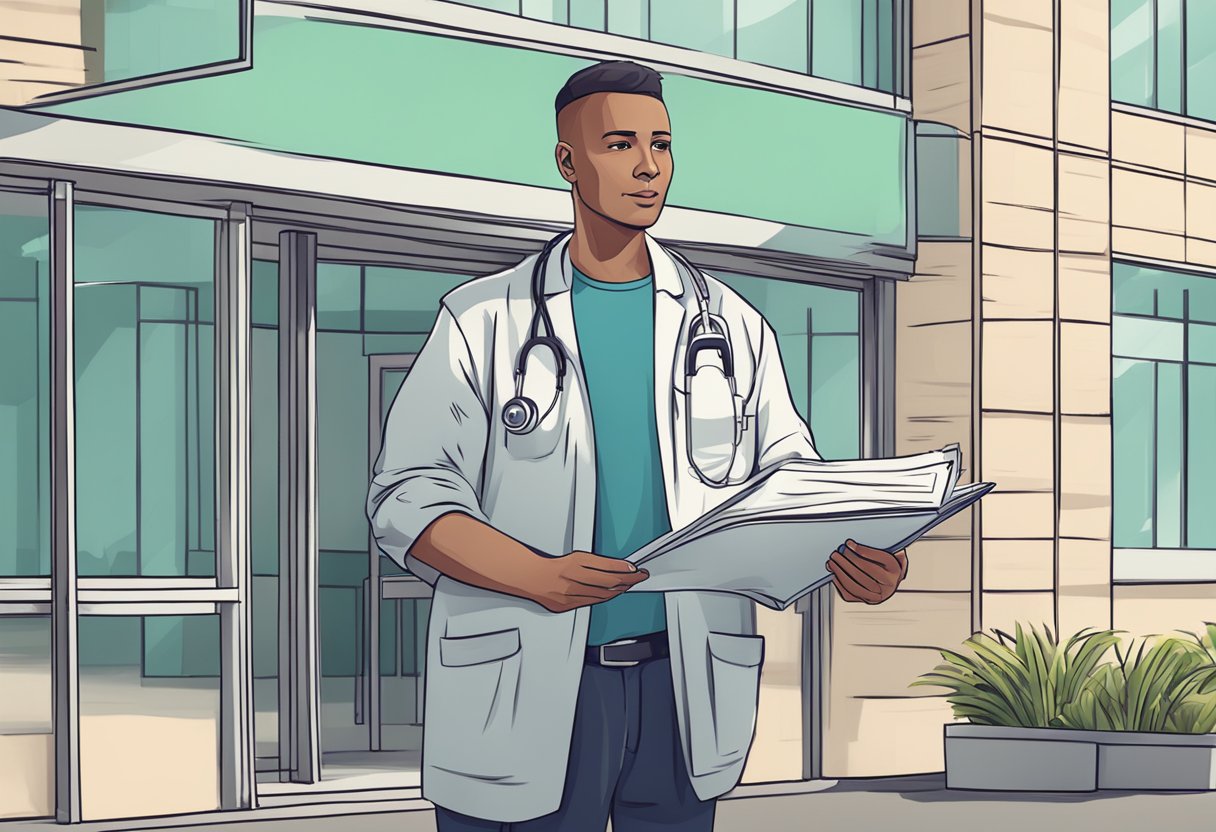
As a two-time lymphoma cancer survivor, I know firsthand how difficult it can be to navigate life after a cancer diagnosis. One of the biggest concerns for many cancer patients is managing their health insurance. With the high cost of cancer treatments, it’s essential to understand your health insurance coverage and options to ensure you receive the best care possible.
Understanding your diagnosis and navigating cancer treatments can be overwhelming, but it’s crucial to prioritize your future and ensure you have adequate health insurance coverage. Whether you have private insurance, Medicare, or Medicaid, there are specific considerations to consider regarding cancer treatments. By being proactive and informed, you can make the best decisions for your health and financial well-being.
Key Takeaways
- Understanding your health insurance coverage is crucial after a cancer diagnosis.
- There are specific considerations to consider regarding cancer treatments and health insurance.
- Being proactive and informed can help you make the best decisions for your health and financial well-being.
Understanding Your Diagnosis

As a two-time lymphoma cancer survivor, I understand the importance of having accurate and reliable information about your cancer diagnosis. When you receive a cancer diagnosis, it can be overwhelming and confusing. Still, it’s essential to take the time to understand what type of cancer you have, what stage it’s in, and what treatment options are available.
It’s common to feel scared, anxious, and uncertain after receiving a cancer diagnosis. However, it’s important to remember that you are not alone. Many resources are available to help you navigate your cancer journey, including support groups, counseling services, and online forums.
One of the most important things you can do after receiving a cancer diagnosis is to gather as much information as possible about your cancer. This includes understanding the type of cancer you have, the stage of your cancer, and the treatment options available to you.
Advanced cancer can be challenging to understand, but it’s essential to ask your doctor questions and seek out additional information if you need it. You may also want to consider getting a second opinion to ensure you have all the information you need to make informed decisions about your health.
Understanding your cancer diagnosis is crucial in prioritizing your future and managing your health insurance after a cancer diagnosis. It’s essential to take the time to gather information, ask questions, and seek out support to help you navigate this challenging time.
Navigating Cancer Treatments
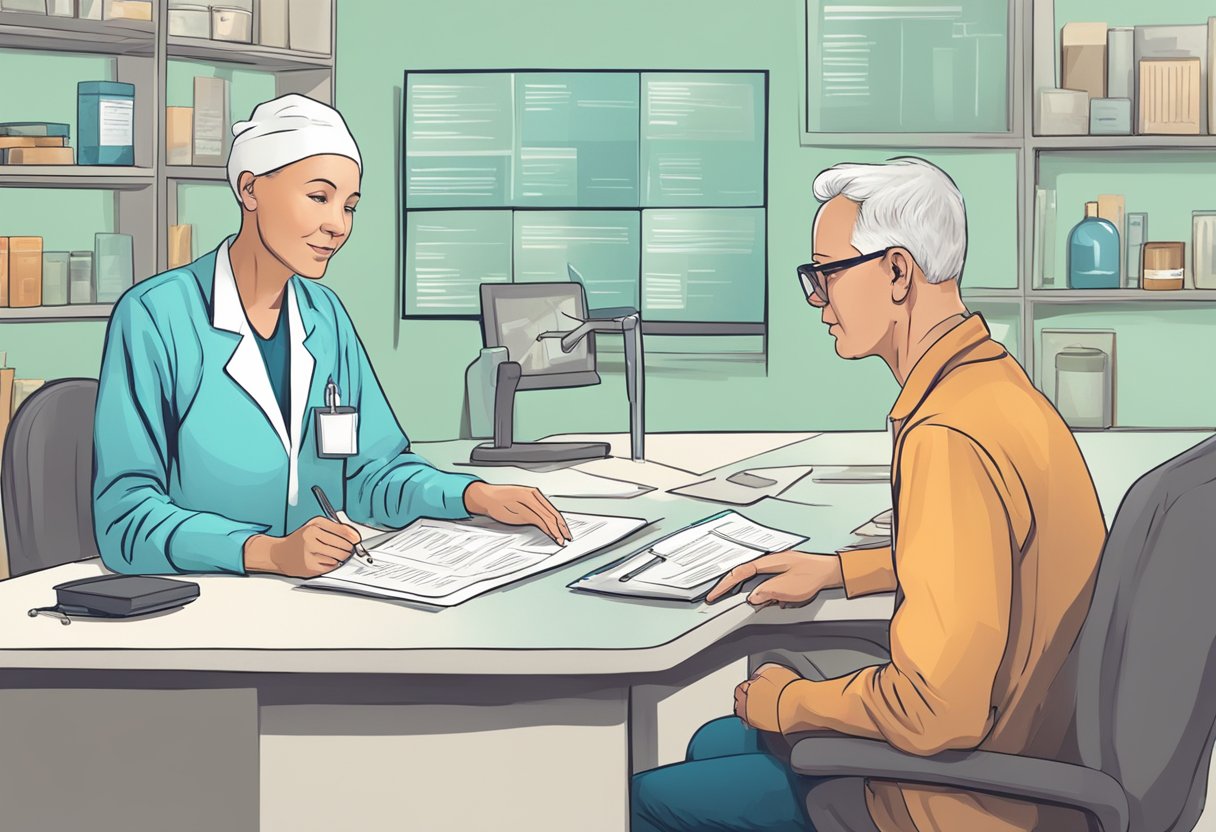
As a two-time lymphoma cancer survivor, I understand how overwhelming it can be to navigate cancer treatments. During treatment, it’s essential to have a strong support system, including a medical oncologist and a cancer center or hospital that specializes in cancer care.
Making Treatment Decisions
When it comes to making treatment decisions, it’s essential to understand all of your options. Your medical oncologist will work with you to determine the best course of treatment based on your specific type of cancer and its stage. It’s crucial to ask questions and voice any concerns you may have.
Some treatment options may include chemotherapy, radiation therapy, and surgery. Each treatment option has risks and benefits, so it’s essential to weigh them carefully before deciding.
Managing Side Effects
Cancer treatments can cause side effects that can be difficult to manage. Coping with side effects such as fatigue, anxiety, and stress can be overwhelming. It’s essential to communicate with your medical team about any side effects you are experiencing.
There are various ways to manage side effects, including medication, exercise, and relaxation techniques. It’s essential to find what works best for you and to stay hopeful and optimistic throughout the process.
Remember that you are not alone in your cancer journey. Lean on your support system, care for yourself, and stay informed about your treatment options.
Health Insurance Considerations

As a two-time lymphoma cancer survivor, I know firsthand the importance of having adequate health insurance coverage. When it comes to managing your health insurance after a cancer diagnosis, there are several factors to consider.
Choosing the Right Coverage
When selecting a health insurance plan, it is essential to consider your medical needs and budget. If you are eligible for Medicare or Medicaid, these government-funded programs can help cover medical expenses. If you are not eligible for these programs, you may consider purchasing a private health insurance plan.
Employer-sponsored health insurance plans can also be a good option, but it is crucial to understand the coverage and any limitations. It is also essential to consider the plan’s cost and any deductibles or copayments.
Understanding Insurance Policies
It is essential to understand the details of your health insurance policy, including what is covered and any limitations or exclusions. Prior authorization or pre-approval may be required for certain medical procedures or treatments, so it is essential to understand these requirements.
In addition, it is essential to be aware of potential fraud or denial of coverage. If you believe your insurance claim has been unfairly denied, you can file an appeal with your insurance company.
Working with a financial planner or healthcare navigator can help you understand your health insurance coverage and navigate the healthcare system.
Overall, prioritizing your health insurance after a cancer diagnosis is crucial in ensuring you receive the necessary medical care and treatment. By choosing the right coverage and understanding your insurance policy, you can better manage your healthcare expenses and focus on your recovery.
Life During and After Cancer

Being a two-time lymphoma cancer survivor, I understand the overwhelming emotions that come with a cancer diagnosis. Coping mechanisms are essential for cancer patients and survivors to manage the stress, fear, and anger that come with the diagnosis. Support groups and the cancer survivors network can provide community and hope during these trying times.
During treatment, it’s essential to prioritize your health and well-being. Maintaining a healthy lifestyle, including a nutritious diet and exercise, can help manage side effects and improve overall health. It’s also crucial to communicate with your healthcare team about any concerns or changes in your condition.
After treatment, follow-up care and screening are necessary to monitor potential recurrence or long-term health concerns. It’s essential to attend all scheduled appointments and communicate any changes in symptoms or concerns with your healthcare team.
Childcare and other events may be challenging to manage during treatment and recovery. It’s essential to contact family and friends for support and consider seeking professional help if needed.
Feeling overwhelmed and worried is expected during and after treatment. It’s essential to prioritize self-care and seek support from loved ones, support groups, and healthcare professionals. Remember to take it one day at a time and focus on the present moment.
Coping Mechanisms
Coping mechanisms are a vital aspect of managing the emotional and physical stress of cancer. Some effective coping mechanisms include:
- Meditation and mindfulness practices
- Talking to a therapist or counselor
- Journaling and expressing emotions through art or writing
- Engaging in hobbies and activities that bring joy and relaxation
- Connecting with support groups and the cancer survivor’s network
Follow-Up Care
Follow-up care and screening are crucial for cancer survivors to monitor their health and detect any potential recurrence or long-term health concerns. It’s essential to attend all scheduled appointments and communicate any changes in symptoms or concerns with your healthcare team. Some everyday follow-up care and screening procedures include:
- Physical exams and blood tests
- Imaging tests such as CT scans, MRIs, and PET scans
- Biopsies and other diagnostic tests
- Cancer-specific screenings such as mammograms, colonoscopies, and pap smears
Remember, as a cancer survivor, you are not alone. Reach out for support, prioritize self-care, and communicate openly with your healthcare team to prioritize your future and well-being.
Special Considerations
As a two-time lymphoma cancer survivor, I understand firsthand the challenges that come with managing health insurance after a cancer diagnosis. It can be overwhelming to navigate the complex system, especially for veterans, disabled individuals, and those with breast cancer. Here are some special considerations to keep in mind:
Cancer in Veterans
If you’re a veteran, you may be eligible for health care benefits through the Department of Veterans Affairs (VA). The VA offers various services, including cancer treatment and survivorship care. It’s essential to check your eligibility and enroll in VA health care to ensure you have access to the care you need.
Cancer in the Disabled
If you’re disabled, you may be eligible for Social Security Disability Insurance (SSDI) or Supplemental Security Income (SSI). These programs can provide financial assistance to help cover the costs of cancer treatment and related expenses. It’s essential to apply as soon as possible to ensure you receive the benefits you’re entitled to.
Breast Cancer
If you have breast cancer, you may be eligible for additional health care benefits through the Breast and Cervical Cancer Prevention and Treatment Act (BCCPTA). This program provides access to Medicaid for women who are diagnosed with breast cancer through a screening program. It’s essential to check your eligibility and enroll in the program to ensure you have access to the care you need.
Overall, it’s essential to prioritize your health insurance and medical bills after a cancer diagnosis. By understanding your options and taking advantage of available resources, you can ensure you receive the care you need to manage your cancer and improve your chances of survival.
Final Thoughts…
As a two-time lymphoma survivor, I understand how overwhelming it can be to navigate the healthcare system, especially when it comes to health insurance. It’s important to remember that you are not alone in this journey. There are many resources available to help you cope with the physical and emotional side effects of cancer treatment, as well as navigate the financial aspects of healthcare.
One of the most important things to remember is prioritizing your health and well-being. This means taking care of yourself physically, mentally, and emotionally. It’s okay to ask for help, whether it’s from friends, family, or a support group. Don’t hesitate to contact your healthcare team if you feel overwhelmed or need additional support.
Regarding health insurance, it’s essential to understand your coverage and options. Review your insurance policies carefully and ask questions if you’re unsure about anything. If you’re having trouble affording your healthcare, there may be financial assistance programs available through your hospital or cancer center.
It’s also essential to take an active role in your healthcare decisions. Work with your medical oncologist to develop a treatment plan for you. Make sure to attend all your appointments and follow-up care, and don’t hesitate to ask questions or voice any concerns.
Finally, remember to take care of yourself outside of your healthcare journey. This may mean making time for hobbies and activities that bring you joy or prioritizing self-care practices like meditation or exercise. Taking care of your mental and emotional health is as important as your physical health.
Remember, you are not alone in this journey. There is hope, even in the face of a cancer diagnosis. Stay strong, stay hopeful, and know that you have the support of a community of cancer survivors and caregivers behind you.
Frequently Asked Questions
What are the pros and cons of cancer insurance?
Cancer insurance can provide financial assistance for cancer treatment, including medical expenses and lost income. However, it may not cover all costs and may have limitations, such as pre-existing conditions or specific types of cancer. It’s essential to research and compare different policies to determine if cancer insurance is right for you.
How much does cancer insurance cost?
The cost of cancer insurance varies depending on the policy, coverage, and individual factors such as age and health history. It’s essential to compare the costs and benefits of different policies before deciding.
Is it possible to get insurance after being diagnosed with cancer?
It may be possible to obtain insurance after a cancer diagnosis, but it may be more difficult and expensive. It’s essential to research and compare different policies to find the best option for your needs.
Can I switch insurance after a cancer diagnosis?
It may be possible to switch insurance after a cancer diagnosis, but it may also be complicated and limited by pre-existing condition clauses. It’s essential to research and compare different policies to find the best option for your needs.
Should I inform my insurance company about my cancer diagnosis?
It’s essential to inform your insurance company about your cancer diagnosis to ensure proper coverage and avoid any issues with claims. Failure to disclose a pre-existing condition could result in denied coverage.
What is the best health insurance for cancer patients?
The best health insurance for cancer patients depends on individual needs and circumstances, such as coverage, cost, and network of providers. It’s important to research and compare different policies to find the best option for your needs.
