

Tackling Socioeconomic Obstacles For Cancer Survivors
As a two-time lymphoma cancer survivor, I understand the socio-economic challenges that come with cancer survivorship. Cancer not only affects physical health, but it also has a significant impact on a patient’s financial stability, career, and overall well-being.
Survivors often face a range of challenges, including access to healthcare, insurance coverage, and employment discrimination.
Despite the advancements in cancer treatment and survivorship, socio-economic challenges remain a significant barrier for many cancer survivors. The financial burden of cancer can be overwhelming, leading to a reduction in assets, an inability to pay bills, and cutbacks in household budgets.
Moreover, socio-economic disparities in cancer outcomes persist, with patients living in more socioeconomically deprived areas experiencing worse cancer outcomes than those living in less deprived areas.
Key Takeaways
- Cancer survivorship is not only a physical journey but also a financial one.
- Socio-economic disparities in cancer outcomes persist, with patients living in more socioeconomically deprived areas experiencing worse cancer outcomes.
- Access to healthcare, insurance coverage, and employment discrimination are significant challenges faced by cancer survivors.
Cancer Survivorship: An Overview
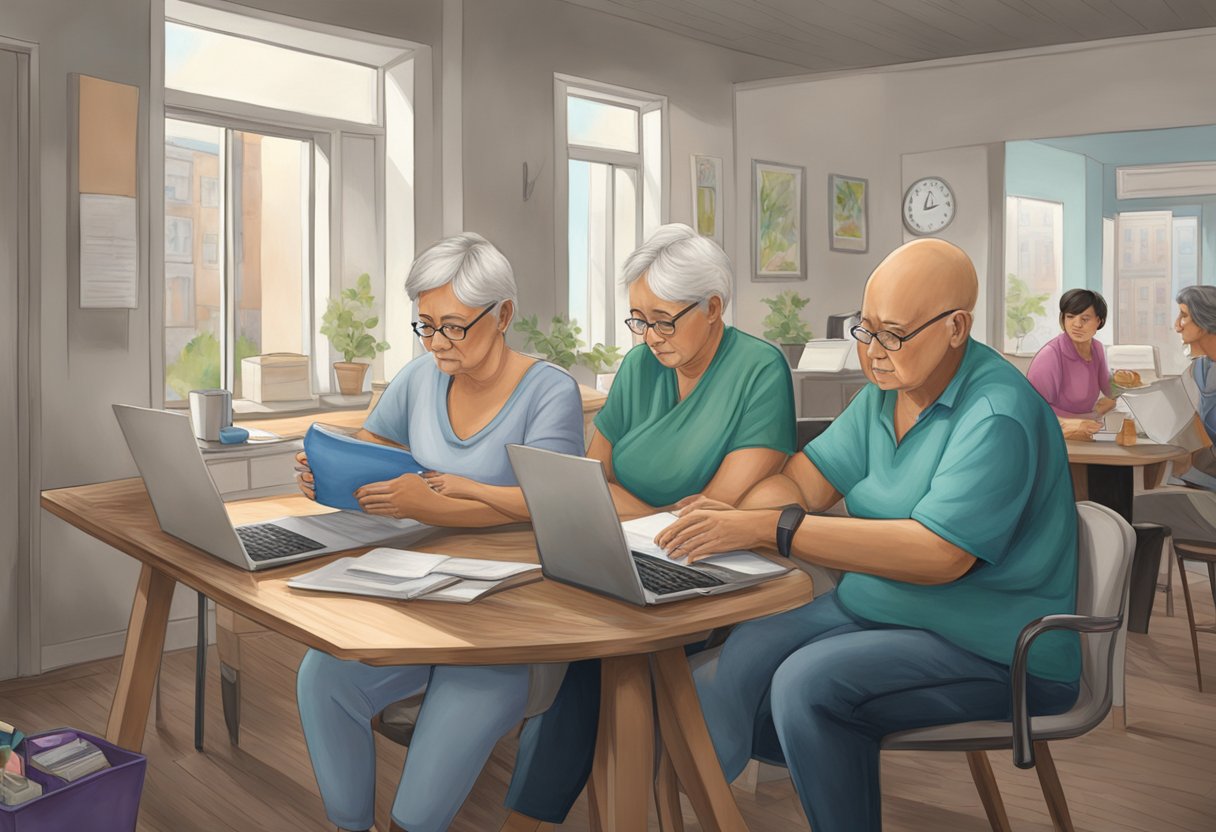
Having triumphed over lymphoma cancer twice, I have gained firsthand experience of the socio-economic difficulties that accompany being a cancer survivor. Survivorship refers to the period after cancer treatment ends and can last for years. During this time, cancer survivors face a variety of physical, emotional, and financial challenges.
Age, sex, race, and region can all impact the experience of cancer survivorship. For example, older cancer survivors may face different challenges than younger survivors, and men may have different needs than women. Additionally, cancer survivors in rural areas may have limited access to healthcare and support services.
One of the most significant challenges of cancer survivorship is the financial burden. Cancer treatment can be expensive, and many cancer survivors face ongoing medical bills, lost income, and other costs related to their cancer diagnosis. In fact, a study found that cancer survivors and their families often have to make financial sacrifices as a result of their cancer, even for individuals who have health insurance.
Interventions that provide personalized assistance with the specific financial and social needs of cancer survivors and their families can help address the complex web of challenges that come with cancer survivorship. By providing support and resources, we can help cancer survivors and their families navigate the challenges of survivorship and improve their long-term wellbeing.
Socio-Economic Implications for Cancer Survivors
As a two-time lymphoma cancer survivor, I understand firsthand the socio-economic implications that come with a cancer diagnosis. The financial burden of cancer can be overwhelming and can affect a survivor’s quality of life long after treatment has ended.
One of the biggest challenges for cancer survivors is the loss of income due to the inability to work full-time during treatment. Many survivors are forced to work part-time or take time off from work, which can lead to a significant reduction in income. This loss of income can make it difficult for survivors to cover basic expenses such as mortgage payments, rent, and health insurance premiums.
Cancer survivors may also face challenges when obtaining home loans or mortgages. Survivors may be viewed as high-risk by lenders due to their medical history, which can make it difficult to secure a loan or mortgage. This can be particularly challenging for survivors who may need to relocate or downsize their homes due to their medical condition.
The economic burden of cancer can also extend to the survivor’s family. Family members may need to take time off from work to care for the survivor, which can result in a loss of income and additional financial strain. In addition, family members may need to cover the cost of travel and lodging for treatment, which can be a significant expense.
It is crucial for cancer survivors to be aware of the potential socio-economic implications of their diagnosis and to seek out resources and support. Many organizations provide financial assistance and support to cancer survivors and their families. Survivors should also work with their healthcare team and financial advisors to develop a plan to manage the financial impact of their diagnosis.
Health Challenges Faced by Cancer Survivors
I am familiar with the distinct health obstacles encountered by individuals who have overcome cancer. Even after completing treatment, cancer survivors may experience a range of physical and mental health challenges that can impact their quality of life.
One of the most significant challenges is dealing with the long-term side effects of cancer treatment. While treatment can be life-saving, it can also cause comorbidities such as heart disease, lung problems, and nerve damage. Survivors may also experience ongoing fatigue, pain, and difficulty sleeping.
Mental health is another crucial aspect of survivorship. Many survivors struggle with emotional problems such as depression and anxiety, which the stress of cancer diagnosis and treatment can exacerbate. Survivors need to seek support and treatment for these issues to improve their overall well-being.
In addition to physical and mental health challenges, survivors may also face socio-economic challenges. Cancer treatment can be expensive, and survivors may struggle with financial burdens even if they have health insurance. This can lead to difficult decisions about prioritizing medical care over other essential expenses, such as housing and food.
Overall, cancer survivors must have access to comprehensive care that addresses their unique needs. This includes ongoing monitoring for potential health problems, support for mental health and emotional well-being, and resources to help manage socio-economic challenges. By addressing these challenges, survivors can improve their quality of life and achieve long-term survival.
Types of Cancer and Their Impact on Survivorship
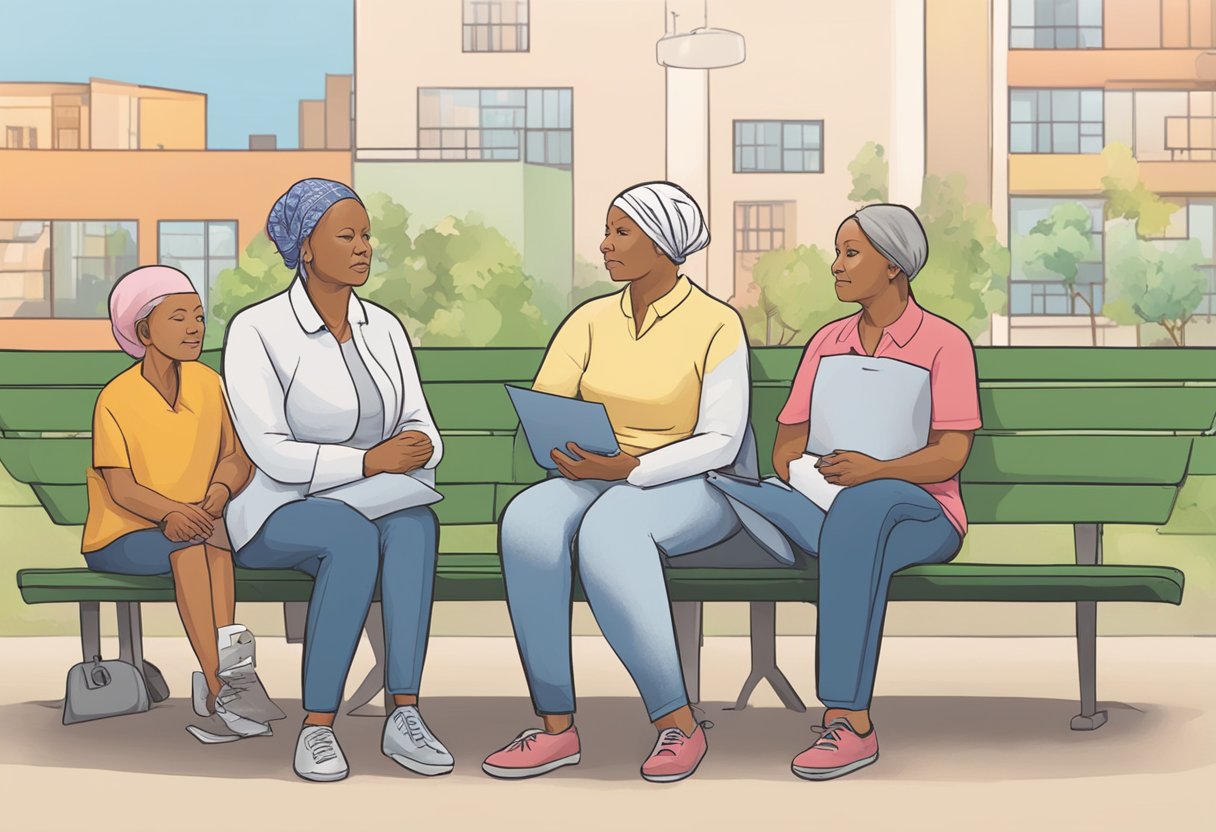
I empathize with the difficulties encountered by cancer survivors, particularly the socioeconomic challenges they may confront. Different types of cancer can have varying impacts on survivorship, and it’s essential to understand these differences to provide the best support possible.
Colorectal cancer, for example, can result in long-term physical and emotional effects such as bowel problems, sexual dysfunction, and anxiety. Melanoma, on the other hand, can cause disfigurement and affect a survivor’s self-esteem.
Hodgkin lymphoma survivors may experience long-term effects such as heart and lung damage, while non-Hodgkin lymphoma survivors may have an increased risk of developing other cancers. Multiple myeloma can cause bone damage and kidney problems, leading to long-term health issues.
Survivors of all types of cancer may experience financial difficulties due to the cost of treatment, time off work, and other expenses. A study found that the most commonly reported financial sacrifices for cancer survivors included cutbacks on household budgets, challenges with health care insurance and costs, career/self-advancement constraints, reduction/depletion of assets, and inability to pay bills [1].
It’s important to provide cancer survivors with the support they need to overcome these challenges and improve their quality of life. This can include financial assistance, emotional support, and access to resources such as support groups and counseling.
As a survivor, I know firsthand the importance of having a solid support system and access to resources. By working together, we can help cancer survivors overcome their challenges and improve their overall well-being.
Barriers and Disparities in Cancer Survivorship
I have personally experienced the challenges that cancer survivors face, especially those related to socioeconomic disparities. Unfortunately, many survivors from disadvantaged backgrounds face significant barriers that can affect their ability to access quality care.
One of the biggest challenges is transportation. Many cancer survivors cannot afford transportation to and from appointments, which can result in missed appointments and delayed care. Additionally, those who live in rural areas may have limited access to healthcare facilities, making it even more challenging to receive the necessary care.
Social determinants of health also play a significant role in cancer survivorship disparities. Individuals from lower socioeconomic backgrounds may have limited access to healthy food options, safe housing, and other essential resources for maintaining good health. This can lead to increased risk factors for cancer and other health issues.
Furthermore, the lack of insurance coverage and adequate reimbursement structures can pose significant barriers to accessing quality cancer survivorship care. Many cancer survivors may not have access to the necessary follow-up care, including regular check-ups, cancer screenings, and other essential services.
Overall, it is crucial to address the socioeconomic challenges that cancer survivors face to ensure that everyone has access to quality care and support. We must work together to develop solutions that address transportation barriers, improve access to healthy food options, and provide adequate insurance coverage and reimbursement structures. By doing so, we can help ensure that all cancer survivors have the resources they need to live healthy, fulfilling lives.
Role of Healthcare Professionals in Cancer Survivorship
As a two-time lymphoma cancer survivor, I know firsthand the importance of having a solid support system during and after treatment. Healthcare professionals, including clinicians, primary care physicians, and other clinical practice staff, play a crucial role in helping survivors navigate the challenges of cancer survivorship.
One of the most important ways healthcare professionals can support cancer survivors is by providing ongoing monitoring and follow-up care. This includes regular check-ups, cancer screenings, and other tests to ensure that survivors remain cancer-free and healthy. It’s also essential for healthcare professionals to provide survivors with information and resources about healthy lifestyle choices, such as diet and exercise, that can help reduce the risk of cancer recurrence.
Another key role for healthcare professionals is to help survivors manage the physical and emotional side effects of cancer treatment. This may involve prescribing medications to manage pain or other symptoms or referring survivors to other specialists, such as physical therapists or mental health professionals.
In addition to providing direct care to survivors, healthcare professionals can also play a key role in advocating for policy changes that can improve the lives of cancer survivors. This may involve working with stakeholders, such as insurance companies and government agencies, to ensure that survivors have access to affordable, high-quality care and resources.
Overall, healthcare professionals are critical in supporting cancer survivors throughout their journey. By providing ongoing care, information, and resources, they can help survivors live healthy, fulfilling lives after cancer.
Cancer Prevention, Screening, and Awareness
I understand the importance of cancer prevention, screening, and awareness. While cancer can affect anyone, certain risk factors, such as age, genetics, and lifestyle choices, can increase the likelihood of developing cancer.
Prevention is vital, and there are steps that men can take to reduce their risk of cancer, such as maintaining a healthy diet, exercising regularly, and avoiding tobacco and excessive alcohol consumption. It’s also important to be aware of potential symptoms of cancer and to seek medical attention if any unusual changes or symptoms occur.
Regular cancer screening can help detect cancer in its early stages when it is most treatable. Men should discuss their risk factors with their healthcare provider to determine when and how often they should be screened for various types of cancer, such as prostate, lung, and colon cancer.
Cancer incidence and stage at diagnosis can also be affected by socio-economic factors, such as access to healthcare and education. It’s essential to increase awareness and education about cancer prevention and screening in all communities, particularly those that may be at a higher risk due to socioeconomic factors.
Cancer prevention, screening, and awareness are crucial in reducing the incidence and impact of cancer. By taking proactive steps to reduce risk factors, staying aware of potential symptoms, and getting regular screenings, men can take control of their health and potentially detect cancer early, when it is most treatable.
Cancer Survival: Studies and Statistics
As a two-time lymphoma survivor, I empathize with the immense difficulties that come with surviving cancer. Studies have shown that socioeconomic factors play a significant role in cancer outcomes. A systematic review found that cancer patients with lower socio-economic positions consistently show worse survival than those with higher positions. This is true regardless of whether individual-level or area-based measures are used [Factors Explaining Socio-Economic Inequalities in Cancer Survival: A Systematic Review].
A survey conducted by the Eindhoven Cancer Registry found that cancer patients with low education and income levels had a higher risk of dying from cancer than those with higher education and income levels. The survey also found that cancer patients with lower socio-economic positions were less likely to participate in clinical trials, which could impact their treatment outcomes [Factors Explaining Socio-Economic Inequalities in Cancer Survival: A Systematic Review].
These statistics are concerning, and we must address the socio-economic challenges faced by cancer survivors, particularly men. A questionnaire-based study found that men with prostate cancer who had lower education and income levels were less likely to receive appropriate treatment and had worse outcomes than those with higher education and income levels. This suggests that socio-economic factors may impact not only cancer survival, but also the quality of care received [Socioeconomic Disadvantage and Survival Among Patients … – JAMA Network].
Addressing socio-economic challenges in cancer survivors is crucial for improving cancer outcomes. We must work to ensure that all cancer patients, regardless of their socio-economic position, have access to the best possible care and treatment options.
Insurance and Financial Challenges for Cancer Survivors
I know firsthand the financial burden that comes with cancer treatment. Healthcare insurance is a crucial aspect of cancer treatment, but it is not always enough to cover all the costs. Cancer survivors often face financial challenges that go beyond medical expenses, such as housing concerns, strained relationships, and debt.
According to a study published in the Journal of Cancer Survivorship, survivors who incurred $10,000 or more in debt were significantly more likely to report social and economic impacts. The absence of health insurance coverage is one of the strongest correlates of medical financial hardship. Uninsured or underinsured individuals with cancer are likely to experience financial hardship, including forgoing healthcare or non-healthcare needs such as food, housing, or utilities.
Life insurance is another aspect of financial planning that cancer survivors should consider. It provides financial protection for loved ones during the policyholder’s death. However, cancer survivors may find it challenging to obtain life insurance or may have to pay higher premiums due to their medical history.
Cancer survivors may also face work changes due to their diagnosis and treatment. They may need to take time off work for appointments or recovery, which can result in lost income. Some survivors may not be able to return to work at all due to long-term side effects or disabilities.
Overall, cancer survivors face significant financial challenges that can impact their quality of life. It is crucial for survivors to explore all available resources, such as financial aid programs and support groups, to help alleviate the burden of cancer-related expenses.
Final Thoughts…
Being a two-time lymphoma cancer survivor, I understand the socio-economic challenges that cancer patients face. It can be overwhelming to deal with the financial burden of cancer treatment and its aftermath. Many cancer survivors experience unemployment, debt, and income strains post-treatment, even if they have insurance [1, 2].
It is crucial to address the socio-economic challenges faced by cancer survivors. We need to ensure that the growing number of socioeconomically disadvantaged survivors receives follow-up care discussions. This will help them cope with the financial burden of cancer treatment and improve their quality of life [1, 3].
Moreover, cancer survivors face unique short-term and long-term challenges to physical and mental health, family functioning, and maintenance of a healthy lifestyle [4, 5]. It is essential to support cancer survivors to help them overcome these challenges.
I encourage all cancer survivors to seek support from their loved ones, cancer support groups, and healthcare professionals. It is essential to take care of your physical and mental health during and after cancer treatment. Remember that you are not alone, and there is always help available. -T
Frequently Asked Questions
What are the financial challenges faced by cancer survivors?
Cancer treatment can be expensive, and many cancer survivors struggle with financial challenges. According to a study conducted in the United States, cancer survivors and their families often make financial sacrifices as a result of their cancer, even if they have health insurance. The financial challenges can take many forms, such as lost income, high medical bills, and the cost of transportation to and from treatment.
How does socioeconomic status impact cancer treatment options?
Socioeconomic status can impact cancer treatment options in many ways. According to a study, cancer patients with lower socioeconomic status consistently show worse survival rates than those with higher socioeconomic status. This is because lower socioeconomic status can limit access to healthcare, including cancer screening and treatment.
What are the social determinants of health that affect cancer patients?
Social determinants of health are the conditions in which people are born, grow, live, work, and age. These conditions can impact a person’s health and well-being, including their risk of developing cancer. According to a study, cancer survivors’ socioeconomic status can impact their access to follow-up care, which can affect their long-term health outcomes.
What is the economic impact of breast cancer on society?
Breast cancer has a significant economic impact on society. According to a study, socioeconomic inequalities in cancer survival in England have a substantial impact on the number of life years lost due to cancer. Breast cancer is also associated with lost productivity due to time off work for treatment and recovery.
What are the environmental factors that contribute to cancer?
Environmental factors can contribute to cancer risk. These factors can include exposure to carcinogens, such as tobacco smoke, air pollution, and UV radiation. According to the American Cancer Society, some chemicals and substances in the environment are known to cause cancer in humans.
What is the overall economic burden of cancer in the United States?
Cancer has a significant economic burden in the United States. According to the National Cancer Institute, the total annual economic cost of cancer in the United States is estimated to be $209 billion. This includes direct medical costs, such as the cost of treatment, as well as indirect costs, such as lost productivity due to illness and premature death.
References:
- Cancer survivors are at increased risk for unemployment, debt, and income strains post-treatment even if they are insured [19, 22, 23]. (source: https://www.ncbi.nlm.nih.gov/pmc/articles/PMC5035178/)
- The social and economic toll of cancer survivorship: a complex … – PubMed (source: https://pubmed.ncbi.nlm.nih.gov/31123985/)
- Economic Perspective of Cancer Care and Its Consequences for Vulnerable … (source: https://www.ncbi.nlm.nih.gov/pmc/articles/PMC9265013/)
- Physical and Mental Health Among Cancer Survivors – PMC (source: https://www.ncbi.nlm.nih.gov/pmc/articles/PMC4503227/)
- The socio-economic burden of cancer – LWW (source: https://journals.lww.com/jfmpc/Fulltext/2022/03000/The_socio_economic_burden_of_cancer__An.2.aspx)
