

In Cancer Survivorship

As cancer survivors, we understand the importance of mindset and discipline in our journey to recovery. The physical and psychological impact of cancer can be overwhelming, but with the right mindset and discipline, we can overcome the challenges and thrive.
This article will explore how mindset and discipline work together in cancer survivorship and share some tips for incorporating these principles into our daily lives.
Understanding cancer survivorship is the first step in developing a positive mindset. The journey begins with the diagnosis and continues through treatment and beyond.
The physical and emotional toll of cancer can be significant, but with the right mindset, we can focus on the positive aspects of our lives and find meaning and purpose in our journey.
Discipline is also essential in cancer survivorship. It can help us stay on track with our treatment plans, maintain a healthy lifestyle, and manage our emotions effectively.
Key Takeaways
- Developing a positive mindset is crucial in cancer survivorship.
- Discipline is essential to stay on track with treatment plans and maintain a healthy lifestyle.
- Incorporating mindset and discipline into our daily lives can help us overcome the challenges of cancer survivorship.
Understanding Cancer Survivorship
As cancer survivors, we know firsthand the challenges that come with a cancer diagnosis. Cancer survivorship refers to the period from diagnosis through the rest of our lives. It encompasses the medical and psychosocial care we receive, the side effects of treatments, the development of secondary cancers, remission, and, ultimately, death.
Survivorship begins at the moment of diagnosis and continues throughout our lives. It is essential to have access to accurate and up-to-date information about cancer survivorship care. This includes information about managing side effects, nutrition, exercise, and emotional support.
As survivors, we understand the importance of receiving quality care that addresses our unique needs. This includes follow-up care and monitoring for potential recurrence or new cancers. We also recognize the value of a multidisciplinary approach to cancer survivorship care, which involves collaboration among healthcare professionals, survivors, and caregivers.
In addition to medical care, emotional support is crucial for cancer survivors. We know firsthand the emotional toll that cancer can take on us and our loved ones. It is essential to have access to resources that provide emotional support, such as counseling, support groups, and peer-to-peer programs.
Overall, cancer survivorship is a journey requiring a multidisciplinary care approach. As survivors, we know the importance of having access to accurate information, quality medical care, emotional support, and a supportive community.
The Physical Journey of Cancer Survivorship
As cancer survivors, we understand the physical journey of cancer survivorship all too well. While cancer treatment can be effective in destroying tumors, it can also leave behind physical symptoms and biomedical risks that require long-term surveillance.
Treatment and Its Late Effects
Cancer treatment can cause a range of late effects that vary depending on the type of treatment received. For example, anthracycline chemotherapy can lead to toxic effects on the heart, while radiation can cause damage to nearby tissues and organs. These treatment-specific late effects can manifest months or even years after treatment ends, making medical surveillance and follow-up visits with an oncologist crucial to detecting and managing potential issues.
The Importance of Surveillance
Medical surveillance is essential to cancer survivorship, as it allows us to monitor our health and detect any potential issues early on. Regular follow-up visits with an oncologist can help us stay informed about our risk for cancer recurrence, as well as any potential late effects of treatment.
In addition to medical surveillance, we can take steps to manage our physical symptoms and reduce our risk for future health issues. This may include engaging in physical activity, eating a healthy diet, and managing stress. By taking an active role in our health and well-being, we can improve our chances of living a long and healthy life after cancer.
As cancer survivors, we know all too well the physical journey of cancer survivorship. We can manage our physical symptoms and reduce our risk for future health issues through medical surveillance, healthy lifestyle choices, and a commitment to self-care.
The Psychological Impact of Cancer Survivorship
As cancer survivors, we know firsthand the emotional challenges that come with the disease. The meaning of illness can be difficult to grasp, and the quality of life may be affected. However, we can also attest to the power of mindset and discipline in coping with these challenges.
Coping with Emotional Challenges
Cancer can be a catastrophe, and fear, anxiety, and depression are common emotional responses. However, we have found that mindfulness and mental health management can help us cope with these challenges. Mindfulness meditation and mindfulness training have been shown to reduce stress hormones and improve objective health markers. Additionally, psycho-oncology and cognitive behavioral therapy can help us manage our emotions and improve our overall quality of life.
Mindfulness and Mental Health Management
The placebo effect and endogenous opioids play a role in the physiology of our emotional responses. By practicing mindfulness and mental health management, we can harness the power of our minds to impact our emotional and physical well-being positively. This requires discipline and a willingness to engage in practices like meditation, but the benefits are undeniable.
As cancer survivors, we understand the importance of taking care of ourselves emotionally as well as physically. By embracing a positive mindset and practicing discipline in our mental health management, we can improve our quality of life and continue to thrive as survivors.
The Role of Lifestyle in Cancer Survivorship

As cancer survivors, we know that the transition from active treatment to post-treatment can be challenging.
However, with a well-planned wellness plan, we can take control of our health and improve our chances of long-term survival. Two critical components of this plan are physical activity and diet.
The Impact of Physical Activity and Diet
Physical activity and a healthy diet are essential in managing inflammation, which can contribute to cancer recurrence. Regular exercise can also help us maintain a healthy weight, which prevents cancer from returning. Combining aerobic and strength training exercises can help us build muscle, improve our cardiovascular health, and reduce fatigue.
When it comes to diet, we should aim for a balanced and varied diet that includes plenty of fruits, vegetables, whole grains, and lean protein sources. We should limit our intake of processed foods, sugary drinks, and red and processed meats. A healthy diet can help us manage weight, reduce inflammation, and improve our health.
The Power of Positive Life Changes
In addition to physical activity and diet, positive life changes can also play a significant role in cancer survivorship. Adopting a healthy lifestyle can reduce our risk of cancer recurrence and improve our overall quality of life. Some manageable challenges we can undertake include quitting smoking, reducing alcohol consumption, and managing stress.
Making positive life changes can be daunting, but we don’t have to do it alone. We can seek support from our healthcare team, family, and friends. Additionally, joining a support group can provide a sense of community and help us stay motivated.
In conclusion, a well-planned wellness plan that includes physical activity, a healthy diet, and positive life changes can help us manage our health and prevent cancer recurrence. As cancer survivors, we have the power to take control of our health and improve our chances of long-term survival.
Education, Training, and Management in Cancer Survivorship
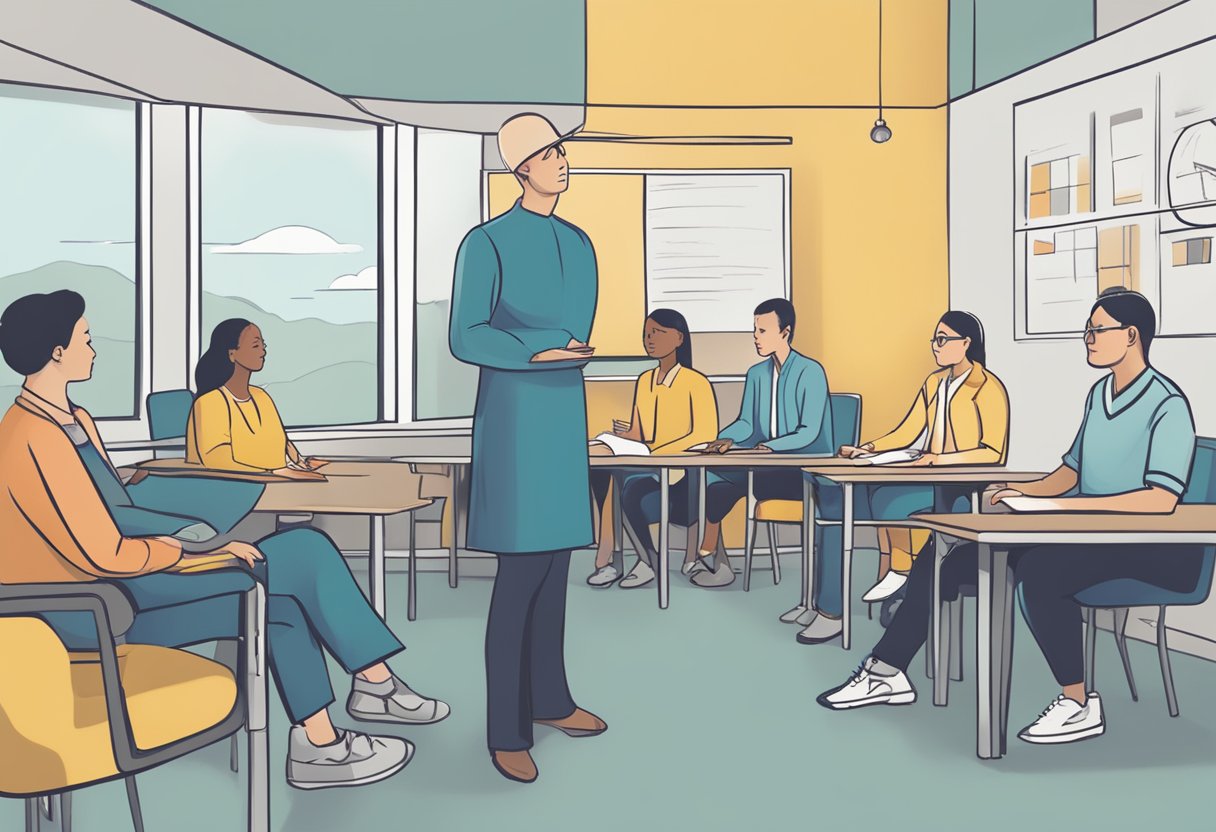
As cancer survivors, we understand the nature of the long-term effects that come with cancer treatment. These effects can range from physical to psychosocial, and it’s essential to have a plan to manage them. One way to do this is through assessment and management programs, which can help us identify and address any lingering issues.
Understanding and Managing Long-Term Effects
Long-term effects of cancer treatment can be challenging to manage, but with the right education and training, we can learn how to cope with them. Some common long-term effects include fatigue, neuropathy, cognitive impairment, and emotional distress. It’s crucial to have a support system to help us manage these effects, whether through counseling, support groups, or other resources.
The Importance of Education and Training
Education and training are essential for cancer survivors to manage the long-term effects of treatment. These programs can help us understand how to manage our physical and emotional health, as well as provide us with the tools we need to live a healthy and fulfilling life after cancer. Some examples of education and training programs include survivorship care plans, survivorship clinics, and online resources.
Management of long-term effects also involves lifestyle changes such as regular exercise, healthy eating, and stress management. By taking an active role in our health, we can improve our quality of life and reduce the risk of recurrence.
Look, education, training, and management are crucial in cancer survivorship. By understanding and managing long-term effects and taking an active role in our health, we can improve our quality of life and live a fulfilling life after cancer.
Final Thoughts…
We hope this article has shed some light on how mindset and discipline work together in cancer survivorship. As survivors ourselves, we know how challenging it can be to navigate the post-treatment phase. It’s important to remember that everyone’s journey is different, and what works for one person may not work for another.
One thing that has helped us is practicing mindfulness and relaxation techniques. Taking a few minutes daily to focus on breathing and clear our minds has been incredibly beneficial for our mental and emotional well-being.
Another key factor in our survivorship has been staying disciplined with our self-care routines. This includes eating a healthy diet, exercising regularly, and staying on top of our follow-up appointments with our healthcare providers.
It’s also important to remember that self-compassion is key. We may not always feel like we’re doing everything perfectly, but giving ourselves grace and acknowledging that we’re doing our best is okay.
Ultimately, survivorship is a journey; we’re all in it together. By staying cheerful, disciplined, and compassionate with ourselves, we can navigate the ups and downs with grace and resilience.
Frequently Asked Questions
How can a positive mindset aid in cancer survivorship?
Maintaining a positive mindset can be a powerful tool in cancer survivorship. Studies have shown that a positive attitude can improve physical and emotional well-being, boost the immune system, and enhance overall quality of life. By focusing on the present moment and finding joy in everyday activities, we can cultivate a sense of gratitude and resilience to help us navigate cancer survivorship’s challenges.
What are some practical ways to develop discipline during cancer survivorship?
Discipline is essential in cancer survivorship, as it can help us stay focused on our goals and maintain a sense of control over our lives. Some practical ways to develop discipline include setting small, achievable goals, establishing a daily routine, and practicing self-care. By prioritizing our physical and emotional health, we can build the resilience and strength needed to overcome the challenges of cancer survivorship.
What is the relationship between mindset and self-management in cancer survivorship?
Mindset and self-management are closely intertwined in cancer survivorship. By cultivating a positive attitude and focusing on our strengths, we can develop the self-awareness and self-control needed to manage our physical and emotional health. By setting goals and establishing healthy habits, we can take an active role in our care and improve our overall well-being.
How can mindset and discipline work together to improve cancer survivorship outcomes?
Mindset and discipline can improve cancer survivorship outcomes by helping us stay focused on our goals and maintain a positive attitude. By developing a growth mindset and embracing challenges as opportunities for growth, we can build the resilience and determination needed to overcome the obstacles of cancer survivorship. Practicing discipline and self-care can improve our physical and emotional health and enhance our overall quality of life.
What are some common psychological challenges faced by cancer survivors, and how can mindset and discipline help?
Cancer survivors may face a range of psychological challenges, including anxiety, depression, and fear of recurrence. We can develop the resilience and coping skills needed to manage these challenges by cultivating a positive mindset and practicing discipline. By focusing on our strengths and setting achievable goals, we can build confidence and self-efficacy, which can help us overcome feelings of helplessness and despair.
What are some evidence-based strategies for improving mindset and discipline during cancer survivorship?
Many evidence-based strategies for improving mindset and discipline during cancer survivorship include mindfulness meditation, cognitive-behavioral therapy, and exercise. By practicing these techniques, we can develop the self-awareness, self-control, and resilience needed to overcome the challenges of cancer survivorship. Staying focused on our goals and maintaining a positive attitude can improve our overall well-being and enhance our chances of long-term survival.
