

Tips and Strategies for Cancer Survivorship

Being a two-time lymphoma cancer survivor, I know firsthand the mental and emotional toll that cancer can take on a person. Cancer diagnosis and treatment can be overwhelming, and it is not uncommon for survivors to experience anxiety, depression, and other mental health challenges. However, it is possible to build mental strength and resilience during and after cancer treatment.
Understanding mental strength in cancer survivorship is crucial for survivors to cope with the physical and emotional challenges of cancer. Mental strength involves developing the ability to stay positive, resilient, and focused even in adversity. It is not a trait that people are born with but rather a skill that can be learned and developed over time. Building mental strength can help cancer survivors manage their emotions, cope with uncertainty, and maintain a positive outlook.
The impact of cancer on mental health cannot be overstated. Cancer survivors may experience a range of mental health challenges, including anxiety, depression, post-traumatic stress disorder (PTSD), and survivor guilt. These challenges can be exacerbated by the fear of cancer recurrence, physical symptoms, and the social and emotional impact of cancer. However, many resources are available to help survivors cope with these challenges, including social support, counseling, and survivorship programs.
Understanding Mental Strength in Cancer Survivorship
As a two-time lymphoma survivor, I have learned that mental strength is crucial in the cancer experience and life after cancer treatment. Mental strength is the ability to cope with the challenges of cancer survivorship, such as physical and emotional distress, fear of recurrence, and uncertainty about the future.
Cancer survivors need to develop mental strength to overcome the psychological and emotional impact of cancer. A survivorship program can help cancer survivors develop mental strength by providing emotional support, counseling, and education on coping strategies.
It is essential to remember that mental strength is not always being positive and avoiding negative emotions. Instead, mental strength involves accepting and processing negative emotions, such as fear, anxiety, and sadness, and using them to fuel resilience and growth.
Remission does not mean the end of the cancer experience. Life after cancer treatment can be challenging, and mental strength is crucial in navigating the transition to survivorship. Mental strength can help cancer survivors regain a sense of control, purpose, and meaning in life after cancer.
Mental strength is vital to the cancer survivorship experience. Developing mental strength involves accepting and processing negative emotions, seeking emotional support, and using coping strategies to overcome the challenges of cancer survivorship. If you are a cancer survivor, remember that you are not alone, and mental strength is within your reach.
The Impact of Cancer on Mental Health
As a two-time lymphoma cancer survivor, I know firsthand the impact that cancer can have on mental health. The emotional and psychological toll of a cancer diagnosis can be overwhelming, and it’s essential to understand the different ways in which cancer can affect mental health.
Depression and Anxiety
Depression and anxiety are common among cancer survivors. According to a study published in BMC Cancer, a cancer diagnosis can have a substantial impact on mental health and well-being. Depression and anxiety may hinder cancer treatment and recovery, as well as quality of life and survival. Cancer survivors need to seek support and treatment for depression and anxiety, whether through therapy, medication, or other means.
Fear of Recurrence
Fear of recurrence is another common issue among cancer survivors. The fear of cancer coming back can be a constant source of stress and anxiety, and it can be challenging to manage. Survivors must understand that fear of recurrence is normal, but it’s also essential to find ways to cope with it. This may include talking to a therapist, joining a support group, or finding other ways to manage stress and anxiety.
Post-Traumatic Growth
While cancer can have a negative impact on mental health, it can also lead to post-traumatic growth. Post-traumatic growth is a positive change that can occur as a result of a traumatic event, such as a cancer diagnosis. It may involve a greater appreciation for life, a more profound sense of spirituality, or a stronger connection with others. While post-traumatic growth is not guaranteed, survivors must be open to the possibility of positive change.
Cancer can have a significant impact on mental health, and survivors must understand the different ways in which cancer can affect mental health. Depression and anxiety, fear of recurrence, and post-traumatic growth are just a few of the issues that survivors may face. It’s important for survivors to seek support and treatment when needed and be open to positive change.
The Role of Social Support and Counseling
As a two-time lymphoma cancer survivor, I can attest to the importance of social support and counseling during the cancer journey. Cancer is a challenging and life-changing experience that can impact a person’s physical, emotional, and psychological well-being. Having a solid support system in place can make all the difference in coping with the challenges of cancer survivorship.
Support Groups
Support groups provide a safe and supportive environment for cancer survivors to connect with others who have experienced similar challenges. These groups can be in-person or online, offering a space to share experiences, emotions, and coping strategies. Support groups can also provide a sense of community and belonging, which can be especially important for those who feel isolated or disconnected from friends and family.
Psychotherapy and Counseling
Psychotherapy and counseling can be beneficial for cancer survivors who are struggling with anxiety, depression, or other mental health concerns. A referral from a doctor or therapist can help connect survivors with a mental health professional who can provide individual or group therapy. Psychotherapy and counseling can help survivors develop coping skills, manage stress, and improve their well-being.
Social support and counseling are crucial in cancer survivorship. Support groups and psychotherapy can provide a safe and supportive environment for cancer survivors to connect with others and develop coping skills. As a survivor, I encourage others to seek out these resources and know they are not alone.
Physical Activity and Nutrition for Mental Well-being

As a two-time lymphoma cancer survivor, I understand the importance of physical activity and healthy nutrition for mental well-being. During my treatment, I realized that maintaining an active lifestyle and healthy eating habits was crucial in helping me cope with the challenges of cancer.
Exercise and Active Lifestyle
Regular exercise can help reduce stress, anxiety, and depression, which are common among cancer survivors. Engaging in at least 150 minutes of moderate-intensity exercise or 75 minutes of vigorous activity per week is recommended. Walking, cycling, swimming, and yoga are great options for cancer survivors. Staying active helped me feel more energized and positive during my treatment.
In addition to structured exercise, incorporating physical activity into daily routines can also be beneficial. Simple activities such as taking the stairs instead of the elevator, walking to nearby destinations, or doing household chores can help increase physical activity levels. Finding enjoyable and sustainable activities is essential to maintain an active lifestyle.
Healthy Nutrition
Eating a balanced and healthy diet is essential for cancer survivors. A diet rich in fruits, vegetables, whole grains, lean protein, and healthy fats can help maintain a healthy weight and improve overall well-being. It’s important to limit processed and sugary foods and alcohol consumption.
Maintaining a healthy weight is also important for cancer survivors. Being overweight or obese can increase the risk of cancer recurrence and other health problems. Working with a healthcare provider and registered dietitian is essential to develop a personalized nutrition plan that meets individual needs and goals.
In conclusion, physical activity and healthy nutrition are essential for mental well-being during and after cancer treatment. Incorporating regular exercise and healthy eating habits into daily routines can help reduce stress, anxiety, and depression and improve overall quality of life. As a cancer survivor, I encourage others to prioritize their physical and mental health by staying active and eating a healthy diet.
Follow-up Care and Survivorship Programs
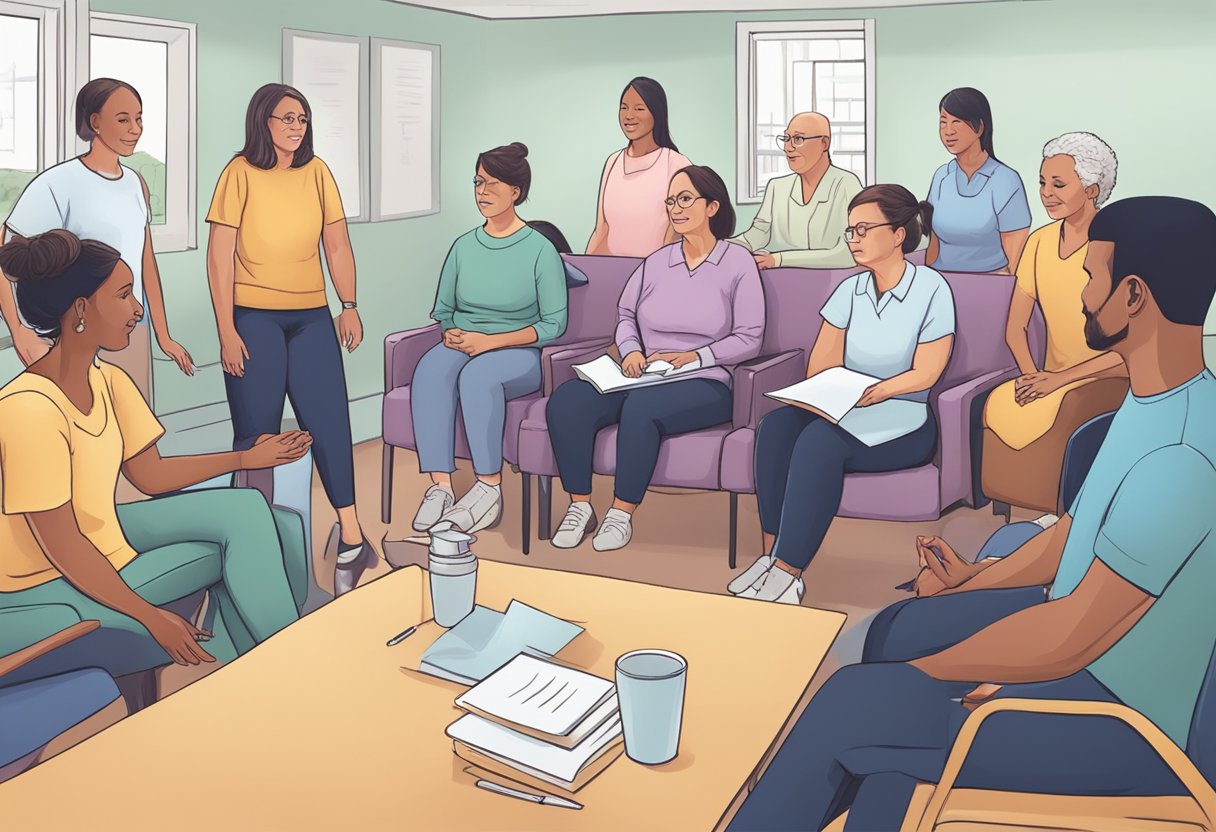
As a two-time lymphoma cancer survivor, I understand the importance of follow-up appointments and survivorship programs. These programs are designed to help cancer survivors manage their physical and emotional health after treatment.
Follow-up Appointments
Follow-up appointments are an essential part of cancer survivorship care. These appointments allow doctors to monitor the patient’s health and check for any signs of cancer recurrence. During these appointments, doctors may perform physical exams, order blood tests, or schedule imaging tests such as CT scans or MRIs.
Attending all follow-up appointments is crucial, even if you feel healthy. Early detection of cancer recurrence can improve the chances of successful treatment. If you experience unusual symptoms between appointments, don’t hesitate to contact your doctor.
Survivorship Programs
Survivorship programs are designed to help cancer survivors manage the physical and emotional challenges of life after cancer. These programs may include support groups, educational resources, and wellness programs.
The National Cancer Survivorship Resource Center provides resources and information on survivorship programs. These programs can help cancer survivors manage the physical and emotional effects of cancer treatment.
In addition to survivorship programs, it’s essential to practice self-care. This may include regular exercise, eating a healthy diet, and managing stress. These lifestyle changes can help improve your overall health and reduce the risk of cancer recurrence.
Follow-up appointments and survivorship programs are critical for cancer survivors. These programs can help improve the quality of life for cancer survivors and reduce the risk of cancer recurrence. As a cancer survivor, I encourage fellow survivors to take advantage of these resources and prioritize their health and well-being.
Addressing Mental Health Needs in Cancer Care

As a two-time lymphoma cancer survivor, I know firsthand the importance of addressing mental health needs in cancer care. Cancer diagnosis and treatment can take a significant toll on a patient’s mental health, leading to psychosocial distress and a need for psychosocial support.
Role of Caregivers
Caregivers play a crucial role in supporting the mental health of cancer patients. They can provide emotional support, help patients manage their stress and anxiety, and assist with practical tasks such as transportation and medication management. Caregivers should be included in the cancer care team and provided with resources and support to help them cope with the challenges of caregiving.
Role of Clinicians
Clinicians also play a vital role in addressing the mental health needs of cancer patients. They should be trained to recognize and address psychosocial distress and provide appropriate referrals for psychosocial support. Clinicians should also work closely with other cancer care team members to ensure that patients receive comprehensive care that addresses their physical and mental health needs.
In conclusion, addressing mental health needs in cancer care is crucial for ensuring the overall well-being of cancer patients. Caregivers and clinicians play essential roles in providing psychosocial support and should be included in the cancer care team. By working together, we can help cancer patients and survivors manage the mental health challenges associated with cancer diagnosis and treatment.
Adolescents and Young Adults with Cancer

As someone who has survived lymphoma cancer twice, I know firsthand the unique challenges that adolescents and young adults (AYAs) face when diagnosed with cancer. AYAs often have different needs and concerns than older or younger cancer patients, and healthcare providers need to recognize and address these differences.
One of the biggest challenges for AYAs with cancer is navigating the transition from adolescence to adulthood while also dealing with a life-threatening illness. This can be especially difficult for those who were previously healthy and active, as cancer treatment can cause physical and emotional changes that disrupt their sense of identity and independence.
In addition to the physical effects of cancer treatment, AYAs may also struggle with mental health issues such as depression and anxiety. Healthcare providers must screen for these issues and provide appropriate support and resources.
Despite these challenges, many AYAs with cancer go on to become long-term survivors thanks to advances in cancer therapy. Survivors may face ongoing physical and emotional issues related to their cancer treatment, but with the proper care and support, they can lead fulfilling lives.
Overall, healthcare providers need to recognize and address the unique needs of AYAs with cancer. By providing comprehensive care that addresses both physical and emotional needs, we can help AYAs with cancer navigate the challenges of survivorship and live full, meaningful lives.
Final Thoughts…

Surviving cancer twice has taught me the importance of mental strength during survivorship. While it is natural to be concerned about the future, focusing on the present and taking small steps toward success can significantly improve one’s quality of life and well-being.
Recovery is not a linear process, and setbacks are common. However, remaining optimistic and seeking support when needed is essential. Whether through therapy, support groups or simply spending time with loved ones, having a solid support system can make a significant difference in one’s recovery.
Maintaining wellness is key to long-term success. This includes not only physical health but also mental and emotional health. Self-care, such as exercise, meditation, and natural time, can significantly improve well-being.
While the journey of cancer survivorship may be challenging, overcoming obstacles and achieving success with the right mindset and support is possible. As a survivor, I am grateful for the opportunity to share my experience and offer guidance to others on their recovery journey. -T
Frequently Asked Questions
What are the psychological effects of cancer survivorship?
As a two-time lymphoma cancer survivor, I can attest to the psychological effects of cancer survivorship. The experience can be emotionally and mentally draining, leaving survivors feeling anxious, depressed, and overwhelmed. Many cancer survivors experience post-traumatic stress disorder (PTSD), which can manifest as intrusive thoughts, nightmares, and flashbacks. It is essential to seek professional help to manage these psychological effects and improve your quality of life.
What is the mindset of cancer survivors?
The mindset of cancer survivors is one of resilience, strength, and hope. Survivors often adopt a positive attitude, which helps them cope with the emotional and physical challenges of cancer survivorship. However, it is essential to acknowledge that everyone copes differently, and there is no one-size-fits-all approach to cancer survivorship.
Has anyone survived Stage 4 cancer?
Yes, many people have survived Stage 4 cancer. While the prognosis for Stage 4 cancer is generally poor, advances in cancer treatment have improved survival rates. It is important to remember that every cancer case is unique, and survival rates vary depending on the type of cancer, its stage, and the individual’s overall health.
How do you deal with cancer survivorship?
Dealing with cancer survivorship can be challenging, but several strategies can help. Maintaining a healthy lifestyle, including regular exercise and a balanced diet, is essential. Seeking support from family, friends, and mental health professionals can also be beneficial. Additionally, participating in cancer survivorship programs and support groups can provide a sense of community and help survivors connect with others who understand their experience.
What are the psychosocial needs of cancer patients?
Cancer patients have a variety of psychosocial needs, including emotional support, information about their diagnosis and treatment, and financial assistance. Psychosocial support can come in many forms, such as counseling, support groups, and educational programs. Identifying and addressing these needs is crucial to improving the patient’s quality of life and overall well-being.
What are the financial impacts of cancer?
The financial impacts of cancer can be significant, as cancer treatment can be expensive and may require time away from work. Many cancer patients experience financial hardship, which can lead to stress and anxiety. It is essential to explore all available resources, such as insurance, disability benefits, and financial assistance programs, to ease the financial burden of cancer treatment.
