

How to Find Support and Strength in Your Cancer Thriver Journey

As cancer survivors, we know firsthand how a supportive community can impact our journey. Cancer can feel isolating, but with the proper support, we can thrive and become more assertive on the other side. In this article, we will explore the power of community and how it can help cancer thriver not just survive but thrive.
Understanding the cancer journey is key to thriving after cancer. It’s important to acknowledge the physical and emotional toll that cancer can have on the body and mind. However, it’s equally important to focus on the positive aspects of the journey, such as the strength and resilience that cancer thrivers develop. We can move forward with a newfound sense of purpose and confidence by embracing and harnessing these qualities.
At the heart of thriving after cancer is the power of community. We can find support, encouragement, and inspiration by connecting with other cancer thrivers. We’ll explore the role of adversity and resilience and how these qualities can be cultivated through community support. We’ll also discuss the importance of physical and mental health and how a supportive community can help cancer thrivers care for themselves.
Understanding the Cancer Journey

As cancer thrivers, we understand the cancer journey better than anyone else. The journey begins with a diagnosis, which can be overwhelming and scary. It is essential to have a compassionate and knowledgeable doctor to guide you through the process.
Once the cancer diagnosis is confirmed, the next step is to begin cancer treatment. There are various treatment options available, including surgery, chemotherapy, radiation therapy, and immunotherapy. Discussing the treatment options with your doctor and understanding each treatment’s potential benefits and risks is important.
During cancer treatment, cancer patients may experience various physical and emotional side effects. Communicating with your doctor and healthcare team about any side effects you experience is essential. They can help manage the side effects and support cancer patients and their families.
After completing cancer treatment, cancer survivors may experience a range of emotions, including anxiety, fear, and uncertainty. It is vital to have a support system in place, including family, friends, and support groups.
Breast cancer diagnosis can be particularly challenging for women, as it affects their sense of femininity and self-image. It is important to have a doctor who is sensitive to these issues and provide appropriate support and guidance.
As cancer thrivers, we have been through the cancer journey and understand the challenges and triumphs that come with it. We are here to offer support, guidance, and hope to those going through the cancer journey.
Thriving After Cancer

As cancer survivors, we know the struggle and pain that comes with the diagnosis, treatment, and recovery process. But we also know that thriving after cancer is possible. It’s a journey that requires patience, resilience, and a positive outlook.
One of the most important things we can do as cancer thrivers is to maintain a positive mindset. Positive thinking can help us cope with the physical and emotional challenges that come with cancer. It can also help us focus on our goals and aspirations for the future.
Another key to thriving after cancer is to embrace life changes and growth. Cancer can be a transformative experience, and it’s essential to use this experience as an opportunity for personal growth and development. This can include making positive lifestyle changes, pursuing new hobbies or interests, or connecting with others who have shared similar experiences.
Breast cancer survivors, in particular, may face unique challenges when it comes to thriving after cancer. These challenges can include body image issues, sexual dysfunction, and anxiety about recurrence. Breast cancer survivors need to seek out resources and support to help them navigate these challenges and maintain a positive outlook.
Healing and survival are also important aspects of thriving after cancer. While the physical scars of cancer may heal, the emotional scars can linger. It’s important to take the time to heal emotionally and mentally, whether through therapy, support groups, or other resources.
As cancer thrivers, we can also help others on their journey by sharing our experiences and offering support and encouragement. By maintaining a positive outlook, embracing growth and transformation, and focusing on healing and survival, we can thrive after cancer and help others do the same.
The Power of Community

As a two-time lymphoma survivor, we know firsthand the immense power of community in the face of cancer. When we were first diagnosed, we felt alone and overwhelmed.
But through community-based programs and meeting other breast cancer thrivers, we formed connections with other survivors that helped us feel less isolated and more supported.
Friends and family are undoubtedly essential sources of support, but there is something uniquely powerful about connecting with others who have gone through a similar experience. These connections can provide a sense of validation and understanding that is difficult to find elsewhere.
Through community-based programs, we could participate in support groups, attend educational workshops, and connect with other survivors in a safe and welcoming environment. These experiences helped us feel less alone and more empowered to face the challenges of cancer.
But the benefits of community extend beyond emotional support. Research has shown that cancer patients who participate in community-based programs have better outcomes and experience fewer symptoms than those who do not. This is likely due in part to the sense of connection and belonging that comes from being part of a supportive community.
In short, the power of community cannot be overstated when it comes to thriving as a cancer thriver. By connecting with others who have gone through a similar experience, we can find the support, validation, and empowerment we need to face the challenges of cancer.
Empowerment and Support
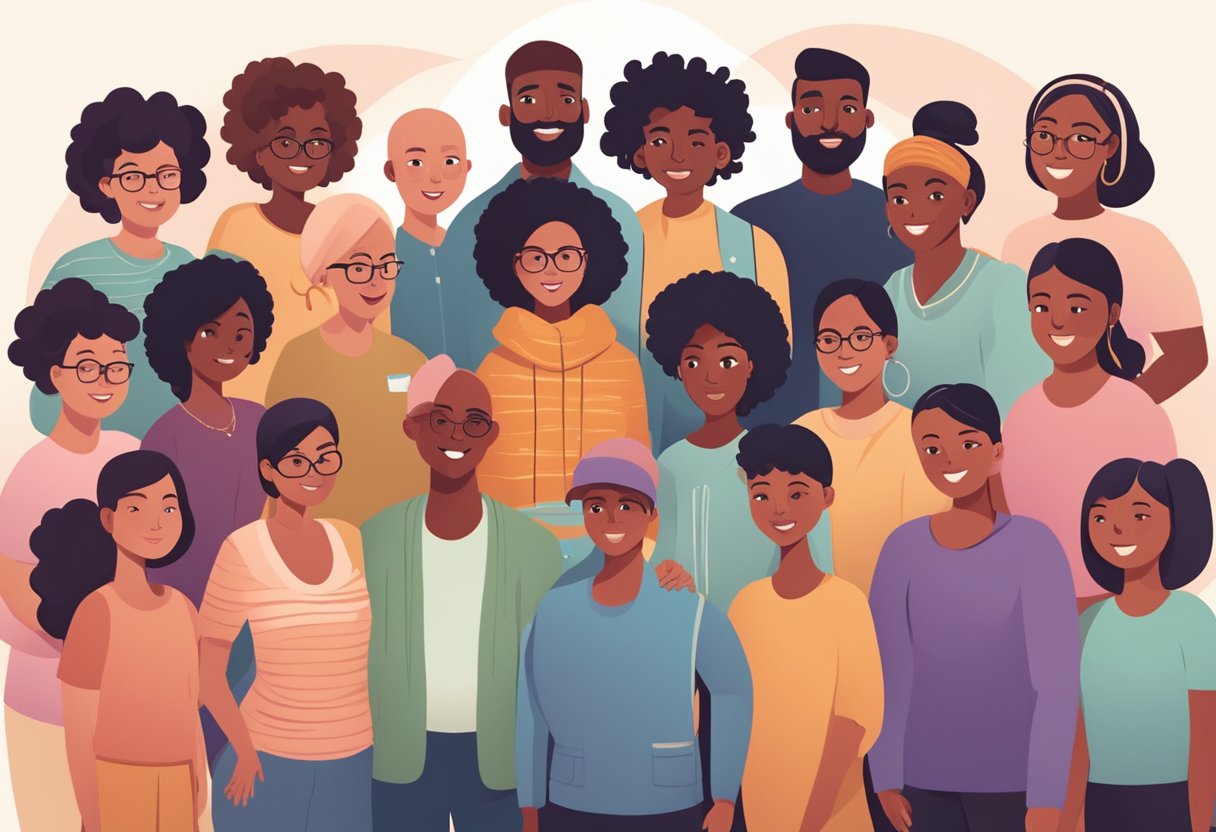
As cancer thrivers, we understand the importance of empowerment and support. Going through cancer treatment can be a daunting experience, and it is essential to have the right resources and programs to help us navigate this challenging time.
One of the most critical resources for cancer thrivers is mentorship. Having someone who has gone through a similar experience can be incredibly helpful in providing guidance and support. Educational programs are also an excellent resource for cancer thrivers. They can help us understand the available treatment options and provide us with the tools to make informed decisions about our health.
Family programs are also essential for cancer thrivers. Our loved ones often struggle to understand what we are going through, and it is crucial to have programs that help them understand and provide them with the support they need.
The American Cancer Society is a 501(c)(3) nonprofit organization that provides various resources and programs for cancer thrivers. They offer educational programs, family programs, and mentorship opportunities. They also have a vast network of volunteers supporting cancer thrivers and their families.
In addition to the American Cancer Society, many other organizations provide resources and support for cancer thrivers. These resources and programs are essential to help us thrive during and after cancer treatment.
Overall, empowerment and support are crucial for cancer thrivers. We must utilize the resources and programs available to help us navigate this challenging time. With the proper support, we can thrive and live our best lives.
Physical and Mental Health

As cancer thrivers, we understand the importance of taking care of our physical and mental health. Cancer treatment can take a toll on our bodies, leaving us feeling fatigued and weak. However, staying active can help us regain strength and improve our health.
Physical exercise is an essential component of our treatment and recovery plan. It helps us maintain our muscle mass and endurance, improves our immune system, and reduces the risk of recurrence. We recommend incorporating aerobic and strength training exercises into our routine. Walking, cycling, and swimming are excellent aerobic exercises, while weightlifting and resistance band exercises can help us build strength.
In addition to physical exercise, we also prioritize our mental health. Coping with cancer can be emotionally challenging, and we understand the importance of seeking support when needed. We recommend talking to a mental health professional or joining a support group to help us navigate the emotional side of cancer. It’s essential to take care of our mental health, as it can have a significant impact on our quality of life.
As cancer thrivers, we understand that our identity may change after a cancer diagnosis. It’s important to acknowledge these changes and find ways to adapt. We recommend exploring new hobbies or activities that align with our interests and values. This can help us regain a sense of purpose and identity.
Overall, taking care of our physical and mental health is crucial for our well-being as cancer thrivers. We encourage each other to stay active, seek support when needed, and find ways to adapt to our changing identity.
The Role of Adversity and Resilience
As cancer thrivers, we have faced adversity that most people cannot imagine. The physical and emotional toll of cancer treatment can be overwhelming, leaving us with PTSD, injury, and a sense of wholeness that is hard to recapture. But we have also discovered the power of resilience, finding strength in ourselves that we never knew existed.
Resilience is the ability to bounce back from adversity, to find meaning amid suffering, and to use our strengths to overcome challenges. Humanistic psychologists like Abraham Maslow, Mihaly Csikszentmihalyi, Martin Seligman, Eric Erickson, and Carl Rogers have studied resilience and found that it is a key factor in our ability to thrive in adversity.
Resilience is not just about surviving cancer, it is about transforming ourselves through adversity. The Beethoven Factor, as described by Paul Pearsall, is the idea that creativity and personal growth can come from our darkest moments. We can use our experiences to become better versions of ourselves by embracing our strengths and virtues.
One of the most potent ways to build resilience is through kindness and connection. By reaching out to others who have faced similar challenges, we can find role models who inspire us to keep going. We can also offer empathy and caring to those struggling, creating a sense of community that helps us all thrive.
In the end, cancer thrivers are transformed by adversity, but we emerge more robust and more resilient than ever before. We can find wholeness and meaning by embracing our strengths, virtues, and creativity.
The Lymphoma Cancer Thriver Community
As two-time survivors of lymphoma cancer, we understand the physical, emotional, and mental challenges that come with the diagnosis. We are here to offer support and guidance to those who are currently battling this disease.
Our community is dedicated to raising awareness about lymphoma cancer, especially during Lymphoma Cancer Awareness Month. We believe that knowledge is power, and by educating others about the disease, we can help more people get diagnosed early and receive the care they need.
We know firsthand how important it is to have a strong support system during treatment. That’s why we have created a space for lymphoma cancer patients, caregivers, and loved ones to come together and share their experiences. Whether it’s through hiking in nature or radiation treatments, we are here to support each other through every step of the journey.
We also believe in giving back to the community. That’s why we organize donation drives and fundraisers to help fund research and support organizations that help those affected by lymphoma cancer.
As fighters and thrivers, we know the importance of staying active and healthy. We encourage our members to participate in outdoor activities like hiking and nature walks. Not only does it help with physical fitness, but it also provides a mental escape from the stresses of treatment.
We understand that cancer in men can be incredibly challenging, and we are here to support our male members through their unique experiences. We offer a safe and supportive environment where men can share their stories and connect with others who have been through similar situations.
In our community, we believe in the power of empathy and caring. We are here to listen and provide support to anyone who needs it. We believe that by coming together, we can make a difference in the lives of those affected by lymphoma cancer.
Final Thoughts…
As cancer thrivers, we know what it’s like to face the challenges of cancer head-on. We’ve been through the ups and downs of treatment, the uncertainty of remission, and the fear of recurrence. But through it all, we’ve learned that thriving is possible, even in adversity.
One of the most important things we’ve learned is the power of community. Having a support system of family, friends, and fellow survivors can make all the difference in our cancer journey. It’s important to surround ourselves with people who lift us, encourage us, and remind us that we’re not alone.
We’ve also learned the importance of self-care. Taking care of our physical, emotional, and spiritual health is crucial to our well-being. Whether through exercise, meditation, or simply taking time, we know that self-care is not selfish but necessary.
Finally, we’ve learned to appreciate each day and live in the moment. Cancer has taught us that life is precious and should not be taken for granted. We’ve learned to find joy in the small things, to cherish our relationships, and to make the most of every moment.
As cancer thrivers, we are humbled by our experience and grateful for our lessons. We hope our journey can inspire others to find hope, strength, and resilience in the face of cancer.
Frequently Asked Questions
What does it mean to be a cancer thriver?
Being a cancer driver means that you have not only survived cancer but have also found a way to thrive despite the challenges that come with it. As drivers, we are not defined by our diagnosis but rather by our resilience and strength in overcoming it. We continue living to the fullest, finding joy and purpose each day.
What is the difference between a thriver and a survivor?
While both terms refer to individuals who have been diagnosed with cancer, there is a subtle difference between them. Survivors are those who have completed their treatment and are in remission, while thrivers have taken their experience and used it to transform their lives. Thrivers have found a way to survive, thrive, and find meaning in their lives beyond cancer.
Do cancer survivors have shorter life expectancy?
While some cancers may have a higher risk of recurrence or may be more challenging to treat, being a cancer survivor does not necessarily mean that you will have a shorter life expectancy. Many cancer survivors live long and fulfilling lives.
Do cancer survivors live to old age?
Yes, cancer survivors can live to old age. Advances in cancer treatment have greatly improved survival rates, and many survivors can live long and healthy lives.
Are there financial assistance programs for cancer patients in Nevada?
Yes, there are financial assistance programs available for cancer patients in Nevada. The Nevada Cancer Coalition provides a comprehensive list of resources and organizations that offer financial assistance for cancer patients and their families.
Where can I find cancer support groups in Las Vegas?
Several cancer support groups in Las Vegas provide emotional support, education, and resources for cancer patients and their families. The American Cancer Society has a searchable database of support groups in the Las Vegas area, and the Nevada Cancer Coalition also provides a list of local support groups.
