

Empowering Strategies for Living Beyond Diagnosis

Cancer journeys are unique, and they shape us in profound ways. We often hear about survival as a testament to endurance and medical advancement. Still, an emerging narrative speaks to a different experience—one defined not just by survival but by thriving.
Those of us who have navigated the choppy waters of a cancer diagnosis know too well the complexities and nuances that come with the label ‘thriver.’
Our wellness is a tapestry interwoven with the challenges and victories of facing cancer head-on. We find strength in holistic strategies that address our well-being from every angle—physical, psychological, and emotional. As a community, we share insights and support, acknowledging that while our paths are personal, the wisdom we gather is universal and can light the way for others.
Embracing this perspective can transform our approach to life, both during and beyond the cancer experience, creating space for meaningful growth and connection.
Key Takeaways
- A cancer diagnosis brings both challenges and opportunities for profound personal growth.
- Holistic well-being encompasses physical, psychological, and social elements of health.
- Shared wisdom and communal support are vital in transforming the cancer journey.
Understanding Cancer: Diagnosis and Stages
Facing a cancer diagnosis can daunt us, but grasping the process and the disease’s progressive nature eases our journey. We’ll explore how to navigate the diagnosis and unpack the complex stages of cancer.
Navigating the Diagnosis Process
When we suspect cancer, the first step is a thorough medical evaluation. We might notice persistent symptoms like unusual lumps, prolonged fatigue, or unexpected weight loss, prompting us to seek medical advice. Doctors then order diagnostic tests, which may include imaging scans, blood tests, and biopsies, to determine the presence of cancer.
A biopsy, the procedure where a small tissue sample is examined, confirms the type of cancer. Understanding these procedures can demystify our initial confrontations with the disease. For more detailed insights, you might want to learn from the experience shared on the Mayo Clinic’s guide to coping with cancer diagnosis.
Unpacking the Stages of Cancer
Once a diagnosis is confirmed, cancer is classified into stages that describe its progression. These stages are critical; they help us and our healthcare team devise an appropriate treatment plan.
- Stage 0: This implies abnormal cells are present but have not spread; we call this “in situ,” or localized.
- Stage I: Cancer is small and remains confined to its origin.
- Stage II: Indicates a giant tumor that might have started to spread but remains localized.
- Stage III: Cancer has progressed significantly and may have spread to nearby tissues or lymph nodes.
- Stage IV: This is the advanced stage where cancer has spread to other organs or parts of the body.
Each type comes with unique challenges and treatment approaches, including surgery, chemotherapy, radiation, or a combination of methods. To relate the experiences and insights from a patient’s perspective, Understanding Cancer: A Patient’s Guide provides a comprehensive view of how these stages affect diagnosis, prognosis, and treatment.
Embracing the Thriver Mindset

In our journey through cancer, adopting the thriver mindset transforms our relationship with the disease, prompting us toward a life enriched with positivity and personal power.
Cultivating a Positive Outlook
We shape our day-to-day experiences through the lens of our outlook. As thrivers, we consciously steer our thoughts towards hope and joy, acknowledging our fears and focusing on the abundance of life. Positive outlooks do not deny the reality of our challenges; instead, they encourage us to seek beauty and possibility amid our battles.
- Recognize Growth Opportunities: Every hurdle allows us to learn and expand our horizons.
- Practice Gratitude: Daily reflections on what we are thankful for can dramatically shift our perspective.
Resilience and Empowerment Through Adversity
Our resilience is like a muscle strengthened by the trials we endure. In our path from diagnosis to the present, we’ve embraced our resilience, not merely bouncing back but forward. Thriving means we harness our experiences, knowledge gained, and support received to empower ourselves and others.
- Share our Stories: We strengthen fellow men navigating similar paths by sharing.
- Set Boundaries: Protect our energy and well-being by saying no to what doesn’t serve our health.
Through these practices, we reshape our narrative as cancer thrivers, influenced less by fear and more by the strength of our empowered, positive outlook. We thrive not in spite of our condition but alongside it, growing every step of the way.
Holistic Health and Wellness Strategies
Adopting a holistic approach to health and wellness encompasses more than just treating symptoms; it involves nurturing the entire self—our minds, bodies, and spirits. We cultivate resilience and vitality through proper diet, consistent exercise, and a strong mind-body connection, even after serious health challenges like cancer.
Diet and Nutrition Considerations
We must feed our bodies with nutritious foods that provide the energy and substances needed for healing and strength. This means selecting a variety of foods that are rich in vitamins, minerals, and antioxidants.
- Vegetables and Fruits: A rainbow on our plates ensures we get various nutrients.
- Lean Proteins: Foods like fish and chicken support muscle repair.
- Healthy Fats: Items such as avocados and nuts contribute to overall wellness.
Exercise and Fitness Routines
Regular movement bolsters our fitness and aids in managing stress. It’s not one size fits all; our routines should match our unique needs and abilities.
- Cardiovascular activities: Engaging in walking or cycling boosts heart health.
- Strength training: Lifting weights or using resistance bands enhances muscle tone.
- Flexibility exercises: Practices like yoga or pilates improve joint health and mobility.
The Role of Mind-Body Connection
Our mental state powerfully influences our physical health. Strategies to enhance this connection include:
- Meditation: Taking time daily to meditate can reduce stress and anxiety.
- Support Groups: Sharing experiences with others provides emotional relief and fosters a sense of community.
- Therapy: Professional guidance helps us process emotions and reinforces coping mechanisms.
Navigating Treatment Options
When we face a cancer diagnosis, thoroughly understanding our treatment options becomes crucial. It’s about taking control and making informed choices suited to our health scenarios.
Understanding Chemotherapy
Chemotherapy involves the use of drugs to eradicate cancer cells or slow their growth. While it can be highly effective, we must weigh its benefits against potential side effects. These can include fatigue, nausea, and a weakened immune system, requiring us to plan for ample recovery time.
Exploring Radiation and Surgery
Radiation therapy targets cancer with high doses of radiation to kill cancer cells, aiming to minimize damage to our healthy cells. On the other hand, surgery physically removes the cancer, often necessitating a discussion about the potential impact on our body’s function and appearance after the procedure.
Alternative Therapies and Medical Marijuana
Alternative therapies may complement our main treatment regime and offer relief from symptoms. Medical marijuana, for instance, can be beneficial for managing pain and chemotherapy-induced nausea. Each option requires careful consideration and consultation with our medical team to ensure they align with our treatment strategy.
Support Systems and Community Engagement
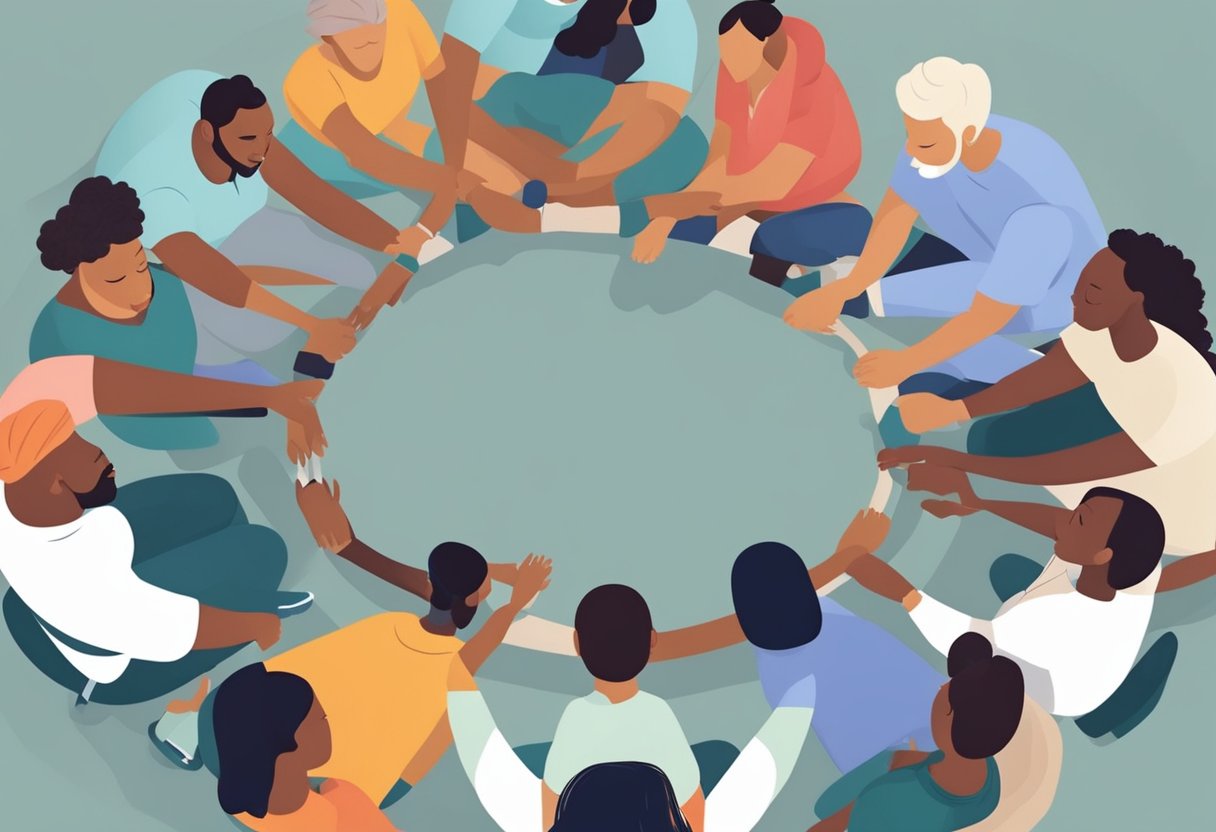
We live in a world where a support system and active engagement with a community can be a beacon of hope for those like us thriving through cancer. Strength lies in networks filled with love, understanding, and shared experiences.
Family and Caregiver Support
Family: They are our immediate circle of strength. Relatives often take on the role of caregivers, offering emotional support and managing daily tasks, which become challenging during treatment periods. Caregivers play a multifaceted role, balancing patience and care while encouraging us to maintain our independence whenever possible.
Building Community with Fellow Thrivers
Thrivers like us know the power of connection. Local events, online forums, or survivor networks foster a sense of belonging. We exchange stories, offer reassurance, and validate each other’s feelings. Engaging with peers can also lead to discovering helpful services specially catered for our wellness journey.
Role of Support Groups and Organizations
Support groups provide us with a platform to voice our struggles and victories. They become an extended family that understands the nuances of our journey. National organizations often offer resources and structured programs to help navigate life post-cancer. Local healthcare communication initiatives can also connect us with others striving to empower communities like ours toward better health and survivorship.
Survivorship and Life Beyond Cancer

As we navigate life after cancer, we focus on transforming from patients to survivors with an emphasis on sustaining a high quality of life.
Living as a Cancer Survivor
We understand the journey doesn’t end upon completing treatment. Instead, we find ourselves on a continuous path to physical and emotional wellness. A study from the Wellness Beyond Cancer Program asserts the necessity for a structured approach to this phase. We engage with healthcare professionals to monitor our recovery and manage any long-term effects of cancer treatment. Our experiences as lymphoma survivors twice over, remind us that vigilance in follow-up care is crucial for early detection of potential complications.
Regular Health Check-ups
- Frequency: Guided by our healthcare team to tailor our needs
- Purpose: To track progress and any new symptoms
Support Groups
- Benefits: Shared experiences, emotional aid, coping strategies
- Location: Often available through local hospitals or cancer support organizations
Maintaining Quality of Life After Treatment
Our lifestyle choices play a significant part in upholding our quality of life once cancer treatment concludes. We incorporate nutritious diets and regular exercise, as recommended by the American Cancer Society, to bolster our well-being. While we honor the resilience that brought us through cancer, we also acknowledge the need for mental and emotional support. One of our strongest tools is communication with fellow survivors, which offers a sense of community and understanding.
Wellness Activities
- Physical: Exercise routines adapted to our energy levels
- Mental: Mindfulness, including activities such as meditation
Social Connections
- Family: Engaging in family events and maintaining close relationships
- Community: Participating in survivor networks and local events
Through this determined and collective effort, we foster a productive life beyond cancer, ensuring we thrive, not just survive.
Special Considerations for Men and Women

As individuals navigating the complexities of cancer, we recognize that men and women face distinct challenges and require tailored support systems. These differences necessitate thoughtful consideration to ensure each person receives the care and understanding suited to their unique journey.
Gender-Specific Support and Health Issues
For us, acknowledging gender-specific health concerns and emotional needs is crucial. Women often require support that addresses concerns specific to breast and reproductive cancers, while men may confront prostate and testicular cancers with their own set of health implications. Providing gender-sensitive resources and discussions allows for a more personalized approach to each individual’s experience.
Breast Cancer Awareness and Support for Women
Our collective experience shows that women dealing with breast cancer, including metastatic forms, benefit immensely from a supportive network. Initiatives such as the Breast cancer ‘thrivers’ share the 5 things they wish people knew, highlight the nuances in language and the variety of experiences women face. This specific attention reinforces the community feeling and fosters an environment where women can share and learn from one another.
Men Facing Cancer: Unique Challenges and Support
We’ve seen firsthand how men can face a lonely battle, often retreating into solitude when dealing with cancer. Our duty is to encourage male peers to express and tackle the emotional and physical aspects of their diagnosis. As husbands and fathers, men may struggle to maintain a facade of strength. By fostering open dialogue, we help break down barriers, allowing men to seek and receive support for their well-being.
Advocacy, Education, and Empowerment

Our journey as cancer thrivers hinges on harnessing the power of education, embracing robust advocacy efforts, and cultivating a sense of empowerment among ourselves and our peers. We share tools and information, fortifying our collective resolve to navigate the complexities of cancer care.
Patient Education and Resource Sharing
We seek to demystify the cancer diagnosis by curating and disseminating knowledge. Through organizing workshops and support groups, we share credible information and distribute resources tailored to the unique needs of cancer patients. Resource sharing extends to digital platforms, too, ensuring that patients have access to critical health updates with the click of a button. This broad sharing of knowledge is a cornerstone in fostering empowerment.
Advocacy for Better Cancer Care
Together, we raise our voices to advocate for comprehensive, compassionate cancer care. Our lived experiences drive us to collaborate with healthcare providers, demanding improvements in treatment protocols and patient support services. We strive to be a beacon for newcomers in this journey, guiding fellow survivors and influencing policies to reflect our collective needs. Our relentless engagement in advocacy epitomizes our commitment to survive and truly thrive.
Final Thoughts…
As we stand together in the wake of a lymphoma battle, twice faced and twice conquered, our collective resilience shines. We know the journey is complex—fraught with challenges and blessed with triumphs. Each of us carries a narrative rich with courage, and it’s in sharing these stories that we find strength.
- We foster connection, knowing that bonds between fellow survivors act as support pillars.
- We embrace education, understanding that knowledge equips us with the tools for continued wellness.
- We advocate for regular check-ups, our safeguard, and an early warning system.
- We encourage emotional expression, recognizing the therapeutic power of voicing our inner journeys.
By engaging in these practices, our wellness wisdom grows. It informs our choices, steers our healing paths, and ultimately helps us thrive beyond our past adversities.
In our circles, we witness incredible tenacity. Each story, ours included, reinforces this: survival transitions into thriving through a blend of support, knowledge, and proactive health management. Through this lens, we approach each day grateful for every moment and eager to help others find their way to this empowering place.
Let us continue in this united and unwavering stride as we champion the wellness of men who walk this path alongside us. By sharing our wisdom generously, we illuminate the road for those who may just be beginning their journeys. Together, we move forward as survivors and as true thrivers in every sense of the word. -T
Frequently Asked Questions
As survivors who have faced cancer head-on, we understand the intricacies of thriving post-diagnosis. Our collective wisdom sheds light on common concerns and practices that can positively alter our journey with cancer.
What lifestyle changes can improve the prognosis for cancer survivors?
Regular exercise and adequate rest are keystones in enhancing our chances of recovery. We strive for a balanced routine that fosters strength and resilience, allowing our bodies to heal and combat the illness more effectively.
Which dietary modifications are recommended for those living with cancer?
Incorporating a variety of fruits and vegetables, whole grains, and lean proteins can provide us with the necessary nutrients to support our bodies during treatment. For instance, meals rich in antioxidants and omega-3 fatty acids can aid in maintaining our well-being.
How important is mental health in cancer recovery?
Mental health holds equal weight as physical health in our cancer journey. Techniques such as mindfulness, support groups, or professional counseling are avenues we explore to cultivate a positive mindset and cope with the emotional challenges cancer presents.
What is the role of complementary therapies in cancer care?
Complementary therapies such as acupuncture, massage, and yoga can alleviate some treatment side effects and enhance our quality of life. We assess these options with our medical team to tailor a care plan that suits us best.
How frequent should cancer screenings be after initial treatment?
We adhere to personalized screening schedules based on the type of cancer, our treatment outcome, and our doctor’s recommendations. Periodic screenings help us remain vigilant and catch any potential recurrence early.
What are the effective strategies for managing pain in cancer patients?
We address pain management proactively, often through medications, physical therapy, or relaxation techniques. Keeping open communication with our healthcare providers ensures tailored pain control strategies that allow us to stay as comfortable as possible.
