

Effective Networking Strategies for Professionals

Fostering solid connections is a vital part of our collective experience, contributing significantly to our sense of fulfillment and happiness. As we navigate various aspects of life, from personal to professional arenas, our relationships can serve as a foundation for support, growth, and shared joy. They not only offer comfort during challenging times but also amplify our triumphs.
In our quest for deeper connections, we recognize the hurdles that arise from differences in personalities, life experiences, and expectations. Yet, with a patient approach and open communication, we can bridge the gaps that separate us, forming bonds that withstand the test of time. By actively engaging within our communities and using technology to enhance our interactions, we contribute to a more connected and understanding world.
Key Takeaways
- Relationships are a core pillar of our shared human experience, enhancing our quality of life.
- Open communication and patience are critical in overcoming the challenges of building lasting connections.
- Utilizing technology and community involvement strengthens our collective bonds and fosters understanding.
The Importance of Relationship Building
As survivors of lymphoma, we grasp the profound value of relationship building. Solid social connections become a source of comfort and a foundation for our resilience. Whether it’s family offering unwavering care, friends sharing moments of joy, or colleagues providing a sense of normalcy, these bonds form the tapestry of our support system.
Trust and mutual respect enhance teamwork and drive innovation in our professional circles. At work, a network of allies can offer different perspectives on challenges, leading to collective success.
Let’s not overlook human connection in bolstering mental health. Loneliness is a specter that too often haunts survivors. Yet, through fostering meaningful relationships, we encounter a buffer against isolation and a stepping stone to happiness.
Consider these behavioral tips for nurturing connections:
- Listen actively to understand others’ points of view.
- Share your stories; vulnerability can be a bridge to closer friendships.
- Recognize the individual strengths each person brings to your life.
Stalwart relationships serve as a life raft in turbulent times, showing that together, we are stronger. Then, with clarity and purpose, let us continue to build this essential aspect of our lives.
Foundations of Connection
In our journey to forge stronger bonds, certain pillars of interrelation stand crucial. We focus on our interactions, our ability to grasp the feelings of others, and the trust we cultivate—all of which become keystones in building genuine connections.
Communication Skills
Active Listening: We prioritize understanding, giving full attention to the speaker, and grasping the complete message. This involves observing verbal and nonverbal cues, signaling our engagement and interest.
- Clear Expression: We value clear, concise messages. We aim to articulate our thoughts and intentions without ambiguity, ensuring our communication is easily understood.
Emotion and Empathy
Understanding Feelings: Our experiences with adversity, such as overcoming lymphoma, have deepened our capacity for empathy. We strive to understand the emotions of others by putting ourselves in their shoes and acknowledging their perspective.
- Empathy in Action: We manifest our empathy through action. Whether through a compassionate ear or a supportive gesture, we show that we understand and care about the experiences of those around us.
Creating Trust
Honesty: We lay the groundwork for trust with truthfulness. By sharing our genuine selves, we encourage others to do the same, establishing a foundation of honesty between us.
- Consistency: We work to be reliable in our actions and words. Our consistency helps solidify the trust we have built, demonstrating our commitment to maintaining and strengthening our connections.
Individual Health and Well-Being
Our journey towards maintaining robust health and well-being begins with understanding the interconnected impact of our physical and mental states and the significant role of our daily habits.
Physical Health Impact
Physical health lays the foundation for our overall well-being. Obesity can stem from a lack of physical activity or poor diet. Data shows that maintaining a healthy weight reduces the risk of numerous medical conditions, including heart disease and diabetes. Routine exercise equips our bodies to fend off these ailments more effectively. Remember, even seemingly benign habits like smoking have profound effects, sharply curtailing our longevity and vitality.
Mental Health Considerations
Our mental health deeply influences our daily experiences. Anxiety and depression, which can impair our social interaction and cloud our perspective, must be met with empathy and collective action. We have learned that fostering social connections and pursuing fulfilling activities are as crucial for our mental wellness as our physical state. Moreover, quality sleep is a pillar of mental health, aiding in managing stress and emotional stability.
Exercise and Activity
Regular exercise fortifies both our physical and mental health spectrums. We see the merits in our resilience as we maintain activity levels that keep our hearts strong and our spirits lifted. Whether it’s brisk walking, swimming, or cycling, we anchor ourselves in a more vigorous life, warding off the shadows of depression and anxiety. It’s not just about the quantity but also the quality of movement that enriches the fabric of our lives.
Building Strong Personal Relationships

In our lives, personal relationships serve as the bedrock for emotional support and genuine companionship. Strengthening these bonds requires attention to the factors that foster deep connections.
Fostering Intimacy and Closeness
Intimacy goes beyond physical proximity; it’s about creating a space where we share our lives and feelings transparently. We achieve this through attentive and revealing communication, allowing us to understand each other on a profound level. Regularly sharing experiences like a meal or a walk can nurture closeness and intimacy.
- Listen actively to what our loved ones say without distractions.
- Express appreciation consistently – a simple “thank you” can mean a lot.
- Physical touch—hugs or holding hands—can be a powerful way to convey love and care.
The Role of Family and Parenthood
Family forms the nucleus of our personal connections. As parents, we lay the groundwork for the relationship we wish to build with our children.
- Make quality time with each family member a priority, ensuring everyone feels heard and valued.
- Celebrate each other’s successes, providing a boost of energy and togetherness.
Embarking on family projects or activities can help us grow together, teaching us that being present is more than showing up; it’s about engaging wholeheartedly with our loved ones’ lives.
Professional and Casual Relationships

Relationships in our lives can take many shapes, but the connections we build, either casual or professional, weave the fabric of our daily interactions and growth.
Workplace Connections
Within the workplace, colleagues become more than just fellow workers; they signify our extended professional family, where each connection has the potential to foster mutual growth and opportunity. We should strive to build our social circles at work through genuine engagement, offering our insights and seeking advice when needed, establishing a reciprocal environment. For instance:
- Acknowledge achievements: “Great job on the presentation, Alex. Your approach was very insightful.”
- Volunteer for projects to display our cooperative spirit: “Let’s team up to tackle this challenge.”
Ensuring that our interactions remain courteous reinforces trust and camaraderie among team members.
Extending Your Social Circle
Outside work, engaging with strangers may initially seem daunting, but it presents boundless opportunities to broaden our social circles. Here’s how we can extend our connections:
Attend social events: Relaxed environments encourage candid conversations and bonding over shared interests.
- Example: Joining a book club or a local sports league.
Be receptive and warm: Displaying a genuine smile and showing enthusiasm during an introduction makes a difference.
- Ice-breaker: “Isn’t this jazz band terrific? I’m Sam, by the way.”
We must remember that each new interaction holds the potential for a meaningful relationship. These steps pave the way for fulfilling personal connections that could support us through life’s myriad turns.
Overcoming Social Barriers
In our journey through life, we may encounter moments where we feel disconnected from the social fabric around us. From firsthand experience, we know that it’s possible to bridge this gap with steadfast commitment and practical approaches.
Addressing Social Isolation and Loneliness
Social isolation and loneliness can strike anyone anytime, whether due to external circumstances or internal struggles. To combat these feelings, we should take deliberate actions toward fostering connections. Small interactions matter; a simple smile or a nod can pave the way for a sense of belonging. We can also strategically use technology to maintain bonds and create new ones, like participating in online communities that align with our interests.
- Tips for Mitigating Loneliness:
- Join groups with everyday pursuits, such as book clubs or walking groups.
- Volunteer—giving back can provide a double benefit of connectivity and enhanced self-worth.
Breaking the Ice in New Encounters
Every new encounter is a chance to widen our social network and reduce feelings of solitude. When we meet new people, sharing small personal details about ourselves—anecdotes or hobbies—can foster trust and openness. This act of self-disclosure sets the stage for a deeper conversation and connection.
- Strategies for New Social Interactions:
- Ask open-ended questions to invite dialogue.
- Listen actively and show genuine interest in the other person’s story.
By keeping our interactions honest and approachable, we overcome barriers that once seemed impassable. Our past challenges, such as surviving lymphoma cancer, have taught us the transformative power of supportive relationships. We have found hope and camaraderie through the most unlikely connections, proving that reaching out can turn the tide against isolation.
Enhancing Connections Through Technology

We can foster stronger bonds with peers and loved ones in the digital age by smartly leveraging technology. Here, we dive into specific strategies that help us embrace social media and virtual communication to reinforce our interpersonal relationships.
Making the Most of Social Media
Social media platforms have transformed the way we connect with our community. By actively engaging in these online spaces, we can share life updates, celebrate milestones, and support those within our networks. It’s essential to use thoughtful posts and meaningful interactions to enrich our connections truly. For instance, commenting with personalized messages on a friend’s achievement can make our bond feel closer.
Virtual Communication and Relationships
Video chat services have become a pillar in sustaining long-distance relationships. They offer a visual connection that enhances conversations beyond what text-based mediums provide. We can pick up on non-verbal cues and maintain a more authentic dialogue. These tools help us maintain a sense of presence and shared space, even when miles apart, whether for catching up with family members or conducting professional meetings.
Community Engagement and Social Contributions
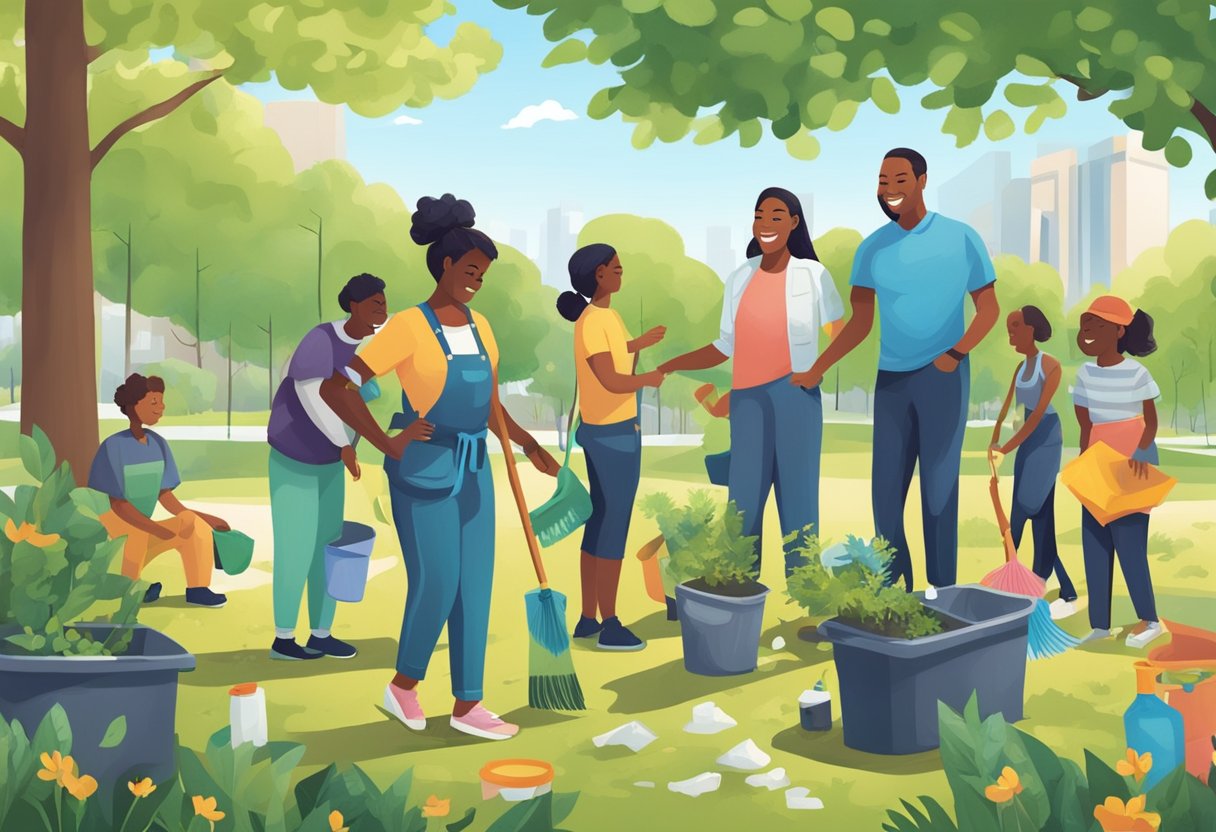
Community engagement galvanizes our collective strength by channeling efforts towards positive social impacts through volunteering and group initiatives.
Volunteering and Public Service
We find purpose and drive in offering our time and skills to community projects and public health initiatives. From neighborhood cleanups to providing meals for those in need, we see firsthand how these service acts strengthen our society’s fabric. In the United States, many of us discover the joy of giving back through various avenues, including local churches, non-profits, and public health organizations.
- Our Actions:
- Health screenings at community centers
- Mentoring the youth
- Fundraising for medical research
We know these contributions also nurture our sense of belonging and reinforce the ties that bind us as a community.
Participating in Group Activities
The benefits extend beyond mere socializing when we join a social group or community club. Group activities foster collaboration and offer diverse perspectives that enrich our understanding. They are a powerful medium for community building and enable us to address communal needs collectively.
- Group Endeavors:
- Educational Workshops: Sharing knowledge in a particular domain
- Civic Engagement: Participating in local elections and forums
- Environmental Conservation: Collaborative efforts for a greener neighborhood
These shared experiences amplify our social contributions and cement our commitment to the community’s welfare. Through these group activities, we harness our collective potential for meaningful change.
Lifestyle and Connection
Our lifestyles deeply influence our ability to forge and sustain connections that bring fulfillment. By engaging in shared activities and embracing new experiences, we enhance our quality of life and expand our horizons of understanding and camaraderie.
Hobbies and Shared Interests
Participating in hobbies provides a platform to meet others with similar interests, creating a natural basis for thriving relationships. Whether joining a book club, attending a pottery class, or playing a team sport, these activities offer common ground for conversations and bonding. Our hobbies reflect our values and often lead to interactions beyond the surface, contributing significantly to personal fulfillment and self-development.
- Benefits of Shared Hobbies:
- Enhanced Social Bonds: Regular interaction with like-minded individuals.
- Increased Personal Growth: Learning and skill development alongside others.
- Alignment of Values: Mutual understanding through shared activities.
Travel and New Experiences
Travel opens doors to new experiences and the possibility of creating connections far beyond our home environment. When we step out of our comfort zones and into different cultures, we learn about the world and share parts of ourselves with others. Each trip is an opportunity for vacation and education, allowing for personal growth that resonates with our desire for a richer life.
- Impact of Travel on Connection:
- Cultural Insight: Engaging directly with diverse lifestyles and traditions.
- Memorable Bonds: Forging friendships in unique and unforgettable settings.
- Self-Reflection: Understanding our place in the world through exploration.
By integrating our passions and willingness to explore with the pursuit of connecting with others, we enrich our lives with meaningful relationships and experiences.
Final Thoughts…
In our journey to forge stronger bonds, we recognize the power of genuine engagement. Our ability to connect deeply stems from shared experiences, active listening, and heartfelt empathy.
- Engagement: Reach out through meaningful conversations.
- Empathy: Put yourself in others’ shoes to understand their perspectives.
- Shared Experiences: Find common ground to build trust.
Technology offers us incredible platforms to maintain and enhance our relationships. We can create communities and link arms with others across distances through online interactions. We must embrace these tools to sustain our ties and support each other.
Obstacles present opportunities to display resilience and to encourage others. As survivors, we embody the courage from facing and overcoming life’s harshest trials. Our stories, filled with determination, can uplift and inspire.
- Remember, every connection holds the potential to change lives.
- Our shared narratives are the bedrock of robust relationships.
May we continue to build bridges of understanding, celebrate diversity in our connections, and approach each interaction with an open heart. Here, we stand united, ready to support and grow alongside each other in triumph and challenge. -T
Frequently Asked Questions
What are effective strategies for networking in the workplace?
We can enhance workplace networking by engaging in meaningful conversations and showing genuine interest in colleagues’ projects. Attending team events and volunteering for collaborative tasks also pave the way for deeper professional relationships.
What activities help in strengthening connections at a networking event?
At networking events, we engage others by sharing insights relevant to our industry and listening actively to their experiences. Participating in ice-breaker activities and roundtable discussions often leads to more substantive connections.
How can educators foster a sense of community and connectedness in the classroom?
We foster classroom community by creating activities inviting students to discuss their values and interests, tying them back to the curriculum. This allows us to link academic goals with personal development, encouraging a supportive learning environment.
What are the key benefits of establishing strong business relationships?
Solid business relationships grant us greater access to new opportunities and resources. They also provide a platform for collaboration that can lead to innovative solutions and shared success.
What steps can be taken to initiate and nurture professional connections?
We initiate connections by reaching out through social platforms or at events and expressing a desire to learn from other’s expertise. To nurture these relationships, we stay in touch, offer support, and celebrate their accomplishments.
What are the best practices for maintaining long-term professional relationships?
Frequent communication and mutual respect are core to maintaining long-term connections. We ensure our interactions are reciprocal, offering value and appreciation in our ongoing professional dialogs.
