

Cancer Survivorship and the Power of Community Support

Cancer is a disease that affects millions of people worldwide. For those who have been diagnosed with cancer, it can be a life-altering experience that changes the way they view the world.
Connecting souls through cancer survivorship is a powerful way to help others diagnosed with this disease. As survivors, we have a unique perspective that allows us to understand the emotional and physical toll that cancer can take on a person.
As cancer survivors, we understand the impact that this diagnosis can have on our lives. We have been through the ups and downs of diagnosis, treatment, and recovery, and we know firsthand the challenges that come with cancer survivorship.
By sharing our stories and experiences, we can provide hope, comfort, and support to those who are going through similar struggles. We can help them navigate the challenges of diagnosis, treatment, and recovery and help them find the resources and support they need to move forward.
Key Takeaways
- Cancer survivorship is a life-altering experience that can be emotionally and physically challenging.
- As survivors, we have a unique perspective that allows us to connect with others who are going through similar struggles.
- By sharing our stories and experiences, we can provide cancer survivors hope, comfort, and support.
Understanding Cancer Survivorship
As cancer survivors, we understand the challenges that come with the journey. Survivorship is the phase of the cancer journey that begins after treatment and lasts for the rest of our lives. During this phase, we may still experience the physical, emotional, and psychological effects of cancer and its treatment.
Cancer survivorship care is an essential part of the journey. It involves providing care and support to cancer survivors to help them manage the long-term effects of cancer and its treatment. Survivorship care guidelines provide a framework for healthcare providers to deliver comprehensive, patient-centered care to cancer survivors.
Survivorship care plans are an essential component of survivorship care. They provide a roadmap for cancer survivors to manage their health and well-being after treatment. Survivorship care plans include information about the cancer diagnosis, treatment received, potential long-term effects, and recommendations for follow-up care.
Patient-centered survivorship care is critical for cancer survivors with multiple chronic conditions. It involves understanding the key elements of the survivorship care planning process, such as patient-centered communication and health self-efficacy. Survivorship care plans can help improve care coordination between oncology and primary care and enhance provider-patient communication during the transition into post-treatment care.
Cancer survivorship is a challenging journey that requires ongoing care and support. Survivorship care guidelines and care plans provide a framework for healthcare providers to deliver comprehensive, patient-centered care to cancer survivors. As cancer survivors, we must take an active role in managing our health and well-being, and survivorship care plans can help us achieve this goal.
Diagnosis and Treatment
As cancer survivors, we understand the fear and uncertainty that comes with a cancer diagnosis. The journey from diagnosis to post-treatment can be a daunting one. Still, with the correct information and support, it is possible to overcome the challenges that come with a cancer diagnosis.
Cancer Types
Cancer is a complex disease that can affect any part of the body. Some of the most common cancer types include prostate cancer, breast cancer, colorectal cancer, and head and neck cancer. Each type of cancer has its unique symptoms and treatment options, so it’s important to work closely with your healthcare team to determine the best course of action.
Treatment and Aftercare
Cancer treatment can involve a combination of surgery, chemotherapy, radiation therapy, and other therapies. Treatment aims to remove or destroy cancer cells while minimizing damage to healthy cells. After treatment, follow-up care is essential to monitor for any signs of recurrence and manage any side effects.
Early Detection and Screening
Early detection and screening are critical in the fight against cancer. Regular check-ups and cancer screenings can help detect cancer in its early stages when it is most treatable. Screening tests can vary depending on the type of cancer, but some common tests include mammograms, colonoscopies, and Pap tests.
As cancer survivors, we know firsthand the challenges that come with a cancer diagnosis and treatment. That’s why we encourage everyone to participate actively in their cancer care. By working closely with your healthcare team and staying informed about your treatment options, you can take control of your cancer journey and move forward with confidence.
Coping and Quality of Life
As cancer survivors, we know that coping with the disease and its treatment can be challenging. It can significantly impact our quality of life and overall well-being. However, there are ways to manage the psychosocial effects of cancer and maintain a healthy lifestyle.
Mental Health and Support
Cancer diagnosis can cause anxiety, depression, and distress. It is essential to seek professional mental health support to manage these emotions. Support groups and social support can also help cope with the challenges of cancer survivorship. Finding a support group that fits your needs and preferences is crucial.
Lifestyle and Well-being
Maintaining a healthy lifestyle can positively impact our quality of life. It is essential to have a balanced diet, regular exercise, and enough sleep. Engaging in enjoyable physical activities can help us feel better and reduce stress levels. Practicing mindfulness and relaxation techniques can help manage stress and anxiety.
In conclusion, coping with cancer and maintaining a high quality of life is possible. Seeking mental health support, finding the right support group, and maintaining a healthy lifestyle can significantly affect our overall well-being. As cancer survivors, we understand the challenges of survivorship, and we are here to support each other.
Resources and Support Services
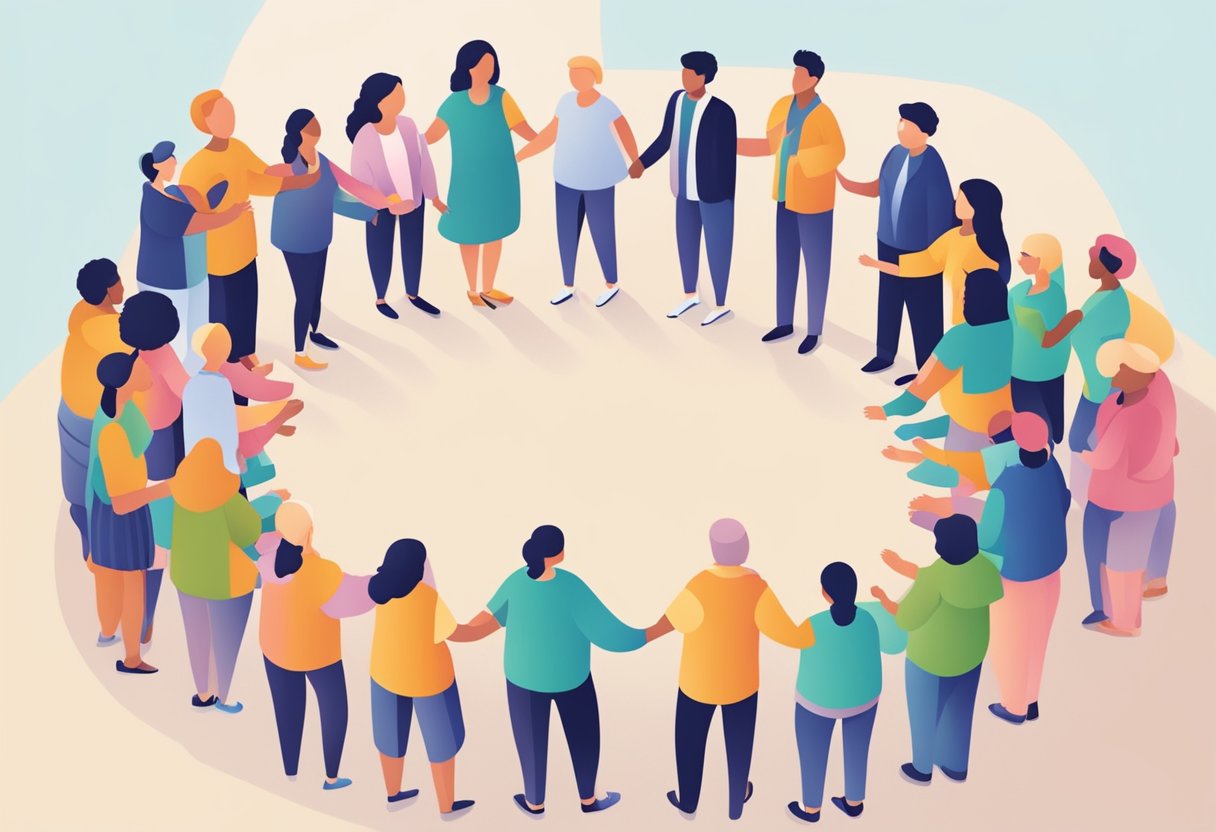
As cancer survivors, we know firsthand how challenging it can be to navigate the healthcare system and cope with the emotional and physical effects of cancer. That’s why it’s crucial to have access to resources and support services that can help us during our survivorship journey.
Organizations and Programs
One of the most valuable resources available to cancer survivors is the American Cancer Society (ACS). The ACS offers a variety of programs and services, including survivorship care guidelines for specific cancer types and nutrition and physical activity guidelines. They also have a Survivorship Resource Center, a collaboration between the ACS and the George Washington University Cancer Institute. This center provides information and resources to help survivors and their families navigate the challenges of survivorship.
Another organization that supports cancer survivors is the National Cancer Survivorship Resource Center (The Survivorship Center). This organization is funded by the Centers for Disease Control and Prevention and provides resources and information to help survivors and their caregivers navigate the survivorship journey.
Healthcare Providers and Caregivers
In addition to organizations and programs, healthcare providers and caregivers support cancer survivors. Primary care providers and oncology specialists can help survivors manage their physical and emotional health, monitor for recurrence, and provide ongoing survivorship care. Whether family members or professional caregivers, caregivers can provide emotional support and help with daily activities.
It’s essential to have open and honest communication with healthcare providers and caregivers to ensure that survivors receive the care and support they need. Survivors should feel comfortable asking questions, expressing their concerns, and advocating for their needs.
Cancer survivorship can be a challenging journey, but there are resources and support services available to help us navigate the challenges. By taking advantage of these resources and working closely with healthcare providers and caregivers, we can improve our physical and emotional well-being and live fulfilling lives as cancer survivors.
Survivorship Care Planning

As cancer survivors, we know that the journey does not end after treatment. Survivorship care planning is an essential part of ensuring that we receive the proper care and support we need to thrive after cancer.
Survivorship care plans (SCPs) are documents that provide a summary of our cancer treatment, as well as recommendations for follow-up care. SCPs include information about the potential long-term effects of treatment and suggestions for healthy living. They also outlined a plan for regular check-ups and recommended tests to monitor our health.
Transitioning from cancer treatment to survivorship care can be overwhelming, and that’s where care coordination and patient navigation come in. These services help us navigate the healthcare system and connect with the resources we need to manage our care effectively.
SCPs are not only beneficial for patients, but they also improve communication between healthcare providers. Having a clear and concise plan, our primary care providers and specialists can work together to ensure we receive the best possible care.
Survivorship care planning is crucial to our cancer journey. It gives us the necessary tools to manage our health and well-being after treatment. Let us work with our healthcare providers to create a personalized plan that addresses our unique needs and helps us live our best lives.
Research and Policies
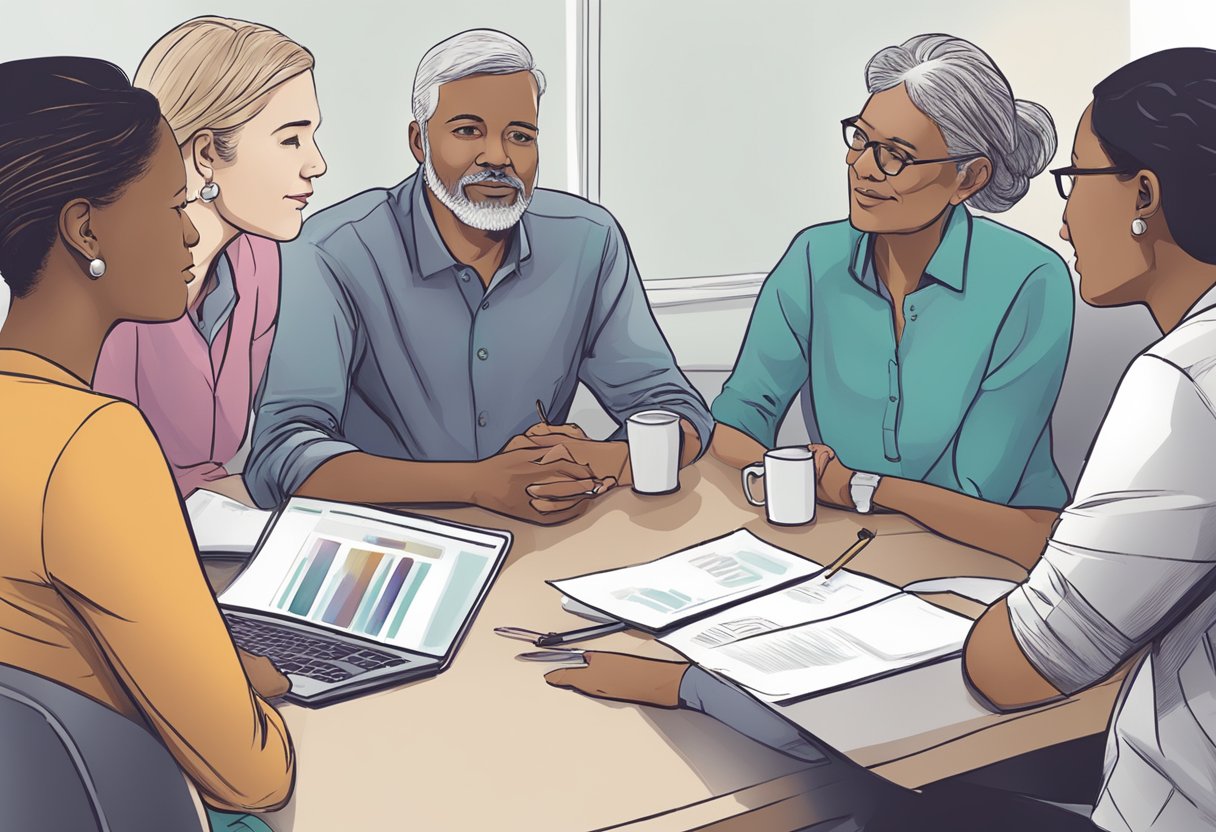
As cancer survivors, we know firsthand the challenges and triumphs of navigating the road to recovery. We are grateful for the ongoing research and evidence-based practices helping us and future survivors live healthier, more fulfilling lives.
Research and Evidence-based Practices
Researchers are constantly working to improve our understanding of cancer survivorship. They study social well-being, resilience, and outcomes that matter most to survivors and health system stakeholders. One study published in the National Library of Medicine found that survivors with a strong social support system reported better social well-being. Another study identified stakeholder-relevant outcomes pertinent to post-treatment follow-up care interventions.
Dissemination of research findings is critical to ensuring that survivors and healthcare providers have access to the latest evidence-based practices. One example of this is the development of clinical follow-up care guidelines and survivorship care guidelines. These guidelines are designed to help healthcare providers deliver high-quality, coordinated care to survivors.
Policies and Guidelines
Policies and guidelines are essential in ensuring survivors receive the care and support they need. For example, the Office of Cancer Survivorship brings together stakeholders to explore areas of high priority for research in specific survivor populations. They also work to improve the lives of all cancer survivors through policy development and advocacy efforts.
Clinical follow-up and survivorship care guidelines also provide a framework for healthcare providers to deliver comprehensive care to survivors. These guidelines cover topics such as surveillance for recurrence, management of long-term and late effects, and psychosocial support.
Ongoing research, evidence-based practices, policies, and guidelines are essential to improving cancer survivorship. As survivors, we are grateful for the hard work and dedication of researchers, healthcare providers, and policymakers who work to make a difference in our lives and the lives of future survivors. -T
Frequently Asked Questions
What are some survivorship programs available for cancer patients?
As cancer survivors, we understand that survivorship can be a challenging journey. Fortunately, many survivorship programs are available to help support us along the way. At Siteman Cancer Center, we offer a variety of programs, including exercise and nutrition programs, integrative therapies, and support groups. These programs are designed to help cancer survivors manage survivorship’s physical and emotional challenges.
What support groups are available for cancer survivors at Siteman Cancer Center?
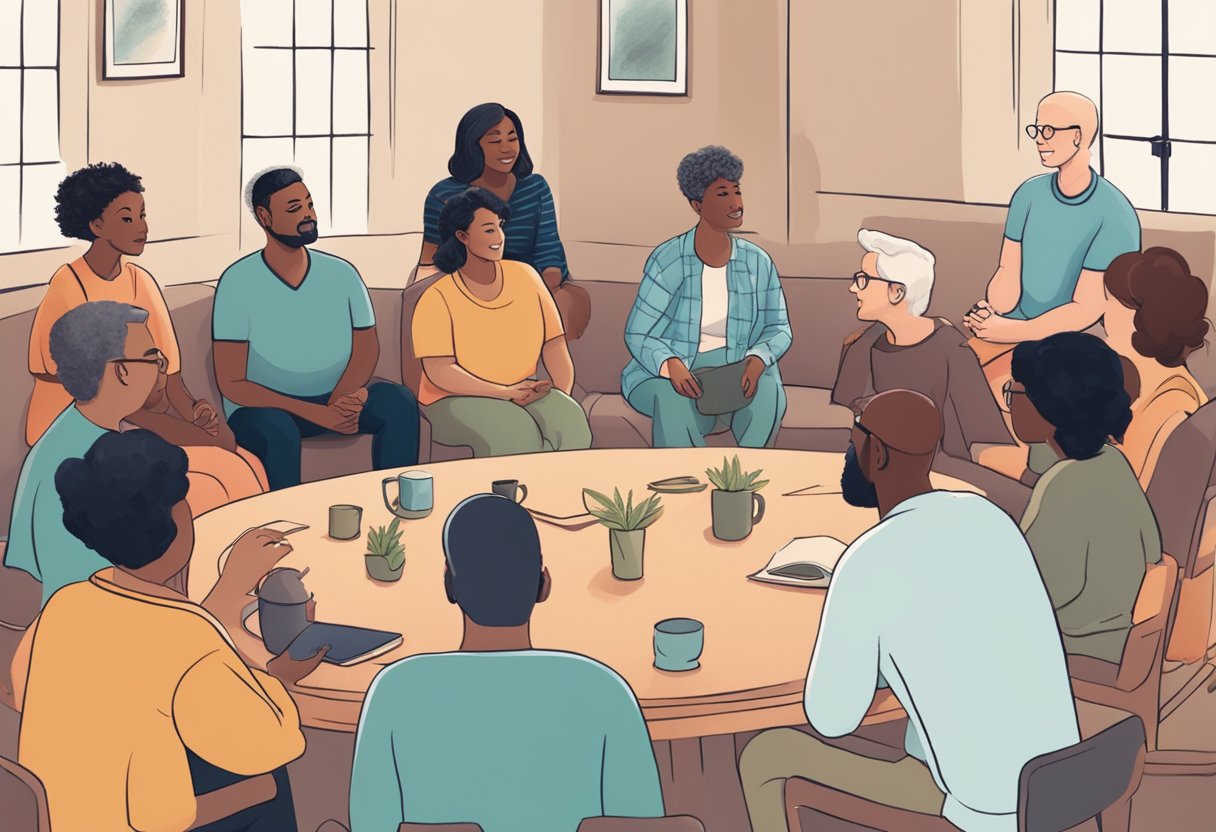
Connecting with other cancer survivors can be a powerful way to cope with the challenges of survivorship. At Siteman Cancer Center, we offer a variety of support groups for cancer survivors. Trained facilitators lead these groups and provide a safe and supportive environment for sharing experiences and emotions. Some of the support groups we offer include breast cancer support groups, prostate cancer support groups, and general cancer survivor support groups.
What counseling services are available for cancer survivors at Siteman Cancer Center?
Cancer survivorship can be an emotional rollercoaster, and it’s important to have access to counseling services if needed. At Siteman Cancer Center, we offer counseling services for cancer survivors and their families. Our licensed counselors provide individual and family counseling to help survivors cope with the emotional challenges of survivorship.
How do cancer survivors deal with the emotional and physical challenges of survivorship?
As cancer survivors, we know that the emotional and physical challenges of survivorship can be difficult to manage. Some strategies may help include staying physically active, eating a healthy diet, getting enough rest, and connecting with other cancer survivors. It’s also important to communicate openly with your healthcare team and seek support when needed.
What are some success stories of individuals who have survived stage 4 cancer?
As cancer survivors, we are inspired by the stories of others who have survived stage 4 cancer. While every survivor’s journey is unique, some common themes among successful survivors include a positive attitude, a strong support system, and a willingness to try new treatments and therapies. It’s important to remember that survivorship is possible and that each day is a new opportunity for hope and healing.
What are the key elements of successful cancer survivorship?
Successful cancer survivorship involves a holistic approach to care that addresses survivors’ physical, emotional, and social needs. Triumphant survivorship includes regular follow-up care, healthy lifestyle habits, emotional support, and access to survivorship programs and services. By taking a proactive approach to survivorship, we can live fulfilling and meaningful lives beyond cancer.
