

A Guide to Thriving After Cancer

We, as cancer survivors, know firsthand the challenges that come with a cancer diagnosis and the journey of survivorship. The experience can be physically and emotionally draining, and it requires a level of courage and resilience that many of us didn’t know we had. But we also know that it is possible to not only survive but thrive after cancer.
Understanding cancer survivorship is a crucial aspect of this journey. It involves the process of living with, through, and beyond cancer.
The process can be complex and challenging, as it involves physical recovery and psychological and emotional healing. The psychological impact of cancer and survivorship can be significant, and it is essential to have coping mechanisms and emotional regulation techniques to help navigate the journey.
Key Takeaways
- Cancer survivorship is a complex journey that requires courage and resilience.
- Understanding survivorship involves physical, psychological, and emotional healing.
- Coping mechanisms, emotional regulation, and social support are essential for survivorship.
Understanding Cancer Survivorship
As cancer survivors, we know firsthand the physical, emotional, and psychological toll that cancer can take on our lives. Cancer survivorship refers to the period of time after a cancer diagnosis and treatment. It is a journey that can be filled with challenges, uncertainties, hope, and resilience.
According to the American Cancer Society, there are currently more than 16 million cancer survivors in the United States alone. This number is expected to grow as advances in cancer treatment and early detection continue to improve. However, it is essential to note that survivorship has its challenges.
Cancer survivors may experience a range of physical and emotional side effects from treatment, including fatigue, pain, anxiety, and depression. These side effects can impact our daily lives and require ongoing support and care. Cancer survivors must work closely with their healthcare providers to manage these side effects and maintain their overall health and well-being.
Survivorship also involves adjusting to a “new normal” after cancer treatment. This may include lifestyle changes, such as adopting a healthier diet and exercise routine and managing ongoing medical care and follow-up appointments. We must actively participate in our survivorship and advocate for our needs and preferences.
While cancer survivorship can be challenging, it is also a time of hope and resilience. As survivors, we can share our experiences and support others going through a similar journey. We can also take steps to promote our well-being, such as engaging in self-care activities and seeking out support from loved ones and healthcare providers.
Cancer survivorship is a journey that requires courage, resilience, and ongoing support. By working closely with our healthcare providers and taking an active role in our survivorship, we can continue to thrive and live our lives to the fullest.
The Process and Challenges of Survivorship
Surviving cancer is a life-altering experience that comes with its own set of challenges. The survivorship process begins with the transition from active treatment to post-treatment survivorship. We may experience various emotions during this time, including fear, anxiety, and uncertainty. It is important to remember that these feelings are normal and that we are not alone in this journey.
The re-entry period can be particularly challenging as we readjust our daily lives. We may feel like we are starting over, which can be overwhelming. It is essential to take things one day at a time and to be patient with ourselves. We may need to adjust our routines and expectations as we navigate this new phase of our lives.
One of the biggest challenges of survivorship is dealing with the physical and emotional side effects of cancer treatment. These can include fatigue, pain, and anxiety. Communicating with our healthcare team about any side effects we may be experiencing is essential. They can provide us with resources and support to help us manage these symptoms.
Another challenge of survivorship is the fear of recurrence. It is common to worry about cancer coming back, but it is essential to remember that our cancer diagnosis does not define us. We can take steps to reduce our risk of recurrence, such as maintaining a healthy lifestyle and attending regular follow-up appointments with our healthcare team.
In conclusion, the survivorship process can be challenging but also an opportunity for growth and resilience. We must be kind to ourselves and seek support when we need it. We can thrive in our post-cancer lives by taking an active role in our healthcare and focusing on our physical and emotional well-being.
Psychological Impact of Cancer and Survivorship
As cancer survivors, we know firsthand the psychological impact of cancer and survivorship. The trauma of a cancer diagnosis and treatment can cause emotional distress, anxiety, and depression. We may experience post-traumatic stress disorder (PTSD) or post-traumatic stress disorder (PTSD) symptoms, such as flashbacks or nightmares. The stressors associated with cancer, such as uncertainty and worry, can be overwhelming.
During our cancer journey, we may have experienced a range of emotions, including fear, anger, and sadness. We may have felt isolated or alone, struggling to find support. Even after treatment ends, the emotional impact of cancer can persist. We may continue to experience anxiety about recurrence or worry about the long-term effects of treatment.
It’s essential to recognize that these emotions are normal and valid. As survivors, we have shown courageous resilience in the face of adversity. However, it’s also essential to seek support when needed. This may include talking to a therapist, joining a support group, or finding other ways to connect with fellow survivors.
In addition to emotional support, there are practical steps we can take to manage the psychological impact of cancer and survivorship. This may include practicing mindfulness or meditation, exercising regularly, or finding creative outlets for self-expression.
Ultimately, the psychological impact of cancer and survivorship is complex and multifaceted. As survivors, we must be kind and compassionate with ourselves, acknowledging the challenges we have faced while also celebrating our strength and resilience.
Coping Mechanisms and Emotional Regulation

As cancer survivors, we know that coping mechanisms and emotional regulation are essential tools to navigate the ups and downs of survivorship. Coping mechanisms refer to the various ways we deal with stressful situations.
These can be problem-focused coping, where we take action to address the source of stress, or emotion-focused coping, where we manage our emotions to reduce the impact of stress.
Emotion regulation is a critical aspect of coping, and it involves the ability to manage and control our emotional expression. It is important to note that emotional regulation does not mean suppressing or ignoring our emotions. Instead, it is about finding healthy ways to express and cope with our feelings.
One way to regulate our emotions is through mindfulness meditation. Research has shown that mindfulness can reduce anxiety and depression, improve sleep quality, and enhance overall well-being. Another effective coping mechanism is cognitive-behavioral therapy (CBT), which helps us identify and change negative thought patterns that can lead to emotional distress.
It is also crucial to have a support system in place. This can include family, friends, support groups, or professional counseling. Talking to others who have been through similar experiences can be incredibly helpful in reducing feelings of isolation and providing a sense of community.
Coping mechanisms and emotional regulation are essential tools for cancer survivors to navigate the challenges of survivorship. Utilizing these tools and seeking support when needed can enhance our resilience and improve our overall well-being.
The Role of Social Support and Relationships
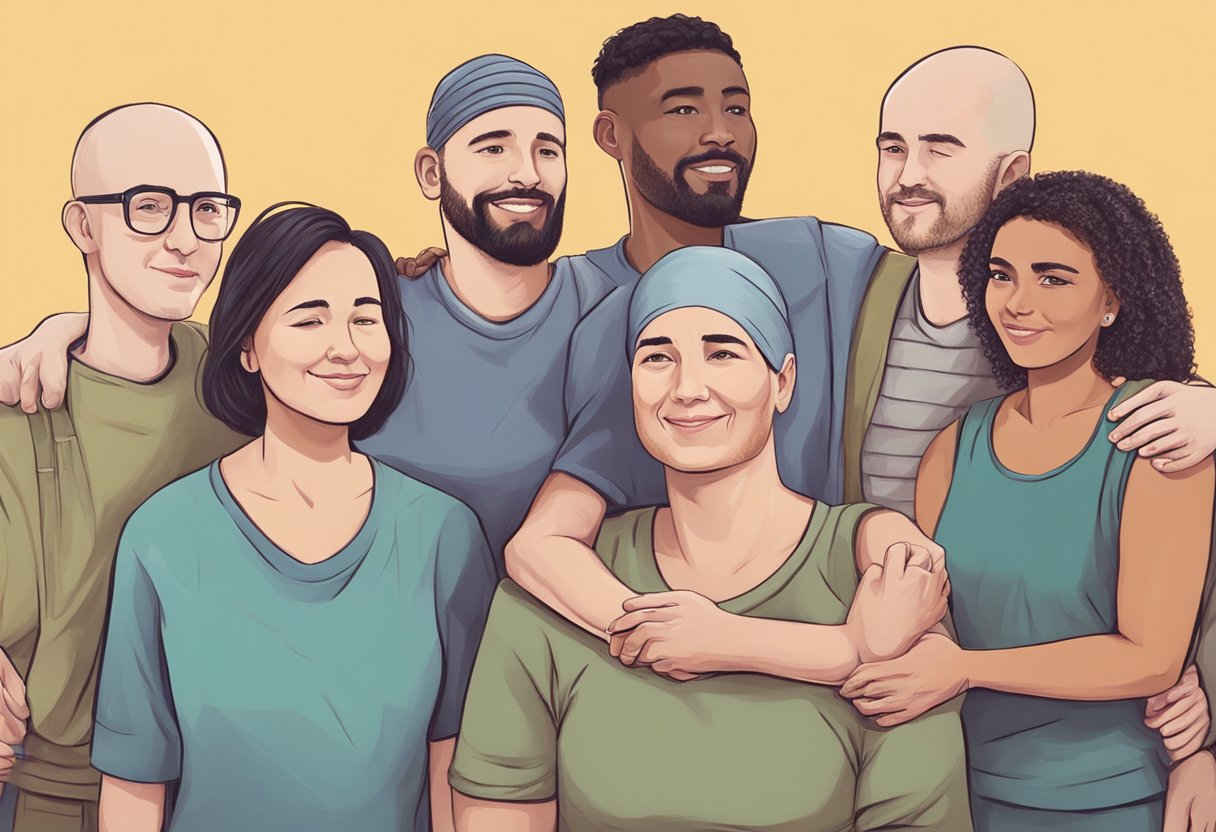
As cancer survivors, we understand the importance of social support and relationships during our journey. Social support is the foundation of our resilience. It helps us cope with the physical, emotional, and psychological challenges of cancer.
The relationships we build with our caregivers, family, and friends are crucial to our overall well-being. They provide us with a sense of belonging, love, and security. A robust support system makes us feel less isolated and more connected to the world.
It’s important to note that social support is not just about having people around us. It’s about the quality of those relationships. We need empathetic and caring people who understand what we’re going through and can provide practical and emotional support.
As cancer survivors, we also know the importance of maintaining our social functioning and social satisfaction. Cancer can take a toll on our relationships, and it’s essential to work on rebuilding them. We need to communicate our needs and feelings to our loved ones, and we need to be open to their needs and feelings as well.
Our relationships with our parents can also be affected by cancer. As survivors, we may feel the need to protect our parents from our struggles, but it’s important to remember that they are also going through a difficult time. We need to be open and honest with them, and we need to support each other through the ups and downs of cancer survivorship.
Social support and relationships play a crucial role in our courageous resilience as cancer survivors. We need to surround ourselves with people who understand and support us and work on maintaining our social functioning and satisfaction. Together, we can overcome the challenges of cancer and thrive in our survivorship.
Impact on Quality of Life and Well-Being

As cancer survivors, we know firsthand the impact that a cancer diagnosis can have on our quality of life and well-being. The physical and emotional toll of cancer treatment can be overwhelming, leaving us feeling drained and depleted. However, we can overcome these challenges and thrive in our survivorship with courageous resilience.
One of the most significant impacts of cancer on our quality of life is our health-related quality of life. Cancer treatment can cause physical symptoms such as fatigue, pain, and nausea, which can significantly impact our ability to function and enjoy life. However, by taking an active role in our survivorship and focusing on our physical well-being, we can improve our health-related quality of life and regain our strength and vitality.
In addition to our physical well-being, cancer can also impact our spiritual well-being. Many of us question our faith and search for meaning and purpose in our survivorship. We can find peace and fulfillment in our survivorship journey by focusing on our spiritual well-being and connecting with our inner selves and our higher power.
Finally, it is essential to remember that cancer can impact both our physical and mental health. Many of us struggle with anxiety, depression, and other mental health issues as a result of our cancer diagnosis and treatment. We can improve our mental health and overall well-being by seeking support and utilizing resources such as counseling and support groups.
The impact of cancer on our quality of life and well-being can be significant. However, with courageous resilience and a focus on our physical, spiritual, and mental well-being, we can overcome these challenges and thrive in our survivorship.
Healthcare and Supportive Care for Survivors

As survivors, we understand the importance of healthcare and supportive care in our journey toward recovery. The care we receive from clinicians and healthcare professionals is crucial in helping us manage the physical and emotional challenges that come with cancer treatment.
During treatment, we rely on healthcare professionals to guide us through the process, provide the necessary information, and support us in making the best decisions for our health. We appreciate when clinicians take the time to explain the treatment options available to us, the potential side effects, and the expected outcomes. We also value it when they listen to our concerns and answer our questions.
Supportive care is equally essential in our survivorship journey. It helps us manage the physical and emotional symptoms that come with cancer treatment, such as pain, fatigue, anxiety, and depression. Supportive care can include a variety of interventions, such as medication, counseling, exercise, and nutrition. We appreciate when healthcare professionals take a holistic approach to our care, recognizing the interconnectedness of our physical and emotional well-being.
We also value the support we receive from fellow survivors and support groups. These groups provide us with community, understanding, and hope. We appreciate healthcare professionals connecting us with these resources and encouraging us to participate.
Healthcare and supportive care play a vital role in our survivorship journey. We value the care we receive from clinicians and healthcare professionals and the support we receive from fellow survivors and support groups. We encourage healthcare professionals to take a holistic approach to our care, recognizing the interconnectedness of our physical and emotional well-being.
Research and Future Perspectives

We have come a long way in understanding the importance of resilience in cancer survivorship. Researchers have conducted numerous studies to explore the factors contributing to a resilient mindset in cancer survivors. These studies have highlighted the importance of social support, self-efficacy, and positive coping strategies in promoting resilience.
One study published in the Journal of Cancer Survivorship found that survivors who received social support reported greater resilience and better quality of life. Another study published in the same journal emphasized the importance of positive coping strategies, such as seeking emotional support, in promoting resilience among survivors.
As survivors, we have firsthand knowledge of the challenges that come with a cancer diagnosis. We know that it takes courage and determination to face the physical and emotional toll of cancer treatment. However, we also know that with the right support and mindset, it is possible to overcome these challenges and emerge stronger on the other side.
Looking to the future, we must continue to build on our knowledge of resilience in cancer survivorship. By conducting further research, we can better understand the factors that contribute to resilience and develop more effective interventions to support survivors.
While much progress has been made in understanding the role of resilience in cancer survivorship, much work remains to be done. By working together and continuing to build on our knowledge, we can help ensure survivors receive the support they need to thrive in adversity. -T
Frequently Asked Questions
What are some long-term effects of cancer treatment?
As cancer survivors, we know that the journey does not end with the completion of treatment. While the goal of treatment is to eradicate cancer, it can also leave lasting physical and emotional effects. Some common long-term effects of cancer treatment include fatigue, neuropathy, lymphedema, and cognitive changes. Communicating with your healthcare provider about any symptoms that persist after treatment is essential. They can help determine if the symptoms are related to treatment and provide resources to manage them.
What are some resources for cancer survivors?
There are many resources available for cancer survivors. The National Cancer Institute provides resources, including support groups, financial assistance, and educational materials. CancerCare is another organization that offers free support services to cancer patients and their families. Additionally, many hospitals and cancer centers have survivorship programs that provide resources and support for survivors.
How can I support a friend or family member who is a cancer survivor?
Supporting a loved one who is a cancer survivor can be challenging, but it is essential to be there for them. One way to support them is to listen to their needs and concerns. Offer to attend doctor’s appointments with them or help with household tasks. Encourage them to participate in survivorship programs or support groups. It is also essential to be patient and understanding as they navigate life after cancer.
What are some common emotional challenges faced by cancer survivors?
Cancer can have a significant emotional impact on survivors. Many survivors experience anxiety, depression, and fear of recurrence. It is essential to seek support from mental health professionals or support groups to manage these emotions. Mindfulness practices like meditation and yoga can also help address emotional challenges.
What are some ways to maintain a healthy lifestyle after cancer treatment?
Maintaining a healthy lifestyle after cancer treatment is crucial for survivors. Eating a balanced diet, getting regular exercise, and avoiding tobacco and excessive alcohol consumption can help reduce the risk of cancer recurrence and improve overall health. Communicating with healthcare providers about any lifestyle changes and follow-up care is also essential.
What are some financial challenges faced by cancer survivors?
Cancer treatment can be expensive, and survivors may face financial challenges. Some survivors may have difficulty returning to work or may experience discrimination in the workplace. Communicating with healthcare providers and seeking financial assistance through organizations such as CancerCare or the American Cancer Society is essential. Additionally, survivors may be eligible for disability benefits or other financial aid.
