

Navigating the Psychological Effects of Traumatic Events

Emotional aftermath often follows the turbulent journey of experiencing and recovering from trauma. Trauma shakes your sense of security and can make you feel isolated in a world perceived as threatening.
It’s a deeply personal and distressing experience, resonating differently with each individual, affecting not only your mental and emotional well-being but echoing through your physical health as well.
For many, including men who have valiantly battled illnesses like lymphoma, the end of treatment can unexpectedly usher in a period of psychological struggle, marked by feelings of demotivation and uncertainty about the future.
As you navigate this complex terrain, understanding the multifaceted nature of your emotions becomes vital to your healing. Gauging the emotional responses and recognizing their impact on your daily life empowers you to take active steps toward recovery.
Support plays an instrumental role, offering a foundation you can rely upon as you explore coping mechanisms that foster resilience and personal growth. Sharing your own experiences can destigmatize the conversation around the emotional consequences of trauma, encouraging others in similar situations to reach out.
Key Takeaways
- Emotional aftermath is a multifaceted response to trauma that can affect all areas of life.
- Recognizing and addressing emotional responses facilitates a proactive approach to healing.
- Support and sharing experiences can help mitigate the feelings of isolation post-trauma.
Understanding Trauma and Its Effects
Trauma reshapes your view of the world; it can dismantle your sense of security, leaving you feeling vulnerable and exposed. Let’s explore its nature and impact, mainly focusing on the challenges faced by men who have been through the crucible of traumatic events.
Differentiating Traumatic Stress and PTSD
Traumatic stress is a normal reaction to an abnormal event. It’s acute and directly tied to the experience, manifesting in heightened alertness or avoidance behaviors. For instance, after surviving lymphoma, you might notice an intense agitation when visiting hospitals—places that otherwise would seem banal. With time, most individuals see these responses diminish. However, when these reactions persist and disrupt daily life, they may escalate to Post-Traumatic Stress Disorder (PTSD), a condition marked by long-term psychological distress. PTSD is not a sign of weakness; it’s a reflection of the profound impact that a terrifying ordeal can have on your psyche.
Symptoms of Post-Traumatic Stress Disorder
The symptoms of PTSD can be persistent and disruptive. You may encounter:
- Intrusive Memories: Repeated, involuntary memories, distressing dreams, or flashbacks of the traumatic event. Reliving the lymphoma diagnosis might be a common interruption in your day-to-day life.
- Avoidance: Steering clear of places, activities, or people that remind you of the trauma. You may find yourself avoiding discussions about health or feeling a chill down your spine at the mention of chemotherapy.
- Changes in Mood and Thinking: Negative thoughts about yourself or the world, feelings of hopelessness—symbols of demoralization that men, aiming to uphold a façade of stoicism, often mask.
- Alterations in Emotional Reactions: Known as arousal symptoms, these can include being easily startled, feeling tense, having difficulty sleeping, or experiencing outbursts of anger.
Understanding trauma and its effects is crucial. As a two-time lymphoma survivor, you might grapple with these symptoms while striving to regain a semblance of the life you led before cancer. Remember, support is available, and with time and effort, healing is achievable.
The Emotional Responses to Trauma
Trauma often leaves a complex trail of emotional reactions, redefining your path to healing and survival. These emotions can range from grief to guilt, affecting every aspect of life.
Processing Grief and Loss
After a traumatic event, you may experience a profound sense of grief and loss. This is not limited to the loss of loved ones but also extends to the loss of your sense of safety and normalcy. Grief can manifest as profound sadness, emptiness, and, at times, a sense of yearning. The journey through grief is unique for everyone, following no strict timeline or pattern.
- Acceptance: Recognize that grief is a natural reaction.
- Expression: Find ways to articulate your pain through art, writing, or conversation.
Navigating Anger and Guilt
In dealing with trauma, anger often serves as a protective layer, masking deeper emotions like fear or powerlessness. As a lymphoma survivor, you understand that anger can be a double-edged sword. It provides a temporary strength yet holds the potential to isolate. Managing anger requires you to identify triggers and implement strategies like deep breathing or physical activity, like a brisk walk or a game of basketball, to vent healthily.
Guilt and shame, on the other hand, might surface if you question your actions during or after the traumatic event. “Could I have done more?” might repeat in your mind. This is especially common in men who often face societal pressures to display resilience and toughness. The survival of a disease like lymphoma can also evoke survivor’s guilt.
- Reflection: Spend time unpacking why you feel guilty and challenge those beliefs.
- Support: Lean on friends, support groups, or therapists who can provide perspective.
Handling these emotions isn’t straightforward, especially for men who might balk at showing vulnerability. Yet, acknowledging and confronting these feelings paves the way for resilience and recovery.
Physical and Mental Health Implications
You might notice that after facing severe health challenges, like surviving lymphoma, your path to recovery involves more than just the physical aspect. Your mental and physical health are deeply entwined, influencing each other in profound ways.
Recognizing Physical Symptoms
Physical symptoms such as fatigue, headaches, and sleep disturbances often accompany mental health struggles like anxiety and depression. As someone who’s endured lymphoma, you may be familiar with the persistent weariness that seems to shadow your steps even after successful treatment. This is not uncommon; many men report these symptoms as part of the emotional aftermath. You need to monitor these changes closely:
- Fatigue: Overwhelming tiredness that doesn’t improve with rest.
- Sleep Issues: Difficulty falling asleep or staying asleep despite exhaustion.
- Other Physical Signs: Changes in appetite and ongoing aches or pains.
The Intersection of Mental Health and Trauma
The impact of trauma, like the experience of battling cancer twice, can lead to a cascade of mental health challenges. You may find yourself on an emotional roller coaster, feeling moments of anxiety that hit you out of nowhere. Depression might set in as you grapple with why this happened to you and face the uncertainties of the future. Let’s break down this intersection:
- Anxiety: You might confront intense, unexpected waves of worry about your health and well-being.
- Depression: It’s not just about feeling sad; it might feel like a profound loss of interest in activities once enjoyed.
Understanding that stress from past trauma can induce such symptoms may guide you toward seeking appropriate support and interventions. Regular physical activity, such as team sports, has shown promising results in bolstering mental health for men, offering both a sense of community and a way to improve physical resilience.
The Healing Journey

The road to recovery after surviving cancer, particularly for men who have battled lymphoma, can be as challenging mentally as it is physically. Reclaiming your sense of self and navigating the emotional landscape post-treatment involves a blend of self-care and professional support.
Embracing the Healing Process
You’ve displayed remarkable strength in the face of lymphoma, not once but twice. That same resilience is central to your emotional recovery. Understand that feelings of demoralization are not a sign of weakness; they are a natural response to your arduous journey. Develop coping skills designed around activities and interests that rekindle your inner vigor. Mindfulness exercises, engaging in fulfilling hobbies, or even finding solace in the serene environment of a fishing trip can be incredibly therapeutic. Remember, healing is not a race but a personal journey that allows you to regain control at your own pace.
Therapeutic Approaches to Recovery
Professional therapy becomes a haven where you can express and process complex emotions. Therapists specialized in cancer recovery can offer treatment modalities tailored to your situation, such as cognitive-behavioral therapy (CBT) or group therapy with fellow survivors. Through therapy, you learn to cultivate coping strategies that resonate with your experiences. Whether it’s a one-on-one session with a psychologist or a support group with peers who truly understand your struggle, these avenues aim to reinforce your resilience and aid you in rebuilding a life marked by growth and hope.
Building a Support System
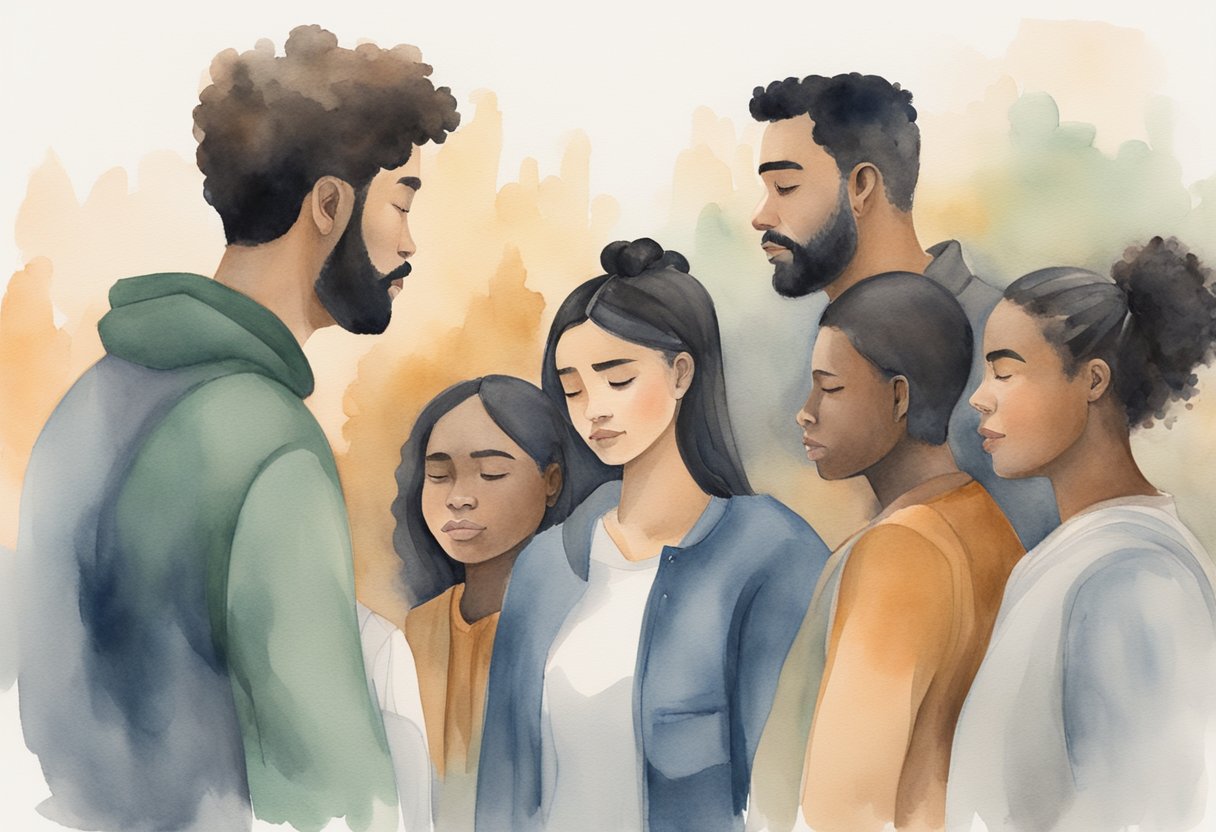
Navigating the emotional aftermath of cancer treatment, you may find strength and solace within a well-structured support system.
Importance of Support Groups
After conquering lymphoma, not once but twice, the path to reclaiming your life can leave you feeling demoralized. Joining a support group provides camaraderie and understanding from peers who have walked similar paths. These groups offer a platform for sharing experiences, coping strategies, and encouragement tailored explicitly to men with cancer. Together, you reinforce resilience and hope, counteracting the solitude that often shadows recovery.
- Discover empathy and shared wisdom through storytelling.
- Exchange practical advice on managing lingering treatment effects.
Role of Mental Health Professionals
Mental health professionals are crucial in your support network, offering a compass to guide you through turbulent emotions. They bring a wealth of knowledge to address the psychological impact of cancer and its treatment, forming a personalized recovery blueprint.
- Receive professional guidance in constructing a life post-cancer that aligns with your renewed priorities.
- Learn techniques from mental health professionals to navigate stressors and enhance well-being.
Coping Mechanisms and Strategies

Coping strategies and mechanisms serve as vital tools you can employ to navigate the emotional landscape following a challenging life event, such as overcoming cancer. They provide a sense of control and can help rebuild your life after treatment.
Developing Healthy Routines
Establishing healthy routines is crucial in regaining stability in your life. Post-treatment, you may feel lost or demoralized, particularly when facing the uncertainty of remission. Here’s where intentional action makes a difference. Consider incorporating regular exercise into your day. A daily walk, for instance, doesn’t just improve your physical well-being; it also creates psychological resilience. For survivors, the routine of physical activity provides a reassuring structure amid life’s unpredictability.
- Weekly Exercise Plan:
- Monday: a 30-minute brisk walk
- Wednesday: Gentle yoga session
- Friday: Strength training exercises
- Daily Action Points:
- Morning: Stretching routine
- Evening: Light activity, such as gardening or a walk
Integrating Mindfulness and Relaxation
Amidst the chaos that sometimes follows recovery, grounding yourself in the present can be deeply therapeutic. Techniques like mindfulness meditation and deep breathing focus your mind and bring a calmness crucial for healing. Remember, as a lymphoma survivor, you’ve weathered severe storms. Guided meditation sessions, even five minutes daily, can significantly bolster your emotional state. It’s not just a practice but a lifeline that offers peace in moments of stress.
- Mindfulness Practice:
- Find a quiet space
- Focus on your breath; inhale deeply and exhale slowly
- Acknowledge your thoughts and gently guide your focus back to your breath
You create a supportive framework for your ongoing recovery and well-being through these exercises and routines. Remember, the path to healing is a journey you don’t have to walk alone.
Life After Trauma: Reintegration and Growth

After experiencing trauma, you stand at a crossroads where two paths unfold before you: one leads to reintegration into life with renewed purpose. At the same time, the other ascends toward unexpected personal growth.
Finding Purpose and Meaning Post-Trauma
Having faced the trials of lymphoma not once but twice, you understand the depths from which one must climb to find purpose again. In the aftermath, you might feel disconnected from the life you once had. Yet, this is the crux where you forge a profound sense of purpose and meaning. You start by setting small, attainable goals. Regardless of scale, each achievement becomes a stepping stone towards a larger vision of who you can become post-trauma. Perhaps it’s mentoring fellow survivors or championing causes that ignite your passion. Remember, your survival itself plants seeds of hope in others.
Restoring Trust and Personal Values
Trust—an anchor tossed into the sea of life—often wavers after trauma. You question not just others but your judgment and your decisions. Rebuilding this trust is akin to physical therapy after an injury; it requires patience, time, and a gradual increase in strength. Personal values serve as a compass here. You reaffirm what matters most to you: integrity, courage, or camaraderie, especially amongst men who might grapple with vulnerability. Gather with those who faced similar battles, join a sports league, or share your journey. Trust is reborn in these actions, and your values are resilient against the storm.
Preventing Complications and Reinjury

After enduring cancer trials, creating a strategy to protect your well-being is crucial. Preventing further health complications and reinjury requires a proactive approach to managing risk factors and establishing supportive environments.
Identifying and Managing Risk Factors
Awareness is your safeguard. Recognizing personal risk factors that could jeopardize your recovery would be best. These include physical strains and emotional stresses that may impair healing and morale. For instance, as a man who has battled lymphoma, be vigilant for signs of fatigue or distress. Participate in regular check-ups and communicate with healthcare providers about any unusual symptoms. Create a robust health plan that addresses the following:
- Nutrition: Choose balanced diets that sustain energy and support immune function.
- Exercise: Engage in regular, moderate physical activities customized to your stamina.
- Rest: Ensure adequate sleep and relaxation to facilitate healing.
Creating Safe Spaces and Boundaries
Your emotional well-being craves a safe space—a personal sanctuary fostering security and calm. Construct this safe space in the physical realm, perhaps a tranquil spot in your home and social interactions, where respect and understanding thrive. Establish and maintain boundaries that guard your peace; this might manifest as dedicated quiet hours or declining strenuous activities.
In your interactions, particularly with fellow men who might be accustomed to a stoic disposition, advocate for honest and supportive dialogues. These interactions contribute to an environment where you can share experiences openly without fearing judgment—a setting where prevention is not a solitary battle. Your health and happiness are best protected in a community that upholds these tenets.
Understanding and Combating Stigma
Contending with the emotional aftermath of any illness can leave you facing an unwelcome opponent: stigma. Your battle may be internal and societal, confronting misconceptions and granting yourself the grace to mend.
Overcoming Societal Misconceptions
Societal View: Often, society casts a shadow over mental health or those recovering from illnesses like cancer, mistaking vulnerability for weakness. This can lead to feelings of embarrassment and isolation. To dismantle these misconceptions, start by recognizing your resilience. As a two-time lymphoma survivor, I’ve felt the sting of such misjudgments and the glaring spotlight it can put on your every action, particularly for men taught to conceal their emotions.
Recognition and Action:
- Speak out against stereotypes that paint survivors as debilitated.
- Share your journey with peers to foster understanding.
- Engage with community support groups that validate your feelings.
Permitting Yourself to Heal
Self-Compassion: Healing requires time and self-compassion. Acknowledge that recovery is not linear and that feeling whole again warrants patience. Permit yourself to take the necessary steps to heal at your own pace.
Healing Strategies:
- Create a balanced routine incorporating physical activity, which for men can be as rewarding as rejoining a local basketball team.
- Acknowledge your progress and setbacks honestly, charting them as part of your healing journey.
You carve out a path toward healing by addressing the twin challenges of external stigma and internal reluctance. Your courage sends a powerful message to fellow men: It’s more than okay to heal openly and lean on others.
Final Thoughts…
Many men who defeat cancer carry the weight of their journey long after treatment concludes, feeling a sense of demoralization from the intense battle they’ve endured. As a two-time lymphoma survivor, I grasp the complexity of emotions that wash over you as you transition from patient to survivor. Your grit and endurance through the relentless cycles of therapy mold you into a beacon of guidance for others walking a similar path.
In my own experience, the cloak of invincibility once worn is traded for a more humble appreciation of life’s fragility. The victories on the field become metaphors for the resilience you’ve shown, and the teamwork in sports mirrors the support network essential during your recovery. Navigating post-treatment life requires the same strategic planning and adaptability that athletes employ.
I’ve found solace in becoming the ally you seek during your most challenging times. Connect with support groups where shared experiences knit a fabric of understanding and camaraderie. Seek restoration in activities that bolster your physical strength and foster a sense of accomplishment, like scoring a goal or winning a match. Remember, the game against cancer is fought both on the physical front and within the arenas of our minds.
Your will has been tested, and despite the scars, remember they are the marks of a survivor, a player who faced a formidable opponent and emerged with new insights and unwavering courage. Lean on your team, draw up your game plan, and step into each day with the confidence of a champion. -T
Frequently Asked Questions
In this section, you’ll find focused answers to commonly asked questions on navigating the emotional landscape post-trauma.
How can one recover from emotional trauma?
Recovery from emotional trauma often involves seeking support and engaging in self-care practices that restore a sense of safety and normalcy. For cancer survivors, such as those who’ve battled lymphoma, recovery might also mean re-engaging with life through physically active pursuits that foster resilience and a renewed sense of purpose.
What are common trauma response behaviors to be aware of?
Trauma can manifest in various ways, including withdrawal, hyper-vigilance, and disrupted sleep patterns. Men, in particular, might demonstrate a propensity to mask their struggle, opting for stoicism over vulnerability; an awareness of this can facilitate better understanding and support.
How do the long-term effects of trauma manifest in individuals?
Long-term effects of trauma might include persistent anxiety, mood fluctuations, and difficulty with interpersonal relationships. For men who have endured the rigors of cancer treatment, for instance, these effects may intersect with physical health concerns, shaping a complex recovery journey.
What are the differences between trauma-induced crying and typical crying?
Trauma-induced crying often stems from deep emotional pain and may occur spontaneously in response to triggers. This differs from typical crying, which is usually a healthy response to immediate sadness or frustration and tends to resolve more quickly.
What treatment options are available for those dealing with trauma?
Treatment options range from psychotherapy methods like Cognitive Behavioral Therapy to medication for managing symptoms. Engaging in sports or exercise can also serve as a therapeutic channel, particularly for men who find solace and strength in the rhythm and camaraderie of physical activity.
How does trauma impact the physical well-being of a person?
Trauma can precipitate a host of physical symptoms: disrupted sleep, headaches, and nausea. For those who have undergone cancer treatments, such as lymphoma, the physical aftermath can include fatigue and a weakened immune system, necessitating a compassionate, tailored approach to whole-person healing.
