

How Exercise Helps Cancer Survivors

As cancer survivors, we understand the physical, emotional, and psychological toll that cancer can take on one’s life. It can be a challenging journey, but it is one that we can overcome with the right mindset, support, and resources. One of the most critical aspects of cancer survivorship is maintaining a healthy lifestyle; fitness is an essential component.
Exercise has been shown to have numerous benefits for cancer survivors, including reducing the risk of recurrence, improving physical function and quality of life, and reducing symptoms such as fatigue and depression.
However, many survivors face unique challenges when it comes to exercise, such as side effects of treatment, fear of injury, and lack of motivation. That’s where fitness triumphs come – success stories of cancer survivors who have overcome these challenges and achieved their fitness goals, inspiring others along the way.
In this article, we will explore the role of exercise in cancer survivorship, the challenges and solutions survivors face, and the importance of community and professional guidance. We will also highlight some inspiring fitness triumphs of cancer survivors and discuss emerging trends in fitness for cancer survivors.
By the end of this article, we hope to empower and inspire fellow cancer survivors to achieve their fitness goals and live their best lives.
Key Takeaways
- Exercise is crucial for cancer survivorship, providing numerous physical and psychological benefits.
- Cancer survivors face unique challenges regarding exercise, but fitness triumphs provide inspiration and motivation.
- Community support and professional guidance are essential for cancer survivors to achieve their fitness goals.
Understanding Cancer Survivorship
As cancer survivors, we understand the challenges that come with a cancer diagnosis and the subsequent treatment. Cancer is a complex disease that requires a multidisciplinary approach to care. Cancer treatment can include surgery, radiation therapy, chemotherapy, and immunotherapy. These treatments can be physically and emotionally draining and can have long-term effects on our health.
Cancer survivorship begins at the time of diagnosis and continues throughout our lives. It is the process of living with, through, and beyond cancer. Survivorship includes the physical, emotional, and practical aspects of our lives, such as managing symptoms, coping with the emotional impact of cancer, and navigating the healthcare system.
One of the biggest concerns for cancer survivors is the possibility of cancer recurrence. Cancer recurrence is when cancer comes back after treatment. It is important to note that not all cancer recurrences are the same, and some may be more treatable than others.
As survivors, we know that cancer survivorship is not just about being cancer-free. Survivorship is about living our lives to the fullest despite the challenges that cancer may bring. It is about finding a new standard and taking control of our health and well-being.
The following section will discuss the importance of fitness and physical activity in cancer survivorship.
Impact of Cancer on Quality of Life
Surviving cancer is a triumph, but it comes with its own set of challenges. Cancer and its treatment can have a significant impact on the quality of life of cancer survivors. As a two-time lymphoma cancer survivor, we know from experience that cancer can cause physical, emotional, and social changes that can affect our overall well-being.
Cancer survivors often experience fatigue, anxiety, pain, neuropathy, depression, and sleep disturbances. These symptoms can be caused by the cancer itself or by the side effects of cancer treatment. For example, chemotherapy can cause fatigue, hair loss, and nausea, while radiation therapy can cause skin irritation and lymphedema.
Lymphedema is a common side effect of cancer treatment that can cause swelling in the arms or legs. This condition can be painful and can limit our ability to perform daily activities. Talking to our healthcare provider about lymphedema and ways to manage it is essential.
Cancer survivors may also experience emotional changes such as anxiety, depression, and fear of recurrence. These feelings are normal and can be caused by the stress of cancer diagnosis and treatment. It is essential to seek support from family, friends, or a mental health professional to help manage these emotions.
Cancer can have a significant impact on the quality of life of cancer survivors. We must talk to our healthcare provider about any symptoms or side effects we may be experiencing and seek support from our loved ones or mental health professionals. We can overcome these challenges and continue to live a fulfilling life after cancer.
Role of Exercise in Cancer Survivorship
As cancer survivors, we understand the importance of physical activity in maintaining our health and well-being. Exercise has been shown to have numerous benefits for cancer survivors, including improving physical fitness, restoring physical functioning, enhancing quality of life, and mitigating cancer-related fatigue.
Benefits of Physical Activity
Regular physical activity can help us maintain strength, endurance, balance, flexibility, and stamina. Resistance training is particularly effective in improving cancer survivors’ muscle strength and physical fitness. Additionally, engaging in physical activity can help us cope with the side effects of cancer treatment, such as fatigue, depression, and anxiety.
Recommended Exercise Guidelines
According to the American College of Sports Medicine, cancer survivors should aim to engage in at least 150 minutes of moderate-intensity physical activity or 75 minutes of vigorous-intensity physical activity per week. Additionally, cancer survivors should engage in resistance exercise at least two days per week. It is important to note that exercise programs should be individualized and tailored to the needs and abilities of each cancer survivor.
Physical activity plays a vital role in cancer survivorship. By engaging in regular exercise, we can improve our physical fitness, maintain our physical strength, and enhance our overall quality of life. As cancer survivors, we must prioritize our health and well-being, and exercise is essential in achieving that goal.
Challenges and Solutions

As cancer survivors, we know that the journey to recovery is not an easy one. It comes with challenges that can make it difficult to maintain a healthy lifestyle. In this section, we will discuss some physical and psychological barriers we may face and the solutions that can help us overcome them.
Addressing Physical Challenges
Physical challenges can be a significant obstacle to maintaining a fitness routine. Age, chronic diseases, injury, arthritis, diabetes, falls, extreme fatigue, activities of daily living, muscle weakness, and obesity are just some of the factors that can make it challenging to stay active. However, it is important to remember that physical activity is essential for our overall health and well-being.
One solution to this challenge is to find a gym that caters to our needs. Many gyms have specialized equipment and programs for individuals with chronic diseases or disabilities. Working with a personal trainer can also help us develop a fitness routine tailored to our specific needs.
Overcoming Psychological Barriers
Psychological barriers can also be a significant obstacle to maintaining a fitness routine. Nausea, extreme fatigue, and depression are just some of the psychological barriers that we may face. Addressing these barriers and finding solutions that work for us is important.
One solution to this challenge is to find an activity that we enjoy. This can help us stay motivated and engaged in our fitness routine. Additionally, finding a support group or exercise partner can help us stay accountable and provide us with the emotional support we need.
As cancer survivors, we may face unique challenges when it comes to maintaining a healthy lifestyle. However, by addressing physical and psychological barriers and finding solutions that work for us, we can overcome these obstacles and achieve our fitness triumphs.
Fitness Triumphs: Success Stories

As cancer survivors, we know that the journey to recovery is not easy. It takes a lot of strength, determination, and hard work to overcome the challenges that come with cancer. That’s why Triumph Fitness has been such a game-changer for us.
Through its training sessions, Triumph Fitness has given us the confidence and tools to transform our lives. We have seen firsthand how this program can help survivors regain their strength and vitality.
One of the most significant benefits of Triumph Fitness is the sense of community it provides. We have met so many other survivors going through similar experiences, which has been incredibly comforting and empowering. We know that we are not alone in our struggles and can lean on each other for support and encouragement.
The transformation we have experienced through Triumph Fitness goes beyond just physical changes. We have also seen improvements in our mental health and overall well-being. We feel more confident, energized, and empowered to take charge of our lives.
Overall, we cannot speak highly enough of Triumph Fitness and its impact on our lives. It has been an essential part of our survivorship journey, and we are grateful for the opportunity to participate in this program.
Role of Community and Support Systems

As cancer survivors, we understand that the journey to recovery is not an easy one. It requires a lot of effort, patience, and resilience. However, we also know that we are not alone in this journey. Community and support systems play a crucial role in our wellness and recovery.
The American Cancer Society (ACS) is an excellent resource for cancer survivors. They offer a variety of programs and services to help us cope with the physical, emotional, and financial challenges of cancer. ACS can also connect us with other survivors who have gone through similar experiences. These connections can provide us with a sense of belonging and support.
Self-esteem is also an essential aspect of cancer survivorship. It is expected to feel anxious, depressed, or self-conscious after cancer treatment. However, we must remember that we are still valuable and beautiful individuals. The Livestrong program is an excellent resource for building self-esteem and confidence. They offer free fitness programs, counseling, and support groups to help us regain our strength and self-worth.
The National Cancer Institute (NCI) provides guidelines for cancer survivorship care. These guidelines help healthcare providers address cancer survivors’ physical and emotional needs. They also help us understand what to expect during and after cancer treatment. Knowing what to expect can help us prepare for the challenges ahead.
Community and support systems play a vital role in our journey to cancer survivorship. They provide us with the resources, connections, and support we need to overcome the challenges of cancer. Let us use these resources and build a robust support system to help us thrive.
Professional Guidance and Resources

As cancer survivors, we understand the importance of proper guidance and resources when it comes to our fitness triumphs. Following nutrition and physical activity guidelines is crucial, and we recommend seeking the help of an exercise specialist, physical therapist, or exercise physiologist to create a personalized plan that meets our unique needs.
Radiation therapy can have long-lasting effects on our bodies, and it’s essential to work with physicians who understand these effects and can help us navigate them. The 6-minute walk test helps assess our physical fitness and track our progress.
We’ve found that having access to reliable resources is key to our success. The American Cancer Society’s Survivorship Care Guidelines provide valuable information on survivorship care for specific cancer types, including nutrition and physical activity guidelines. We also recommend Cancer Survivorship Care Tools for Health Care Professionals, which include clinical follow-up care guidelines for primary care clinicians and other healthcare providers who care for cancer survivors.
It’s important to remember that every survivor’s journey is different, and what works for one person may not work for another. We encourage fellow survivors to seek professional guidance and use the resources available to them to create a personalized plan that works for their unique needs.
Emerging Trends in Fitness for Cancer Survivors
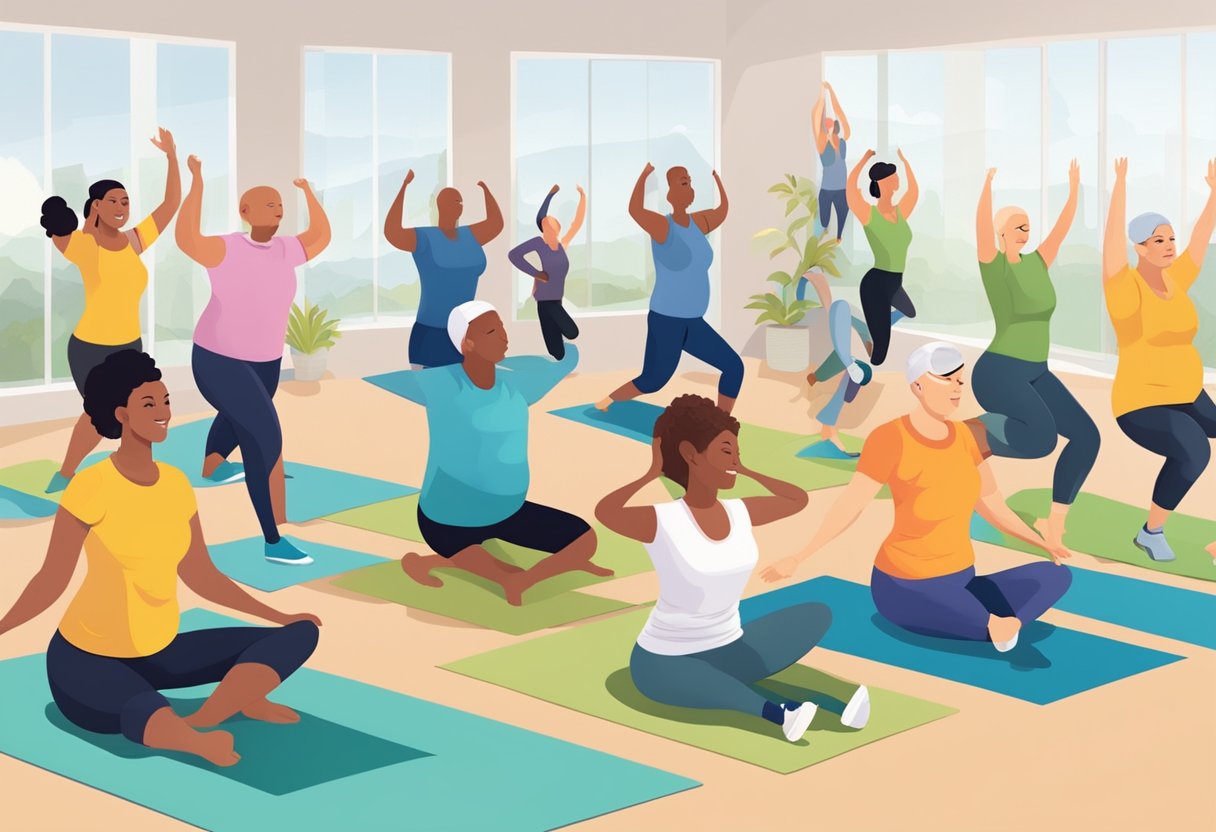
As cancer survivors, we know how important it is to maintain our fitness level and range of motion. Over the years, we have seen emerging trends in fitness that have helped us achieve our goals.
One such trend is virtual fitness. With the pandemic, virtual fitness has become more popular than ever. It has allowed us to continue our workouts from our homes. We can access various virtual fitness classes such as yoga, stretching, and community-based exercise programs.
Another trend that has emerged is in-person fitness. While virtual fitness is great, sometimes we need the motivation of a group setting to push us to our limits. In-person fitness classes provide us with that sense of community and support. We can connect with other survivors and share our experiences while working out.
Stretching exercises and yoga have also become more popular among cancer survivors. These exercises help us improve our range of motion and flexibility. They also help us reduce stress and anxiety, which are common after-effects of cancer treatment.
Community-based exercise programs have also become more prevalent. These programs are designed specifically for cancer survivors and provide us with a safe and supportive environment to exercise in. We can connect with other survivors and share our experiences while working out.
As cancer survivors, we must prioritize our fitness and well-being. Emerging trends in fitness, such as virtual fitness, in-person fitness, stretching exercises, yoga, and community-based exercise programs, have helped us achieve our goals. We encourage fellow survivors to explore these trends and find what works best for them. -T
Frequently Asked Questions
What are some practical exercises for cancer survivors?
As cancer survivors, we understand the importance of staying active and maintaining a healthy lifestyle. Some practical exercises we found helpful include walking, yoga, swimming, and strength training. It is essential to consult with a healthcare provider to determine the best exercise routine for your individual needs.
How can the Cancer Foundation help in fitness triumphs?
Cancer Foundation offers a range of programs and services to support cancer survivors in their fitness triumphs. From personalized exercise plans to nutrition counseling, the foundation provides a comprehensive approach to survivorship care. Additionally, the Cancer Foundation hosts events and workshops to promote physical activity and healthy living.
What are some success stories of cancer survivors in fitness?
Many cancer survivors have achieved their fitness goals and improved their health through exercise. One inspiring story is that of Jane, who was diagnosed with breast cancer and underwent treatment. With the help of her healthcare team and a personalized exercise plan, Jane regained her strength and improved her quality of life.
What are some tips for cancer survivors to prevent cancer recurrence?
Preventing cancer recurrence is a top priority for many cancer survivors. Some tips that we have found helpful include maintaining a healthy weight, eating a balanced diet, staying physically active, and avoiding tobacco and excessive alcohol consumption. It is essential to work closely with your healthcare provider to develop a personalized plan for cancer prevention.
What are some foods that can help cancer patients live longer?
While no single food can cure cancer, some foods have been shown to have cancer-fighting properties. These include fruits and vegetables, whole grains, lean protein sources, and healthy fats. It is important to consult a healthcare provider or registered dietitian to develop a personalized nutrition plan.
How can fitness contribute to cancer survivorship?
Fitness can play a crucial role in cancer survivorship. Exercise has been shown to improve physical function, reduce treatment-related side effects, and improve quality of life. Additionally, regular physical activity can help reduce the risk of cancer recurrence and other chronic diseases. Working with a healthcare provider to develop a safe and effective exercise plan is essential.
