

Navigating the New Year as a Cancer Survivor

I understand firsthand the challenges that come with navigating the new year as a cancer survivor. The start of a new year can be a time for reflection, goal-setting, and renewed motivation.
But for other cancer survivors, it can also be a time of uncertainty, fear, and anxiety. That’s why it’s important to approach the new year with hope and a plan for navigating the challenges that may come our way.
For many cancer survivors, the journey doesn’t end with remission or the completion of treatment. It’s important to acknowledge the emotional and physical toll that cancer can take and to seek support when needed. Whether it’s through therapy, support groups, or connecting with other survivors, finding ways to cope with the emotional and psychological impact of cancer can be just as important as managing the physical side effects.
By understanding your journey as a cancer survivor and seeking out the resources and support you need, you can approach the new year with a sense of strength and resilience.
Key Takeaways
- Approach the new year with a sense of hope and a plan for navigating the challenges that may come your way as a cancer survivor.
- Acknowledge the emotional and physical toll that cancer can take, and seek support when needed.
- By understanding your journey as a cancer survivor and seeking out the resources and support you need, you can approach the new year with a sense of strength and resilience.
Understanding Your Journey as a Cancer Survivor
As a two-time lymphoma survivor, I understand the challenges that come with a cancer diagnosis. The journey can be overwhelming, both physically and emotionally.
However, it’s important to remember that you are not alone. There is a community of cancer survivors who have gone through similar experiences and can offer support and guidance.
The first step in navigating your journey as a cancer survivor is understanding your diagnosis. It’s essential to ask your healthcare provider questions and research your disease to understand your condition better. This knowledge will help you make informed decisions about your treatment options and manage any side effects.
Survivorship is a term used to describe life after cancer. It’s important to remember that survivorship is a journey, not a destination. As a cancer survivor, you may experience physical and emotional changes that can impact your quality of life. It’s essential to prioritize self-care and seek support from loved ones, support groups, or professional counseling.
Cancer survivors are some of the most robust and most courageous individuals I know. Your journey may be challenging, but staying positive and focusing on your progress is essential. Celebrate small victories, and don’t be afraid to ask for help when needed.
In oncology, survivorship is an essential aspect of cancer care. It emphasizes cancer patients’ and survivors’ health, well-being, and quality of life. Cancer survivors are encouraged to participate in their care and advocate for themselves actively. Remember that your journey as a cancer survivor is unique, and there is no one-size-fits-all approach to survivorship.
Coping with Emotions and Uncertainty
As a two-time lymphoma survivor, I know firsthand the emotional roller coaster that comes with a cancer diagnosis and treatment. Fear, stress, anger, and loneliness are just a few of the emotions that can overwhelm you during this challenging time.
Coping with these emotions can be difficult but essential for mental and physical well-being.
Uncertainty is another emotion that can be particularly challenging to navigate as a cancer survivor. The future can seem uncertain, and making plans or setting goals can be challenging when you don’t know the future. However, learning to accept uncertainty and focus on the present is essential. Taking action over the things you can control and challenging your need for certainty can help you manage stress and anxiety.
Finding hope, joy, love, and gratitude is essential, even during difficult times. Surrounding yourself with supportive friends and family can help you find hope and joy in even the darkest moments. Practicing gratitude can also help shift your focus from the negative to the positive and improve your overall well-being.
In addition to emotional coping strategies, self-care is also critical for cancer survivors. Investing in self-care, such as exercise, healthy eating, and getting enough sleep, can help improve your physical and mental health. Many people also find stress release in practices such as yoga and meditation.
Remember that coping with emotions and uncertainty is a journey, and asking for help is okay. Many resources are available to cancer survivors, including support groups, counseling, and online communities. Don’t be afraid to reach out for help when you need it.
Overall, coping with emotions and uncertainty as a cancer survivor can be challenging, but it is possible. By focusing on self-care, finding hope and joy, and seeking support, you can navigate the new year with confidence and resilience.
Planning for the Future
As a cancer survivor, planning for the future can be both exciting and daunting. Setting personal goals that align with your outlook on life is important. I needed to focus on my health and well-being and spend quality time with loved ones. Here are some sub-sections that may help you plan for the future:
Setting Personal Goals
Establishing personal goals can serve as a catalyst to maintain motivation and unwavering focus on the path ahead. It is crucial, however, to set realistic goals that harmonize seamlessly with your unique lifestyle and personal priorities. For example, you may want to commit to losing weight, exercising regularly, or quitting smoking. It is essential to track your progress and celebrate your achievements.
Embracing Healthier Lifestyles
Embracing a healthier lifestyle can help improve your overall health and well-being. This may include making dietary changes, such as increasing your intake of fruits and vegetables or reducing your consumption of processed foods. Regular exercise can also help improve your physical and mental health. It is essential to consult with your doctor before starting any new exercise program.
Maintaining Regular Check-Ups
Regular check-ups with your doctor and other healthcare professionals can help detect any potential health issues early on. This may include physicals, eye exams, and cancer screenings. It is essential to discuss your medical history and any concerns you may have with your doctor.
Remember, planning for the future is a process that takes time and effort. It is essential to stay committed to your resolutions and goals and to seek support from loved ones and healthcare professionals when needed.
The Role of Family and Connections
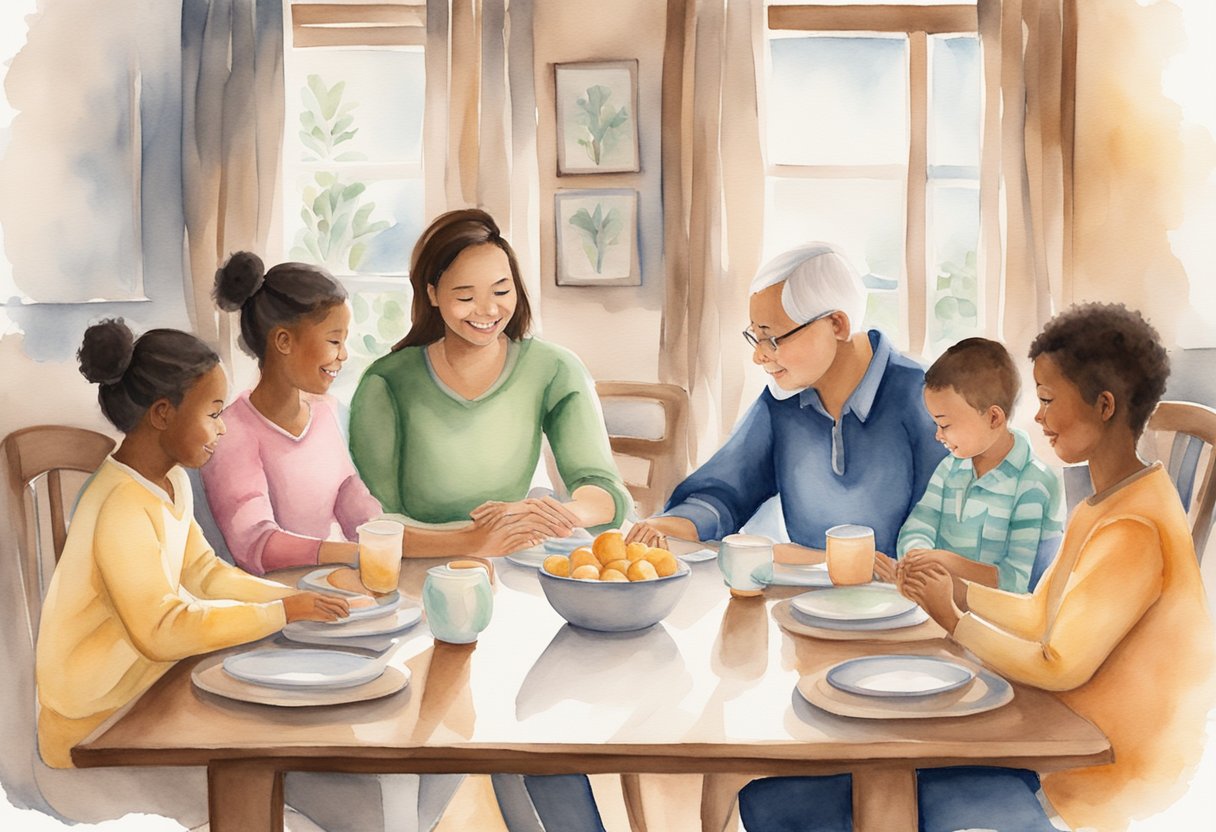
Being a cancer survivor, I know firsthand the importance of having a solid support system. Family and connections play a crucial role in navigating the ups and downs of cancer survivorship.
During my journey, my family was my rock. They provided emotional support, helped with daily tasks, and accompanied me to appointments. Even when I felt like giving up, their unwavering support gave me the strength to keep fighting.
But family isn’t the only source of support. Connections with others who have gone through similar experiences can also be incredibly valuable. Support groups, online forums, and one-on-one connections with other survivors can provide a sense of community and understanding that is hard to find elsewhere.
Caregivers also play an essential role in the cancer survivor’s journey. They provide practical support such as transportation and help with daily tasks, but they also offer emotional support and a listening ear. It’s essential to recognize the immense value that caregivers bring to the table and to show them appreciation for all that they do.
In summary, family and connections are essential components of navigating the new year as a cancer survivor. Whether through the support of loved ones or connecting with others who have gone through similar experiences, having a solid support system can make all the difference.
Navigating Treatments and Side Effects

As a two-time lymphoma cancer survivor, I understand the challenges of navigating cancer treatments and managing side effects. It’s important to remember that every person’s experience is unique, and what works for one person may not work for another.
One of the most common treatments for cancer is chemotherapy. Chemotherapy can be effective in shrinking tumors, but it can also cause a range of side effects, such as nausea, vomiting, hair loss, and fatigue. Staying hydrated, eating a healthy diet, and getting plenty of rest are essential to manage these side effects.
Surgery is another standard cancer treatment. While surgery can be effective in many ways, it can also be painful and require a lengthy recovery period. Following your doctor’s instructions for post-operative care, including pain management and physical therapy, is essential.
In addition to traditional treatments, alternative therapies can help manage side effects and improve overall well-being. For example, acupuncture and massage therapy can help relieve pain and reduce stress.
Managing cancer treatments and side effects can be overwhelming, but it’s important to remember that you are not alone. Reach out to your healthcare team, family, and friends for support. Together, you can navigate this journey and emerge stronger on the other side.
Cancer and COVID-19: Staying Safe in the Pandemic
As a cancer survivor, I know firsthand the importance of staying safe and healthy during the pandemic. COVID-19 has affected daily life around the world, and people with cancer are at a higher risk of severe illness from the virus. It is crucial to take precautions to protect yourself and others.
Here are some tips to stay safe during the pandemic:
- Follow the guidelines from the Centers for Disease Control and Prevention (CDC) and your healthcare provider.
- Wear a mask in public places and around people who do not live in your household.
- Wash your hands frequently with soap and water for at least 20 seconds or use hand sanitizer.
- Avoid close contact with people who are sick.
- Stay home and away from others if you are feeling sick.
- Get vaccinated against COVID-19 when it is available to you. The CDC recommends that everyone age 6 months and older stay current with the updated COVID-19 vaccines to protect against serious illness from COVID-19.
Taking care of your overall health during the pandemic is also essential. This includes:
- Continuing your cancer treatment as recommended by your healthcare provider.
- Staying active and maintaining a healthy diet.
- Managing stress and anxiety through activities such as meditation, yoga, or talking with a mental health professional.
Remember, we are all in this together, and we can help protect ourselves and others by following the guidelines and taking care of our health.
The Power of Reflection and Motivation

As a cancer survivor, I know firsthand the importance of reflection and motivation when navigating the new year. Reflecting on the past year can help me identify areas where I have grown and may still need improvement. It can also help me set goals and priorities for the coming year.
One way I reflect is by journaling. Writing down my thoughts and feelings helps me process my experiences and clarify my emotions. It also allows me to track my progress and celebrate my successes, no matter how small they may seem.
Motivation is also crucial when facing the challenges of cancer survivorship. It can be easy to feel overwhelmed or discouraged, but staying motivated can help me focus on my goals and maintain a positive outlook.
Motivation comes from setting realistic goals and breaking them down into manageable steps. This helps me avoid feeling overwhelmed and gives me a sense of accomplishment as I work towards my goals.
Overall, reflection and motivation are powerful tools for cancer survivors. They can help us stay focused on our goals, maintain a positive outlook, and celebrate our successes.
Latest Research and Developments in Oncology

As a cancer survivor, I closely monitor the latest research and developments in oncology for lymphoma. It’s encouraging to see progress in the fight against cancer. Here are a few noteworthy developments:
- Precision oncology is a promising approach that involves studying cancer tumors’ genetic makeup and molecular characteristics in individual patients. This approach identifies cell changes that can be targeted with specific treatments, resulting in better outcomes for cancer patients. [1]
- Breast cancer is a common form of cancer that affects many women. Recent research has shown that a new drug called tucatinib (?) can significantly improve survival rates for women with advanced or metastatic HER2-positive breast cancer. [2]
- Mortality rates for cancer patients have been declining in recent years thanks to advances in cancer treatment and early detection. However, there is still much work to be done to reduce the impact of cancer on individuals and society. [3]
- Cancer research is rapidly evolving, with breakthroughs and discoveries always being made. One exciting new area of research is cancer neuroscience, which offers hope for hard-to-treat brain tumors. [4]
- Cancer patients must stay informed about the latest developments in oncology, which can help them make more informed decisions about their treatment options. By working closely with their healthcare providers, cancer patients can stay on top of the latest research and developments in the field.
Frequently Asked Questions
What resources are available for cancer survivors in South Carolina?
As a two-time lymphoma cancer survivor, I’ve learned that there are many resources available for cancer survivors in South Carolina. The South Carolina Cancer Alliance (SCCA) is a great place to start. They provide a comprehensive list of resources and support services available to cancer survivors in South Carolina, including financial assistance programs, transportation services, and support groups.
What support services are provided by My Sisters Place domestic violence shelter?
My Sisters Place is a domestic violence shelter that provides support services for survivors of domestic violence and their families. They offer various services, including emergency shelter, counseling, legal advocacy, and support groups. They also provide education and outreach programs to raise awareness about domestic violence and its impact on individuals and families.
Where can I find a safe home near me?
Finding a safe home is crucial for cancer survivors who have experienced domestic violence. The National Domestic Violence Hotline can help connect you with local resources, including shelters and safe homes. You can also reach out to local domestic violence organizations and advocacy groups for assistance.
How can the Family Justice Center of Georgetown and Horry Counties help cancer survivors?
The Family Justice Center of Georgetown and Horry Counties is a nonprofit organization that provides services to survivors of domestic violence, sexual assault, and other crimes. They offer various services, including legal advocacy, counseling, and support groups. They can also help connect survivors with other resources and services in the community.
Are there any women’s shelters in Camden, SC, offering cancer survivors support?
Yes, women’s shelters in Camden, SC, offer support for cancer survivors. The Wateree Domestic Violence/Sexual Assault Coalition is a nonprofit organization that provides services to survivors of domestic violence and sexual assault in Kershaw County, including Camden. They offer various services, including emergency shelter, counseling, and support groups.
Where can I find emergency housing in Beaufort, SC?
You can contact the Lowcountry Regional Housing Authority if you require emergency housing in Beaufort, SC. They provide emergency housing assistance to eligible individuals and families in the Beaufort area. You can also contact local shelters and domestic violence organizations for assistance.
