

Inspiring Stories and New Beginnings
Surviving cancer taught me new ways to live and garner hope. Life Reimagined didn’t just offer inspiration but showcased real stories of resilience. Thriving after cancer involves not just surviving but creating a life filled with purpose.
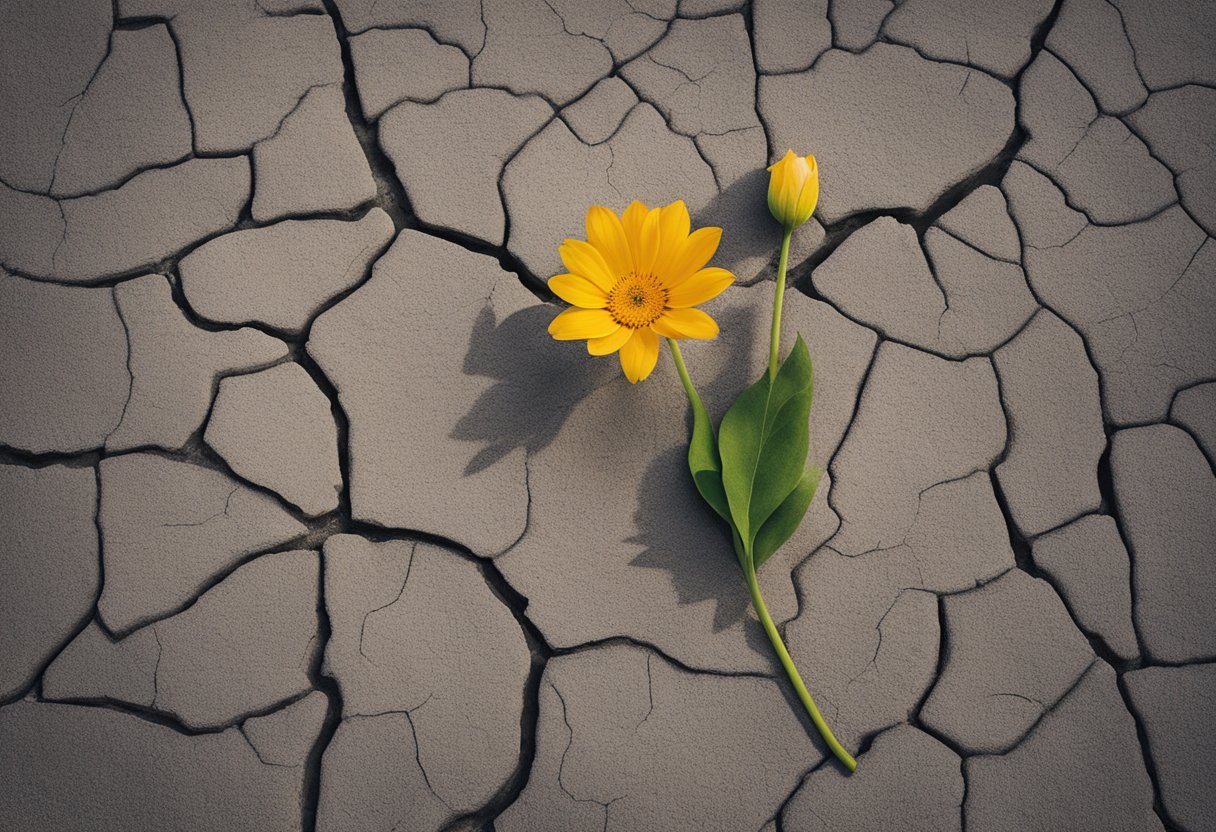
When I navigated my post-cancer journey, connecting with other cancer thrivers was pivotal. These brave souls shared wisdom that ignites hope and drives change. Life Reimagined provides stories that resonate deeply, reinforcing that living fully and joyfully is possible after a diagnosis.
Support from loved ones and embracing a new lifestyle are crucial steps. Recognizing that every day is a chance to shape a meaningful existence brings a sense of empowerment. Living as a cancer thriver isn’t just about battling the disease, it’s about redefining what it means to live genuinely.
Key Takeaways
- Thriving after cancer involves living purposefully.
- Connecting with other thrivers provides wisdom and hope.
- Support and lifestyle changes are crucial for a meaningful life.
Understanding Cancer

Cancer is a vast and complex disease, impacting millions globally. It varies significantly in diagnosis, treatment, and survival rates, presenting unique challenges and requiring nuanced approaches to care.
Diagnosis and Types
Cancer diagnosis involves several steps, including screening processes like imaging and blood tests. Once a potential tumor is identified, a biopsy often confirms its type.
Among the various cancer types, some common ones include skin, lung, and blood cancers such as Hodgkin’s Lymphoma.
Hodgkin’s Lymphoma is diagnosed by identifying Reed-Sternberg cells in lymph nodes. Stage 4 cancer indicates that the disease has spread extensively within the body. Early detection is crucial, as it significantly improves treatment outcomes.
Research and Treatment Options
Cancer research is continually evolving, providing new insights into effective therapies.
Common treatments include surgery, radiation, and chemotherapy. Each treatment plan is tailored to the patient, considering the type and stage of cancer.
One promising approach is immunotherapy, which uses the body’s immune system to fight cancer cells.
Advances in precision medicine enable targeted therapies that attack specific genetic markers in tumors. Participating in clinical trials provides access to cutting-edge treatments that might not be widely available.
Survival and Statistics
Survival rates for cancer vary depending on factors like the type, stage at diagnosis, and the patient’s overall health.
For instance, the survival rate for early-stage Hodgkin’s Lymphoma is relatively high, whereas late-stage cancers pose more significant challenges.
Studies show that lifestyle changes, supportive care, and physical activity can significantly impact survival.
Emotional and psychological support also plays a crucial role in improving patient outcomes. Understanding these statistics can help manage expectations and clarify what to anticipate during the journey.
The Thriver’s Journey

Transitioning from patient to thriver involves resilience and redefining one’s sense of self.
Each phase, from overcoming obstacles to embracing a new identity, is crucial for healing and personal growth.
From Patient to Thriver
When I first faced lymphoma, being labeled a cancer patient felt overwhelming. The treatments, hospital visits, and constant worry consumed me. I knew I had to shift my perspective to move beyond merely surviving.
Connecting with other cancer thrivers, I discovered that adopting a proactive mindset was essential.
Each step forward, from small lifestyle changes to setting new goals, helped me redefine life post-cancer.
Focusing on physical and emotional wellness turned the journey from patient to thriver into a transformative experience. Taking charge of my health, I felt empowered rather than defeated.
Overcoming Obstacles
During my battle with cancer, obstacles appeared at every turn. Treatments were exhausting, and side effects often seemed impossible.
I faced employment challenges, financial strains, and the emotional toll of uncertainty.
To overcome these, I leaned on a network of supporters: family, friends, and fellow survivors. Their encouragement and shared wisdom provided strength.
I discovered the importance of seeking help through counseling or support groups.
Balancing hope with realistic expectations also played a role in overcoming these hurdles.
Each victory, no matter how small, was a step toward reclaiming my life and thriving despite the challenges.
Transformation and Identity
Post-cancer, I noticed a profound shift in my identity. As a cancer survivor, I no longer saw myself merely through the lens of my illness.
Embracing my journey transformed my outlook and priorities.
Activities that once seemed trivial became sources of immense joy. I took up new hobbies, focused on meaningful relationships, and pursued dreams I had shelved for too long.
This transformation was about more than surviving; it was about finding deeper fulfillment.
Understanding this new identity helped solidify my status as a cancer thriver. I wasn’t just living; I was embracing life fully, with a renewed perspective and appreciation for every moment.
Emotional Landscape

Redefining and reshaping one’s life and goals post-cancer can be challenging but rewarding. I’ve learned firsthand how to navigate fear and uncertainty while finding joy and gratitude in everyday moments.
Navigating Fear and Uncertainty
Facing cancer twice has taught me the true weight of fear. Worrying about health, the future, and the impact on loved ones can be all-consuming.
I found that focusing on what I can control significantly reduced my anxiety.
Creating a routine that included regular exercise, nutritious meals, and sufficient rest helped stabilize my mental and physical well-being. Support groups were a game-changer. Connecting with others who understood what I was going through made a big difference.
Mindfulness practices, like meditation and deep breathing, became daily habits that grounded me. This helped me stay present, reducing the constant worrying about the future.
Finding Joy and Gratitude
Despite the challenges, finding joy became essential for my emotional well-being.
Simple daily joys, like a morning coffee or a walk in nature, took on new significance.
I began keeping a gratitude journal, jotting down three daily things I was thankful for. This practice shifted my focus from what was wrong to what was right in my life.
Spending time with loved ones, whether through a shared meal or watching a game together, brought a sense of normalcy and joy. Even small gestures became deeply meaningful, like a heartfelt talk with a friend.
I altered my outlook by actively seeking joy and practicing gratitude, finding happiness in even the smallest moments.
Building a Support System
Creating a solid support system is crucial for anyone reimagining life and goals post-cancer. A strong network can provide emotional, psychological, and practical support, helping one navigate challenges more effectively.
Roles of Friends and Family
Friends and family play a vital role. They offer not just emotional support but practical help, too.
During my treatment, my friends made sure I never missed a medical appointment. The family stepped in to take care of household chores. They became my lifeline, lifting my spirits on tough days.
Honest communication is vital. I always shared my feelings openly, which helped them understand and support me better.
Importance of Support Groups
Support groups create a nurturing space to share experiences and receive advice.
These groups consist of others who understand what you’re going through.
My local community had a group where men shared their journeys. We became a family, offering encouragement and practical solutions. These relationships became a powerful tool for resilience.
Look for groups in your area or online where you can connect with others facing similar struggles.
Professional Help: Oncologists and Coaches
Professional help is invaluable.
Oncologists not only treat the cancer but also address overall well-being.
I spoke to my oncologist about my fears and concerns. They guided me through treatment options and tailored a plan that suited me.
Coaches can also play a significant role. They helped me set realistic goals post-treatment, focusing on both physical and mental health.
Their expertise provided a structured path during recovery.
Practical Aspects of Living as a Cancer Thriver

Living as a cancer thriver requires balancing daily responsibilities while taking care of one’s health and managing finances and career. It’s about overcoming challenges and seizing every day with renewed focus.
Navigating Daily Life and Commitments
As a survivor, managing daily life requires careful planning. I often find it helpful to prioritize tasks and delegate what I can.
Fitness, including simple routines like a morning walk, keeps me active. I also devote time to leisure activities such as hobbies and sports to stay mentally sharp.
Blocking off parts of my day for specific engagements ensures I maintain a balanced lifestyle.
Joining support networks has been a huge benefit. Interacting with others who understand my journey creates a communal bond and offers practical advice.
Technology aids like calendars and reminders ensure I keep up with medical appointments and personal commitments.
Building a solid support system at home and work helps you navigate daily responsibilities more efficiently.
Maintaining Health and Wellness
Health and wellness are central to thriving post-cancer. Regular exercise and a balanced diet form the foundation of my routine.
I focus on nutrient-rich foods and avoid processed items.
Scheduling regular medical check-ups is non-negotiable. These visits keep track of my health status and help catch any issues early.
Inclusive wellness practices like meditation and stretching foster mental well-being.
Simple habits such as drinking enough water, getting adequate sleep, and managing stress levels through techniques like journaling can’t be overlooked.
Maintaining a fitness regimen with manageable goals keeps me inspired and dedicated to my health journey.
Financial and Work-Related Considerations
Navigating financial and work-related factors is crucial. Medical bills can be daunting, so I’ve learned to manage them by understanding insurance coverage and seeking financial assistance programs.
Budgeting and saving are strategies that have made a difference.
Connecting with financial advisors familiar with cancer-related expenses offers practical solutions.
At work, discussing flexible schedules or remote working options provides much-needed flexibility. Communicating with my employer about my situation encourages understanding and accommodation.
Balancing career aspirations with health needs might seem challenging, but it becomes manageable with clear communication and planning.
Seeking opportunities for professional growth within my capacity ensures that I stay on track with my career while prioritizing my well-being.
Continual Learning and Awareness

Staying informed and aware of the latest cancer research and education developments is key. Engaging in awareness campaigns and keeping up with the latest studies can make a difference in one’s cancer journey.
Keeping Up with the Latest Research
I’ve learned that staying updated with the latest cancer research is vital. New studies come out regularly, offering insights into treatment options and prevention.
I often check reputable sources like the National Cancer Institute and PubMed.
Understanding the latest advancements helps me make informed decisions about my health. It also empowers me to discuss various treatment options with my doctors.
This ongoing education is essential for me and anyone facing a similar path.
Keeping up with research also involves understanding terms and treatments. For instance, knowing about immunotherapy or the latest chemotherapy drugs can provide hope and options.
Continuous learning ensures I know all possible avenues to manage my condition better.
Educational Resources and Awareness Campaigns
Educational resources are crucial. Organizations like the American Cancer Society provide valuable information and support.
I also participate in awareness campaigns such as Lymphoma Awareness Month.
These campaigns educate the public and encourage early detection. For instance, public service announcements remind me and others to get regular check-ups and be aware of symptoms.
I’ve found that language plays a role in awareness campaigns. Clear and straightforward language helps in understanding complex medical information.
I also follow campaigns on social media, where I can connect with others and find support.
Engaging in these campaigns informs me and allows me to be part of a larger community working towards a common goal. Through these efforts, I stay connected, informed, and proactive in my cancer journey.
The Debate
In facing lymphoma cancer twice, I’ve noticed various opinions on the use of terms like “thriver.” Some argue these labels are empowering, while others find them burdensome, especially for men.
Labels such as “cancer thriver” can create pressure always to stay positive. Not everyone feels like a warrior every day.
Different Perspectives
| Perspective | Belief |
|---|---|
| Empowering | Terms like “thriver” help people feel strong and resilient after diagnosis. |
| Burdensome | For some, these labels add pressure and can make them feel isolated if they don’t fit the narrative. |
| Neutral | Others see these labels as just words and feel unaffected by them. |
Emotional Impact
For me, it was using a positive label provided motivation. However, I recognize it can be difficult for men who may struggle with expressing vulnerability. Some feel forced into a mindset that minimizes their genuine emotions.
Supporting Each Other
Men often find it hard to open up about their cancer experiences. Sports teams or other group activities can offer a supportive community.
It’s crucial to find what works best without feeling pressured by labels.
In discussing “thriver” terminology, respecting everyone’s unique journey and choices is key. We should encourage an environment where all experiences are valued.
Final Thoughts
Navigating life after surviving cancer has taught me many lessons. The journey isn’t easy, but with determination, a positive outlook, and support, it’s possible to find new purpose and joy.
Men facing cancer often find solace in sports and physical activities. Engaging in sports can help regain strength and rebuild confidence.
Setting realistic goals is crucial. Small, achievable steps can lead to significant improvements in overall well-being.
Tips for Thriving Post-Cancer:
- Stay Active: Engage in regular exercise tailored to your abilities.
- Healthy Eating: Focus on balanced meals.
- Mindfulness: Practice techniques like meditation or deep breathing.
Helpful Resources:
- Support Groups: Connect with other survivors for shared experiences.
- Medical Follow-Ups: Regular check-ups to monitor health.
- Professional Help: Therapists or counselors for mental health support.
I’ve found strength in sharing my journey with others. Helping fellow survivors gives me immense satisfaction.
By focusing on what we can control and seeking support, we can thrive post-cancer.
Every day is a new opportunity. Let’s embrace it with courage and hope. -T
Frequently Asked Questions
Facing cancer profoundly reshapes one’s outlook, personal goals, and daily routines. I address common queries about maintaining well-being and receiving support during this journey.
How can one maintain a positive outlook while battling cancer?
Staying positive involves focusing on small daily wins. Practicing gratitude and mindfulness helps me remain grounded.
Engaging in hobbies and staying connected with friends also lifts my spirits.
What lifestyle changes support well-being during cancer treatment?
Regular exercise, such as walking or yoga, boosts my energy. Adequate sleep and staying hydrated are vital.
Avoiding smoking and limiting alcohol intake contribute to overall health.
What are the recommended dietary considerations for someone thriving with cancer?
I emphasize a balanced diet of fruits, vegetables, and lean proteins. Reducing sugar and processed foods supports my immune system.
Consulting a nutritionist ensures my diet meets my energy needs.
In what ways can family and friends provide support to someone with cancer?
Offering practical help, like driving to appointments, means a lot. Emotional support, such as listening without judgment, can be reassuring.
Personalized gestures, like cooking meals, demonstrate care.
What are effective coping strategies for the emotional challenges of cancer?
Talking to a therapist provides me with professional guidance. Joining a support group connects me with others facing similar challenges. Writing in a journal helps me process my feelings.
How does cancer affect one’s sense of identity and life goals?
Surviving cancer twice has made me rethink my priorities.
I’ve learned to set new, realistic goals. Embracing a mindset of gratitude and resilience has transformed my approach to life.
