

For Cancer Survivorship
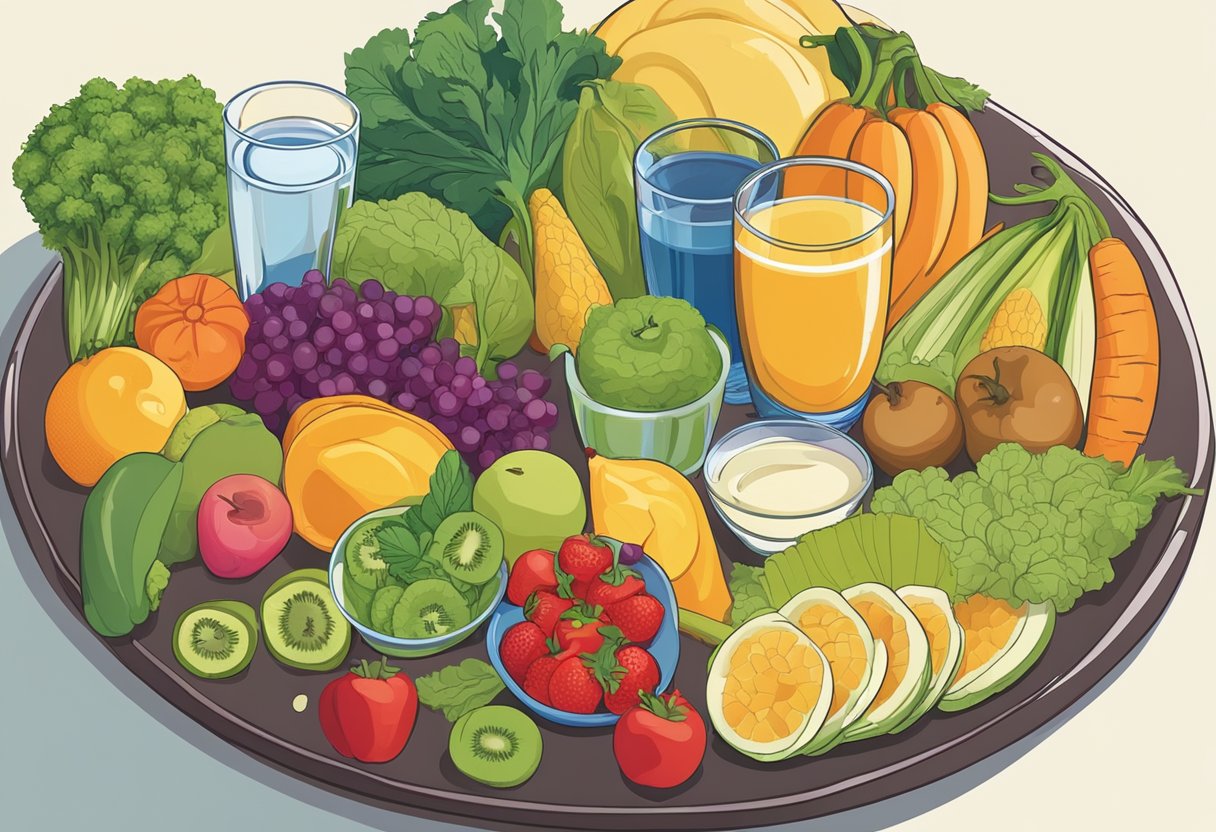
At some point in our lives, most of us will be affected by cancer, either directly or indirectly. Cancer is a life-changing experience that affects the body, mind, and spirit. Cancer survivors face many challenges, including the management of long-term side effects and the prevention of recurrence. One way to improve the quality of life of cancer survivors is through proper nutrition.
Understanding Cancer Survivorship is essential to tailor the nutrition plan for cancer survivors. Cancer survivorship is a term used to describe the period after cancer treatment has ended. During this time, cancer survivors may experience physical, emotional, and psychological changes that can affect their quality of life. Proper nutrition can help cancer survivors manage these changes and improve their well-being.
The Role of Nutrition in Cancer Survivorship is vital. A healthy diet can help cancer survivors maintain a healthy weight, boost their immune system, reduce the risk of chronic diseases, and improve their energy levels.
This article will explore the recommended foods for cancer survivors, foods to avoid, the power of a plant-predominant diet, and the importance of physical activity in cancer survivorship.
Understanding Cancer Survivorship
When someone is diagnosed with cancer, the focus is often on the treatment plan and the hope for remission. However, once treatment is completed, a new phase begins: survivorship. Cancer survivorship is defined as the process of living with, through, and beyond cancer.
Surviving cancer is a deeply personal journey, with each individual facing unique physical, emotional, and spiritual growth. Providing cancer survivors with the necessary care and support is crucial in helping them navigate the challenges that may emerge during this transformative period.
Cancer survivors may face a number of challenges related to their cancer diagnosis and treatment, including physical side effects, emotional distress, financial burdens, and changes in relationships. These challenges can impact a person’s quality of life and overall well-being.
Cancer survivors need to work closely with their doctor, oncology team, and cancer survivorship specialist to develop a survivorship care plan that addresses their unique needs and concerns. This may include regular follow-up appointments, cancer screenings, and referrals to other healthcare providers, such as a general internal medicine physician or other specialists.
In addition to medical care, cancer survivors can take steps to improve their overall health and well-being. This may include making healthy lifestyle choices, such as eating a balanced and nourishing diet, engaging in regular physical activity, and avoiding tobacco and excessive alcohol consumption.
By taking an active role in their care and making healthy choices, cancer survivors can improve their quality of life and reduce their risk of cancer recurrence and other chronic diseases.
The Role of Nutrition in Cancer Survivorship
We all know that a balanced diet is essential for good health. But for cancer survivors, a healthy diet is even more critical. Proper nutrition can help reduce the risk of cancer recurrence, improve treatment outcomes, and enhance overall quality of life.
A healthy diet for cancer survivors should be rich in vitamins, minerals, and antioxidants. It should also be tailored to the individual’s needs, considering their cancer type, treatment history, and overall health status. A registered dietitian can help develop a nutrition plan that meets these needs.
In addition to working with a dietitian, cancer survivors can also benefit from following evidence-based nutrition guidelines. The American Cancer Society provides guidelines for cancer survivors, including recommendations for physical activity, diet, and alcohol intake. These guidelines are based on the latest research and can help survivors make informed decisions about their nutrition.
Cancer survivors need to be proactive in seeking out nutrition information. This can involve talking to their healthcare team about any nutrition-related concerns, reading reliable sources of information, and staying up-to-date on the latest research.
Good nutrition is an essential component of cancer survivorship. Survivors can improve their overall health and well-being by following a healthy diet, working with a dietitian, and staying informed about evidence-based guidelines.
Recommended Foods for Cancer Survivors
As cancer survivors, we need to focus on nourishing our bodies with a balanced diet that includes a variety of foods. A healthy diet can help us maintain a healthy weight, boost our immune system, and reduce the risk of cancer recurrence. Here are some recommended foods for cancer survivors:
Fruits and Vegetables
Fruits and vegetables are rich in fiber, antioxidants, and phytochemicals that help fight cancer. We recommend incorporating a variety of colorful fruits and vegetables into our diet, including berries (such as blueberries and blackberries), broccoli, cauliflower, Brussels sprouts, cabbage, kale, and other cruciferous vegetables. These foods are rich in vitamin C and other nutrients that help boost our immune system.
Whole Grains, Nuts and Legumes
Whole grains, nuts, and legumes are excellent sources of fiber, which helps regulate digestion and maintain a healthy weight. We recommend incorporating whole grains, such as brown rice, quinoa, and whole-wheat bread, into our diet. Nuts and seeds, such as almonds and chia seeds, are rich in healthy fats and protein. Legumes, such as lentils and beans, are excellent sources of protein and fiber.
Lean Proteins
Lean proteins, such as fish, poultry, and eggs, are essential for maintaining muscle mass and supporting the immune system. We recommend choosing lean proteins, such as skinless chicken or turkey, salmon, and eggs. These foods are rich in protein, omega-3 fatty acids, and other nutrients that help support our body’s natural defenses.
Healthy Fats
Healthy fats, such as unsaturated fats and polyunsaturated fats, are essential for maintaining a healthy weight and supporting our body’s natural defenses. We recommend incorporating healthy fats such as olive oil, avocados, and nuts into our diet. We should limit our intake of saturated fats found in foods such as red meat and dairy products.
Incorporating these recommended foods into our diet can nourish our bodies and support our overall health as cancer survivors. It’s important to consult with a registered dietitian to develop an individualized nutrition plan that meets our unique needs. While dietary supplements may seem like a quick fix, it’s best to get our nutrients from whole foods whenever possible.
Foods to Avoid for Cancer Survivors
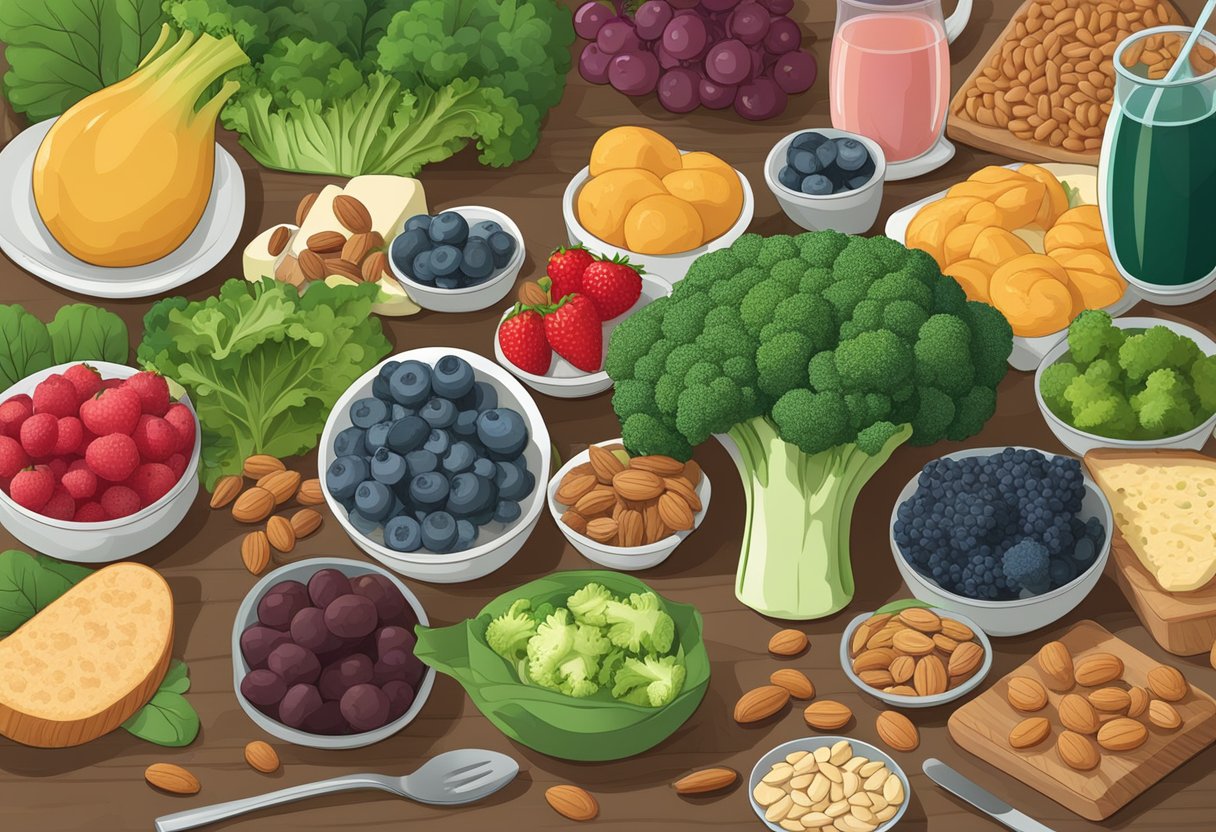
Maintaining a healthy diet is crucial for cancer survivors. Certain foods can help boost the immune system and aid recovery, while others can have the opposite effect. Here are some foods that cancer survivors should avoid or limit in their diets:
Red Meat and Processed Meat
Red meat and processed meat have been linked to an increased risk of cancer. According to the American Institute for Cancer Research, consuming more than 18 ounces of red meat per week can increase the risk of colorectal cancer. Processed meats like bacon, sausage, and hot dogs are also linked to an increased risk of cancer. If you eat red meat, choosing lean cuts and limiting your intake is essential.
Sugar and Saturated Fat
Foods high in sugar and saturated fat should also be avoided or limited. Studies have shown that a diet high in sugar and saturated fat can lead to inflammation, which can contribute to the development of cancer. Instead, opt for foods high in fiber, low in sugar and saturated fat.
Processed Foods
Processed foods like chips, cookies, and candy bars should be avoided or limited. These foods are often high in sugar, salt, and unhealthy fats. Instead, choose whole foods like fruits, vegetables, and whole grains.
Butter and Cheese
Butter and cheese are high in saturated fat and should be avoided or limited. Instead, choose healthy fats like olive oil, nuts, and avocados.
Alcohol
Alcohol intake should be limited or avoided altogether. According to the American Cancer Society, alcohol consumption is a known cause of several types of cancer, including breast, liver, and colorectal cancer. If you choose to drink, limit your intake to one drink per day for women and two drinks per day for men.
But most importantly, alcohol dramatically increases the risk of secondary cancer and recurrence.
By avoiding or limiting these foods, cancer survivors can help reduce their risk of cancer recurrence and improve their overall health.
Physical Activity and Cancer Survivorship
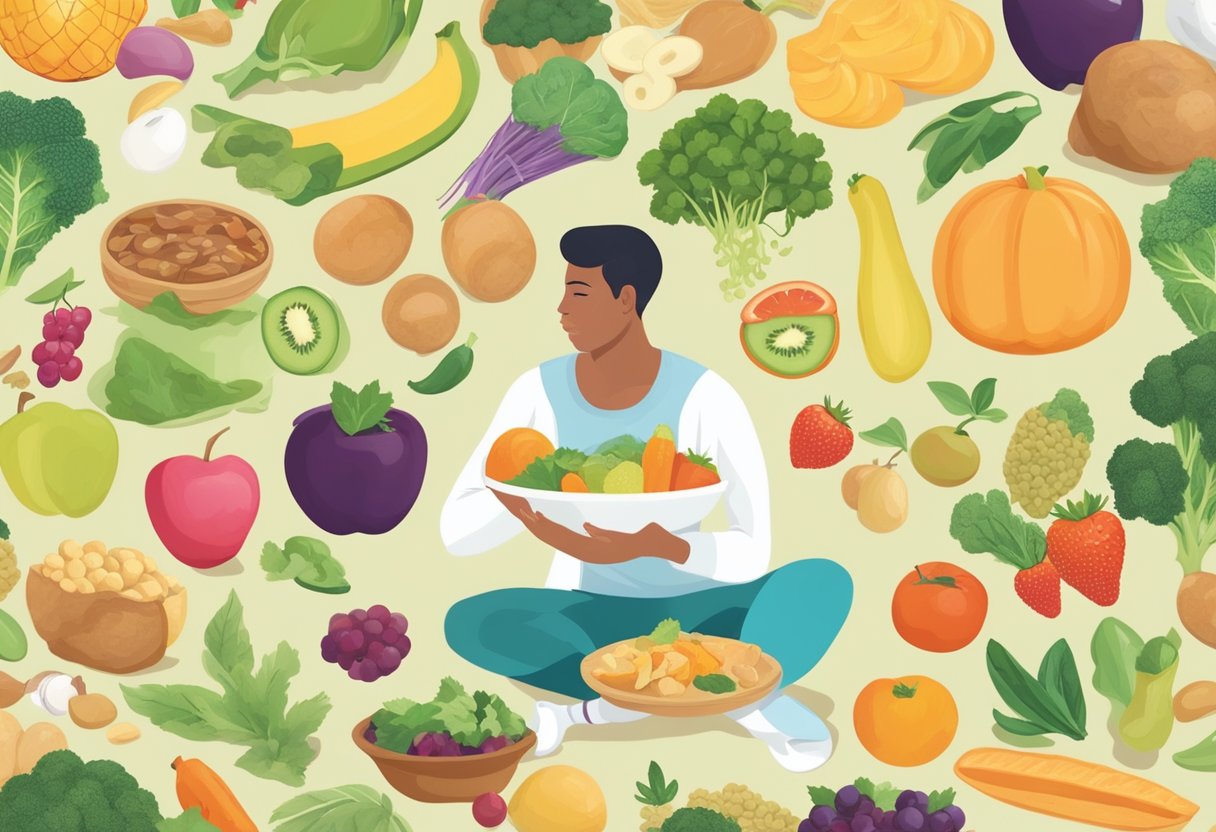
Physical activity plays a crucial role in cancer survivorship. Evidence has shown that regular physical activity is associated with a lower risk of death, all-cause mortality, cancer recurrence, and several chronic diseases, including type 2 diabetes and cardiovascular disease, common comorbid conditions in people who have survived cancer [1].
As cancer survivors, we must incorporate physical activity into our daily routine to maintain a healthy lifestyle. Physical activity can help us maintain a healthy weight, improve our quality of life, and reduce the risk of chronic diseases. According to the American Cancer Society, cancer survivors should avoid inactivity and return to normal daily activities as soon as possible after diagnosis and treatment. We should start with low-intensity exercises and gradually increase the activity level [2].
The ACS nutrition and physical activity guideline for cancer survivors provides evidence-based, cancer-specific recommendations for anthropometric parameters, physical activity, diet, and alcohol intake for reducing recurrence and cancer-specific and overall mortality [3]. The guideline is intended to serve as a resource for informing ACS programs, health policy, and the media.
In 2003, the American Cancer Society (ACS) published the first report to provide healthcare providers and cancer survivors with guidance for physical activity. The report suggested that cancer survivors follow the guidelines for cancer prevention, such as at least 30 minutes of moderate to vigorous physical activity at least five days a week [4].
Physical activity is an important aspect of cancer survivorship. We must incorporate physical activity into our daily routine to maintain a healthy lifestyle and reduce the risk of chronic diseases. We should follow the ACS nutrition and physical activity guidelines for cancer survivors and start with low-intensity exercises, gradually increasing the activity level.
[1] PubMed
[2] Cancer.org
[3] Cancer.org
[4] PMC
The Power of a Plant-Predominant Diet

At its core, nourishing nutrition for cancer survivors is about empowering our bodies to heal and thrive. One of the most effective ways to achieve this is by adopting a plant-predominant diet. This means that most of our daily food intake comes from plant-based sources such as vegetables, fruits, whole grains, beans, and nuts.
Research has shown that a plant-based diet can improve cancer outcomes by reducing inflammation, promoting healthy immune function, and providing essential nutrients that support cellular repair and regeneration. A study published in the Journal of the American Medical Association found that cancer survivors who followed a plant-based diet had a lower risk of cancer recurrence and mortality compared to those who consumed a more traditional Western diet.
A plant-predominant diet is not only beneficial for cancer survivors, but it is also a sustainable and environmentally friendly way of eating. By reducing our intake of animal products and processed foods, we can decrease our carbon footprint and support the health of our planet.
Adopting a plant-predominant diet is essential to focus on whole, minimally processed foods. This means choosing fresh fruits and vegetables, whole grains like brown rice and quinoa, and plant-based protein sources like beans and lentils. Healthy fats like avocados and nuts can also provide essential nutrients and support healthy brain function.
In summary, a plant-predominant diet is a powerful tool for nourishing our bodies and improving cancer outcomes. By focusing on whole, plant-based foods, we can support our health and the health of our planet.
Frequently Asked Questions
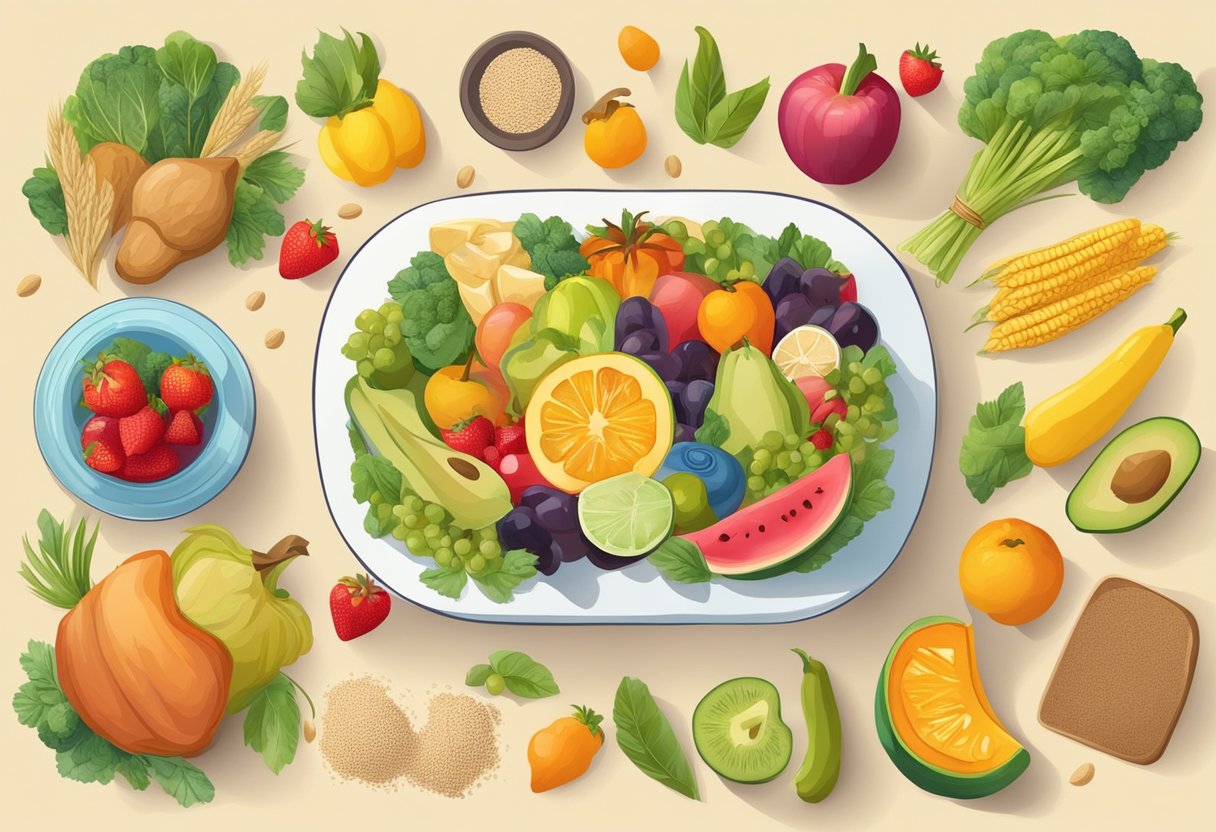
Foods to avoid for cancer patients
As cancer patients undergo treatment, certain foods can interfere with the effectiveness of the treatment and cause discomfort. We recommend avoiding processed foods, sugary drinks, and alcohol. It’s also best to avoid red and processed meats, which have been linked to an increased risk of cancer.
The best diet for breast cancer survivors
Breast cancer survivors should focus on a diet high in fruits, vegetables, whole grains, lean protein, and healthy fats. We recommend limiting processed foods, sugary drinks, and alcohol. It’s also best to avoid red and processed meats, which have been linked to an increased risk of cancer.
Nutrition for cancer patients
Cancer patients should focus on a diet high in fruits, vegetables, whole grains, lean protein, and healthy fats. We recommend limiting processed foods, sugary drinks, and alcohol. It’s also best to avoid red and processed meats, which have been linked to an increased risk of cancer.
Cancer-fighting diet
A cancer-fighting diet should include plenty of fruits, vegetables, whole grains, lean protein, and healthy fats. We recommend limiting processed foods, sugary drinks, and alcohol. It’s also best to avoid red and processed meats, which have been linked to an increased risk of cancer. Additionally, foods high in antioxidants, such as berries, leafy greens, and nuts, can help fight cancer.
Exercise and cancer survivorship
Exercise is an important part of cancer survivorship. It can help reduce fatigue, improve mood, and increase strength and flexibility. We recommend moderate exercise for at least 30 minutes daily, five days a week. This can include activities such as walking, cycling, or swimming.
What are some cancer-fighting foods?
Foods high in antioxidants, such as berries, leafy greens, and nuts, can help fight cancer. Additionally, cruciferous vegetables such as broccoli, cauliflower, and kale have been shown to have cancer-fighting properties. Other cancer-fighting foods include garlic, turmeric, green tea, and fatty fish.
