

Embracing Healing as a Cancer Thriver
As we roam through nature’s tranquil paths, we often find solace and a unique form of self-validation. For those of us who have known the struggle of cancer, mainly us men who have triumphed over lymphoma, the call of the wild serves as more than just scenery—it’s a place where we rediscover our strength.
We connect with the elements, the rustle of leaves and birds chirping, echoing our resilience. This bond with the natural world fosters a profound sense of self-recognition and affirmation that is genuine and inherently healing.

We, as cancer thrivers, understand that survival extends beyond the physical; it encapsulates the journey of the spirit and the quest for psychological growth.
In green canopies and the vastness of the outdoors, we cultivate a deeper appreciation for our health and reinforce our social ties.
The clear skies and fresh air whisper the possibilities of a newfound vigor as we engage in physical activities that rebuild our bodies and uplift our souls.
With every stride through the forest or paddle across calm waters, we validate our existence and conquests without needing external approval.
Key Takeaways
- Nature offers a deep sense of self-validation for cancer thrivers.
- Emotional and psychological growth is integral to survivorship.
- Healthy behaviors and social connections are reinforced outdoors.
Embracing Nature’s Role in Self-validation
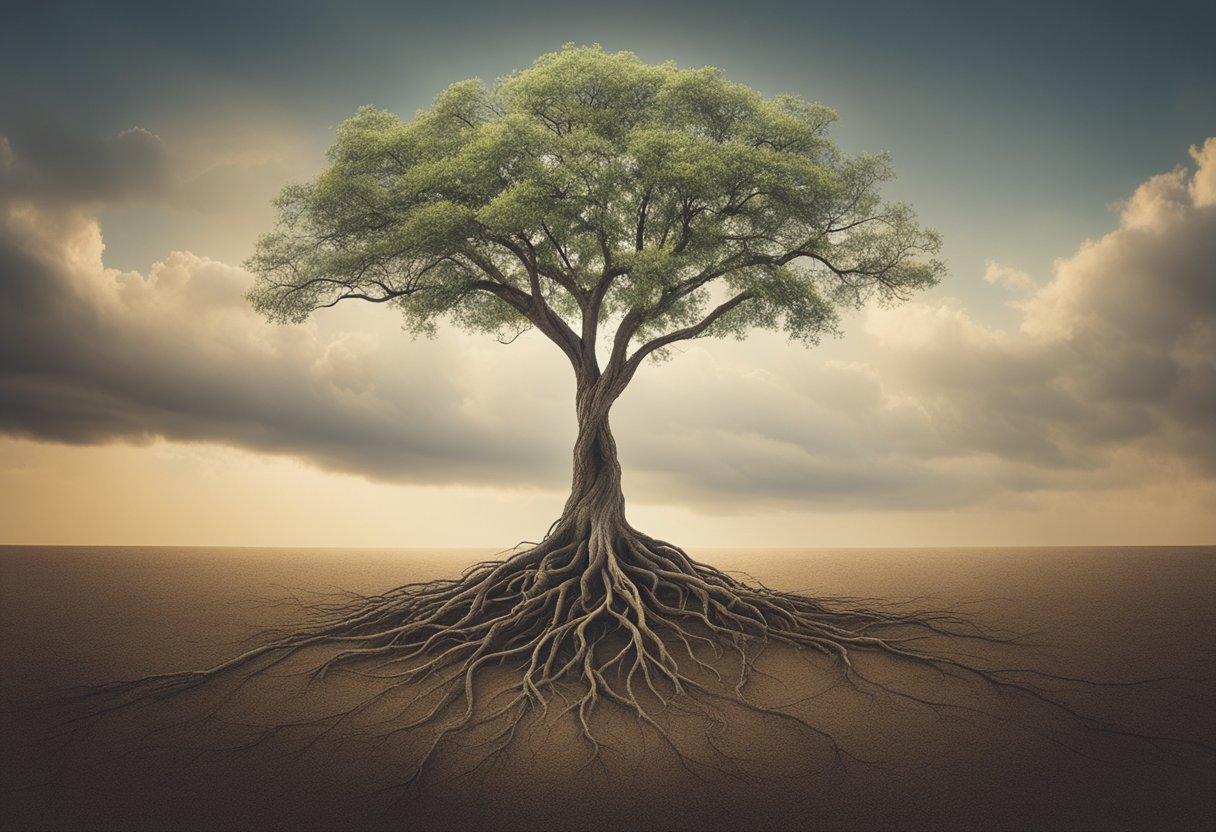
Our journey with nature holds untold benefits for our well-being and psychological fortitude, especially when we face life’s stern trials, such as surviving cancer.
The Therapeutic Effects of Nature on Well-being
Nature Nurtures Our Well-being:
Our bodies and minds yearn for the tranquility only the natural world offers.
Forest bathing, a practice from Japan, involves simply being in the presence of trees.
This act alone can significantly lower our cortisol levels, a stress marker, and bolster our immune system’s natural killer cells.
Our victories over ailments like lymphoma have taught us the profound lesson that nature’s embrace is not a mere escapism but a tool for healing and renewal.
Nature’s Sounds as a Balm for Mental Content:
The rippling of water and the whisper of leaves are not just pleasant sounds; they are sonic allies in our quest for mental balance.
They coax our minds into a state of meditation, which can reduce feelings of anxiety and improve our mood.
We understand, now more than ever, that the cacophony of an urban landscape pales in comparison to nature’s serene symphony for encouraging psychological well-being.
Nature as a Catalyst for Positive Change
Nature Inspires Positive Choices:
As survivors, we must consistently make choices that reinforce our health.
Nature’s unyielding cycle of life, death, and rebirth offers us lessons in resilience and the fortitude to continue making these positive choices.
We adopt habits that resonate with the natural environment, like regular exercise in hiking, running, or even competitive sports, recognizing them as empowerment rituals.
Nature as a Mentor in Psyche:
Our reflections amidst greenery or under the vast sky often lead to epiphanies, contributing to psychological growth.
The challenges we encounter in outdoor activities mirror the adversities in our cancer journey, teaching us strategy, patience, and perseverance.
Through these natural metaphors, we heal and acquire a robust framework for dealing with future psychological and emotional upheavals.
In its boundless wisdom, nature offers a mirror to see our strengths reflected in its landscapes.
The discipline required to climb a mountain instills in us the tenacity to confront relapse fears.
The lessons we draw from nature are deeply interwoven with the mental, emotional, and physical fibers of our being, guiding us toward a state of self-validation and peace.
Understanding Cancer Survivorship

Navigating life after cancer involves a profound shift from patient to thriver, where we adopt health behaviors to maintain our general health and manage any chronic conditions.
Transitioning From Patient to Thriver
After facing lymphoma, we step into a new light—thrivers, not just survivors.
This means we leave the patient’s identity behind and chart a proactive path toward robust health and wellness.
Our journey through nature is a refuge and a source of resilience, offering us strength and self-validation.
By immersing ourselves in the tranquility of natural surroundings, we transcend our past struggles and renew our spirits.
Long-term Maintenance of Health after Cancer
Cancer thrivers like us know that the end of treatment marks the beginning of a vigilant health preservation strategy.
This entails regular check-ins with our healthcare team to nip potential problems and commit to lifestyle choices that support lasting wellness.
Engaging in outdoor sports offers dual benefits for our bodies and minds, fostering physical strength and mental clarity.
It’s our way of ensuring that we not only live but also thrive post-cancer.
Self-validation Theory and Psychological Growth

In the journey of personal growth, especially after facing life’s sternest challenges like cancer, we find solace and strength through the Self-validation Theory (SVT). This framework offers us tools to foster our self-worth and knowledge, bolstering our psychological resilience.
The Core Principles of Self-validation Theory
SVT hinges on the idea that our thoughts gain significance when we deem them valid.
This is crucial for us as survivors; our experiences have taught us that when we validate our thoughts—our hopes, fears, and aspirations—we give them the power to shape our actions and outlook.
After surviving lymphoma twice, resilience became a cornerstone, fueled by a belief in ourselves ignited by our validation.
- Thoughts Influence Actions: Recognize that our thoughts, when validated, prompt actions leading to growth.
- Confidence Spurs Change: The confidence borne from self-validation reinforces our commitment to recovery and life.
Building a Stronger Self through Validation
Validating our thoughts is akin to nurturing a garden; it demands patience and consistent care.
We learn that our knowledge and perceived confidence shape our reality through SVT.
For us men who have weathered cancer’s storm, validation becomes a beacon, guiding us to a stronger sense of self.
- Nurture Self-worth: We foster a robust belief in our value and capabilities, reinforcing our recovery narrative.
- Confidence as a Catalyst: As we validate our achievements, our growing confidence empowers us to tackle life with vigor.
Assessing and Improving Health Behaviors

We often underestimate the power our daily choices wield over our recovery journey. Let’s explore how to leverage those decisions for our collective well-being.
The Impact of Lifestyle Choices on Recovery
A robust recovery necessitates more than just medical treatment; it calls for a holistic approach.
Our lifestyle choices play a pivotal role in this process.
For instance, physical activity is a keystone habit that triggers positive changes across various aspects of our lives.
Regular exercise can fortify our resilience, both mental and physical, aiding our bodies in recuperating and rebuilding after the ravages of cancer.
Similarly, healthy eating acts as fuel not only for the body but also for the spirit, empowering us to face each day with renewed vigor.
Enhancing Self-care Through Personal Assessment
We must start with a thorough, personal assessment of our health behaviors to elevate our self-care regimen.
Employing a systematic approach, we can identify which habits benefit us and which require refinement.
Consider creating a checklist or journaling our daily actions related to health. This might include:
- Dietary Intakes: Tracking our meals ensures we get the nutrition our bodies crave.
- Exercise Routines: Logging our physical activities helps us maintain consistency and marks our progress.
From the serene journey through nature’s trails to the dedication to a community sports league, every action we take intertwines, reinforcing our collective resolve to thrive. We survive and flourish through such measures, extending a hand to our brothers in similar battles.
The Psychological Dimensions of Living with Cancer

Navigating the journey of cancer presents a complex web of emotional and psychological challenges. Our resilience is continually tested as we grapple with the fluctuating dynamics of our mental and emotional states.
Coping with Emotional and Mental Health Challenges
When cancer enters our lives, it often brings waves of depression and anxiety. We face an array of symptoms that test our psychological fortitude. It’s not uncommon for us to experience a dip in self-esteem, but we can counter these feelings by seeking solace in the tranquility of nature.
As survivors who have weathered the storm of lymphoma, we know first-hand how vital it is to address these mental health challenges head-on. We connect, sharing experiences and strategies, from meditative walks in the woods to the solidarity in team sports, to manage the turbulence of our emotions.
Emotional Well-Being:
- Embrace nature’s healing powers
- Engage in team sports for camaraderie
- Utilize support groups for shared experiences
Fostering Resilience and Self-efficacy
Alongside the physical battle, cancer wages a silent war on our sense of control. Yet amid this, we’ve found that fostering self-efficacy empowers us to reclaim agency. We draw from our inner strength, amplified by our mutual support as men facing these challenges together.
Through involvement in outdoor activities, our confidence rebuilds. Each step, each shot, and each dialogue with fellow survivors adds to the collective fortitude of our community.
Resilience Tactics:
- Participate in outdoor sports to build confidence
- Challenge ourselves with achievable goals in nature
- Share triumphs and setbacks to strengthen communal ties
Strengthening Social Connections and Support
We understand the vital role of social support; it’s reassuring and a cornerstone of our well-being. Thriving post-cancer involves nurturing relationships that foster confidence and life satisfaction through meaningful social interactions.
The Role of Social Support in Thriving
Social support manifests as a multifaceted lifeline post-cancer. As we band together, the exchange of experiences catalyzes resilience.
Our conversations are more than mere exchanges; they’re the threads that stitch our support system’s fabric. Social interactions with other survivors not only provide us with pertinent insights but also reinforce our sense of self-validation.
Finding Community and Building Bonds
We gravitate towards community, a natural aspect of our shared journey. The quest for kinship leads us to groups, emphasizing activities that resonate with our life-affirming aspirations.
Within these circles, we fortify bonds over shared hobbies, often finding solace in the rhythms of nature’s embrace.
- Social Support: Peer groups, survivor networks
- Confidence: Empowerment from collective wisdom
- Validation: Recognizing our worth and progress
- Relationships: Deep connections forged in shared experiences
- Life Satisfaction: Enriching quality of life through active engagement
- Social Interaction: Camaraderie in sport and nature-focused activities
Evaluating and Enhancing Validity in Self-perception
In our journey of self-healing and recovery, especially after surviving lymphoma, we recognize the need for an accurate understanding of our mental state. To enhance our self-perception, we employ both objective tools and reflective practices.
Objective Measures vs. Subjective Experience
Objective measures offer us quantifiable data that can be crucial in assessing our progress.
For instance, utilizing a scale such as the novel cognitive self-assessment tool can yield tangible insights into our cognition. These tools often use clear metrics, like Likert scales, to translate our mental functions into numerical values, allowing us to track changes over time with a reassuring level of accuracy.
In contrast, subjective experience—how we perceive our encounters with nature and our thoughts—provides a depth that numbers cannot.
Our self-worth often finds solace in the peace of our natural surroundings, something no assessment can fully capture. The perceived validity of our thoughts becomes our compass, guiding us through the rough terrain of recovery.
Tools and Practices for Accurate Self-assessment
A variety of tools aid us in evaluating our mental state.
One such assessment tool is the Reliability and Validity of a Novel Cognitive Self-Assessment Tool, which can help us understand the intricacies of our cognitive functions.
Responding to specific prompts clarifies where we stand and what areas require attention.
In terms of practices, reflective techniques such as journaling serve as a mirror to our minds, revealing inconsistencies between what we think and feel.
Group discussions with other survivors offer a reality check as we align our perceptions with others’ experiences.
We also find strength in physical activities that resonate with us, be it hiking or team sports, fostering a sense of community and collective triumph over adversity.
These tools and practices ensure that our thought validity and perception of our journey are rooted in reality, molding our actions and beliefs accordingly.
On The Other Hand
While we find solace in nature’s embrace during recovery and beyond, we must acknowledge that not every man battling cancer finds such peace outdoors.
For some of us, the connection to the natural world doesn’t resonate as a form of self-validation or a comforting retreat.
We have spoken to fellow survivors who feel more at ease in familiar indoor settings, surrounded by the support of technology and medical teams.
Even though studies highlight nature’s role as a nurturing force, this doesn’t universally apply to us, and that’s okay. We each navigate our cancer journey uniquely, and what offers one person refuge may not do the same for another.
We respect those seeking different forms of healing, as no single path to recovery suits us all. Should fellow survivors find solace in art, music, or other hobbies, we support and commend their self-validation method. We stand united in our varied approaches to healing and wellness, recognizing each other’s needs without judgment.
Final Thoughts
Reflecting on our journey, embracing nature is a profound ally in our healing and self-validation process. After battling lymphoma, not once but twice, we find solace in the serenity of the outdoors.
Together, we, men in survival, discover strength among silent trees and resilience in the steady flow of rivers. Nature does not judge; it accepts. It is in this acceptance that we find ourselves validated.
We recognize the subtle yet profound lessons nature imparts. A lone tree bending in the wind but not breaking teaches us flexibility and endurance.
Team sports, like football or basketball, echo the collaboration we witness in forests, where every plant and animal has a role, working towards the collective good. It is a game plan for survival, and we are avid players in this field.
Participating in outdoor activities fosters a community spirit. We find companionship in hiking groups or while kayaking down streams. These shared experiences bond us, fostering an environment where we can share our stories and learn from one another—our triumphs a shared victory, our setbacks a collective challenge.
In the embrace of nature, every stride we take is a step toward self-empowerment. We leave the noise behind. We listen to the whispering leaves and let the currents guide our thoughts to a place of peace. Here, in the great outdoors, we learn that our capacity to heal and thrive is as immense as the sky above us. -T
Frequently Asked Questions
Our journey with cancer is as much about healing our bodies as it is about nurturing our spirits. We’ve gathered some specific queries on how we can support our bodies and souls during this challenging time.
What dietary changes can support the body in fighting cancer?
We look for nourishment that strengthens us internally. Foods high in antioxidants and phytonutrients, like fruits and vegetables, can enhance our body’s ability to combat the effects of cancer.
Can regular exposure to nature impact cancer prognosis?
Indeed, immersing ourselves in nature can help alleviate stress and boost our mood. While it may not directly alter our prognosis, this connection to the outdoors supports our overall well-being, which is crucial in our cancer journey.
What natural remedies are used to complement cancer treatment?
We often complement our medical treatments with natural remedies that can reduce side effects and improve our quality of life. Herbs and supplements, under guidance from our healthcare providers, stand as allies in our healing process.
How does one maintain emotional well-being after a cancer diagnosis?
Our emotional health is vital for our recovery. Practices like meditation, engaging in hobbies, and connecting with fellow survivors can provide solace and fortitude as we navigate the emotional terrain of cancer.
Are there any documented cases of complete remission for late-stage cancer patients?
Cases of remission give us hope. Medical journals document instances where patients with advanced cancer enter remission, underscoring the potential of our body’s resilience and modern treatments.
What lifestyle habits contribute to cancer prevention and recovery?
A lifestyle that prioritizes physical activity, a nutritious diet, and regular check-ups is our shield against cancer.
We champion habits like playing sports and staying active, as they support our preventative and recovery endeavors.
