

How Cancer Thrivers Overcome Challenges

Cancer can be a life-changing diagnosis that can shake anyone to their core. It’s a journey that can be filled with uncertainty, fear, and anxiety. However, it’s essential to understand that cancer doesn’t have to be a death sentence.
In fact, it can be a catalyst for growth and positive change. As cancer thrivers, we understand the importance of having a solid support system in place to help us navigate this journey and emerge stronger on the other side.
The journey of a cancer thriver can be filled with ups and downs, but having a support system in place can make all the difference. From family and friends to healthcare professionals and cancer support groups, a support system can provide the emotional, physical, and spiritual support needed to thrive during and after cancer treatment. Understanding cancer survivorship and the role of support systems is key to empowering cancer thrivers and helping them achieve their goals.
Key Takeaways
- A strong support system is crucial for cancer thrivers to navigate their journey.
- Understanding cancer survivorship and the role of support systems can empower cancer thrivers.
- From family and friends to healthcare professionals and cancer support groups, there are many tools and resources available to help cancer thrivers thrive.
The Journey of a Cancer Thriver
Surviving cancer is a life-changing experience that can be both physically and emotionally challenging. As cancer thrivers, we have faced our diagnosis head-on and have emerged stronger and more resilient than ever before. Our journey has been one of transformation, from the moment we received our diagnosis to life after cancer.
The experience of a cancer diagnosis can be overwhelming, and it is expected to feel a range of emotions. Fear, anxiety, and uncertainty are just some of the emotions that can arise. However, with the support of our loved ones, we learned to cope with these emotions and channel our energy towards our recovery.
Challenges are a part of the cancer journey but are not insurmountable. We faced numerous challenges, including physical pain, fatigue, and the side effects of treatment. However, we learned to adapt to these challenges and find ways to improve our quality of life.
The transformation that we experienced as cancer thrivers was profound. We learned to appreciate life’s simple things and prioritize our health and well-being. We also discovered a newfound sense of purpose and a desire to help others who may be going through a similar experience.
Life after cancer is a new beginning, and it can be both exciting and daunting. We have learned to embrace this new chapter in our lives and to focus on the positives. We are grateful for our support system, which has been instrumental in our recovery, and we are committed to paying it forward by helping others who are on their cancer journey.
The journey of a cancer thriver is one of resilience, perseverance, and transformation. While it is not an easy journey, with the right support system, it is possible to emerge stronger and more resilient than ever before.
Understanding Cancer Survivorship
As cancer survivors, we know the physical and emotional toll that cancer takes on our bodies and minds. Survivorship is defined as the process of living with, through, and beyond cancer. It encompasses the physical, emotional, and practical issues that cancer survivors face from the time of diagnosis through the rest of their lives.
Survivorship care is an essential part of cancer treatment, and it involves monitoring and managing the changes that people with cancer experience, from cancer diagnoses and treatment to end of life. The American Cancer Society has developed cancer survivorship care guidelines for the care of people with cancer who often experience physical and psychosocial long-term and late effects of cancer and its treatment. These guidelines reflect current evidence and expert consensus to help primary care clinicians and other health care professionals provide comprehensive care to cancer survivors.
Resilience is an essential aspect of survivorship that is often overlooked. Resilience refers to the ability to cope with and adapt to life’s challenges and stressors, and it is an essential component of healing. In the context of adult cancer, resilience has been understudied but is critical for understanding cancer survivors’ physical and psychological well-being. Resilience may relate to symptom appraisals, psychological well-being, and cancer experiences.
As cancer survivors, we know that having a solid support system is crucial to our healing and recovery. Our support system includes family, friends, healthcare providers, and cancer survivorship organizations. These entities provide us with emotional support, practical assistance, and access to resources that help us navigate the challenges of survivorship.
Cancer survivorship is a complex and challenging process that requires comprehensive care and support. As survivors, we must advocate for ourselves and seek the resources and support needed to thrive. With resilience, a robust support system, and access to survivorship care, we can overcome the challenges of cancer and live fulfilling lives.
The Role of Support Systems
As cancer thrivers, we know firsthand the crucial role that support systems play in our journey. Our family, friends, and community give us the love, care, and encouragement to fight. Support groups offer a haven to connect with others who understand what we’re going through and share our experiences.
Having a support system can make all the difference in the world. When we’re going through treatment, we may feel overwhelmed and alone. Our support system can help us manage our day-to-day responsibilities, such as taking care of our children or running errands. They can also provide us with emotional support and a listening ear when needed.
Support systems can take many forms. For some of us, our spouse or partner may be our rock. For others, it may be a close friend or family member who we can always count on. Some of us may find solace in online support groups, where we can connect with other cancer thrivers from around the world.
It’s important to remember that support systems are not just for us, the cancer thrivers. Our loved ones also need support as they navigate this difficult journey alongside us. They may need help coping with their own emotions or managing their stress. We can be a source of support for them, just as they are for us.
In conclusion, having a solid support system is essential for cancer thrivers. It helps us manage the physical and emotional challenges of cancer treatment and provides us with the love and encouragement we need to keep fighting. Whether it’s our family, friends, community, or support groups, we are grateful for the support system surrounding us.
Empowerment and Advocacy

As cancer thrivers, we know that the journey is not an easy one. However, we can overcome the challenges and emerge stronger with the right support system. Empowerment and advocacy play a critical role in this process.
Empowerment involves developing the skills and knowledge necessary to take control of our lives and make informed decisions. It is about recognizing and using our strengths to overcome the challenges we face. We can achieve this through education, support groups, and counseling.
Advocacy, on the other hand, involves speaking up for ourselves and others. It is about raising awareness and promoting change. We can advocate for ourselves by learning about our rights and seeking the best care. We can also advocate for others by sharing our experiences and supporting cancer research.
Breast Cancer Awareness Month is an excellent opportunity to promote empowerment and advocacy. It is a time to raise awareness about the importance of early detection and encourage women to take charge of their health. The American Cancer Society provides a wealth of information and resources to help us stay informed and empowered.
Early detection is critical in the fight against cancer. Detecting cancer early increases our chances of successful treatment and survival. We must be proactive in seeking regular checkups and screenings.
Empowerment and advocacy are essential in our journey as cancer thrivers. We must recognize our strengths and use them to overcome our challenges. We must also speak up for ourselves and others, raise awareness, and promote change. By doing so, we can emerge stronger and more resilient.
Tools for Thriving
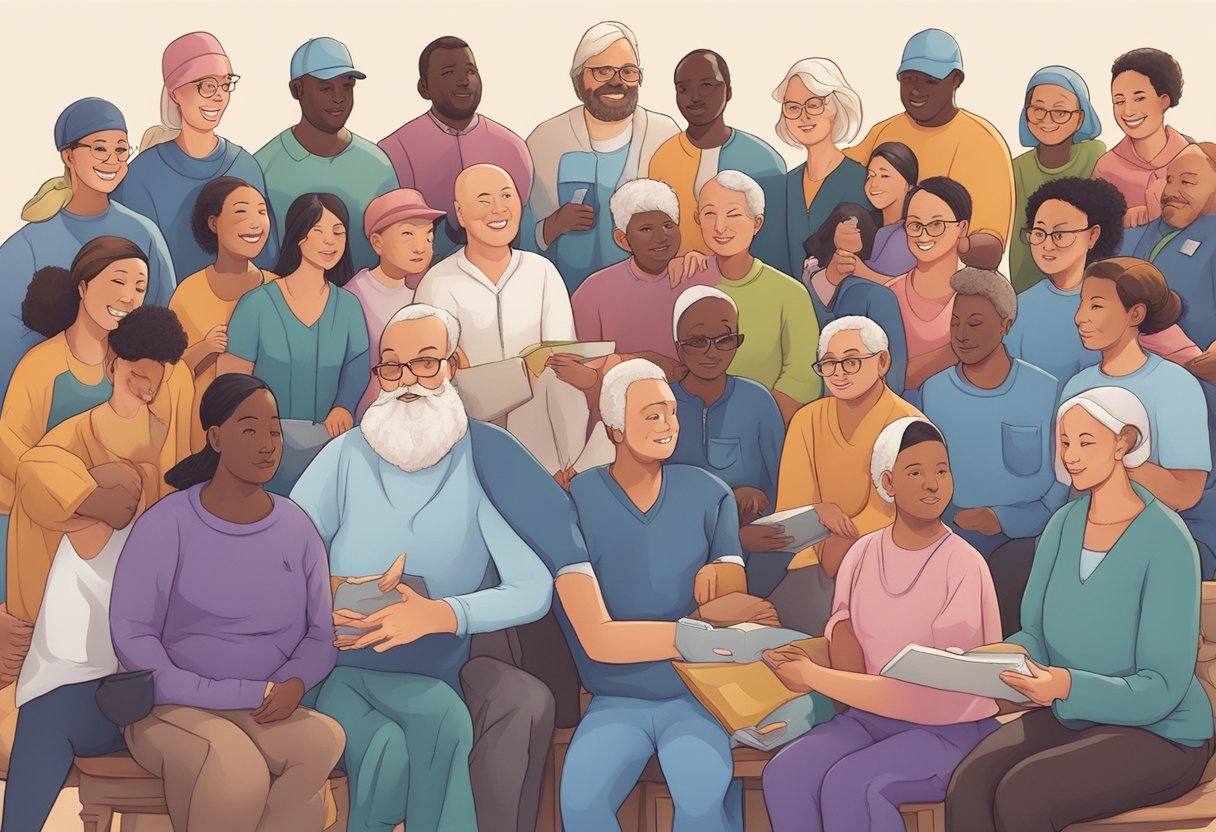
As thrivers, we know that solid support is crucial to our mental and emotional well-being. However, we can also use several tools to help us thrive during and after cancer treatment.
One of the most essential tools is exercise. Not only does it help us physically, but it can also boost our mood and improve our mental health. We don’t have to run a marathon or lift heavy weights to reap the benefits of exercise. Even a short walk or gentle yoga session can make a big difference.
Another tool for thriving is a healthy diet. Eating a balanced diet with plenty of fruits, vegetables, and whole grains can help us feel better physically and mentally. Staying hydrated and avoiding processed foods and sugary drinks is also important.
Mental health is just as important as physical health, and there are several tools we can use to support our mental well-being. Meditation, mindfulness, and therapy are all great options. We can also practice self-care by doing things we enjoy, such as reading, listening to music, or spending time with loved ones.
Finally, self-esteem is a critical tool for thriving. Cancer can take a toll on our self-esteem, but there are several things we can do to build it back up. Surrounding ourselves with positive people, practicing self-compassion, and setting achievable goals are all great ways to boost our self-esteem.
As thrivers, we know that these tools are not a one-size-fits-all solution. What works for one person may not work for another. However, we can thrive during and after cancer treatment by incorporating these tools into our lives and finding what works best for us.
Inspiration and Positivity

As cancer thrivers, we know how important it is to stay positive and inspired throughout our journey. It can be challenging sometimes, but we have found that focusing on hope and positivity can make all the difference.
One thing that has helped us stay inspired is surrounding ourselves with a robust support system. Whether it’s family, friends, or a cancer support group, having people who care about us and lift us when we need it most has been invaluable.
Another way we stay positive is by focusing on the things that bring us joy. For some of us, that might be spending time with loved ones, while for others, it might be pursuing a hobby or interest. Whatever it is that brings us happiness, we make sure to prioritize it in our lives.
We also try to maintain a positive outlook by reminding ourselves of our progress. Even on the most challenging days, we can look back and see how far we have come and how much we have overcome. This helps us stay motivated and hopeful for the future.
Finally, we try to approach our cancer journey with a sense of fun and humor. Cancer can be scary and scary, but finding ways to laugh and enjoy life can help us cope with our challenges. Whether making silly jokes with our loved ones or finding humor in the little things, we try to keep a lighthearted perspective whenever possible.
Overall, staying inspired and cheerful is key to our cancer thrivers journey. By surrounding ourselves with a strong support system, focusing on the things that bring us joy, maintaining a positive outlook, and finding ways to have fun, we can face our challenges with strength and resilience.
Resources and Education

As cancer thrivers, we understand the importance of having access to resources and education to help us navigate our journey. Whether finding support programs or learning about survivorship, having the correct information can make a difference.
One of the best resources available to us is the American Cancer Society. They offer a variety of programs and services to help us with everything from finding support groups to navigating financial challenges. Their ACS CARES program provides patients and caregivers one-on-one support and curated information to help us make informed decisions.
Another great resource is survivorship education and training for primary care providers. Studies have shown that such programs can improve outcomes for cancer thrivers by helping primary care providers better understand our unique needs and challenges.
In addition to these programs, many books and guides are available to help us educate ourselves about cancer and survivorship. One such book is “Cancer: Thriving and Surviving” by Dr. Karen Syrjala and Dr. James S. Cardozo. This guide provides practical advice and strategies for managing cancer survivorship’s physical and emotional challenges.
Social media can also be a valuable tool for connecting with other cancer thrivers and finding support. There are many online communities and forums where we can share our experiences and learn from others who have faced similar challenges.
Overall, having access to resources and education is essential for cancer thrivers. By staying informed and connected, we can better navigate our journey and find the support we need to thrive.
Honoring Cancer Thrivers

As cancer thrivers, we understand the importance of having a solid support system. It is through the love, care, and encouragement of our friends and family that we were able to overcome the challenges of cancer. We are grateful for the unwavering support that we received throughout our journey.
It is essential to honor cancer thrivers, not only for their strength and resilience but also for their ability to inspire others. As someone who has survived lymphoma cancer twice, I know firsthand the impact that a positive attitude and a supportive community can have on a person’s journey.
Cancer affects both men and women, and it is crucial to recognize the unique challenges that each gender faces. Women, for example, may face additional challenges related to breast cancer, while men may experience prostate cancer. We can better support and honor all cancer thrivers by acknowledging and addressing these differences.
Founded organizations such as the V Foundation have significantly contributed to cancer research and support for cancer thrivers. These organizations provide a platform for cancer thrivers to share their stories and inspire others. We are grateful for their dedication and commitment to the cause.
Honoring cancer thrivers is crucial to supporting those who have overcome cancer. Recognizing their strength, resilience, and unique experiences can create a more supportive and compassionate community for all cancer thrivers.
Final Thoughts…
As cancer thrivers, we know the value of having a solid support system. It is not just about having someone to talk to but also about having someone who understands what we are going through. We have been through the ups and downs of cancer treatment, and we know how important it is to have people who can lift us when we are feeling down.
One of the most powerful things about having a support system is the sense of community it provides. When we are going through cancer treatment, it can be easy to feel isolated and alone. But having a group of people there for us can make all the difference. We are reminded that we are not alone in this fight and that there are people who care about us and want to see us succeed.
Another benefit of having a support system is the practical help it can provide. Whether it is helping with household chores, running errands, or providing transportation to appointments, having people willing to lend a hand can make a big difference. It allows us to focus on our treatment and recovery, knowing that we have people who are there to help us with the day-to-day tasks that can become overwhelming during cancer treatment.
We are grateful for our support system, and we know that we could not have made it through cancer treatment without them. We encourage all cancer thrivers to seek out a support system if they have not already done so. It can make all the difference in their cancer journey. -T
Frequently Asked Questions
How can cancer survivors receive mental health support?
We understand that cancer can take a toll on our mental health. Thankfully, there are several ways we can receive support. One way is to seek counseling from a licensed therapist. Additionally, some hospitals offer support groups for cancer survivors. These groups provide a safe space to share experiences and connect with others who understand what we’re going through.
What are some positive experiences that cancer survivors have shared?
Cancer can be a challenging experience, but there are also many positive experiences that survivors have shared. For example, some survivors have found a new appreciation for life and are deeply grateful for the people and things around them. Others have found that their experience has given them a new perspective on life and become more resilient.
What are some practical ways to triumph over cancer?
There is no one-size-fits-all approach to triumphing over cancer. Still, some practical ways include maintaining a positive attitude, staying active, eating a healthy diet, and following your doctor’s treatment plan. A support system, whether family, friends or a support group, is also essential.
What are some common challenges that cancer survivors face?
Cancer survivors may face a variety of challenges, including physical, emotional, and financial. Some common physical challenges include fatigue, pain, and difficulty with mobility. Emotional challenges may consist of anxiety, depression, and fear of recurrence. Financial challenges may include the cost of medical treatment and lost income due to time off work.
What are some inspiring short stories about overcoming cancer?
There are many inspiring stories of cancer survivors who have overcome the odds. For example, this story features a woman who was diagnosed with breast cancer at a young age but went on to become a successful entrepreneur. Another inspiring story is this one about a man who was diagnosed with stage IV colon cancer but was able to beat the odds and achieve remission.
What are some promising developments in cancer research and treatment?
Many promising developments in cancer research and treatment include targeted therapies, immunotherapy, and precision medicine. These treatments are designed to be more effective and less toxic than traditional chemotherapy. Additionally, researchers are making progress in early detection and prevention, which can help save lives and improve outcomes for cancer survivors.
