

A Survivor’s Guide to Mindset Shift
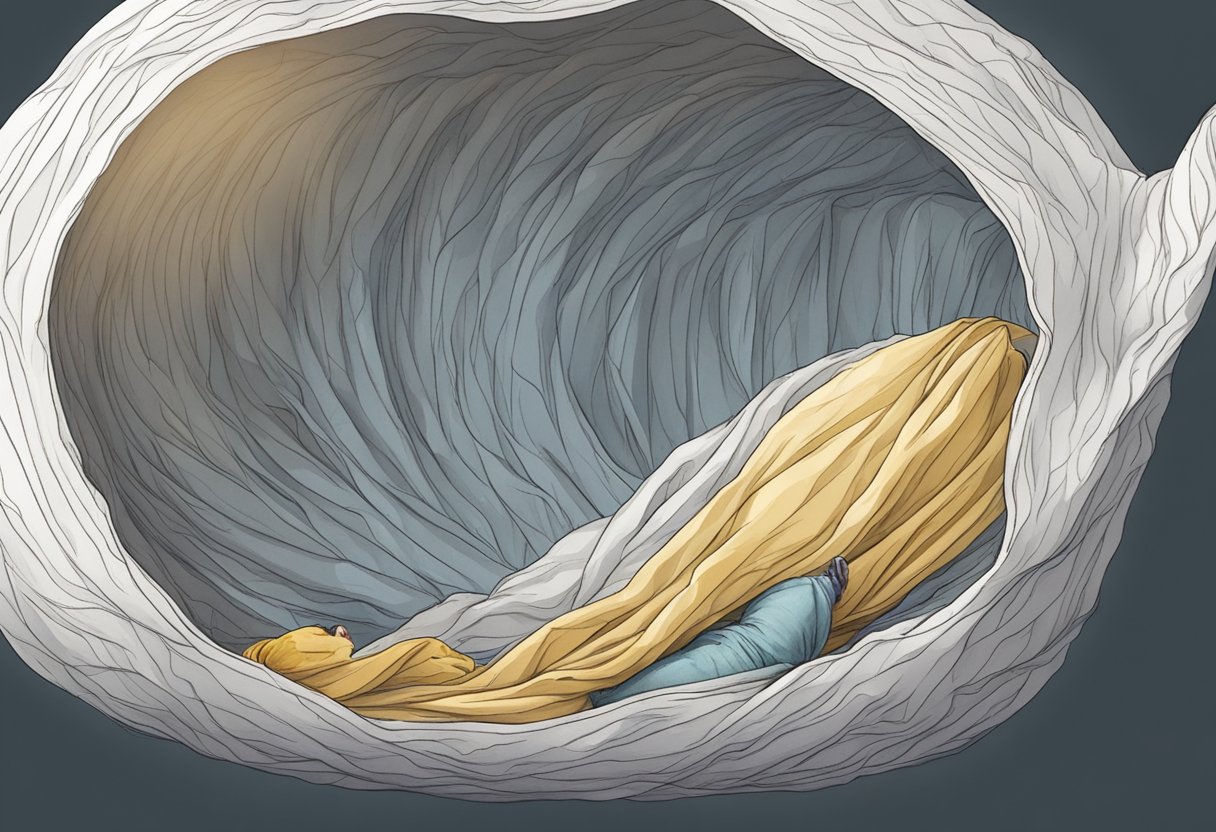
As a two-time male lymphoma cancer survivor, I know firsthand the challenges of navigating change and uncertainty. Whether it’s a health crisis, a job loss, or a global pandemic, life can throw unexpected curveballs that leave us feeling overwhelmed and helpless.
But as survivors, we have the power to shift our mindset and thrive through even the toughest of times.
Understanding the difference between surviving and thriving is key to making this shift. Surviving is about getting through the day-to-day tasks and challenges, while thriving is about finding meaning and growth amid adversity. By adopting a survivor’s mindset, we can learn to reframe our circumstances and see them as opportunities for growth and transformation.
In this article, I will share practical steps for thriving through change, including cultivating a survivor’s mindset, addressing PTSD, and moving forward after trauma. Whether you’re facing a personal crisis or navigating the challenges of a global pandemic, these strategies can help you find hope, resilience, and purpose amid uncertainty.
Understanding Survival and Thriving
As a two-time male lymphoma cancer survivor, I know firsthand the difference between surviving and thriving. Surviving is simply making it through a traumatic event.
It’s a necessary step, but it’s not enough. Thriving is about coming out of that event stronger and better than before. It’s about finding a new standard and making the most of your life.
Survivors often feel like they are just getting by. They are white-knuckling through life, barely making it to the next day. They are focused on the present moment and getting through it rather than planning for the future. Thrivers, on the other hand, are living and thinking abundantly. They are not just surviving, but they are thriving. They are focused on the future and making the most of it.
Survival is a necessary step in the process of thriving. It’s a time to regroup, recover, and heal. It’s a time to reflect on what has happened and what needs to change. It’s a time to take care of yourself and your loved ones. But it’s important to remember that survival is not the end goal. It’s just the first step in the process of thriving.
Traumatic events can be life-changing but don’t have to be life-defining. Survivors can choose to let their experiences hold them back, or they can choose to use them as a catalyst for growth and change. Thriving through change is about mindset shifts, preferring to see opportunities instead of obstacles, and taking action to create a better future.
Surviving is a necessary step in the process of thriving. Survivors can let their experiences hold them back or use them as a catalyst for growth and change. Thriving is about mindset shifts, seeing opportunities instead of obstacles, and taking action to create a better future.
The Survivor’s Mindset
As a 2-time male lymphoma cancer survivor, I know firsthand the importance of mindset when thriving through change. When faced with a traumatic experience, it’s easy to fall into survival mode, where we focus solely on getting through each day. However, shifting our mindset from surviving to thriving can make all the difference in our ability to survive and thrive.
Survival Mode vs Thriving Mode
Focusing on immediate needs and lacking long-term planning characterizes survival mode. In contrast, the thriving method involves a focus on growth and development and a willingness to take risks and embrace change. By shifting from survival mode to thriving mode, we can see opportunities for growth and development, even amid arduous circumstances.
Overcoming Victim Mentality
One of the biggest obstacles to thriving through change is victim mentality. When we see ourselves as victims, we give away our power and become passive recipients of our circumstances. To overcome victim mentality, we must take responsibility for our lives and choices and recognize that we can create our reality.
Harnessing Strength and Resilience
Strength and resilience are essential qualities for thriving through change. We can weather even the most brutal storms by focusing on our strengths and building our resilience. This involves recognizing our capabilities and building a support system of people who believe in us and our ability to overcome adversity.
Embracing Change with a Positive Attitude
Change is inevitable, but how we respond to it makes all the difference. By embracing change positively, we can see it as an opportunity for growth and development rather than a threat. This involves cultivating a growth mindset and focusing on the possibilities rather than the limitations.
Cultivating Mindfulness
Mindfulness is an essential tool for thriving through change. By practicing mindfulness, we can stay present in the moment and avoid getting caught up in worries about the future or regrets about the past. This involves cultivating a non-judgmental awareness of our thoughts and feelings and learning to observe them without getting caught up.
Adopting Success Mantras
Success mantras are powerful tools for shifting our mindset from surviving to thriving. By adopting positive affirmations and repeating them regularly, we can reprogram our subconscious mind and begin to see ourselves as capable and deserving of success. This involves choosing and repeating mantras that resonate with us regularly, especially during stress or uncertainty.
Healing from Trauma
Healing from trauma is a vital part of thriving through change. This involves recognizing trauma’s impact on our lives and taking steps to heal and move forward. This may include seeking professional help, practicing self-care, and finding healthy ways to cope with difficult emotions.
Dealing with Emotions
Dealing with difficult emotions is an essential part of thriving through change. This involves identifying and expressing our feelings and finding healthy outlets for stress and anxiety. This may include practicing mindfulness, journaling, or talking to a trusted friend or therapist.
Managing Anxiety
Anxiety is a typical response to change, but it doesn’t have to hold us back. By learning to manage our anxiety, we can stay focused on our goals and continue to move forward. This involves developing healthy coping mechanisms, such as deep breathing exercises or visualization techniques, and learning to recognize and challenge negative thought patterns.
Adopting a survivor’s mindset can teach us to thrive through even the most difficult changes. By focusing on our strengths, cultivating a positive attitude, and practicing mindfulness and self-care, we can build the resilience and strength to overcome adversity and create a life we love.
Practical Steps to Thrive

As a lymphoma cancer survivor, I know firsthand the importance of mindset shifts to thrive through change. Here are some practical steps that have helped me and can help you.
Utilizing Resources
When facing change, it’s essential to utilize all available resources. This may include seeking support from friends and family, joining a support group, or seeking professional help. Don’t be afraid to ask for help when you need it.
Developing Skills
Developing new skills can help you adapt to change and thrive in new situations. Consider taking classes or workshops to learn new skills or improve existing ones. This can also help boost your confidence and self-esteem.
Financial Stability
Financial stability is crucial when facing change. Make a budget, stick to it, and consider seeking financial advice if needed. Having an emergency fund is also essential in case of unexpected expenses.
Workplace Thriving
Change in the workplace can be challenging, but there are steps you can take to thrive. Focus on building positive relationships with coworkers and supervisors and seek out opportunities for professional development. Don’t be afraid to speak up and share your ideas and opinions.
Remember, mindset shifts take time and effort. But by utilizing resources, developing skills, maintaining financial stability, and thriving in the workplace, you can thrive through any change that comes your way.
Surviving and Thriving through Covid-19
As a two-time cancer survivor, I know firsthand how difficult it can be to navigate challenging times. The Covid-19 pandemic has brought a whole new level of uncertainty and stress to our lives. However, surviving and thriving through this crisis with a mindset shift is possible.
One of the most important things to remember during this time is to prioritize self-care. This means taking care of your physical health by getting enough sleep, eating healthy, and staying active. It also means taking care of your mental health by practicing mindfulness, staying connected with loved ones, and seeking professional help.
It’s also essential to be adaptable and flexible. With so much uncertainty and change happening, it’s crucial to be open to new ways of doing things and to be willing to adjust your plans as needed. This can help you stay resilient and maintain a positive outlook.
Finally, remember that we are all in this together. Contact friends and family for support, and look for ways to help others in your community. We can survive and thrive through this crisis by coming together and supporting each other.
Understanding and Addressing PTSD
As someone who has experienced trauma, I understand the impact that post-traumatic stress disorder (PTSD) can have on mental health. PTSD is a mental health condition that can develop after experiencing or witnessing a traumatic event. It can cause various symptoms that make it difficult to function daily.
Recognizing PTSD Symptoms
Recognizing the symptoms of PTSD is the first step in addressing the condition. Some common symptoms include:
- Flashbacks or intrusive memories of the traumatic event
- Avoidance of triggers that remind you of the trauma
- Adverse changes in thoughts or mood, such as feeling numb or detached
- Hyperarousal, such as feeling easily startled or constantly on edge
It’s important to remember that everyone experiences PTSD differently, and symptoms can vary in severity. If you’re sharing any of these symptoms, seeking help is essential.
Seeking Professional Help
PTSD is a treatable condition, and seeking professional help is integral to recovery. Counseling and therapy can help you learn coping skills and strategies to manage symptoms. Some medications can be effective in treating PTSD.
If you’re struggling with PTSD, reaching out for help is essential. Talk to your doctor or a mental health professional about your symptoms and treatment options. Remember, recovery is possible; seeking help is the first step toward healing.
Moving Forward After Trauma
As a lymphoma cancer survivor, I know firsthand how difficult it can be to move forward after experiencing trauma. However, I’ve found that it is possible to survive and thrive through change with the right mindset.
One of the most important things I’ve learned is to focus on the present moment and take things one day at a time. It’s easy to get overwhelmed when thinking about the future, but by staying present, I can manage my emotions better and progress towards my goals.
Another key aspect of moving forward after trauma is surrounding yourself with a supportive community. Whether it’s friends, family, or a support group, having people who understand what you’re going through can make all the difference. It’s essential not to be afraid to ask for help when needed.
In addition, it’s crucial to practice self-care and prioritize your physical and mental health. This includes exercise, meditation, therapy, and healthy eating habits. Taking care of yourself can help you feel more empowered and in control of your life.
Finally, it’s important to remember that healing is a process, and taking things at your own pace is okay. There may be setbacks along the way, but by staying focused on your goals and taking care of yourself, you can continue progressing and moving forward after trauma.
Frequently Asked Questions

What are some practical tips for developing a growth mindset?
Developing a growth mindset involves adopting a positive attitude towards challenges, embracing failure as an opportunity to learn, and seeking feedback to improve. Focusing on the growth process rather than just the end result is also important. This means setting achievable goals, breaking them into smaller steps, and celebrating progress.
What are some common challenges people face when trying to shift their mindset?
One common challenge is overcoming limiting beliefs and negative self-talk. Recognizing and replacing these thoughts with more positive and empowering ones is essential. Another challenge is staying motivated during times of change and uncertainty. This can be addressed by setting clear goals and reminding yourself of your “why” to stay motivated.
How can I stay motivated during times of change?
Staying motivated during change can be challenging, but it’s essential to keep focused on your goals and remind yourself of your “why.” This can involve setting achievable goals, breaking them into smaller steps, and celebrating progress. It’s also helpful to surround yourself with supportive people who can provide encouragement and accountability.
What are some ways to cultivate resilience and bounce back from setbacks?
Cultivating resilience involves developing coping mechanisms to help you bounce back from setbacks. This can include practicing self-care, seeking support from others, and reframing setbacks as opportunities for growth. It’s also essential to maintain a positive attitude and focus on the things that are within your control.
How can I reframe my thinking to see change as an opportunity for growth?
To reframe your thinking and see change as an opportunity for growth, adopting a growth mindset and focusing on the growth process rather than just the end result is essential. This involves embracing challenges, learning from failure, seeking feedback, and staying open to new experiences. It’s also helpful to maintain a positive attitude and focus on the things that are within your control.
What role does self-care play in mindset shifting and thriving through change?
Self-care plays a crucial role in mindset shifting and thriving through change. This involves taking care of your physical, emotional, and mental well-being by practicing healthy habits such as exercise, healthy eating, and getting enough sleep. Engaging in activities that bring you joy and help you relax, such as meditation or spending time in nature, is also essential. By taking care of yourself, you’ll be better equipped to handle the challenges of change and maintain a positive mindset.
