

Cancer Survivorship
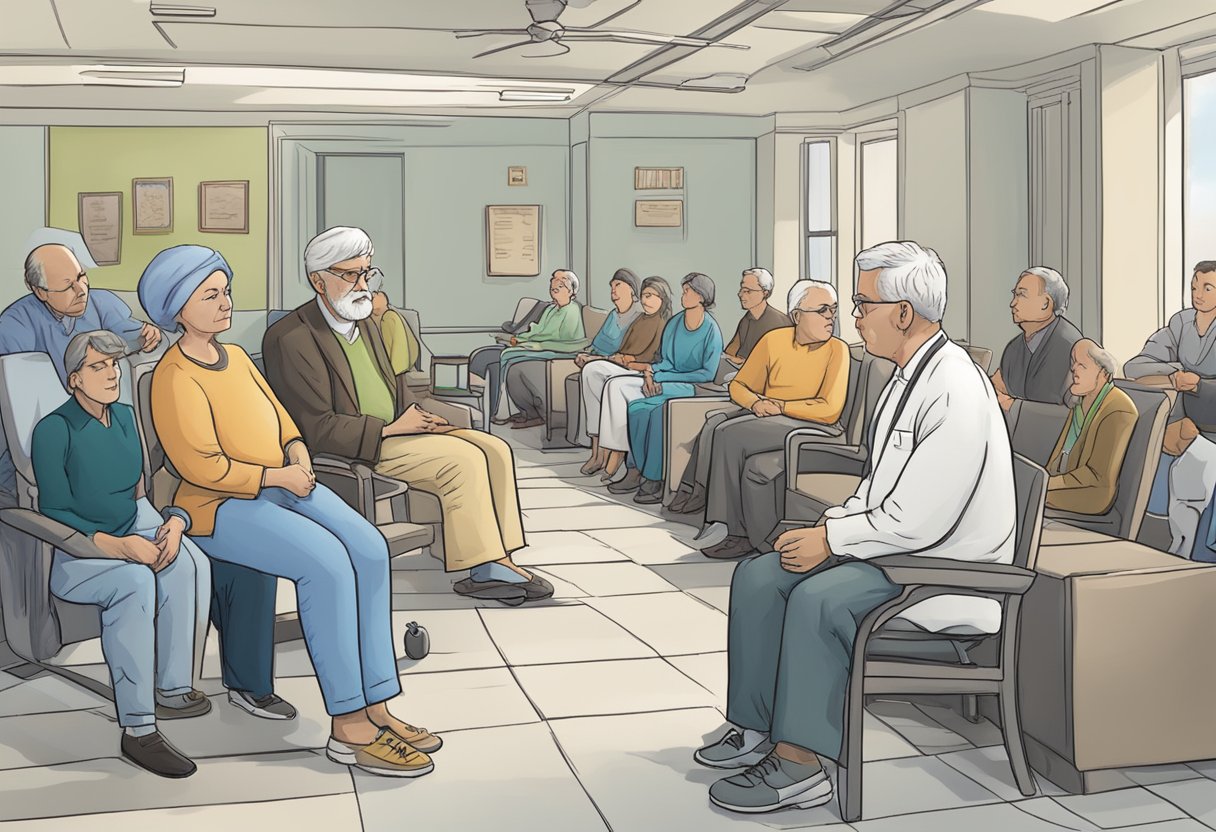
As a two-time lymphoma cancer survivor, I have learned firsthand the importance of discipline in cancer survivorship. The journey of a cancer survivor does not end with the completion of treatment. It is just the beginning of a new chapter in life that requires discipline, strength, and resilience.
Understanding cancer survivorship is crucial for cancer survivors to maintain a good quality of life. Survivorship includes physical and emotional challenges that can be overwhelming.
Cancer survivors must be disciplined in following up with their healthcare team and making lifestyle changes to improve their health. Support services and resources are also available to help cancer survivors navigate survivorship.
Key Takeaways
- Cancer survivorship requires discipline, strength, and resilience.
- Understanding cancer survivorship is crucial for maintaining a good quality of life.
- Follow-up care, lifestyle changes, and support services are important components of cancer survivorship.
Understanding Cancer Survivorship
As a two-time lymphoma cancer survivor, I know firsthand the challenges that cancer survivors face after completing treatment. Cancer survivorship refers to the period after cancer diagnosis.
During this time, cancer survivors often experience physical, emotional, and financial challenges. Survivorship care plans and survivorship programs are essential to address these challenges.
A survivorship care plan is a document that outlines the survivor’s treatment history, potential late effects of treatment, and recommended follow-up care. It also includes information on healthy lifestyle habits, such as exercise and nutrition, that can improve the survivor’s overall well-being. Survivorship care plans are essential to ensure that cancer survivors receive appropriate follow-up care and support.
Survivorship programs provide additional support to cancer survivors. These programs may include support groups, counseling services, and educational resources. They can also allow survivors to connect with others and share their experiences.
Cancer survivorship care is essential to promote the physical and emotional well-being of cancer survivors. Survivors must receive follow-up care and support to manage any late effects of treatment and maintain a healthy lifestyle.
Physical and Emotional Challenges
As a two-time lymphoma cancer survivor, I can attest to the physical and emotional challenges that come with cancer survivorship. Late effects of cancer treatment can persist throughout a patient’s lifetime, causing symptoms such as bone loss, lymphedema, and second cancer. These physical challenges can be complex to cope with, but it’s essential to seek medical attention and support from loved ones.
In addition to physical challenges, cancer survivors may also experience emotional challenges such as stress, depression, anxiety, and fear of cancer recurrence. Coping with these emotions can be as challenging as dealing with physical symptoms. It’s important to seek support from mental health professionals and to practice self-care techniques such as mindfulness, exercise, and spending time with loved ones.
One of the most challenging emotional experiences for cancer survivors is the fear of cancer recurrence. This fear can be overwhelming and can impact a survivor’s ability to enjoy life after treatment. It’s important to remember that this fear is normal and to seek support from loved ones and mental health professionals.
Cancer survivorship comes with both physical and emotional challenges. It’s essential to seek medical attention and support from loved ones to cope with physical symptoms such as bone loss, lymphedema, and second cancer. Additionally, seeking support from mental health professionals and practicing self-care techniques can help cope with emotional challenges such as stress, depression, anxiety, and fear of cancer recurrence.
Importance of Follow-Up Care
As a two-time lymphoma cancer survivor, I cannot stress enough the significance of follow-up care. After completing cancer treatment, it is crucial to have regular follow-up appointments with your doctor to monitor your health and detect any signs of recurrence.
During follow-up appointments, your doctor will review your treatment summary and perform physical exams, blood tests, and imaging tests to ensure your cancer has not returned. Early detection of recurrence is key to successful treatment and can improve your chances of survival.
It is understandable to feel anxious or scared about follow-up appointments, but it is essential to attend them. Skipping appointments or delaying follow-up care can lead to missed early detection and treatment opportunities.
In addition to monitoring for recurrence, follow-up care also includes managing any long-term side effects of cancer treatment. Your doctor can provide guidance and support to help you manage any physical or emotional changes you may experience.
Follow-up care is a critical aspect of cancer survivorship. Regular appointments with your doctor can help detect any signs of recurrence early, manage long-term side effects, and ensure that you are living a healthy life after cancer treatment.
Role of Healthcare Team
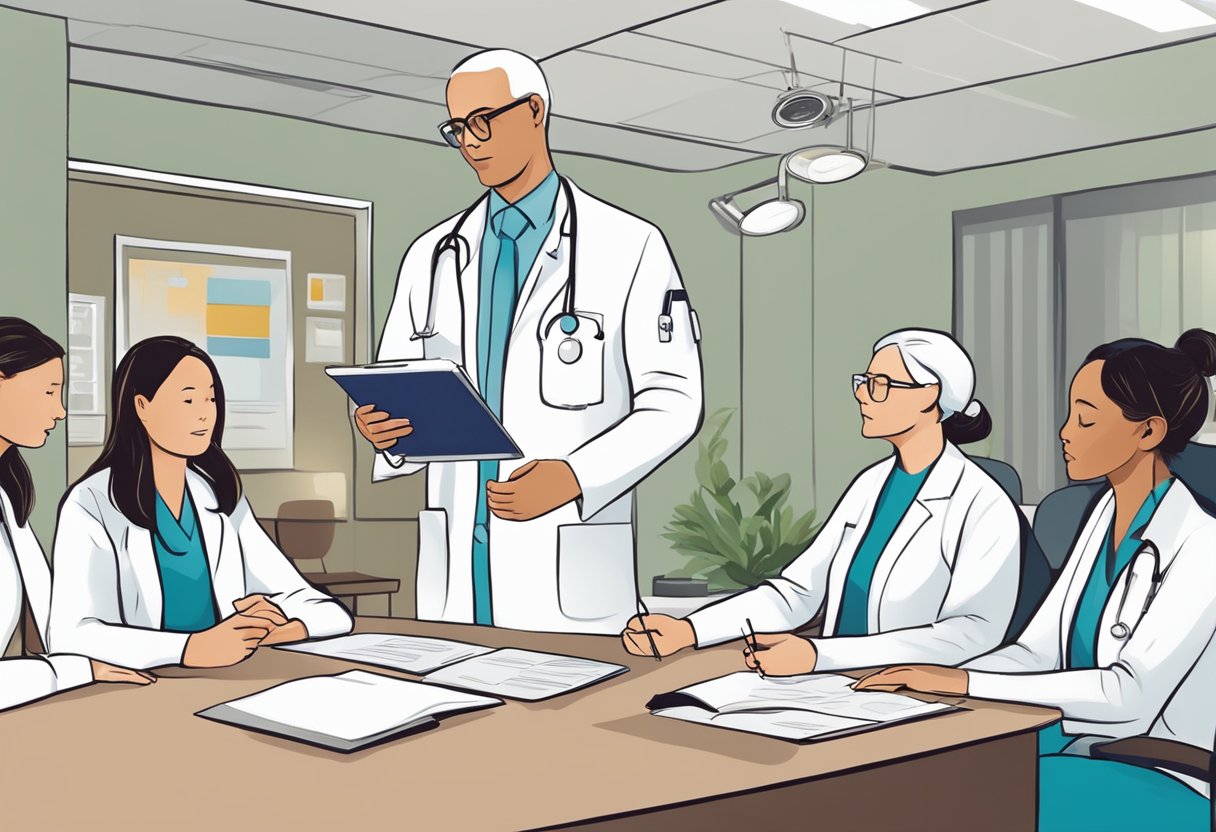
As a cancer survivor, I can attest to the crucial role that the healthcare team plays in survivorship care. My oncologist and nurse were instrumental in guiding me through the treatment process, from diagnosis to remission. They provided information about my treatment options and helped me make informed decisions about my care.
In addition to my oncologist and nurse, my care team included a physician who monitored my overall health, a social worker who provided emotional support and connected me with resources in the community, and primary care providers who oversaw my ongoing care after treatment.
Cancer centers often have multidisciplinary teams that work together to provide comprehensive care for survivors. These teams may include specialists in nutrition, physical therapy, and psychology, all of whom play a role in addressing the unique needs of cancer survivors.
Effective survivorship care requires coordination between all members of the healthcare team, as well as with the survivor and their family. This coordination ensures that survivors receive the support they need to manage the physical, emotional, and practical challenges of life after cancer.
The healthcare team plays a critical role in survivorship care, providing survivors with the resources, support, and guidance they need to navigate life after cancer.
Lifestyle Changes for Survivors
Fortunately, most survivors are highly motivated to improve their overall health, and making healthy lifestyle changes can help improve long-term health and reduce the risk of comorbid conditions.
One of the most critical lifestyle changes is nutrition. Eating a healthy diet with plenty of fruits and vegetables can help boost the immune system and reduce the risk of cancer recurrence. It’s essential to avoid processed foods, sugary drinks, and excessive alcohol consumption.
Exercise is also crucial for survivors. Regular exercise can help reduce fatigue, improve mood, and increase overall energy levels. It’s essential to find an exercise routine that works for you and stick to it, even if it’s just a few minutes a day.
In addition to exercise, it’s essential to maintain a healthy lifestyle overall. This includes getting enough sleep, managing stress, and avoiding smoking. Smoking cessation is crucial, as smoking can increase the risk of cancer recurrence and other health problems.
Overall, making lifestyle changes after a cancer diagnosis can be challenging, but it’s essential to prioritize your health and well-being. Making small changes over time can improve your overall health and reduce the risk of comorbid conditions.
Support Services and Resources

As a two-time lymphoma cancer survivor, I know firsthand how important it is to have access to support services and resources during and after treatment. These services can help you cope with the physical, emotional, and spiritual challenges that come with cancer and improve your quality of life.
One of the best resources available is the National Cancer Institute. They offer a variety of resources, including information on follow-up medical care, tips for adjusting to physical and emotional changes, and guidelines for a healthy lifestyle. They also have a comprehensive list of support services and tools for cancer survivors.
Support groups are another valuable resource. They provide a safe and supportive environment where you can connect with other cancer survivors who understand what you’re going through. You can share your experiences, ask questions, and receive emotional support and encouragement.
In addition to support groups, many other support services are available to cancer survivors, including counseling, financial assistance, and transportation services. These services can help alleviate some of the stress and burden that comes with cancer treatment and allow you to focus on your recovery.
It’s important to remember that you don’t have to go through cancer alone. Many resources and support services are available to help you through this challenging time. Don’t hesitate to reach out and take advantage of these resources.
Cancer Survivorship in Specific Populations

Being a two-time lymphoma survivor, I understand the unique challenges faced by cancer survivors in specific populations. Prostate cancer survivors, for example, may experience urinary incontinence and erectile dysfunction as a result of treatment. Breast cancer survivors may face body image issues and lymphedema.
Childhood cancer survivors and pediatric cancer survivors may experience developmental delays and long-term effects of chemotherapy and radiation.
Healthcare providers must be knowledgeable about these specific challenges and provide appropriate survivorship care. Survivorship programs should be tailored to meet the needs of each population, including physical, emotional, and psychosocial support.
For example, prostate cancer survivors may benefit from pelvic floor exercises and counseling on sexual health. Breast cancer survivors may benefit from physical therapy and support groups. Childhood cancer survivors and pediatric cancer survivors may benefit from educational resources and follow-up care to monitor for late effects.
Overall, survivorship care should be individualized and comprehensive, considering the unique needs of each cancer survivor population. As a survivor, I know the importance of feeling heard and supported throughout the survivorship journey. -T
Frequently Asked Questions
What are some key components of survivorship care?
Survivorship care involves monitoring and managing the physical and emotional effects of cancer treatment. It includes regular follow-up appointments with healthcare providers, ongoing support for managing symptoms and side effects, and access to emotional and psychological support resources.
How can cancer survivors cope with ongoing challenges?
Cancer survivors can cope with ongoing challenges by staying informed about their health, staying connected with support networks, and practicing self-care. This can include eating a healthy diet, exercising regularly, managing stress, and seeking professional help.
What are some common long-term effects of cancer treatment?
Common long-term effects of cancer treatment can include fatigue, pain, neuropathy, cognitive changes, and emotional distress. These effects can impact quality of life and may require ongoing management and support.
What can be done to improve the quality of life for cancer survivors?
Improving the quality of life for cancer survivors can involve a range of approaches, including symptom management, emotional and psychological support, and access to resources for practical and financial assistance. Engaging in self-care practices and staying connected with support networks can also be helpful.
How long can a cancer survivor expect to live after treatment?
Life expectancy after cancer treatment can vary depending on a range of factors, including the type and stage of cancer, the effectiveness of treatment, and individual health status. Survivors must work closely with their healthcare providers to monitor their health and manage ongoing concerns.
What resources are available for cancer survivors to help manage their care?
A range of resources are available for cancer survivors, including support groups, counseling services, financial assistance programs, and educational materials. Healthcare providers can also provide guidance and support for ongoing care and treatment.
