

Embrace a Healthier Lifestyle to Combat Cancer Risks
Living toxin-free is more than a trend; it’s a commitment to a healthier lifestyle that benefits us and the environment. Our everyday decisions, from what we eat to the products we use, significantly impact our well-being.
In our journey to thrive beyond cancer, aligning our lifestyle choices with our health ambitions is vital.
We meticulously select foods and adopt routines that contribute to a robust defense against illnesses, especially after facing the trials of lymphoma—twice.

Navigating the myriad of labels and certifications can be overwhelming, but we’ve learned to cut through the marketing noise to identify health-conscious options.
We as men must be aware of the products we use on our bodies and in our homes—substances that could affect our long-term health.
Simple swaps like choosing natural cleaners and discerning personal care items can make a difference.
Integrating sports and physical activity into our routine has helped us rebuild strength and enriched our lives with joy and community.
Key Takeaways
- Adopting a toxin-free lifestyle supports long-term health and environmental wellness.
- Careful selection of foods and products ensures minimal exposure to harmful substances.
- Embracing sports and physical activity is key to building resilience and community.
Understanding Toxins and Their Effects on Health
Toxins surround us, concealed within many products we use daily. These substances range from cleaners’ chemicals to personal care items’ additives, all profoundly affecting our health.
Recognizing Harmful Chemicals in Everyday Products
Cleaning Supplies: We often find a cocktail of chemicals under our sinks. Products labeled with ‘chlorine,’ ‘ammonia,’ or ‘phthalates’ should raise red flags.
These substances can contribute to respiratory issues and other health complications.
Personal Care Items: Shampoos, soaps, and deodorants can carry parabens and formaldehyde-releasing preservatives.
Such compounds are linked to hormonal imbalances and can even push our bodies toward diseases like cancer or infertility.
Action Steps:
- Opt for cleaners that list all ingredients and favor natural substances like vinegar or baking soda.
- Choose personal care products free from parabens, phthalates, and synthetic fragrances.
The Impact of Toxins on Human Health and Well-Being
Physical Health: Continuous exposure to harmful chemicals can manifest in chronic diseases such as obesity, heart disease, liver issues, or diabetes.
Some toxins are known carcinogens, leading to various forms of cancer, including lymphoma, which many men, including myself, have courageously fought through.
Mental Health: It’s not just about the body. Our mental state can take a hit, too.
Toxins are associated with increased risks of depression and other mental health challenges.
Lifestyle Adjustments:
- Engaging in sports and physical activities can help our bodies detoxify naturally.
- Incorporate toxin-free practices in our kitchens, bedrooms, and bathrooms.
The Role of Food in Toxin-Free Living
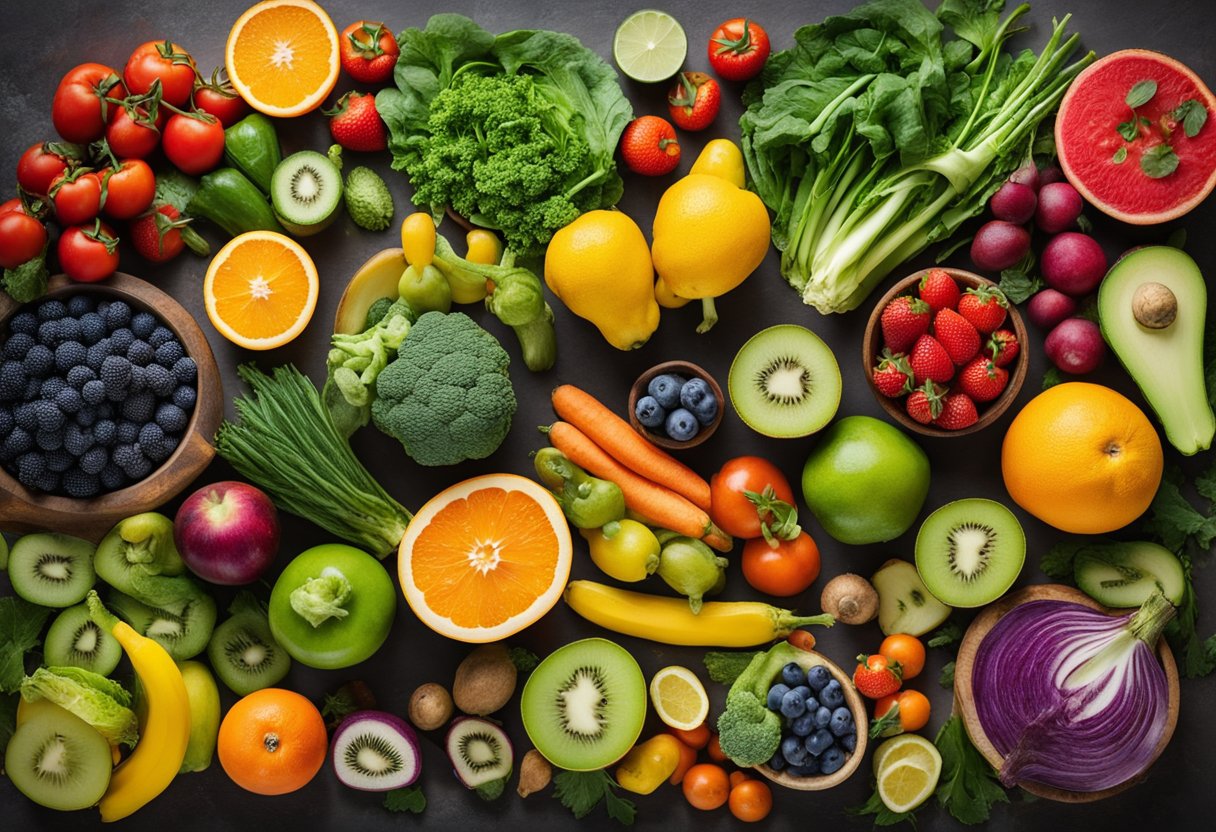
We live in a world where the purity of what we consume is directly linked to our health. Our choices can lead us toward a life less burdened by toxins.
In carefully selecting what goes on our plates, we take a decisive step in preventing the hidden harm that can accompany our meals.
Identifying and Avoiding Toxins in Food
When we scrutinize the ingredients in our food, we’re often alarmed by the presence of additives and preservatives.
Many substances, such as specific artificial colors and flavors, may introduce unwanted toxins into our bodies.
Heavy metals like lead and arsenic can sneak into food through contaminated soil and water, while pesticides used in conventional farming may reside on and in fruits and vegetables.
Radiation is another concern, as it can contaminate food through environmental exposure.
To mitigate these risks, we can opt for toxin-free products and become savvy label readers, looking for food with minimal synthetic pesticides.
We’re more vigilant, especially when navigating the Dirty Dozen, a list highlighting produce with high pesticide residue levels.
By washing our food and being mindful of our food, we become champions in our quest for a toxin-free existence.
- Tips for Avoiding Toxins in Food:
- Choose foods labeled as having no added preservatives.
- Opt for produce from the Dirty Dozen list that is certified organic.
- Wash fruits and vegetables thoroughly to remove contaminants.
- Avoid plastic containers that might leach chemicals into food.
Benefits of Organic Foods
Organic foods are not just trendy but a deliberate stride toward toxin-free living.
Foods grown organically adhere to strict guidelines that prohibit using most synthetic pesticides and fertilizers, reducing our exposure to harmful chemicals.
These practices also support ecological balance and conserve biodiversity, ensuring the food on our table respects the environment it came from.
Organic products often have higher levels of certain nutrients and are free from genetically modified organisms (GMOs).
Furthermore, incorporating fresh herbs and utilizing organic ingredients can enhance the natural flavors in our meals, making our culinary experiences both healthier and more enjoyable.
- Reasons to Choose Organic:
- Reduced exposure to pesticides and chemicals.
- Higher nutrient levels in some organic produce.
- Eco-friendly farming practices that protect our planet.
Personal Care Products

We often don’t realize that the personal care products we use daily can be a source of toxic exposure.
Let’s focus on making safer choices for our skin and overall health.
Navigating Toxic Ingredients in Personal Care Items
Many personal care items contain phthalates and parabens, synthetic compounds that can disrupt hormone function.
Fragrances in these products often conceal a mixture of chemicals, some linked to health issues.
Materials like BPA in containers can leach into products, posing another risk. Here’s a snapshot of these toxins:
- Phthalates: Found in items with fragrance; linked to hormone disruption.
- Parabens: Utilized as preservatives; raise concerns about cancer risk.
- BPA: Present in some plastics; associated with adverse health effects.
As we seek a non-toxic lifestyle, let’s scrutinize labels, avoiding these harmful additives.
We strive for transparency and safety, acknowledging that what we apply to our skin matters as much as what we feed our body.
Natural Alternatives for Skin and Body Care
We’ve embraced natural alternatives for our skin and body care, finding solace in organic ingredients and natural elements that nurture.
Coconut oil is a versatile champion—perfect for moisturizing skin and as a shaving cream. Consider these natural ingredients as allies:
- Aloe Vera: Soothes and hydrates with gentle purity.
- Shea Butter: Deeply moisturizes without clogging pores.
- Tea Tree Oil: Offers antiseptic properties, ideal for post-shave application.
When we select personal care products, opting for natural, recognizable ingredients is a step toward our shared goal—a vigorous, toxin-free existence.
Household Cleaning and Maintenance

In our homes, the products we use to clean and maintain our spaces can carry hidden risks to our health.
Toxic Substances in Cleaning Supplies
Many conventional cleaning supplies contain harmful chemicals like ammonia, chlorine bleach, and formaldehyde. These substances are abrasive and can release volatile organic compounds (VOCs) into our indoor environment, compromising our air. Labels are crucial; they inform us about the contents and necessary precautions. However, not all ingredients are always listed. This is especially true for fragrances and dyes, which are often synthetic and potentially harmful.
- Look Out For:
- Bleach: potent disinfectant with respiratory risks.
- Ammonia: powerful cleaner that can irritate skin and lungs.
- Formaldehyde: a preservative that can cause allergic reactions.
Eco-Friendly Housekeeping Options
Transitioning to eco-friendly cleaning options benefits us and the environment. Eco-friendly products with labels like ‘green’ or ‘natural’ have fewer harmful chemicals and often use plant-based ingredients. Integrating an air purifier can help minimize airborne irritants and provide an extra layer of protection.
When choosing natural options, consider homemade cleaners using vinegar, baking soda, and essential oils. These can be just as effective without the harsh side effects.
- Natural Alternatives:
- Vinegar and Baking Soda: Safe for most surfaces and effective for many cleaning tasks.
- Essential Oils: Add pleasing scents and cleaning power without synthetic fragrances.
Environmentally Conscious Living
Embracing a toxin-free lifestyle significantly benefits the air we breathe and the environment. Making simple yet effective changes in our daily lives can reduce our exposure to harmful chemicals and contribute to a healthier planet.
Reducing Environmental Toxins
Our homes can harbor various environmental toxins, often hidden in products we use daily. To ensure a clean indoor air environment, we must scrutinize using household cleaners and personal care items. The Environmental Working Group offers extensive resources to identify safe products and reduce our reliance on those containing harsh chemicals. Here’s how to minimize toxins:
- Choose cleaners labeled as eco-friendly. These contain fewer harsh substances, impacting indoor air quality more gently.
- Prioritize organic personal care items, as they typically avoid synthetic pesticides, which can linger on the skin and in our homes.
- Exchange synthetic fabrics for organic cotton, especially for bedding and clothing, to reduce our contact with potentially harmful processes and residues.
These efforts extend to our food; a diet focused on organic options reduces pesticide intake, supporting our health and sustainable agricultural practices.
Sustainable Practices at Home and Beyond
Implementing sustainable practices transcends mere preference—a commitment to our health and future. Incorporate sustainability into everyday choices as a foundation for toxin-free living:
- At home: Switch to renewable energy sources and use energy-saving habits like turning off idle appliances.
- Beyond home: Advocate for cleaner transportation options and support policies that encourage the reduction of environmental toxins and pollutants.
Navigating Labels and Certifications
In our quest for toxin-free lifestyles, understanding product labels and certifications is crucial in limiting our exposure to potential carcinogens.
Deciphering Labels on Products and Produce
Labels can be like mazes, but we’ve learned to navigate them expertly. When examining products and produce, we look for the Environmental Working Group’s (EWG) Skin Deep database to help us decode the components of personal care items. We also scrutinize labels for terms like “phthalate-free” or “no synthetic fragrances,” especially in air fresheners, which are often culprits in introducing unwanted chemicals into our homes.
Understanding Organic and Non-Toxic Certifications
For organic foods, the “USDA Certified Organic” seal is our beacon, denoting products that have been produced following strict governmental standards laid out by the FDA in the United States. Beyond food, “certified organic” labels also guide us in choosing non-food items that align with our non-toxic living goals.
Australian Certified Organic (ACO) is another reliable certification we trust, ensuring we choose healthier, environmentally conscious products. As a community of survivors, we leverage these certifications as tools to defend our well-being and support each other in making informed choices.
Building a Toxin-Free Lifestyle

Forging a path to a toxin-free lifestyle lays the foundation for enduring well-being. We focus on two pivotal areas: incorporating daily non-toxic practices and tapping into supportive community resources.
Incorporating Non-Toxic Practices into Daily Life
We embrace habits that free our living spaces and bodies from harmful substances. Switching to natural cleaners eliminates the risk of inhaling or touching harsh chemicals that might disrupt our endocrine systems. For instance, a simple vinegar and baking soda mixture can perform many cleaning tasks without any adverse effects.
We prefer filtered over tap water in the quest for purity in our consumption. This small change can significantly reduce our consumption of potentially hazardous contaminants such as mercury and PFAS. We advocate using filters capable of purifying water to safe levels for our daily intake.
When reflecting on diet and substance use, we abandon vices that introduce toxins into our bodies. Choosing organic produce and reducing processed food intake are steps towards a non-toxic lifestyle. Meanwhile, avoiding drugs and excess alcohol serves our mission to heal and thrive post-cancer.
Accessing Resources and Building Community Support
We explore our community for suppliers that champion a toxin-free ethos. These allies could range from local farmers to businesses supplying chemical-free personal care products. Aligning with groups that understand and support our toxin-free objectives is pivotal.
Simultaneously, we forge bonds with fellow cancer thrivers. Participating in sports and activities tailored for men in cancer recovery helps us build resilience and camaraderie. Such connections are invaluable, offering peer support and exchanging knowledge about non-toxic living options and practices.
Final Thoughts
As individuals who have faced lymphoma—not once, but twice—we possess a shared wisdom that runs deep. We’ve recognized that our homes should be sanctuaries free of harmful substances. Together, we can choose safer alternatives to everyday items contributing to a toxin-free lifestyle.
- Household Cleaners: Opt for natural, eco-friendly products or consider homemade solutions utilizing vinegar, baking soda, and essential oils.
- Personal Care Items: Seek out brands dedicated to non-toxic formulations. Check labels for parabens, phthalates, and synthetic fragrances.
Let us support one another in adopting practices that nurture our well-being. Engage in dialogue with other men who are on this journey. Share tips and experiences, and favor products that enhance our health. -T
Here’s a table summarizing ideal choices:
| Aspect | Conventional Choice | Safer Alternative |
|---|---|---|
| Cleaning Supplies | Bleach, Ammonia | Vinegar, Citrus Oils |
| Personal Care | Synthetic Additives | Organic Ingredients |
| Home Environment | Artificial Air Fresheners | Natural Aromatherapy |
Frequently Asked Questions
Navigating the journey toward toxin-free living can enhance our overall well-being and may play a part in cancer prevention and survival. Here, we address crucial queries to help us make informed choices.
What are the best ways to identify toxin-free products?
We seek labels such as “organic,” “natural,” or “chemical-free,” but we must also learn to scrutinize ingredient lists for hidden toxins. Certifications like “Made Safe” or “EWG Verified” signal safer choices for our health.
How can adopting a toxin-free lifestyle contribute to cancer prevention and survival?
Reducing our exposure to known carcinogens in everyday products helps lower the overall toxin burden on our bodies. This proactive approach supports our immune system and can be a cornerstone in preventing cancer and bolstering our survival from illnesses like lymphoma.
What are the key components of a non-toxic living space?
Opt for furniture and building materials that eschew harmful chemicals like formaldehyde. Ensure ventilation systems are clean and efficient, and choose cleaning products with minimal and transparent ingredients to foster a home that’s a sanctuary, free from environmental threats.
How does food contribute to a non-toxic lifestyle, and what should consumers look for?
We safeguard our health by selecting whole foods and avoiding processed items laden with preservatives and artificial additives. Vigilance is vital—monitor food labels for red flags and gravitate towards sustainable and organically grown produce whenever feasible.
Are there any comprehensive guides to chemical-free living specific to the UK?
Resources like the “Chemical-Free Living” guide from Friends of the Earth UK offer invaluable information and practical tips for those in the UK. The guide is tailored to the products and regulations we encounter daily.
What are the success rates and survival stories of patients with advanced-stage cancer?
Encouragingly, strides in treatment and early detection methods have improved survival rates for many types of cancer, including advanced stages.
Personal testimonies from resources like Cancer Research UK inspire us with stories of resilience and adversity conquered.
