

Journey of Resilience and Success
When we embark on the journey of educational pursuits as cancer thrivers, there is a unique blend of challenges and triumphs.
From our experience, the battle with cancer does not end with treatment; it reshapes our lives in numerous ways. Empowering ourselves through education can provide direction and foster resilience.
It’s about finding a renewed sense of purpose and making informed decisions about our health and lifestyle.

For men who have faced cancer, it is crucial to stay informed about the disease, its symptoms, and the latest treatment options.
Regular check-ups and early detection can significantly impact outcomes. Through education, we equip ourselves to recognize warning signs and seek timely medical advice. Access to resources and support networks can make a significant difference in navigating post-treatment life.
Focusing on physical activity and overall well-being can enhance our quality of life.
Engaging in sports and staying active helps maintain health and reduce the risk of recurrence.
As fellow survivors, we understand the challenges, and supporting each other through shared experiences and resources is essential.
Key Takeaways
- Education provides purpose and resilience.
- Early detection and timely care improve outcomes.
- Physical activity enhances the quality of life.
Understanding Cancer in Men

Cancer affects numerous men globally, with certain types presenting more frequently. Gaining knowledge about these cancer types, their statistics, risk factors, and prevention can empower us to take proactive measures.
Cancer Types and Statistics
Certain cancers are more prevalent among men. Prostate cancer is the most common, apart from skin cancer. It is also the second-leading cause of cancer death after lung cancer.
According to Cancer Facts for Men, about 1 in 8 men will get prostate cancer in their lifetime.
Lung cancer remains a significant threat to men’s health. It has a high mortality rate compared to other cancers.
Additionally, colorectal cancer is another type that affects men, with cases increasing with age. Our focus should be educating men about these common cancers and their implications.
Risk Factors and Prevention
Several risk factors contribute to cancer in men.
Age is a significant factor; the risk increases as we age. Family history also plays a role; men with close relatives diagnosed with cancer should be vigilant.
Additionally, lifestyle choices such as smoking, poor diet, and lack of exercise increase the likelihood of developing cancer.
Prevention involves adopting healthier habits.
Quitting smoking reduces the risk of lung cancer, while a balanced diet and regular exercise can mitigate colorectal and prostate cancers.
Regular screening is crucial. Early detection through screenings allows for more treatment options and better outcomes.
We must advocate for and participate in cancer awareness and prevention initiatives. Encouraging regular check-ups can help us stay ahead of the disease.
Diagnosis and Early Detection
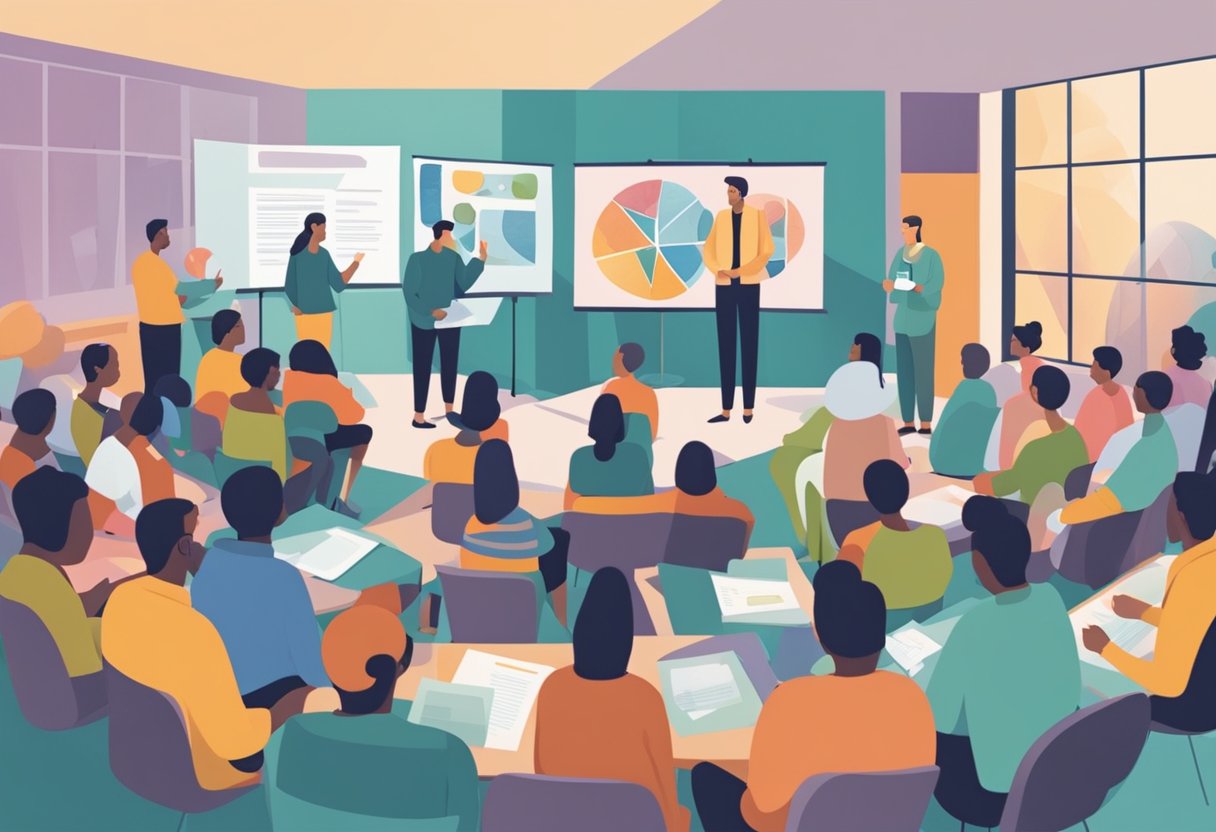
Addressing cancer diagnosis and early detection can save lives. Understanding screening and initial reactions is vital in navigating this challenging time.
Screening and Testing
Routine cancer screening helps find cancer early when treatment is more effective.
For us, as male cancer thrivers, regular check-ups are crucial.
Testing can include blood tests, imaging, and biopsies.
The importance of early detection cannot be overstated, as it leads to better treatment options and outcomes.
During my journey, doctors performed a series of tests to identify the lymphoma. Early detection made all the difference.
Regular screenings for prostate, colorectal, and other cancers can give us a better chance of fighting the disease.
Let’s encourage each other to stay proactive about our health.
Initial Reactions to Diagnosis
Receiving a cancer diagnosis can flood us with anxiety and fear.
When my doctor first told me, I felt overwhelmed. It’s natural to experience a range of emotions.
The initial reaction often includes shock and disbelief, but acceptance follows as we understand our treatment path.
Our reaction impacts how we face the fight ahead.
Seeking support from loved ones and professionals helps us cope.
Setting learning goals during this period can provide purpose and a sense of control over the situation.
We have the strength to face this challenge together, focusing on hope and resilience.
Treatment Approaches

Navigating cancer treatment requires understanding available options. This includes conventional treatments, clinical trials, and holistic therapies. Each path offers unique benefits.
Conventional Treatments
The primary conventional treatments for male cancers include surgery, chemotherapy, and radiation therapy.
Surgery aims to remove tumors and affected tissues, often the first line of defense.
Chemotherapy uses drugs to kill cancer cells or stop them from dividing, tailored to individual needs.
Radiation therapy targets areas with high-energy rays, shrinking tumors and killing cancer cells.
These methods are often combined, depending on the cancer stage and type.
- Surgery: Removes cancerous tissues.
- Chemotherapy: Utilizes powerful drugs.
- Radiation Therapy: Focuses high-energy rays.
Understanding these options helps us decide our situation’s best course of action.
Clinical Trials and New Research
Staying informed about clinical trials can provide access to the latest treatments and innovations.
New research continually develops advanced therapies, targeting specific cancer types more effectively.
Targeted therapies attack cancer cells precisely, often leading to fewer side effects.
Immunotherapy boosts our immune system to fight cancer more effectively.
Clinical trials often provide cutting-edge treatment alternatives beyond standard care, and participating in them can contribute to future breakthroughs.
- Targeted Therapies: Specific to cancer cell markers.
- Immunotherapy: Enhances immune response.
- Clinical Trials: Offers advanced treatment options.
Taking part in clinical trials can empower us with innovative options and contribute to cancer research.
Holistic and Complementary Therapies
Holistic and complementary therapies focus on overall well-being alongside conventional treatments.
These include acupuncture, yoga, meditation, and nutritional counseling.
Acupuncture may reduce treatment side effects like nausea and pain.
Yoga and meditation promote mental and physical relaxation, helping cope with stress.
Nutritional counseling tailors diet plans to enhance health and energy levels.
Embracing these therapies can help us manage symptoms and improve our quality of life.
Integrating these approaches can provide comprehensive support during our cancer journey.
Survivorship and Thriving
Surviving cancer means not just living but also thriving. We focus on finding strengths, setting learning goals, and managing long-term health to lead fulfilling lives.
Life After Cancer
Life after cancer involves embracing new beginnings.
Many of us find strength in setting learning goals. Pursuing new skills or knowledge provides a sense of purpose.
For instance, some of us take up new hobbies or even start academic courses.
It’s crucial to stay engaged and proactive. Connecting with fellow survivors can be beneficial.
Sharing our experiences can create a support network.
Maintaining a positive outlook and practicing gratitude can also help improve our mental well-being.
Long-Term Health Management
Managing long-term health is a key to thriving.
Regular check-ups are essential for monitoring potential recurrences.
We must follow personalized care plans tailored to our specific needs.
Exercises like walking or swimming help keep us strong and active.
Nutrition also plays a significant role.
A balanced diet of fruits, vegetables, and lean proteins supports our recovery.
Engaging in preventive care practices can make a difference in our overall wellness.
Living as a cancer thriver means consciously taking steps to maintain our health and pushing forward with resilience and gratitude.
Strong determination to thrive keeps us motivated to live our best lives.
Emotional Well-being

Cancer and its treatments can profoundly impact our emotional health. Focusing on mental health care and building a solid support system helps us navigate this challenging journey.
Mental Health Care
Managing stress and maintaining a positive mindset are crucial during and after cancer treatment.
Men often face unique challenges in expressing emotions, which can lead to depression and anxiety.
Setting learning goals, engaging in hobbies, or seeking therapy can aid in emotional recovery.
Laughter also offers significant benefits. It can reduce stress and improve our overall outlook on life.
Regular check-ins with mental health professionals help promptly monitor and address emerging issues.
Exercise is another essential element.
Physical activity boosts our mood, enhances energy levels, and aids physical recovery.
Creating a routine that includes mindfulness practices, such as meditation, helps keep our mental health in check.
Building a Support System
Having a reliable support system is vital.
This network can include family, friends, and support groups. For many of us, sharing experiences with others who understand our journey makes a big difference.
We must encourage open communication with our loved ones. Talking about our feelings and fears allows us to move forward together, reducing the burden on any single person.
Joining local or online support groups offers additional support layers, connecting us with those who have faced similar challenges.
Professionals, such as counselors or therapists, can provide guidance and tools to cope better with the emotional toll of cancer.
Building a diverse support system ensures we have numerous resources and people to turn to during difficult times.
Physical Activity and Lifestyle
Engaging in physical activity and maintaining a balanced diet can significantly aid in recovery for men recovering from cancer treatments. These elements promote overall strength and well-being.
Exercise and Recuperation
Regular physical activity is crucial for male cancer thrivers.
It helps manage weight, reduce fatigue, and improve mood.
Exercises like walking, swimming, and light strength training are practical.
The Prostate Cancer Active Lifestyle Study (PALS) shows that structured exercise can enhance survival rates.
Activities should be tailored to individual needs and recovery stages. Starting with short, gentle exercises and gradually increasing intensity supports sustained recovery.
Active routines create a sense of achievement, build physical strength and combat stress.
Joining support groups or exercise programs, particularly those designed for cancer survivors, can offer motivation and companionship.
Nutrition and Diet
Proper nutrition is pivotal for maintaining strength and aiding recovery.
Emphasizing whole foods, fruits, vegetables, lean proteins, and healthy fats supports immune function and energy levels.
A study on Active for Life After Cancer highlights the benefits of a structured nutritional plan.
We should focus on balanced meals rich in vitamins and minerals. Avoiding processed foods and excessive sugars is beneficial.
Staying hydrated and consuming small, frequent meals can help manage treatment side effects like nausea.
Collaborating with a nutritionist can provide personalized dietary advice. Setting realistic nutrition goals fosters a proactive approach to long-term health and well-being.
Community and Resources

Cancer thrivers find strength in both educational tools and communal networks. Access to the right resources can empower us to navigate our health journeys with confidence and knowledge.
Educational Materials
Having access to reliable educational materials is vital for patients and their families. These resources help us understand our diagnosis and treatment options.
Websites like the National Cancer Institute provide comprehensive guides about various cancers, including prostate cancer awareness in Black men.
Additionally, digital magazines like Thrive offer survivor stories and tips.
These materials are often available in various formats, such as articles, videos, and interactive tools.
Libraries and hospitals frequently provide pamphlets and booklets. These physical resources complement online options and can be helpful for those who prefer non-digital formats.
Educational workshops and webinars are becoming more common, providing deeper insights into cancer research and therapies.
Networking and Support Groups
Connecting with others who share our experiences can make a big difference in our journey.
Support groups offer a safe space to share our stories, struggles, and triumphs.
Organizations often host these groups in person or online, making them accessible to many.
Engaging with a community helps us feel less isolated.
Prostate cancer networks, for instance, focus on awareness and early detection. We can participate in conversations and find emotional support through local and online forums.
Events like cancer walks and fundraisers bring thrivers together. They provide opportunities to meet others who understand our challenges.
Through these networks, we can be inspired and inspire others in return.
Links like those found on Today also provide stories that can motivate us to keep moving forward. -T
Frequently Asked Questions
Navigating life after surviving cancer involves finding activities and resources that can aid in recovery and mental well-being. Here, we answer common questions about retreats, outdoor activities, virtual programs, camps, enjoyable home activities, and finding grants or sponsored trips.
What types of free retreats are available for cancer patients?
Free retreats for cancer patients include wellness retreats focused on relaxation and holistic treatments.
Some also provide outdoor activities like hiking and fishing. These retreats offer a chance to connect with others on a similar journey, often providing free lodging and meals.
How can cancer patients participate in outdoor activities safely?
Safety in outdoor activities is crucial for patients.
Joining guided groups ensures proper safety measures are in place.
Always consult a healthcare provider before engaging. Walking, gentle hiking, and fishing allow outdoor enjoyment without overexertion.
What virtual reality resources are there for cancer survivors to aid in recovery?
Virtual reality (VR) resources offer therapeutic experiences, such as guided meditations and immersive nature scenes, which can help reduce stress.
Some programs also include interactive physical therapy sessions tailored to cancer survivors, making it easier to manage recovery at home.
Which camps cater to young adults recovering from cancer?
Several camps cater specifically to young adults recovering from cancer.
Programs like these include tailored activities such as kayaking, team sports, and creative workshops, fostering a supportive community and promoting physical and emotional healing.
What are some enjoyable home activities suitable for cancer patients?
Home activities suitable for cancer patients include hobbies like painting, knitting, or reading.
Light exercise programs, such as yoga or tai chi, can be done at home and help maintain physical well-being. Puzzles and board games also provide mental stimulation and entertainment.
How do cancer patients qualify for free government grants or sponsored trips?
Cancer patients can qualify for free government grants or sponsored trips. They need to apply through specialized organizations and causes. Often, they are required to provide proof of diagnosis and financial need. Some charities and non-profits also offer support in the application process. This ensures that patients receive the assistance they need.
