

Empowering Stories of Resilience
It isn’t easy being a male cancer thriver, but embracing a gratitude practice has made an enormous difference in our journey. We’ve learned to recognize and appreciate the positive aspects of life, even amid the challenges of surviving lymphoma twice.
By focusing on what we are thankful for, we can cultivate a more positive outlook that helps us navigate the ups and downs of cancer recovery.

Gratitude is more than just feeling thankful; it’s about practicing it daily.
Simple actions like writing down what we appreciate or sharing positive moments with loved ones can significantly boost our resilience.
These practices help us stay grounded and connected, providing strength and hope to face whatever lies ahead.
The healing power of gratitude, combined with the support of our community, has proven invaluable in our journey as cancer thrivers.
Sharing stories of hope and courage can inspire others through similar struggles, offering them a beacon of light in dark times.
Cancer thrivers everywhere can benefit from adopting a gratitude practice, reinforcing the belief that a positive mindset is crucial to healing.
Key Takeaways
- Gratitude practice fosters a positive outlook.
- Simple daily actions boost resilience.
- Shared stories inspire hope and courage.
Understanding Cancer
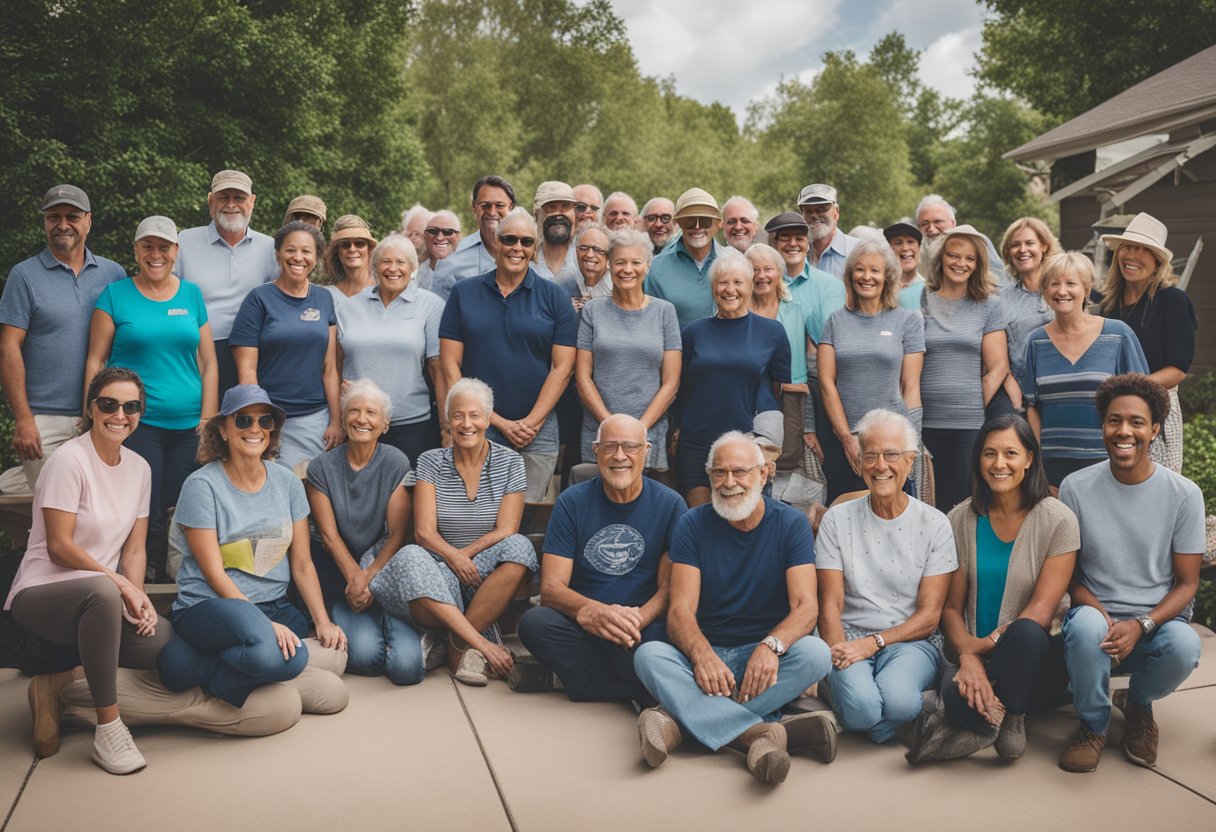
Cancer affects millions of people worldwide, including men like us. It brings both physical and mental challenges that are profound and life-altering.
The Medical Perspective
Cancer is a group of diseases characterized by uncontrolled cell division. These cells can invade surrounding tissues and spread to other body parts through the blood and lymph systems.
For example, lymphoma cancer begins in the infection-fighting cells of the immune system.
The process of a cancer diagnosis includes tests like biopsies, blood tests, and imaging. These reveal the type, location, and stage of the disease.
Early detection often improves treatment outcomes.
Treatments include surgery, radiation, and chemotherapy. Advanced cases may require more aggressive approaches. By understanding these medical aspects, we can be better prepared to face the challenges.
Cancer and Mental Health
Cancer patients often experience a range of emotions, from shock and anger to fear and uncertainty. These feelings can be overwhelming.
Mental health support is crucial.
Cancer survivors may face ongoing anxiety and depression, even after treatment has ended.
Developing strategies to manage mental health is vital.
This may include therapy, support groups, and mindfulness practices.
Recognizing and appreciating positive aspects of life can foster a better outlook.
Being active, whether through sports or hobbies, can also provide a healthy distraction and improve our quality of life.
The Power of Gratitude

Gratitude influences our perspective, allowing us to see the positive aspects of life. This habit can be particularly transformative for men who are cancer thrivers, as it shifts focus from hardships to pockets of positivity.
Cultivating Gratitude
We can create a gratitude practice by using various tools.
A Gratitude Journal helps us reflect on daily positive experiences and recognize things we might take for granted.
Writing down these moments each day adds structure and encourages continuous reflection.
Another way is to write a gratitude letter.
This involves expressing appreciation to someone who has supported us during our cancer journey.
Writing this letter fosters deeper reflection and helps solidify feelings of gratitude.
By consistently focusing on these positive aspects, we shift our mindset, improving our overall mental well-being.
This habit allows us to find joy and meaning in the little things, making our journey more bearable.
Strategies for Resilience
In navigating our journey with cancer, developing resilience can significantly aid in handling the stress and emotional challenges.
Implementing structured strategies, such as forming a routine, can enhance coping and provide stabilizing support.
Developing a Routine
Establishing a daily routine can offer us a sense of control and normalcy.
By scheduling regular activities, we can manage stress and foster resilience.
Whether exercising, meditating, or engaging in hobbies, these activities can help anchor our day.
Creating a morning routine sets a positive tone for the day.
We might start with a brisk walk, which boosts our physical health and clears our minds.
Next, allotting time for mindfulness practices, like deep breathing or meditation, can calm anxieties and enhance our focus.
Connecting with our emotional support network through regular check-ins can provide comfort and encouragement.
Whether it’s friends, family, or support groups, talking to others who understand our journey lightens our emotional burden.
Lastly, dedicating time to activities that bring us joy, such as reading or hobbies, can help maintain a positive outlook.
We build a framework that supports resilience by intentionally incorporating these elements into our daily lives.
Lifestyle and Well-being
A balanced lifestyle involves nurturing physical health and meaningful relationships to enhance well-being.
Healthy Relationships
Maintaining strong relationships with our loved ones creates a support system that helps us manage our challenges.
Engaging with family and friends can offer emotional support, reduce stress, and increase energy.
Spending quality time with family members fosters deeper bonds.
Simple activities like shared meals or family game nights create moments of connection. Friends play a crucial role, too.
Social activities like group sports or casual hangouts are excellent for mental and physical health.
Physical health ties into relationships, too.
Regular exercise, like jogging with a buddy, boosts energy and enhances sleep.
Spirituality, whether through meditation or prayer with others, can provide peace and strength.
Our perspective on healthy relationships emphasizes support, balance, and connection, guiding us toward a more fulfilling life.
Support Systems and Resources
Locating helpful support systems and resources can significantly uplift someone on a cancer journey, providing practical aid and emotional encouragement.
Finding Help
Connecting with adequate support systems is a critical step in our journey.
Reliable caregivers can offer the daily assistance needed. Services such as Cancer Care provide counseling and guidance through their resources.
It’s vital to explore these opportunities to alleviate some of the burden.
We should also look into educational resources designed for male cancer thrivers.
Books and audiobooks, like Tara Coyote’s memoir, offer relatable stories and strategies that can inspire and motivate.
Nurses play a crucial role in our care.
Their knowledge and compassion help guide us through treatment plans and connect us with additional resources tailored to men’s needs.
Let’s leverage their expertise to enhance our journey.
Narratives of Hope and Courage

Facing cancer requires immense resilience and grit.
Male cancer thrivers offer potent stories of overcoming fear and anxiety through emotional strength and unwavering perseverance.
Thriving, Not Just Surviving
We confront unimaginable pain and challenges in the journey from diagnosis to recovery.
Embracing our emotions and leaning on a supportive community enhances our quality of life.
We must not simply aim to survive but to thrive, finding joy in small victories and daily moments.
Stories like those in Grace, Grit & Gratitude illustrate how gratitude and courage transform our well-being.
Through shared courage, we move beyond fear and build a life of hope and meaning.
Facing cancer twice has taught us the actual depth of human perseverance and how focusing on positive aspects can significantly improve our quality of life, regardless of the uncertainty ahead.
Complementary Therapies and Healing
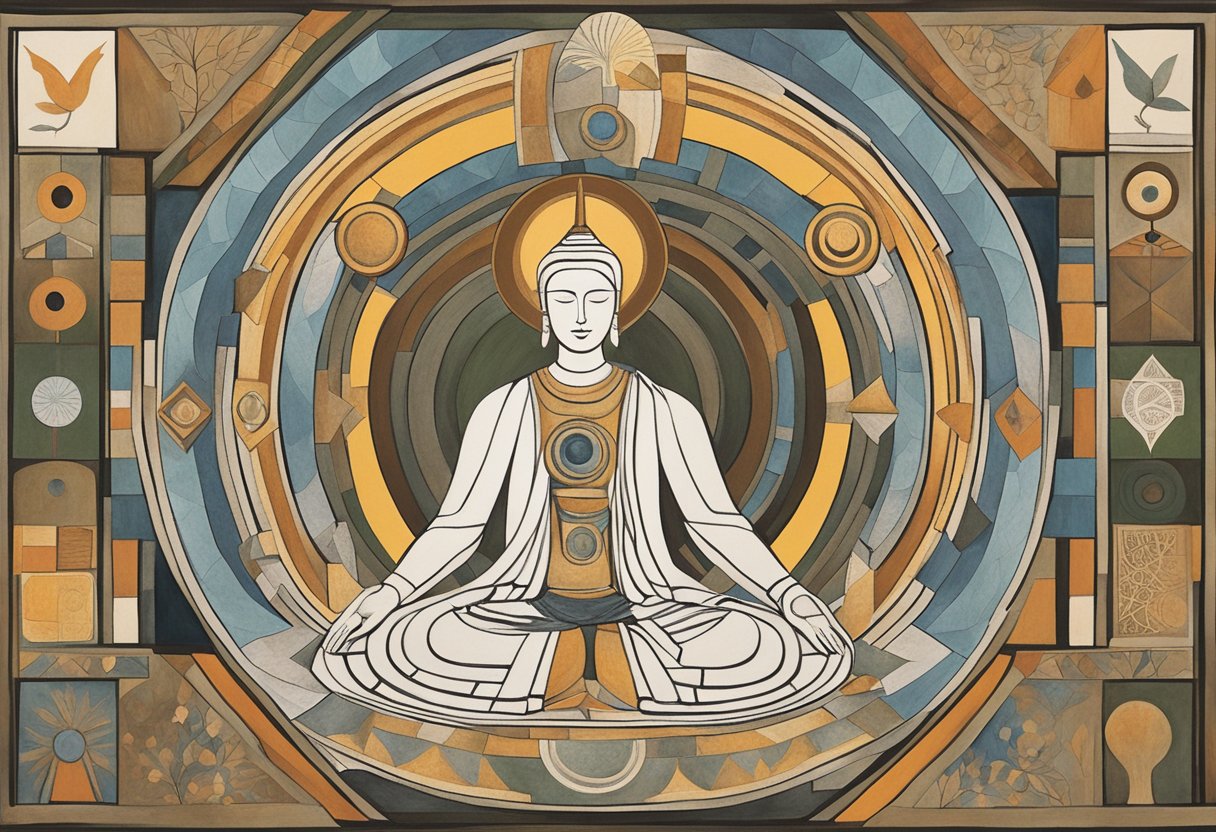
Complementary therapies can be a helpful part of the healing process. These practices often focus on stress reduction and promoting a sense of control.
These can be vital for men navigating cancer treatment.
Incorporating Holistic Practices
Incorporating holistic practices such as meditation, art therapy, and even the healing power of horses can play a vital role in recovery.
Meditation helps us manage stress and grief. It offers a chance to find inner peace amid the chaos of treatment.
Art therapy allows us to express emotions that words can’t convey. Through creating art, we explore our feelings and find solace.
Equine-assisted therapy involves interacting with horses, which can be calming and therapeutic. This unique therapy offers comfort and helps build confidence during recovery. These therapies foster a more positive outlook and contribute to our overall well-being.
Practicing Gratitude
Practicing gratitude can help us focus on the positive aspects of life. Taking a moment each day to appreciate what we have can boost our spirit and aid in healing.
Simple acts like keeping a gratitude journal or sharing our gratitude with loved ones can make a significant difference.
This practice helps reduce stress and fosters a stronger connection with others, enriching our lives and healing journey.
Final Thoughts

Gratitude has played a vital role in my cancer recovery journey. As men, we often find it hard to express our feelings. Being grateful every day for the small wins can make a big difference.
Keeping a gratitude journal helps us stay focused on what makes life meaningful. Writing down three things we are thankful for each day can shift our perspective.
Having a support network is also crucial. Lean on friends and family whenever you need a boost.
Joining support groups for male cancer thrivers can provide us with understanding peers who share similar challenges.
Faith and spirituality can be strong anchors.
For some, turning to prayer, meditation, or spiritual texts gives us strength and peace. Being spiritually connected can help us find purpose and hope during tough times.
Another tool we can use is volunteering. Helping others lets us give back and find purpose.
Opportunities to mentor newly diagnosed patients can be fulfilling and create community bonds.
Exercise and physical activity are beneficial, too.
Walking, swimming, or yoga can lift our spirits and improve our health. Setting small, achievable fitness goals can promote a sense of accomplishment. -T
Frequently Asked Questions
Recognizing and appreciating the positive aspects of life during cancer treatment can foster a more optimistic outlook. Let’s address common questions based on my experiences as a male cancer survivor.
What practices do survivors recommend for cultivating gratitude during cancer treatment?
Daily journaling helped us reflect on the little things that brought joy, even on tough days.
Simple acts like appreciating a warm meal or a kind word can shift our focus to the positive.
Some survivors also recommend meditation and mindfulness to stay present and grateful.
How can gratitude positively impact the healing journey of a male cancer thriver?
Expressing gratitude can boost our morale and mental well-being.
This positive emotional state may enhance our body’s ability to repair itself. A grateful mindset often helps us stay motivated and hopeful throughout our treatment.
What are some inspiring stories of glioblastoma survivors who practiced gratitude?
I’ve read about a glioblastoma survivor who used gratitude to find strength and purpose.
He kept a gratitude journal, noting things he was thankful for, no matter how small. This practice not only improved his outlook but also inspired those around him.
What role does gratitude play in improving the quality of life for brain tumor patients?
Gratitude helps us shift focus from our illness to what we still have.
It encourages a positive mindset, crucial for maintaining a good quality of life. We can find joy amidst challenges by being thankful for supportive friends or a beautiful day.
In what ways have cancer patients used gratitude to cope with their illness and treatment?
We often engage in gratitude practices like prayer, journaling, or verbal affirmations.
These activities remind us of the good in our lives, helping us stay centered and grounded. Sharing gratitude with others also strengthens our support systems.
Can embracing gratitude practices contribute to prolonged survival in stage 4 cancer patients?
Some studies suggest that a positive outlook, which can be nurtured through gratitude, might improve overall survival rates. However, it’s not a cure. The emotional and psychological benefits of gratitude may support the healing process and enhance longevity.
