

Nutritious Recipes for Strength and Healing
Cooking and baking have been a pivotal part of my journey as a cancer warrior. I felt more empowered and healthier when I began controlling what I ate.
Preparing meals allowed us to take back some control over our health. This sense of control boosts mental well-being, which is equally crucial during and after cancer treatment.

Food is more than sustenance; it’s a way to fuel our bodies with the proper nutrients.
We can significantly improve our quality of life by choosing nutritious ingredients and learning cancer-friendly recipes.
Per research from NPR, experimenting with different cooking techniques, like roasting or baking at lower temperatures, can even reduce the risk of cancer recurrence.
Support systems play a vital role in this journey.
Join community programs or online groups where cooking classes are focused on healthy habits for cancer survivors, as seen in the NCBI study.
Being part of a community can offer emotional support and valuable tips for navigating the kitchen post-treatment.
Key Takeaways
- Cooking and baking empower cancer patients by giving them control over their diet.
- Preparing meals with nutritious ingredients can enhance well-being.
- Community support and cooking programs aid in learning new, healthy cooking habits.
The Healing Power of Food: Nutrition for Cancer Patients
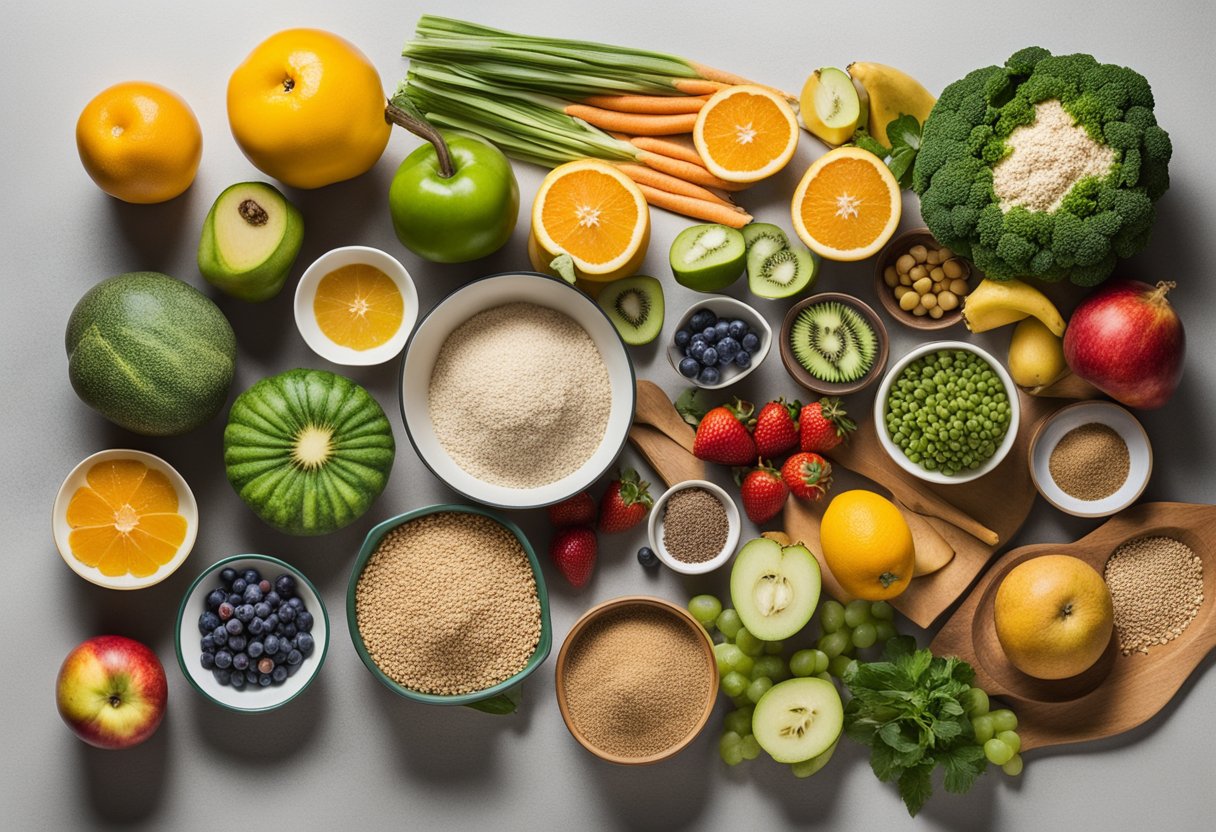
Nutrition plays a critical role for those undergoing cancer treatment. Proper dietary choices can support energy levels, improve strength, and aid recovery. Here’s how to optimize your diet and focus on essential protein-rich foods.
Optimizing Diet During Cancer Treatment
Eating a balanced diet rich in whole foods can significantly impact healing.
It’s recommended to consume a variety of fruits and vegetables daily. Colorful produce provides vital nutrients that support the immune system.
Foods like beans and legumes are excellent substitutes for meat and can be included several times a week.
Staying physically active is another aspect to consider. Even light exercise like walking can boost appetite and improve mood.
Small weight changes during treatment are expected. For a detailed guide on how to eat well, check out this healthy diet during cancer treatment resource.
Protein-Rich Foods for Strength and Recovery
Protein is essential for healing tissues and fighting infections, especially after surgery or other treatments.
High-quality protein sources include lean meats like poultry and fish, eggs, and low-fat dairy products.
These foods not only help with tissue repair but also maintain muscle mass.
Plant-based proteins are equally beneficial.
Nuts, seeds, beans, and peas offer ample protein and can be combined in various meals to keep your diet varied and enjoyable. For specific recommendations, refer to this nutrition guide for cancer patients.
Combining animal and plant proteins can provide the necessary nutrients for recovery. A registered dietitian can be included in your care team and offer personalized advice to meet your needs.
Devising Simple and Nourishing Recipes
Creating simple and nourishing recipes can transform our approach to cancer recovery. With a few essential ingredients and thoughtful meal ideas, we can ensure nutritious and flavorful eating experiences.
Identifying Ingredients for a Cancer-Fighting Pantry
Stocking our pantry with cancer-fighting ingredients is crucial. We need items rich in fiber, vitamins, and antioxidants.
Whole grains like brown rice and quinoa provide fiber and energy.
Beans and lentils are cost-effective sources of protein and fiber, combining nutrition and affordability.
Fruits and vegetables should be abundant.
Berries, kale, and broccoli are packed with vitamins and antioxidants. They support immune health and overall well-being.
Healthy fats from nuts, seeds, and olive oil can add flavor and nutrition to our dishes.
For men focusing on nutrition, lean protein sources like chicken breast and fish and plant-based options like tofu are ideal.
Keeping these ingredients on hand helps us whip up quick and nutritious meals.
Healthy and Flavorful Meal Ideas
Meal planning can be enjoyable and straightforward.
Grilled chicken with quinoa and steamed broccoli provide a balanced and flavorful meal.
Vegetarian chili made with beans, tomatoes, and spices offers a comforting dish rich in fiber and protein.
A smoothie with berries, spinach, and a scoop of protein powder can be nourishing and quick to prepare for breakfast.
A simple stir-fry with tofu and mixed vegetables over brown rice makes for a satisfying dinner.
Soups and stews are versatile and can be packed with nutritious ingredients.
A lentil soup with carrots, celery, and garlic warms and nourishes our bodies.
These meal ideas are designed to be easy and health-promoting, ensuring we stay on track with our cancer-fighting diet.
Meticulous Selection of Cooking and Baking Techniques
Choosing cooking and baking methods is crucial, especially for nausea or mouth sores. Our techniques promote comfort and provide easy-to-eat, nourishing meals.
Adapting the Cooking Process for Nausea Management
Nausea can be a significant hurdle during cancer treatment. It can make meal preparation challenging. Here are a few strategies that helped us:
- Simplify: Light, simple meals are more straightforward to tolerate.
- Avoid Strong Smells: Cooking with mild spices and avoiding frying reduces overwhelming smells.
- Small Portions: Eating small, frequent meals helped control nausea.
Steaming vegetables and baking instead of frying keeps dishes light.
Clear broths and soups, made with fresh ingredients, are easy on the stomach.
Gentle cooking methods, like poaching or boiling, make the food more digestible.
Integrating these techniques into our routine has been highly beneficial.
Baking for Comfort: Soft and Easy-to-Eat Options
Baking can offer comfort, mainly when dealing with mouth sores. Here are some tips that worked for us:
- Texture is Key: Focus on soft, easy-to-chew foods. Muffins, soft breads, and custards are gentle on sore mouths.
- Hydrating Ingredients: Incorporate hydrating ingredients like applesauce or mashed bananas to keep baked goods moist.
- Nutrient-Rich: Boost nutrition by adding finely ground nuts or seeds for extra protein and healthy fats.
Banana bread and apple muffins became staples in our kitchen.
These foods are comforting and packed with nutrients crucial for recovery.
Support Strategies in the Kitchen for Loved Ones
Helping loved ones with cancer through food involves thoughtful meal prep and nourishing recipes. We must focus on balanced nutrition while making meals tasty and easy to prepare.
Guidance for Caregivers on Nutrition and Meal Prep
When supporting a loved one undergoing treatment, nutrition plays a crucial role.
Caregivers must provide balanced meals with proteins, vegetables, and whole grains. Small, frequent meals can help maintain energy levels.
Creating a weekly meal plan can simplify grocery shopping and cooking.
Choose recipes that are easy to prepare and require minimal ingredients.
Batch cooking and freezing portions also make it easier to provide healthy options without daily cooking stress.
Include a variety of foods to ensure they get a range of nutrients.
Some patients may have unique dietary needs; consulting a nutritionist is helpful.
Remember, the emotional support you provide through thoughtful meals can be just as nourishing as the food.
Cooking for Chemo and Beyond
Chemotherapy often affects taste buds, leading to decreased appetite.
We can counter this by adding bold flavors and different textures to make food more appealing.
Citrus, herbs, and spices can enhance flavors without being overwhelming.
Preparing meals rich in antioxidants can help boost the immune system.
Focus on foods high in vitamins and minerals, like berries, leafy greens, and lean proteins.
While cooking, consider using methods that retain nutrients, such as steaming or grilling.
Food presentation matters, too.
Sometimes, simply making a dish look appetizing can encourage eating.
Small, frequent meals are usually easier to manage than ample portions.
Support doesn’t end after chemo; maintaining a healthy diet helps recovery and keeps the immune system strong.
Learning Through Written and Digital Resources

Accessing written and digital resources can empower us during our cancer recovery. Books and online content can offer valuable recipes and nutritional guidance tailored to our needs as cancer warriors, enhancing both physical and emotional well-being.
Essential Cookbooks and Guides for Cancer Patients
Cookbooks for cancer patients often focus on easy-to-digest, nutritious meals that help manage treatment side effects. One such book is “The Cancer-Fighting Kitchen” by Rebecca Katz. It includes recipes that support the immune system and reduce fatigue.
Diana Noland’s “The Living Kitchen” is another essential guide. It provides therapeutic recipes and addresses the unique dietary challenges cancer patients face. These cookbooks are beneficial because they offer practical advice. This makes meal preparation simpler, even on tough days.
Print versions of these guides can be found at libraries and bookstores. For those who prefer online shopping, Amazon offers print and eBook versions, making them easily accessible from home. The focus is on providing us with the tools to cook healthy, nourishing food during our treatment and recovery journey.
Digital Content and eBooks for Easy Access to Information
Digital content and eBooks are excellent resources for cancer survivors seeking information without leaving home. Websites like Scholastic provide articles and eBooks that can be read on any device, offering flexibility and convenience.
Many online platforms feature helpful articles tailored to our needs. Health-focused blogs and websites from reputable organizations offer up-to-date research and tips on nutrition. Apps and digital magazines also provide recipes and meal plans for cancer patients.
Having access to digital resources allows us the convenience of learning and adapting new recipes whenever we need them. This flexibility supports our continuous journey to health, offering guidance and inspiration at our fingertips. Whether through an eBook or an online article, these digital tools equip us with the knowledge to make informed dietary choices.
Coping with Cancer in the Kitchen
Cooking can provide both physical and emotional nourishment, especially for cancer survivors. Experimenting with new recipes helps us manage taste changes and maintain our appetite.
Adjusting to Taste Changes and Loss of Appetite
Survivorship often involves coping with taste changes and loss of appetite, typical side effects of cancer treatments. Many of us find that food tastes metallic or different from before. We can start by incorporating more robust flavors or spices into our meals to combat this. Ginger, lemon, and fresh herbs might help reduce metallic taste and make food more appealing.
Eating small, frequent meals throughout the day can help with low appetite. Rather than overwhelming ourselves with large portions, eating nutrient-rich snacks like nuts or yogurt keeps our energy levels stable. Experimenting with smoothies can also be beneficial, as they are easy to consume and can be packed with fruits, vegetables, and proteins.
By making these adjustments in our kitchen, we can better manage the challenges of cancer survivorship and enjoy our meals again. For example, the program Coping with Cancer in the Kitchen offers valuable tips and support.
The Debate
There is a growing debate about whether cooking methods can impact cancer risk. Some claim that high-temperature cooking methods like grilling may raise the risk of cancers, such as kidney cancer. Studies have indicated that consuming much meat cooked at high temperatures could be linked to these health risks.
Others argue that cooking may release harmful fumes, especially with certain appliances. These kitchen fumes could potentially lead to lung cancer or other respiratory issues. It’s not just about what we eat but also what we breathe while cooking.
However, not everyone agrees. Some believe proper ventilation and cooking techniques can significantly reduce these risks. Adjusting cooking methods to lower temperatures can help. For example, turning down the heat when cooking meat might mitigate these risks, based on recent studies.
Community-based cooking programs, especially those tailored for cancer survivors, also provide valuable learning opportunities. These programs offer classes that teach healthy cooking skills. For instance, the Cooking After Cancer program shows how to prepare nutritious meals while fostering a supportive community environment.
Final Thoughts
Cooking and baking have provided me a sense of purpose and achievement, especially during and after my battle with lymphoma. Creating delicious meals can be a way to stay engaged and focused, even when we face challenging times.
Cooking allows us to control what we eat, a significant aspect of our health. We can nourish our bodies and support our recovery by choosing wholesome ingredients. The act of preparing food can also be deeply therapeutic.
For men facing cancer, it’s crucial to find activities that bring joy and a sense of normalcy. Cooking can be one of those activities. It allows us to connect with our loved ones and make lasting memories, even during challenging times.
Engaging in sports-based cooking—like preparing game-day snacks or grilling—can combine our love for sports with the satisfaction of making something tasty. This can be a fun way to stay active and engaged. -T
Benefits of Cooking and Baking:
- Creative Outlet: Experimenting with recipes can boost our mood.
- Control Over Diet: We decide what goes into our food, promoting healthier eating.
- Therapeutic Value: Chopping, mixing, and baking can be calming activities.
Frequently Asked Questions
Navigating nutrition during cancer treatment can be complex. Below, we address some of the most common concerns related to cooking and nutrition for cancer warriors.
What nutrient-rich meals are recommended for individuals undergoing cancer treatment?
Meals rich in lean proteins, vegetables, and whole grains are beneficial. For instance, grilled chicken with quinoa and steamed broccoli provides essential nutrients. Smoothies with spinach, berries, and Greek yogurt are also excellent choices.
How can cooking methods be adapted to support the dietary needs of cancer patients?
Steaming, baking, and grilling are healthier cooking methods that preserve nutrients. Avoid frying and heavy oils. Using fresh herbs and spices instead of salt can enhance flavor without negatively impacting health.
What are some high-protein breakfast options suitable for cancer warriors?
High-protein breakfast options include scrambled eggs with spinach and a side of whole-grain toast or oatmeal topped with almond butter and sliced bananas. Greek yogurt with honey and nuts is another great option.
Can you suggest a comprehensive 7-day meal plan ideal for cancer patients during their healing journey?
A 7-day meal plan might include grilled salmon with brown rice and asparagus or a chickpea and vegetable stir-fry. Snack ideas could incorporate hummus with carrot sticks or apple slices with peanut butter. You can explore resources such as the American Cancer Society Cookbook.
Which dairy alternatives offer the most benefit for cancer patients?
Almond milk, soy milk, and oat milk are excellent dairy alternatives. These options are often fortified with vitamins and minerals. Soy milk, in particular, provides a good amount of protein, which is beneficial during recovery.
What recipes cater to patients’ unique taste and digestion sensitivities on chemotherapy and radiation?
For those with taste and digestion sensitivities, mild recipes like baked chicken with quinoa and steamed carrots can be easier to tolerate.
Smoothies made with almond milk, banana, and spinach are gentle on the stomach and nutrient-dense.
More suggestions can be found in articles like Cooking After Cancer, which offers practical tips on meal preparation.
