

Embracing Resilience and Wellness Post-Diagnosis
Cancer can knock you down but doesn’t have to keep you there. As someone who’s beaten lymphoma twice, I’ve learned that thriving after cancer takes grit and a change in Lifestyle Control.
Male cancer thrivers can reclaim their health and zest for life through intelligent lifestyle choices.

My journey taught me that small, daily habits add up to big wins. I treated recovery like training for a marathon.
Eating clean, moving my body, and managing stress became my game plan. It wasn’t always easy, but each day I got stronger.
Now, I coach other guys through their cancer battles. We focus on what we can control – our mindset and actions.
Together, we build the physical and mental toughness to survive and thrive. Cancer tried to bench us, but we’re getting back in the game stronger than ever.
Key Takeaways
- Lifestyle changes can boost recovery and quality of life for male cancer thrivers.
- A disciplined approach to diet, exercise, and stress management aids the healing process.
- Support from others who’ve faced similar challenges can make a massive difference in the cancer journey.
Understanding Cancer in Men
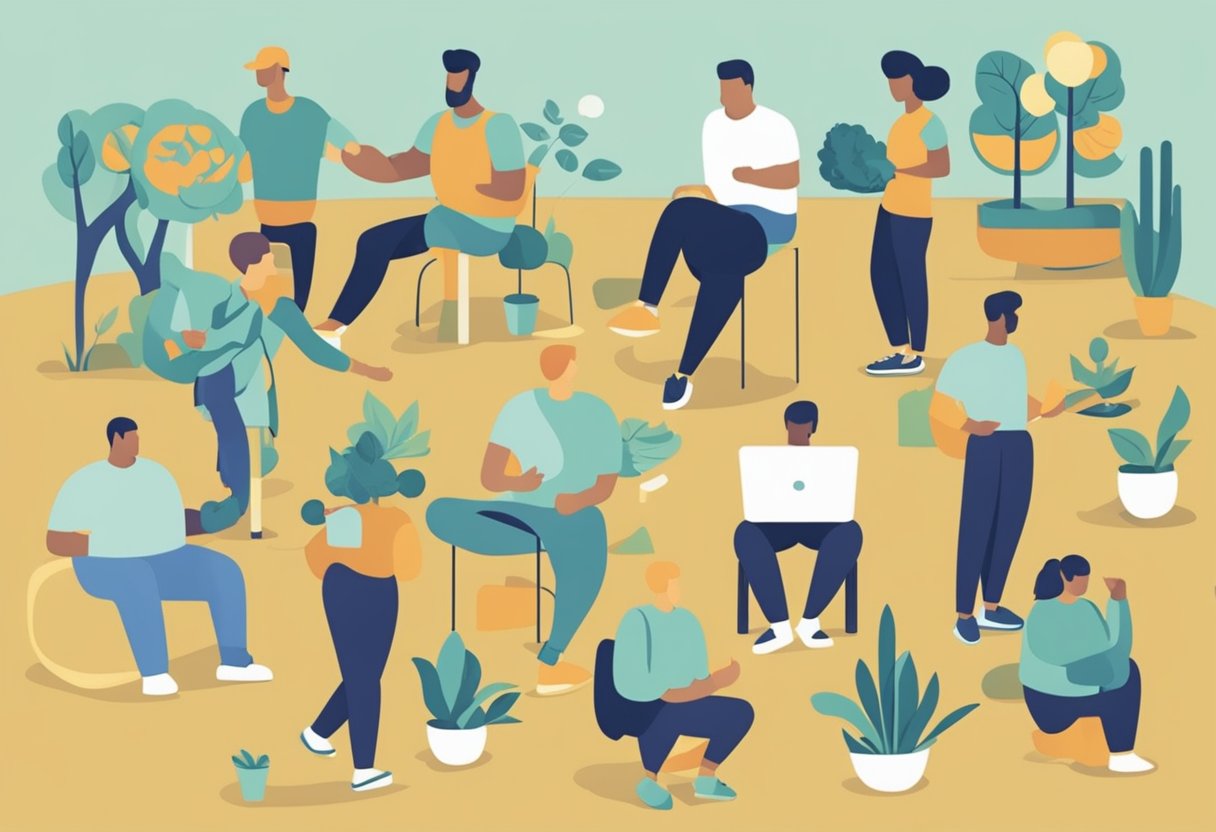
Cancer affects men in unique ways. It impacts our bodies, minds, and lives. We must know what to watch for and how to catch it early.
Biology of Male Cancers
Men’s bodies are different from women’s, and so are our cancers. Prostate cancer only happens to us guys. It’s linked to our male hormones. Our genes play a role, too. Some cancers run in families.
Testosterone can fuel certain tumors. This is why some treatments target hormone levels. Our immune systems also work differently than women’s. This can affect how we fight cancer.
Male cancers often grow in our reproductive organs. But they can pop up anywhere. Knowing our bodies helps us spot changes fast.
Common Types and Symptoms
We face several cancer types more often than women do. Here are the big ones to watch:
- Prostate cancer: Trouble peeing, blood in urine
- Colorectal cancer: Blood in stool, changes in bowel habits
- Lung cancer: Persistent cough, chest pain
- Skin cancer: New moles, changes in existing ones
Other common cancers for men include:
- Bladder cancer
- Kidney cancer
- Liver cancer
- Pancreatic cancer
Symptoms vary, but any lasting changes need to be checked. Don’t ignore weird feelings or pains. Trust your gut if something seems off.
Importance of Early Detection
Catching cancer early can save our lives. Regular check-ups and screenings are crucial. Many guys avoid the doctor, but we can’t afford to.
Prostate exams and colonoscopies aren’t fun, but they work. They find cancer before we feel sick. Early-stage cancers are easier to treat. Our chances of beating it go way up.
Self-checks matter too. We should examine our skin and testicles monthly. Any lumps or changes need a doctor’s look. Please don’t wait, and I hope it goes away.
Knowledge is power in fighting cancer. Learn the signs, get screened on schedule, and take charge of our health. We owe it to ourselves and our loved ones.
Navigating the Cancer Treatment Process
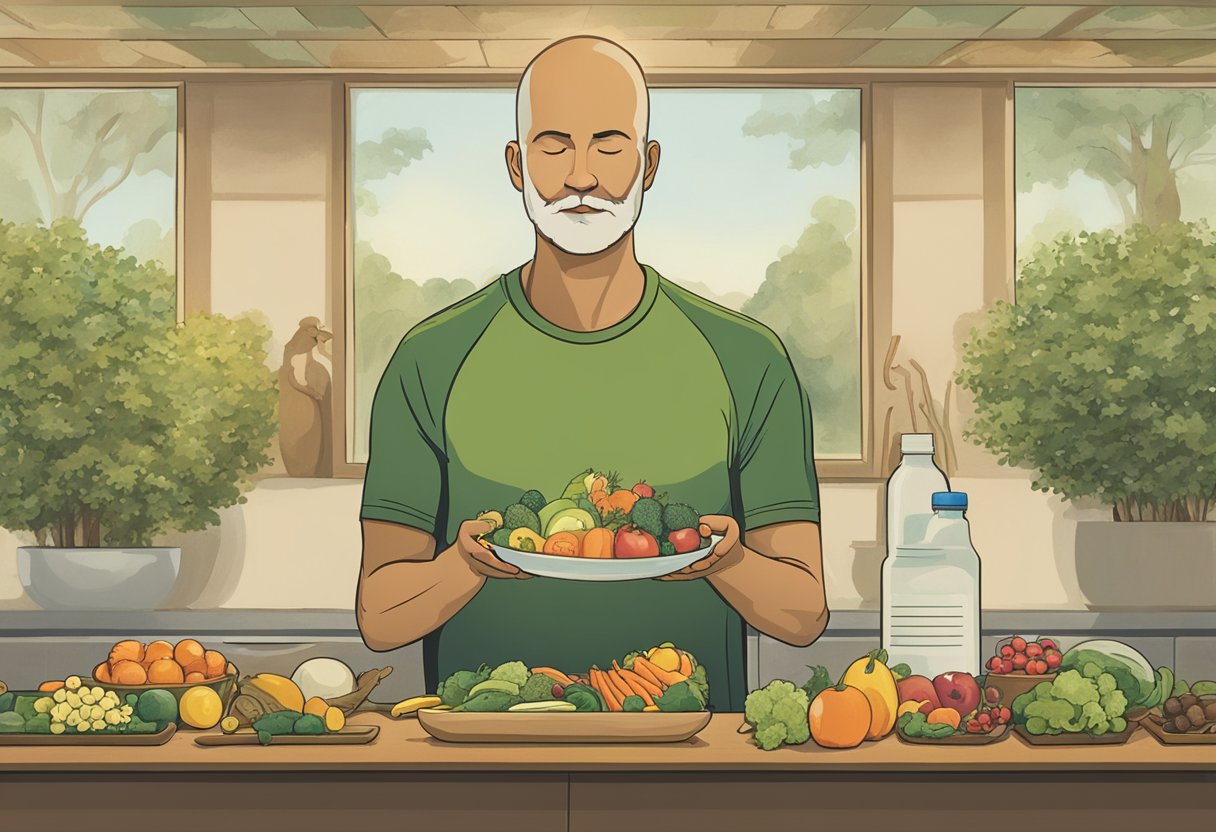
Facing cancer treatment can feel like stepping onto a sports field for the first time. As a two-time lymphoma survivor, I’ve learned strategies to tackle this challenge head-on.
Choosing the Right Oncologists
Selecting an oncologist is like picking a coach for your cancer-fighting team. I recommend researching potential doctors and getting referrals from trusted sources.
Look for specialists who have experience with your specific type of cancer.
Ask about their treatment philosophy and approach. Do they support clinical trials? How do they handle patient concerns? A good oncologist will listen to your goals and work with you to create a personalized game plan.
Don’t hesitate to seek second opinions. I met with several oncologists before making my decision. This helped me feel confident in my choice and prepared for the journey ahead.
Treatment Options Overview
Cancer treatments are like different plays in a playbook. Common options include:
- Surgery
- Chemotherapy
- Radiation therapy
- Immunotherapy
- Targeted therapy
Your oncologist will recommend a treatment plan based on your cancer type, stage, and overall health. They might suggest a combination of therapies for the best results.
I found it helpful to learn about each option and its potential outcomes. This knowledge empowered me to make informed decisions about my care and feel more in control of the process.
Managing Treatment Side Effects
Dealing with side effects is like pushing through tough training sessions. It’s challenging, but there are ways to make it easier. Common side effects include:
- Fatigue
- Nausea
- Hair loss
- Changes in appetite
I learned to track my symptoms and communicate openly with my medical team. They often had solutions to help manage discomfort.
Patient navigators can be valuable teammates. They helped me find resources for managing side effects and maintaining my quality of life during treatment.
Remember, every person’s experience is unique. What works for one may not work for another. Stay open to trying different strategies until you find what works best.
Lifestyle Adjustments for Cancer Thrivers
Cancer changed my life. Through key lifestyle shifts, I learned to adapt and thrive, which boosted my health and outlook during recovery.
Diet and Nutrition
My diet became a powerful tool for healing. I focused on whole, nutrient-dense foods to fuel my body. Colorful fruits and vegetables became staples on my plate. I aimed for a rainbow of produce each day.
Lean proteins helped rebuild my strength. Fish, chicken, and plant-based options like beans were go-to choices. I cut back on processed foods, sugar, and unhealthy fats.
Staying hydrated was crucial. Water became my main drink. I sipped herbal teas for variety and potential health perks.
I worked with a nutritionist to tailor my diet. This helped me meet my unique needs during treatment and recovery.
Exercise and Physical Activity
Moving my body played a huge role in my comeback. I started small with gentle walks and stretching. As I got stronger, I added more challenging activities.
Swimming became my favorite low-impact workout. The water felt soothing and gave me a full-body exercise.
Strength training helped me regain muscle and bone density. At first, I used light weights and resistance bands, gradually increasing the intensity.
I joined a cancer survivors’ fitness class. The camaraderie and tailored exercises were perfect for my needs.
Yoga and tai chi improved my balance and flexibility. These practices also calmed my mind.
Mental and Emotional Health
Caring for my mental well-being was just as vital as my physical health. I found a therapist who specialized in working with cancer patients.
Meditation became a daily habit. It helped me manage stress and anxiety. I used guided apps to get started.
Joining a support group connected me with others who understood my journey. Sharing experiences and tips was invaluable.
I picked up new hobbies to keep my mind engaged. Painting and learning a language gave me positive goals to focus on.
Spending time in nature has lifted my spirits. I made it a point to get outside daily, even for short periods.
Writing in a journal helped me process my emotions. It became a safe space to express fears and celebrate wins.
Coping with Emotional Challenges

Cancer brings many feelings. I’ve learned ways to handle them and find strength. These strategies help me face anxiety, build support, and keep a grateful outlook.
Handling Anxiety and Depression
Anxiety and depression hit hard during my cancer journey. I found exercise helped calm my mind. A daily 30-minute walk or swim eased my worries.
Talking to a therapist gave me tools to manage negative thoughts.
Meditation became my mental workout. I started with 5 minutes a day, focusing on my breath. It grew easier with practice. Now, I meditate for 15 minutes each morning.
When dark moods struck, I reached out to friends. A quick call or text lifted my spirits. I learned it’s okay to ask for help, and my loved ones wanted to support me.
Building a Supportive Community
My cancer support group became like a team. We shared tips and cheered each other on. It felt good to talk with others who understood my experience.
I also connected with other survivors online. Cancer forums let me ask questions at any time of day, and hearing success stories gave me hope.
Family and friends rallied around me. They cooked meals, drove me to appointments, and sat with me. Their presence meant everything.
I volunteered at a cancer charity. Helping others gave me purpose and new friends. It felt great to use my experience to make a difference.
Finding Perspective and Gratitude
Cancer changed how I see life. I learned to focus on what matters most. Family dinners became sacred time. I savored simple joys like a sunny day or a good book.
I started a gratitude journal. Each night, I wrote three things I felt thankful for. Even on tough days, I found bright spots. This practice shifted my mindset.
Setting small goals kept me moving forward. I celebrated victories like finishing treatment or regaining strength. These wins boosted my mood.
I found new hobbies that brought me joy. Painting lets me express feelings without words, and gardening connects me to nature’s cycles of growth and renewal.
Long-term Survivorship and Wellness
As a two-time lymphoma survivor, I’ve learned that thriving after cancer requires a game plan and ongoing commitment. Let’s explore crucial strategies for maintaining health and preventing future challenges.
Survivorship Care Planning
A survivorship care plan is like a playbook for life after cancer. It outlines follow-up care, potential late effects, and lifestyle recommendations. My plan includes:
- Regular check-ups and screenings
- Management of treatment side effects
- Nutrition and exercise goals
- Mental health support
I review and update this plan with my healthcare team annually. It helps me stay on top of my health and proactively address concerns.
Living with Chronic Conditions
Cancer treatment can lead to lasting effects that require ongoing management. As a survivor, I’ve faced:
- Fatigue
- Nerve pain
- Heart issues
I’ve found that staying active helps combat these challenges. Swimming and yoga have become my go-to activities. They’re gentle on my body while boosting my energy and flexibility.
Proper nutrition also plays a crucial role. I focus on eating a balanced diet of fruits, vegetables, and lean proteins. This fuels my body and supports my immune system.
Preventing Secondary Cancers
Reducing the risk of secondary cancers is a top priority for survivors. I’ve made several lifestyle changes to protect my health:
- Quit smoking and limit alcohol intake
- Maintain a healthy weight through diet and exercise
- Protect my skin from sun damage
- Stay up-to-date on recommended screenings
I also participate in cancer prevention studies when possible. It’s my way of contributing to research that may help future survivors.
By focusing on these areas, I’ve been able to reclaim my health and enjoy life to the fullest. Remember, each survivor’s journey is unique, but we can all aim for long-term wellness with the right strategies.
The Role of Self-Confidence and Identity
Cancer changes us. It shifts our self-image and how we see our place in the world. As a two-time lymphoma survivor, I’ve learned that rebuilding confidence and finding a new identity is vital to thriving after treatment.
Rebuilding Self-Esteem Post-Cancer
Cancer treatment took a toll on my body and mind. I felt weak, scared, and unsure of myself.
To rebuild my self-esteem, I started small. I set achievable fitness goals, like walking a bit further each day. Celebrating these wins boosted my confidence.
I also joined a support group for male cancer survivors. Sharing experiences with others who understood helped me feel less alone.
Body image changes can be challenging for men after cancer. Focusing on what my body could do, rather than how it looked, helped shift my perspective. Weight training became my ally in feeling strong again.
Embracing a New Identity
After cancer, I struggled to see myself as more than just a patient. But I realized I could choose how to define myself.
I decided to embrace being a cancer thriver, not just a survivor. This mindset shift empowered me to live fully without fearing recurrence.
I rediscovered old passions and found new ones. Coaching youth soccer gave me purpose and joy. It reminded me that I’m more than my diagnosis – I’m a mentor, an athlete, and a positive force in my community.
Your cancer experience is part of you, but it doesn’t define you. Embrace the strength you’ve gained and use it to create a life you love.
Advocacy, Policy, and Moving Forward
As a two-time lymphoma survivor, I’ve learned that speaking up and pushing for change can make a real difference in cancer care. Men often face unique challenges, but we can work together to improve outcomes.
Engaging with Healthcare Providers
I found that being proactive with my doctors led to better care. I asked questions, shared concerns, and made sure I understood my treatment options. This approach helped me feel more in control of my cancer experience.
Here are some tips for engaging with healthcare providers:
- Prepare a list of questions before appointments
- Bring a friend or family member for support
- Take notes during discussions
- Ask for clarification on medical terms
- Express preferences for treatment options
Building a strong relationship with your care team can lead to more personalized and effective treatment plans.
Evolving the Dialogue Around Cancer
We need to change how we talk about cancer, especially for men. Many guys struggle to open up about their feelings and experiences. I’ve found that sharing my story has helped others feel less alone.
Cancer advocacy can take many forms:
- Joining support groups
- Participating in fundraising events
- Volunteering at cancer centers
- Sharing experiences on social media
- Writing to lawmakers about cancer-related policies
By speaking out, we can reduce stigma and encourage more men to seek early detection and treatment. This can lead to better outcomes and more lives saved. -T
Frequently Asked Questions
As a two-time lymphoma survivor, I’ve learned valuable lessons about lifestyle, nutrition, and emotional well-being. These insights can help other men facing cancer challenges.
How can lifestyle adjustments bolster a male cancer survivor’s overall well-being?
Lifestyle changes can make a big difference. I found that setting small, achievable goals helped me stay motivated. Starting with a 5-minute walk each day and gradually increasing it boosted my energy.
Prioritizing sleep also improved my recovery. I aimed for 7-8 hours nightly and created a calming bedtime routine. This helped me feel more refreshed and ready to tackle each day.
What are effective nutritional strategies to support strength during cancer recovery?
Nutrition plays a key role in rebuilding strength. To support muscle recovery, I focused on protein-rich foods like lean meats, fish, eggs, and legumes.
Adding colorful fruits and vegetables to my meals provided essential vitamins and antioxidants. Staying hydrated by drinking water throughout the day also helped me feel more energized.
What words of support have a positive impact on men battling cancer?
Simple, genuine words can make a big difference. Phrases like “I’m here for you” or “You’ve got this” showed me people cared without putting pressure on me.
Offering specific help, such as “Can I bring you dinner on Tuesday?” was more helpful than general offers. It gave me practical support when I needed it most.
What are the best practices for emotional resilience during cancer treatment and remission?
Connecting with other survivors through support groups gave me strength. Sharing experiences and coping strategies helped me feel less alone in my journey.
Practicing mindfulness through meditation or deep breathing exercises calmed my anxieties. Even a few minutes daily made a noticeable difference in my outlook.
How does physical activity influence recovery outcomes in male cancer patients?
Exercise played a crucial role in my recovery. Doing gentle activities like yoga or swimming helped rebuild my strength and stamina.
As I got stronger, I added more challenging workouts. This boosted my energy levels and improved my mood. Always check with your doctor before starting a new exercise routine.
What are common self-care tips for maintaining mental health during cancer survivorship?
Pursuing hobbies brought joy to my days. I enjoyed reading, painting, and playing an instrument. These activities gave me a sense of normalcy and accomplishment.
Staying connected with friends and family provided emotional support. Regular video calls or meet-ups kept my spirits up and reminded me of life beyond cancer.
