

Finding Meaning After Treatment
As a two-time lymphoma survivor, I know the power of purpose in facing cancer. My journey taught me that being purposeful is more than having goals – it’s about taking action and finding meaning each day. Having a clear sense of purpose can boost resilience and help men navigate the challenges of cancer treatment and survivorship.

After my diagnosis, I found a new purpose through cycling and snowboarding. These sports pushed me physically and mentally, giving me something to strive for beyond surviving. They also connected me with a fantastic community of fellow survivors and supporters.
Finding purpose doesn’t have to be grand – it can be as simple as helping others or pursuing a new hobby. The key is to focus on what brings you joy and gives your life meaning. This mindset can transform the cancer experience from one of fear to one of growth and hope.
Key Takeaways
- A strong sense of purpose can help men cope with cancer treatment and recovery.
- Physical activities like sports can provide purpose and build resilience
- Finding purpose is an ongoing journey that evolves throughout survivorship
Understanding Cancer
Cancer is a complex disease that affects men in various ways. Knowing the common types and early detection methods can make a big difference in outcomes.
Types of Male Cancers
Prostate cancer is the most common cancer in men. It starts in the prostate gland and can grow slowly or quickly. Lung cancer is another frequent type, often linked to smoking. It can be a small cell or a non-small cell.
Melanoma is a skin cancer that can be deadly if not caught early. It often looks like an odd mole. Thyroid cancer affects the thyroid gland in the neck. It’s usually treatable when found early.
Lymphoma, which I’ve faced twice, is cancer of the lymph system. It comes in two main types: Hodgkin’s and non-Hodgkin’s. Each type needs different treatment plans.
Early Detection and Diagnosis
Regular check-ups are vital for catching cancer early. Screenings like PSA tests for prostate cancer and skin checks for melanoma can save lives. Don’t skip them, even if you feel fine.
Know your body and watch for changes. A new lump, unexplained weight loss, or persistent pain could be signs to get checked out. If something feels off, see a doctor. Trust your gut.
Cancer diagnosis often involves several steps. Blood tests, imaging scans, and biopsies help doctors figure out what’s going on. It can be scary, but stay calm and ask questions. Knowledge is power when facing cancer.
Treatments and Technologies
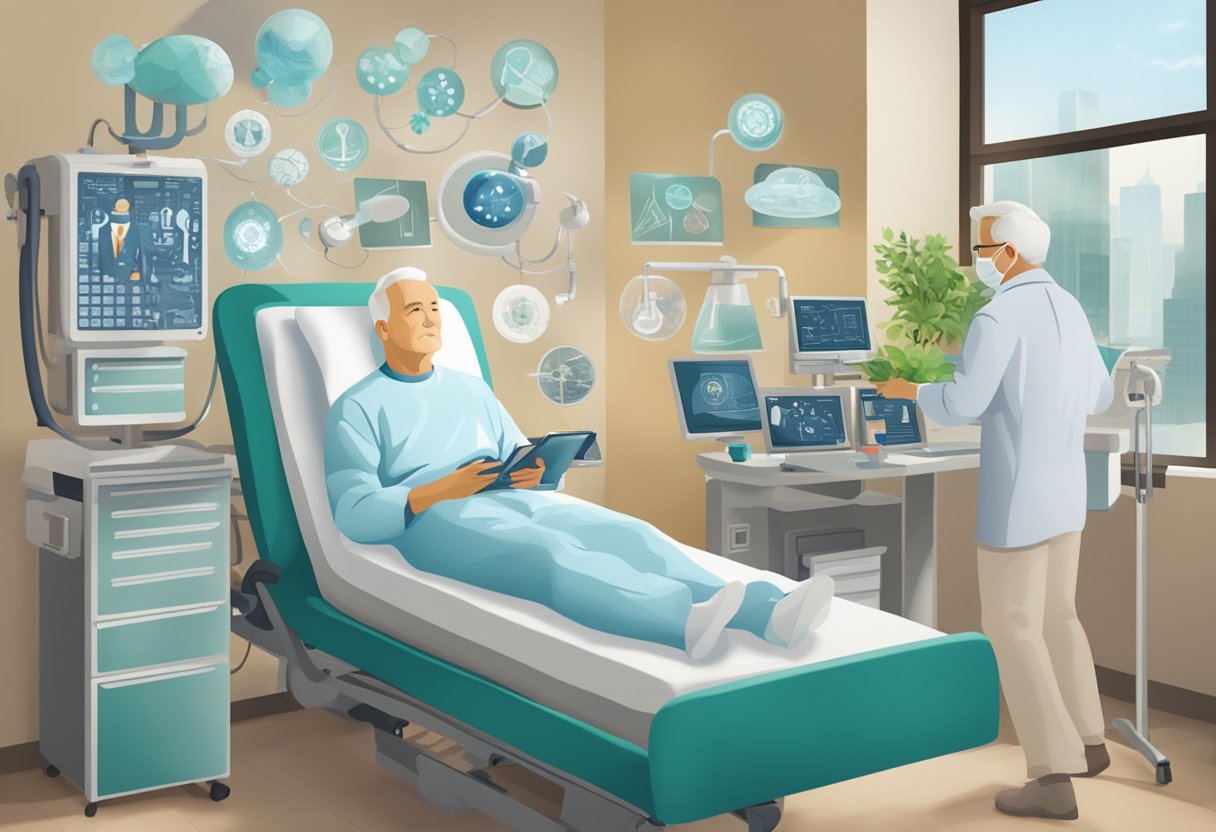
Cancer treatments have come a long way. New technologies offer hope and better outcomes for survivors like me. Let’s explore the changes in cancer care and standard treatment methods.
Evolution of Cancer Treatments
When I first battled lymphoma, the options were limited. Now, we have targeted therapies and immunotherapies that attack cancer cells more precisely. These new approaches often have fewer side effects than traditional methods.
Precision medicine uses genetic testing to tailor treatments to each person’s cancer. This personalized approach has improved survival rates for many cancers, and it’s exciting to see how far we’ve come.
I’ve also seen a shift towards combining different treatments. This multi-pronged attack can be more effective at fighting cancer. It’s like how I use cycling and snowboarding to stay fit – variety is key.
Radiation and Chemotherapy
Radiation and chemotherapy remain common cancer treatments. I’ve experienced both during my lymphoma battles. Radiation uses high-energy beams to shrink tumors. It can be targeted to specific areas, minimizing damage to healthy tissue.
Chemotherapy uses drugs to kill cancer cells throughout the body. It can be harsh on the body, but new drugs and delivery methods have reduced side effects. I found that staying active during chemo helped me feel better.
Some people explore alternative therapies alongside standard treatments. While some find comfort in these options, discussing them with your doctor is crucial. I focused on proven medical therapies, but I respected others’ choices.
Emotional and Psychological Impact

Cancer can profoundly affect a person’s emotional well-being. As a two-time lymphoma survivor, I’ve experienced the ups and downs firsthand. Let’s explore how to navigate these challenges.
Coping with Anxiety and Depression
Anxiety and depression are common among cancer survivors. I remember feeling overwhelmed by worry about recurrence and sadness about lost time. To manage these emotions, I found therapy helpful. Talking to a professional gave me the tools to process my feelings.
Exercise played a crucial role in my recovery. Cycling and snowboarding lifted my spirits and reduced stress. The endorphin rush from physical activity can be a powerful antidote to low moods.
Connecting with other survivors also made a difference. Sharing experiences in support groups reminded me I wasn’t alone. These connections offered comfort and practical advice for dealing with tough days.
Maintaining a Positive Attitude
Optimism can boost resilience in cancer recovery. I cultivated a positive mindset through daily gratitude practices. Each morning, I listed three things I was thankful for, no matter how small.
Celebrating milestones, big and small, helped me stay motivated. Finishing a round of treatment or hitting a fitness goal became reasons to rejoice. These moments of joy fueled my determination to keep pushing forward.
Setting achievable goals gave me a sense of purpose. Whether planning a bike ride or learning a new snowboarding trick, having something to work towards kept me focused on the future.
Mindfulness meditation helped me stay present and appreciate life’s simple pleasures. A few minutes of quiet reflection each day can bring peace and perspective.
Survivorship and Life After Cancer

My cancer journey taught me valuable lessons about resilience and purpose. As a two-time lymphoma survivor, I’ve learned to embrace life’s challenges and find meaning in each day.
Adapting to a New Normal
After treatment, I faced a different world. My body changed, and so did my outlook. I learned to listen to my body and adjust my routines. Cycling became my go-to activity for both physical and mental health. It helped me regain strength and clear my mind.
I set small, achievable goals each day. This kept me focused and moving forward. Some days were tough, but I celebrated every victory, no matter how small.
My relationships shifted, too. I connected with other survivors who understood my experience. We shared tips and encouragement, and this support network became crucial in my recovery.
Long-Term Recovery Process
Recovery is a marathon, not a sprint. I took it one day at a time. Regular check-ups with my healthcare team gave me peace of mind. They helped me manage any lingering side effects.
I focused on nutrition and exercise. Eating well and staying active boosted my energy and mood. Snowboarding became my winter passion, giving me something to look forward to each year.
Survivorship care plans helped me stay on track. These plans outlined my follow-up care and potential long-term effects to watch for. They empowered me to take control of my health.
I found purpose in helping other men with cancer. Sharing my story and offering support gave meaning to my experience. It turned a challenging chapter into a source of strength and connection.
Healthy Living Post-Cancer
Life after cancer treatment brings new chances to improve health and well-being. Caring for your body and mind can boost recovery and help prevent future health issues.
Importance of Physical Activity
Physical activity played a huge role in my recovery from lymphoma. Cycling and snowboarding improved my fitness and lifted my spirits.
Regular exercise helps rebuild strength and stamina lost during treatment.
Start small with gentle walks or stretching. Gradually increase intensity as you feel ready.
Aim for 30 minutes of moderate activity most days. This could be a bike ride, swim, or yoga class.
Exercise can:
- Reduce fatigue
- Improve sleep quality
- Boost mood and energy levels
- Help maintain a healthy weight
Always check with your doctor before starting a new workout routine. They can advise on safe activities based on your specific situation.
Nutrition and Diet
Eating well is key to regaining strength and supporting long-term health. I focused on filling my plate with nutrient-dense foods to fuel my body’s healing process.
Some tips that worked for me:
- Eat plenty of fruits and vegetables
- Choose whole grains over refined carbs
- Include lean proteins like fish, chicken, and beans
- Stay hydrated with water and herbal teas
Healthy eating habits can help manage treatment side effects and may lower the risk of cancer recurrence. I found meal planning helpful to ensure balanced nutrition even on low-energy days.
Consider consulting a dietitian for personalized advice. They can help create a meal plan that meets your needs and preferences.
Community and Support Systems
Building a strong support network is key for male cancer survivors. Connecting with others who understand your journey can make a big difference in your recovery and outlook.
Family and Friends
My family and close friends were my lifeline during cancer treatment. They provided emotional support and practical help when I needed it most. My wife drove me to appointments and cooked healthy meals. My kids kept me laughing with their silly jokes.
I learned to open up about my feelings and ask for help. It wasn’t easy at first, but it brought us closer. We had deep talks about life and what matters most. These bonds gave me the strength to keep fighting.
Simple things like watching sports together or going for short walks lifted my spirits. Having loved ones by my side made the tough days more bearable.
Support Groups and Resources
Joining a men’s cancer support group was a game-changer for me. I met other guys who truly got what I was going through. We shared tips on managing side effects and staying active during treatment.
The American Cancer Society offers excellent resources for cancer patients. Its website has information on clinical trials, nutrition, and exercise. The society also has a 24/7 helpline for questions.
Online forums let me connect with other survivors at any time. We swapped stories about getting back on the bike or snowboard after treatment. Their advice helped me set realistic fitness goals as I recovered.
Local hospitals often host free classes for cancer patients. I took a nutrition workshop that taught me how to fuel my body during and after treatment.
Advocacy and Moving Forward
Sharing my cancer journey and contributing to awareness efforts has become a crucial part of my life after surviving lymphoma twice. These actions help me find purpose while supporting others facing similar challenges.
Sharing Your Story
I’ve found that opening up about my cancer experience can be both healing and impactful. By sharing my story through support groups, I connect with other survivors and offer hope to those still fighting.
Making videos about my journey has been particularly effective. Short clips explaining treatments or coping strategies can reach many people online. I focus on practical tips that helped me get through tough days.
Partnering with cancer centers like MD Anderson allows me to reach more patients. Speaking at events or contributing to their educational materials spreads awareness and provides real-world insights.
Contributing to Cancer Awareness
Taking part in cancer awareness campaigns gives me a sense of purpose. I’ve joined cycling events to raise funds for lymphoma research. These rides challenge me physically while supporting a cause close to my heart.
Volunteering at local hospitals lets me help current patients directly. I offer a listening ear and share coping techniques I learned during treatment. Sometimes, just being there as living proof of survival makes a difference.
I work with men’s health organizations to encourage early detection. Many guys avoid doctor visits, so I stress the value of regular check-ups. By speaking openly about my experience, I hope to reduce the stigma around men’s health issues.
The Debate
As a two-time lymphoma survivor, I’ve seen firsthand how the cancer community grapples with different viewpoints on purpose and survivorship. Some argue that finding purpose is crucial for healing, while others believe it adds unnecessary pressure.
There’s an ongoing dialogue about how we describe cancer-affected patients. Terms like “survivor” and “fighter” can empower some but feel burdensome to others.
The debate extends to how we approach life after cancer. Should we strive to “thrive” or focus on living day-to-day? There’s no universal answer.
Cycling and snowboarding have been vital for my physical and mental recovery. However, I recognize that not everyone connects with sports in the same way.
The concept of being purposeful can also be challenging. While it’s helped me stay focused during treatment, I understand the concern that it might create unrealistic expectations.
Balancing optimism with realism is vital. Studies show that both optimism and a sense of mastery contribute to better coping in male cancer survivors. Yet, we must be careful not to dismiss many’s real struggles.
Ultimately, each person’s cancer journey is unique. What works for one may not work for another. The debate reminds us to stay open-minded and supportive of diverse perspectives within the cancer community.
Final Thoughts
As a two-time lymphoma survivor, I’ve learned that purpose and action go hand in hand. My journey taught me to embrace each day with intention. Whether cycling through mountain trails or carving fresh powder on my snowboard, I find purpose in every turn.
Life after cancer can be challenging, but it’s also filled with new chances. I’ve seen many men struggle with feelings of sadness or anger after treatment. It’s normal, and it’s okay to feel this way.
Remember, your purpose can change over time. What mattered before might shift now. That’s not just okay – it’s part of growing.
Try new things. Maybe you’ll discover a passion for a sport you never considered before.
Helping others has become my driving force. It gives my experience meaning. You might find purpose in supporting fellow survivors, spending time with loved ones, or pursuing a long-held dream.
Stay active, both physically and mentally. Set small goals and celebrate when you reach them. Each step forward is a victory.
Your strength as a cancer survivor is real. Use it to fuel your next adventure.
Together, we can turn our experiences into something positive. Let’s support each other and show the world what cancer survivors can do. Your story matters, and your purpose is waiting to be discovered. -T
Frequently Asked Questions
Cancer survivors face many challenges after treatment. These questions address key aspects of maintaining purpose, well-being, and relationships for male cancer survivors.
How can cancer survivors maintain a purposeful life post-treatment?
Finding purpose after cancer can be transformative. I’ve learned to set meaningful goals and pursue passions that genuinely matter to me. Volunteering or mentoring other survivors has given my experience new meaning. Staying active through cycling and snowboarding keeps me focused on living entirely daily.
What are effective strategies for mental and emotional well-being for male cancer survivors?
Taking care of my mental health has been crucial. I practice mindfulness and join support groups to connect with others who understand. Regular exercise boosts my mood and energy. Seeking professional help when needed has also been valuable for processing emotions.
What are the challenges of dating as a male cancer survivor, and how can one overcome them?
Dating after cancer can feel daunting. I’ve learned to be open about my experience when the time feels right. Building confidence through self-care and pursuing interests has helped me feel more comfortable. Patessentialce and self-compassion are critical as I navigate new relationships.
In what ways can male cancer survivors support each other in their journey?
Peer support has been invaluable in my recovery. Joining cancer survivor networks allows us to share experiences and advice. Organizing group activities like bike rides creates a sense of community. Offering a listening ear to fellow survivors can make a big difference.
What advice do male cancer survivors have for those currently battling cancer?
Stay strong and take one day at a time. Setting small, achievable goals helped me stay motivated during treatment. Lean on your support system, and don’t be afraid to ask for help. Focus on self-care and find moments of joy, no matter how small.
How do relationship dynamics change after surviving cancer, and what can one expect?
Cancer can strain relationships but also strengthen bonds. Open communication with loved ones about needs and feelings is essential.
Some friendships may change, while others grow deeper. Being patient as everyone adjusts to the new normal has been vital to maintaining healthy relationships post-cancer.
