

Navigating Mental Health During Treatment
As a two-time lymphoma survivor, I’ve faced my share of emotional hurdles. Feelings often built up inside me, creating tension and stress. I learned that men with cancer can struggle to express themselves openly.

Recognizing and releasing emotional baggage became key to my healing journey. I found creative outlets like painting helped me process complex emotions. Connecting with other male cancer warriors gave me new tools to manage anger and sadness.
Through trial and error, I developed strategies to maintain emotional balance. These techniques not only aided my recovery but also strengthened my relationships. Now, I share my experiences to help fellow cancer fighters find their path to emotional well-being.
Key Takeaways
- Creative activities can help release pent-up emotions
- Connecting with other survivors provides valuable coping strategies
- Regular emotional check-ins support overall well-being during cancer treatment
Understanding the Emotional Landscape of a Cancer Man
Cancer men have complex emotions that shape their relationships and outlook. Trust, sensitivity, and deep feelings are key in their emotional world.
Key Traits and Emotional Needs
As a cancer survivor, I’ve learned that Cancer men crave emotional safety. We need a strong support system to feel secure. Our moods can swing like a pendulum, influenced by those around us.
Cancer guys are known for being nurturing. We often put others’ needs before our own. This can leave us feeling drained if we’re not careful.
We tend to hold onto memories tightly. Both good and bad experiences stick with us for a long time. This can make it hard for us to let go of past hurts.
The Role of Trust and Honesty
Trust is the foundation of any relationship with a Cancer man. We value open communication and despise lies or deceit. Once our trust is broken, it’s tough to rebuild.
Cancer men appreciate partners who are upfront about their feelings. We pick up on subtle cues and can sense when something’s off. Being honest with us, even about tough topics, strengthens our bond.
We tend to be loyal to a fault. If you earn our trust, we’ll stick by your side through thick and thin. This loyalty extends to friends and family, too.
Sensitive Nature and Intimacy Challenges
Cancer men feel things deeply. We’re in tune with our emotions and those of others. This sensitivity can make us great listeners and empathetic friends.
Our sensitive nature can also lead to hurt feelings. We might take things personally that weren’t meant that way. It’s helpful when loved ones are gentle in their approach.
Intimacy can be tricky for Cancer men. We crave deep emotional connections but fear getting hurt. Building trust slowly is key to helping us open up fully.
We value physical affection as much as emotional closeness. Hugs, hand-holding, and cuddling make us feel loved and secure. These small gestures mean the world to us.
Navigating the Complexities of Cancer and Mental Health

Cancer affects more than just the body. It can hit your mind hard, too. Let’s look at ways to handle the mental challenges of fighting this formidable opponent.
Stress Management and Emotional Support
As a two-time lymphoma survivor, I know stress can feel like a constant teammate. Finding ways to manage it is key. Exercise helped me a lot. Even short walks or gentle stretches can clear your head.
Talking to others who’ve been in your shoes can be a game-changer. Support groups give you a place to share fears and victories. They’re like a locker room where everyone understands the playbook.
Family and friends want to help but might not know how. Tell them what you need, whether it’s a ride to chemo or just someone to watch the game with. Building a strong support network is like having the best defensive line.
Dealing with Anxiety, Depression, and PTSD
Cancer can bring on heavy feelings. Anxiety and depression are common opponents many of us face. It’s okay to admit when you’re struggling. Seeking help from a therapist or counselor is a power move, not a sign of weakness.
Coping with a cancer diagnosis can feel overwhelming. Remember, you’re not alone in this fight. Techniques like deep breathing, meditation, or mindfulness can be valuable tools in your mental health playbook.
PTSD can sneak up on you, even after treatment ends. If you relive challenging moments or avoid follow-up appointments, seek help. There are effective treatments that can get you back in the game.
The Impact of Cancer Treatments on Emotional Well-being
Cancer treatments can be rough on your body and mind. Fatigue from chemo or radiation might leave you feeling benched. It’s frustrating, but remember, it’s temporary.
Hormonal therapies can mess with your mood. If you notice changes, talk to your doctor. There might be ways to adjust your treatment plan or add supportive therapies.
Body changes from surgery or treatment side effects can severely damage self-esteem. It’s like being knocked down on the field. But with time and support, you can learn to embrace your new routine and recover stronger.
Establishing a Strong Relationship with a Cancer Warrior
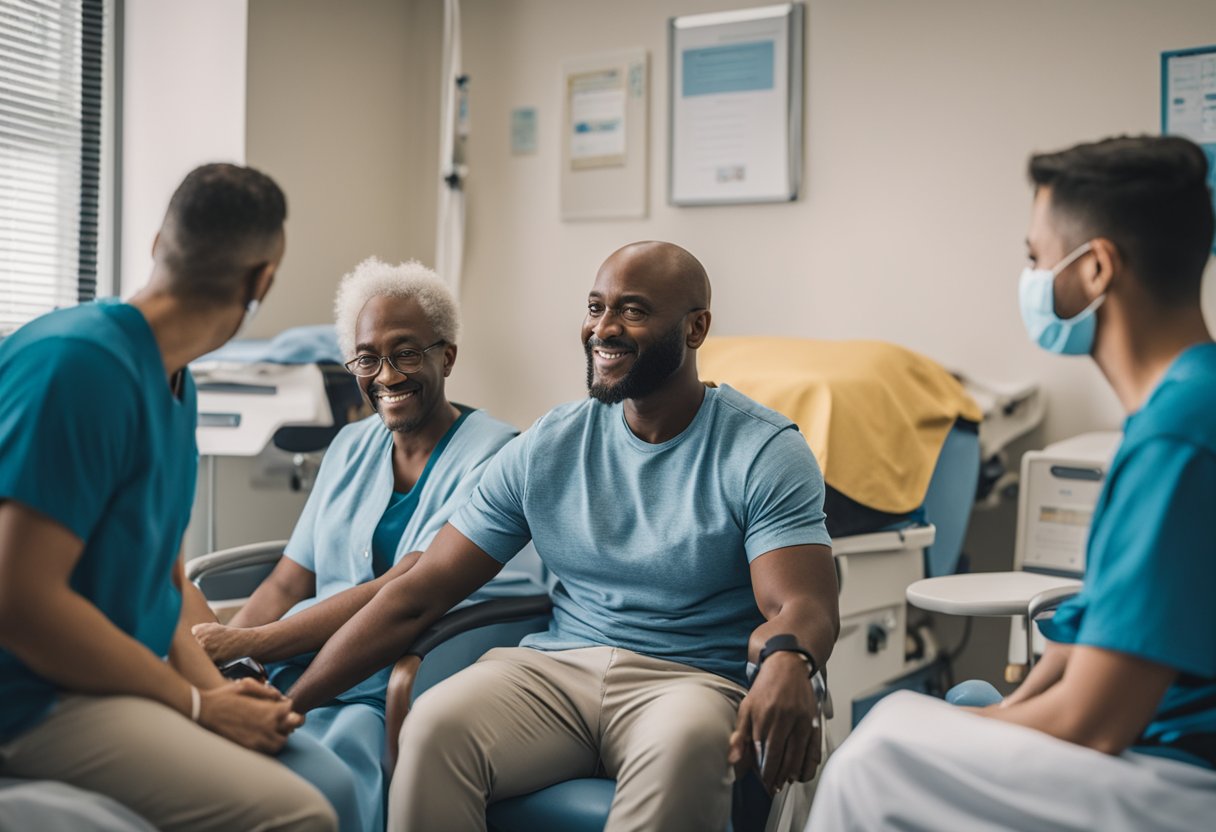
Building a connection with someone facing cancer takes understanding and care. These strategies can help create a bond that supports the patient and caregiver through challenging times.
Effective Communication Techniques
Clear, open dialogue forms the foundation of a strong relationship with a cancer warrior. I’ve found that being direct yet gentle works best. Ask specific questions about their needs and feelings, and share your thoughts honestly.
Use “I” statements to express yourself without blame. For example, “I feel worried when you don’t tell me about your symptoms” rather than “You never tell me what’s happening.”
Create a safe space for tough conversations. Set aside time without distractions, choose a comfortable setting, and be ready to listen without judgment.
The Importance of Patience and Empathetic Listening
Dealing with cancer can be overwhelming. As a caregiver, patience is key. Let the cancer warrior share at their own pace. Don’t push for information they’re not ready to give.
Practice active listening. Make eye contact. Nod to show you’re engaged. Reflect on what you hear to ensure understanding. “It sounds like you’re feeling frustrated with the side effects. Is that right?”
Avoid offering solutions unless asked. Sometimes, people need to be heard. Your presence and attention can be more valuable than advice.
Overcoming Emotional Distance and Insecurities
Cancer can create walls between people. Fear, anger, and sadness might lead to withdrawal. As a caregiver, stay connected even when it’s tough.
Share activities you both enjoy. Watch a favorite sports game together, or go for short walks if possible. These shared moments can bridge emotional gaps.
Be open about your feelings. It’s okay to admit you’re scared too. This honesty can bring you closer. Remember, you’re on the same team fighting this disease.
Address insecurities head-on. If body changes are causing distress, offer reassurance. Focus on the person’s inner strength and character, not physical appearance.
Cultural and Psychological Aspects of Caregiving

Caregiving goes beyond physical support and deeply intertwines with cultural norms and emotional connections. Trust and comfort form the foundation of these relationships, shaping how we express care and respond to each other’s needs.
Influence of Relationship Astrology
As a two-time lymphoma survivor, I’ve seen how cultural beliefs can shape caregiving experiences. Relationship astrology offers a unique lens for understanding these dynamics. Some caregivers consult astrologers to gain insight into their bond with the patient.
This practice can reveal potential strengths and challenges in the caregiving relationship. For example, sure astrological signs might indicate a natural affinity for nurturing or patience.
While not scientifically proven, these insights can foster deeper connections. They may encourage gestures of affection tailored to the patient’s preferences.
Remember, the goal is to enhance understanding and compassion, not to replace medical advice or practical care strategies.
Recognizing and Responding to Emotional Triggers
As men facing cancer, we often struggle to express our emotions. Recognizing triggers – both positive and negative – can improve the caregiving experience.
Triggers might include:
- Certain words or phrases
- Physical symptoms or pain
- Anniversary dates of diagnosis or treatment
When we identify these triggers, we can develop strategies to cope. For caregivers, this might mean learning specific comfort techniques or knowing when to give space.
Communication is key. Open dialogues about emotional needs help build trust and strengthen relationships. It’s like teammates on the field – we need to read each other’s signals and respond accordingly.
Final Thoughts
As a two-time lymphoma survivor, I’ve learned that emotional buildup can be a formidable opponent.
Men, we must tackle these feelings head-on, like facing a formidable opponent on the field.
I found strength in opening up to my loved ones and fellow cancer warriors.
It’s not a sign of weakness—it’s a game-changing strategy that helped me overcome the most challenging times.
Exercise became my secret weapon. A short walk or gentle stretching lifted my spirits, even on my worst days.
It’s like a power play for your mind and body.
Joining a support group for male cancer patients was a game-changer.
The camaraderie and shared experiences created a powerful team dynamic that boosted my morale.
Remember, it’s okay to have bad days.
I treated them like temporary setbacks in a long season. The key is to keep your eye on the ultimate goal: beating cancer and reclaiming your life.
Mindfulness and meditation helped me stay present and focused.
It’s like mental training for athletes – it keeps you sharp and resilient.
To my fellow cancer warriors: you’re stronger than you know.
Embrace your emotions, lean on your support system, and keep fighting. We’re all in this together, and victory is within reach. -T
Frequently Asked Questions
Cancer warriors face many emotional challenges. These questions address common concerns about psychological impacts, coping strategies, and ways to support loved ones battling cancer.
What are the long-term psychological effects of battling cancer?
As a two-time lymphoma survivor, I’ve experienced lasting effects on my mental health.
Anxiety about recurrence can linger for years. Depression may come and go. Some survivors develop post-traumatic stress disorder (PTSD) from their cancer journey.
Positive changes can also occur. Many of us gain a new outlook on life and stronger relationships. We often feel more resilient and grateful for each day.
How do cancer patients typically process their emotions during different stages?
Emotional reactions vary widely among cancer patients.
In my experience, shock and disbelief were standard early on. Anger, fear, and sadness often followed.
During treatment, I focused on staying positive and fighting hard.
After remission, I felt relief but also uncertainty about the future. Emotions can be intense and unpredictable throughout the cancer journey.
In what ways can stage 4 cancer influence a patient’s emotions, particularly anger?
Stage 4 cancer can spark intense anger.
I’ve seen fellow warriors struggle with feelings of unfairness and frustration. Some direct anger at their bodies for “failing” them or at doctors for not catching the cancer earlier.
Anger can also fuel the determination to keep fighting. Many channel this emotion into advocacy or supporting other patients. It’s a normal reaction that needs healthy outlets.
Are there documented connections between repressed emotions and the development of cancer?
No clear scientific evidence links repressed emotions to cancer development.
As a survivor, I’ve learned that cancer can happen to anyone, regardless of emotional state.
Stress may weaken the immune system but doesn’t directly cause cancer. Focusing on emotional well-being can improve quality of life during treatment, but it’s not a cure.
What personality changes might caregivers observe in cancer patients?
Cancer can bring out different sides of a person’s personality.
Some patients become more withdrawn or irritable due to pain and fatigue. Others may show increased emotional sensitivity.
I became more introspective and appreciative of small joys. Many warriors discover an inner strength they never knew they had. Patience and understanding from caregivers help during these changes.
How can friends and family effectively communicate with a loved one dealing with cancer?
Open, honest communication is key. Listen without judgment and let your loved one guide the conversation.
Avoid forcing positivity or minimizing their struggles. Instead, offer specific help rather than saying, “Let me know if you need anything.”
Something like “Can I bring dinner on Tuesday?” is more actionable. Remember that sometimes, just being present means more than words.
