

A Cancer Survivor’s Perspective

As a two-time lymphoma cancer survivor, I know firsthand the importance of taking my health seriously. The moment of diagnosis was a life-changing experience that forced me to confront my mortality and reevaluate my priorities.
I realized that my health was not something to take for granted and that I needed to make changes to ensure that I would be around for my family and loved ones for years.
Surviving cancer was a grueling and challenging experience, but it taught me the importance of resilience and perseverance. The treatment phase was a time of physical and emotional hardship, but I found inspiration and purpose in the support of my family and friends.
Life after cancer has been a journey of recovery and self-discovery, marked by the fear of recurrence and the challenges of coping with physical and emotional changes.
Key Takeaways
- Taking your health seriously is crucial for cancer survivors and anyone looking to maintain their well-being.
- Surviving cancer requires resilience, perseverance, and a robust support system.
- Life after cancer is a journey of recovery and self-discovery, marked by the challenges of coping with physical and emotional changes.
The Moment of Diagnosis
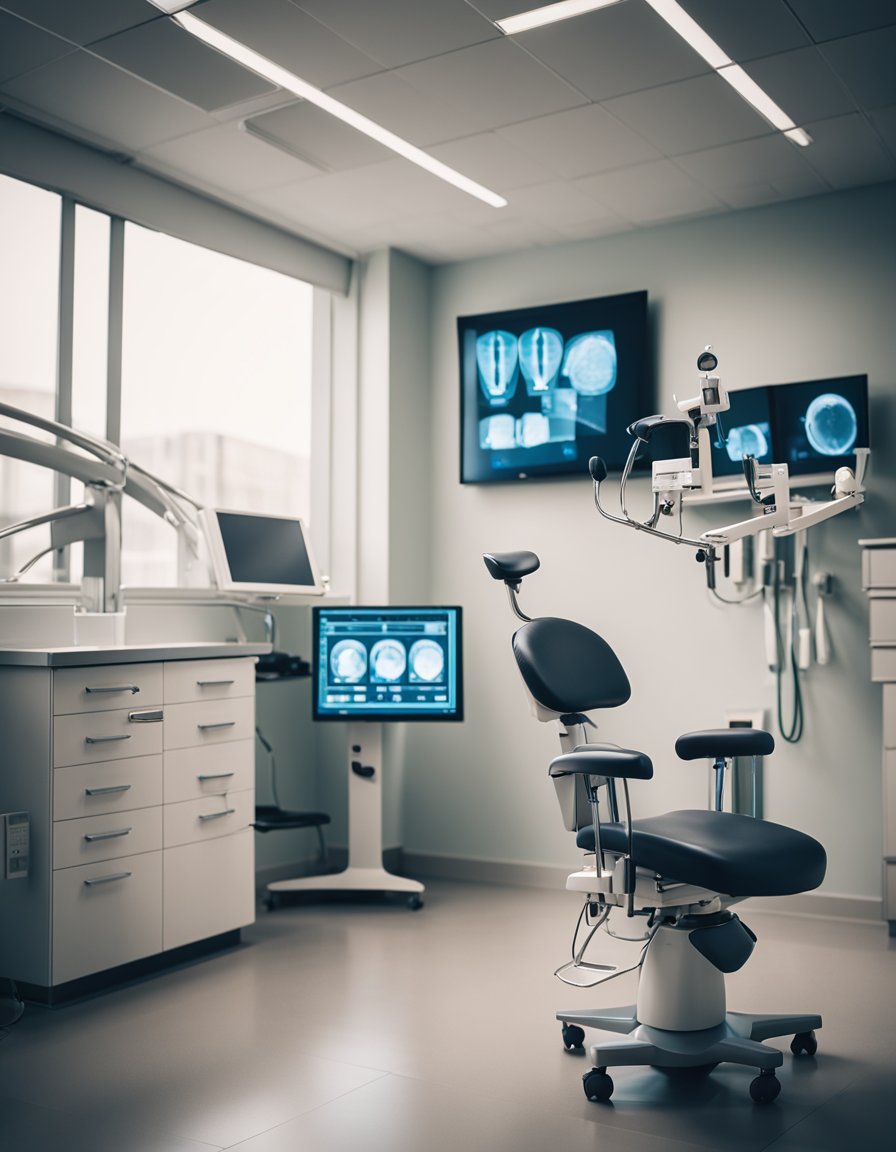
Receiving a cancer diagnosis is a life-changing event that can be overwhelming and frightening. I remember the moment I was diagnosed with lymphoma for the first time. It felt like my world had come crashing down. The fear of the unknown and the uncertainty of the future can be paralyzing.
After the initial shock and disbelief, I had to start thinking about cancer treatment options. My doctor recommended chemotherapy and radiation, which I knew would be difficult. I had to prepare myself mentally and physically for what was to come.
The first chemotherapy treatment was one of the most challenging moments of my life. I experienced side effects such as nausea, fatigue, and hair loss, making me feel different. However, I knew it was essential to stay strong and keep fighting.
Surgery was also a part of my cancer treatment plan. It was a scary decision, but I knew it was necessary to remove the cancerous cells. The recovery process was long and challenging, but I was determined to return to my everyday life.
Overall, the moment of diagnosis was a turning point in my life. It made me realize the importance of caring for my health and prioritizing self-care. As a cancer survivor, I encourage men to take their health seriously and not be afraid to seek medical attention when needed.
Surviving Cancer: The Treatment Phase
When I was first diagnosed with lymphoma, I was scared and overwhelmed. The treatment phase was challenging, but I knew I had to stay strong and fight. I underwent chemotherapy, radiation, and surgery, all with unique challenges and side effects.
Chemotherapy was brutal, and I experienced fatigue, nausea, and hair loss. I needed to take care of myself during this time by staying hydrated, eating healthy foods, and getting enough rest. I also found it helpful to talk to a counselor and join a support group to connect with other cancer survivors.
Radiation was a different experience altogether. I had to go through multiple sessions, and each one left me feeling drained and exhausted. I had to take extra care of my skin and protect myself from the sun.
Surgery was the most challenging part of my treatment. The recovery process was slow, and I followed my doctor’s instructions carefully to avoid complications.
Throughout my treatment, I received excellent care from my healthcare team. They were always available to answer my questions and address my concerns. It was reassuring to know that I had a team of experts dedicated to helping me overcome cancer.
Looking back on my experience, I am grateful for my family and friends’ support and the excellent care I received from my healthcare team. Surviving cancer is not easy, but with the proper treatment and support, it is possible to overcome this disease and live a whole and healthy life.
Life After Cancer

After surviving cancer, life takes on a new meaning. Every day is a gift, and I am grateful for each one. While cancer-free, the experience has left an indelible mark on my life. My quality of life has been affected, and there are times when I feel like I am walking on eggshells. However, I have learned to live in the moment and cherish each day.
One of the biggest challenges of life after cancer is body image. The physical changes during and after treatment can be challenging to accept. I have struggled with weight gain, hair loss, and other physical changes affecting my self-esteem. However, I have learned to accept and love my body despite its imperfections.
Physical activity and exercise have been essential to my recovery and overall well-being. While it can be challenging to get started, I have found that even small amounts of exercise can make a big difference. Walking, yoga, and swimming have been my go-to activities, but I enjoy trying new things like hiking and dancing.
Life after cancer is not always easy, but living a fulfilling and happy life is possible. It takes time, patience, and self-love, but is worth the effort. I am grateful for the lessons that cancer has taught me and for the opportunity to share my experience with others.
The Fear of Recurrence
As a two-time lymphoma cancer survivor, the fear of recurrence is something that I know all too well. It’s a feeling that can be overwhelming and all-consuming. Even after treatment, the fear of cancer returning can linger for years.
This fear is known as “scanxiety,” the anxiety that comes with waiting for and receiving the results of medical scans. It’s a natural and raw emotion that can trigger post-traumatic stress disorder (PTSD) in some survivors.
For me, the fear of recurrence is always in my mind. It’s a constant reminder of the fragility of life and the importance of taking care of my health. While I can’t control whether or not my cancer will return, I can control how I care for myself.
One of the ways I manage my fear of recurrence is by staying on top of my follow-up care plan. I attend all of my appointments and follow my doctor’s recommendations. This helps me feel like I’m doing everything possible to stay healthy and catch potential issues early.
I also prioritize my mental health by practicing self-care and seeking support from loved ones and professionals when needed. This includes meditation, therapy, and spending time with friends and family.
The fear of recurrence is a genuine and understandable emotion for cancer survivors. Acknowledging and addressing physical and mental health is important. While we can’t control everything essential, we can take steps to manage our fear and live our lives to the fullest.
Coping with Physical Challenges
As a cancer survivor, I understand the physical challenges of the disease and its treatment. Pain is a common symptom that can be difficult to manage, but it’s essential to communicate with your healthcare team about any discomfort you’re experiencing. They may be able to recommend pain management strategies or refer you to a physical therapist who can help alleviate your symptoms.
Exercise and physical activity can also be beneficial for managing pain and improving overall physical function. It’s important to start slowly and gradually increase your activity level, especially if you’ve been sedentary due to treatment. Your healthcare team can guide safe exercise routines and modifications if necessary.
In addition to exercise, maintaining a healthy diet can also help manage physical symptoms. Eating a balanced diet with plenty of fruits, vegetables, and whole grains can improve energy levels and reduce inflammation.
Overall, coping with physical challenges as a cancer survivor requires patience, persistence, and a willingness to ask for help. Remember to prioritize your health and well-being, and don’t hesitate to contact your healthcare team for support.
Addressing Emotional Challenges
As a cancer survivor, I understand the emotional challenges that come with the diagnosis and treatment of cancer. Fear, anxiety, and post-traumatic stress disorder (PTSD) are common emotions that many cancer survivors experience. These emotions can be overwhelming and affect a person’s quality of life.
During my cancer journey, I found it helpful to speak with psychologists and oncology social workers. They provided a safe space to express my emotions and helped me develop coping strategies. I encourage other cancer survivors to seek out these resources as well.
It’s important to acknowledge that emotional challenges can be as complex as physical ones. It’s okay to ask for help and to take the time to address your emotional needs.
In addition to speaking with professionals, I found connecting with other cancer survivors helpful. Cancer support groups provide a community of people who understand what you’re going through and can offer support and encouragement.
Overall, addressing emotional challenges is an integral part of the cancer journey. It’s okay to feel overwhelmed and to seek out help. Remember, you’re not alone in this journey.
The Role of Family and Social Connections
As a cancer survivor, I have realized the importance of family and social connections in maintaining good health. During my treatment, my family was my most extensive support system. They provided me with emotional support and helped me with everyday tasks that I could not do myself.
Social connections are also crucial in maintaining good health. Having a robust social support network can help reduce stress levels, which in turn can have a positive impact on overall health. Research shows that social isolation and loneliness can lead to various health problems, including depression, anxiety, and dementia [CDC].
In today’s world, social media platforms like Instagram can also play a role in maintaining social connections. While it’s essential to have face-to-face interactions, social media can help us stay connected with friends and family who live far away. However, using social media in moderation is essential, not letting it replace real-life interactions.
Overall, family and social connections are vital in maintaining good health. We must nurture these relationships and make time for them in our busy lives.
Health Care and Survivorship Plans
As a two-time lymphoma cancer survivor, I realize my health is a top priority. One of the ways I do this is by having a survivorship care plan. This is a record of my cancer and treatment history, as well as any checkups or follow-up tests I need in the future. It also includes possible long-term effects of my treatments and ideas for staying healthy.
Having a survivorship care plan has been essential in helping me stay on top of my health. It allows me to understand what needs to be done and when clearly. I also share this plan with my primary care provider, who can help me stay on track with my health goals.
In addition to having a survivorship care plan, I also make my plans. I found that my efforts seemed to be a better motivator. That was one of the main reasons behind this blog: to produce the content I wish there were for my survivorship journey. By making my plans, I can take control of my health and ensure I do everything possible to stay healthy.
Overall, having a survivorship care plan and making my plans have been essential to my health care. It allows me to take control of my health and stay on top of my goals.
The Importance of Regular Checkups
As a two-time lymphoma cancer survivor, I cannot stress enough the importance of regular checkups. From personal experience, I know that early detection is key in the fight against cancer. Regular checkups can help detect cancer early when it is most treatable.
But checkups are not just about cancer. They are also crucial for general health. During a checkup, doctors can assess overall health, identify potential health risks, and guide on maintaining good health. Regular checkups can help prevent health problems before they become serious.
Some men may feel uncomfortable or embarrassed about going to the doctor, but it’s important to remember that doctors are there to help. They have seen it all and are there to provide the best care possible.
In addition to the physical benefits of regular checkups, they can also provide peace of mind. Knowing that you are caring for your health can help reduce stress and anxiety.
Regular checkups are an essential part of maintaining overall health. They can help detect health problems early, prevent serious health issues, and provide peace of mind. As a cancer survivor, I cannot stress enough the importance of taking your health seriously and scheduling regular checkups with your doctor.
Maintaining a Healthy Lifestyle
As a cancer survivor, I know firsthand the importance of maintaining a healthy lifestyle. After going through treatment, I committed to prioritizing my health and well-being. Here are some of the things I do to maintain a healthy lifestyle:
Exercise and Physical Activity
Regular exercise and physical activity are essential for maintaining good health. I get at least 30 minutes of moderate physical activity daily, whether going for a walk, doing yoga, or hitting the gym. Exercise not only helps me stay physically fit, but it also helps me manage stress and improve my mood.
Healthy Eating
Eating a healthy, balanced diet is crucial for maintaining good health. I include many fruits, vegetables, whole grains, and lean protein. I also limit my intake of processed foods, sugary drinks, and alcohol.
Health Behavior
In addition to exercise and healthy eating, other health behaviors are essential for maintaining good health. For example, I get enough sleep every night, practice good hygiene, and stay up-to-date on my medical checkups and screenings.
Alcohol
While I enjoy a glass of wine or a beer now and then, I limit my alcohol intake. Drinking too much alcohol can adversely affect your health and increase cancer risk.
Maintaining a healthy lifestyle isn’t always easy, but it’s worth it. Caring for my body and mind allows me to live an entire and active life, even as a cancer survivor.
Inspiration and Purpose
As a cancer survivor, finding inspiration and purpose was crucial to my recovery and overall well-being. During my journey, I found that having a sense of purpose motivated me to keep going, even when things got tough.
For me, my purpose was to help others who were going through similar experiences. I started a website and podcast called Call On Courage, where I shared my story and talked to other survivors about their experiences. This gave me a sense of fulfillment and allowed me to connect with others who understood what I was going through.
I also found inspiration in the stories of other survivors. Hearing about their journeys and how they overcame their challenges gave me the courage to keep fighting. It reminded me that I wasn’t alone and that there was hope for a better future.
Courage was another vital factor in my recovery. It took courage to face my diagnosis, to undergo treatment, and to keep going even when I felt like giving up. But through it all, I learned that courage isn’t about being fearless but rather about facing and pushing through fears.
Finding inspiration, purpose, and courage was essential to my recovery and my ability to move forward. It gave me the strength to keep fighting and the hope for a better future.
The Impact of Cancer on Work
As a cancer survivor, I know firsthand the impact of cancer on one’s ability to work. According to a study published in the Journal of Clinical Oncology, cancer survivors were more likely to report that they could not work or were limited in the amount or type of work they could do because of health problems. 15.3% of survivors versus 7.5% of controls said that they could not work because of health problems in the first year post-diagnosis (P < .005) (source).
Cancer survivors may continue to work because of employment-based health insurance despite reporting poor health and significant physical and mental health limitations. Acute and long-term health and social support are essential for all cancer survivors’ continued productive employment and quality of life (source).
Factors contributing to whether cancer survivors continue or return to work after cancer diagnosis include age, physical and mental health, health insurance, education, and cancer site (source).
Cancer and its treatment can result in lasting or late-onset impairments that may affect survivors’ ability to work, according to a report from the National Academies of Sciences, Engineering, and Medicine. The report highlights the need for cancer survivors to access support services to help them address the physical, emotional, and financial challenges of cancer and its treatment (source).
Returning to work or staying at work after a cancer diagnosis can be challenging. Survivors need to understand factors that can impact their work, assess their functions, understand job demands, identify and ask for support, take control, identify and foster workplace support, and contribute to developing their return to work plan (source).
In my experience, cancer survivors must have a supportive work environment that allows for flexibility and accommodations. This can help survivors manage their symptoms and continue to work while undergoing treatment or recovery. It is also vital for survivors to have access to resources and support services to help them navigate the challenges of cancer and its impact on work.
Dealing with Late Effects of Treatment
As a cancer survivor, I know firsthand that the effects of cancer treatment can linger long after treatment ends. These effects, known as late effects, can vary significantly from person to person and depend on the type of cancer and treatment received.
Late effects can include physical, emotional, and cognitive changes. Some common physical late effects include fatigue, neuropathy, and lymphedema. Emotional late effects can include anxiety, depression, and post-traumatic stress disorder. Cognitive late effects can cause problems with memory, attention, and concentration.
It’s essential to stay informed about potential late effects and to communicate with your healthcare team about any symptoms or concerns. Regular follow-up appointments with your doctor can help detect and manage late effects early on.
The healthcare system can play an essential role in addressing late effects. Survivorship care plans, which outline a survivor’s medical history and guide ongoing care, can help survivors and their healthcare team stay on top of potential late effects.
In addition, survivors can take steps to manage their risk for late effects. For example, maintaining a healthy lifestyle, including regular exercise and a balanced diet, can help reduce the risk of metabolic syndrome, which can increase the risk of late effects.
Overall, dealing with late effects can be challenging, but survivors can take control of their health and live their best lives with the proper support and resources.
The Role of National and International Institutions
As a cancer survivor, I have come to appreciate the critical role that national and international institutions play in promoting public health. These institutions work tirelessly to develop guidelines, conduct research, and provide resources to help cancer patients and survivors manage their health.
One such institution is the National Cancer Institute (NCI), part of the National Institutes of Health. The NCI is dedicated to conducting and supporting research on cancer and providing information and resources to cancer patients and their families. Through its research, the NCI has made significant contributions to our understanding of cancer and has helped to develop new treatments and therapies.
Another important institution is the Institute of Medicine, an independent organization that provides advice and guidance on health policy issues to policymakers, healthcare providers, and the public. The Institute of Medicine has been instrumental in shaping public health policy and advocating for the needs of cancer patients and survivors.
At the international level, the World Health Organization (WHO) plays a critical role in promoting public health and preventing disease. The WHO works with governments and other organizations worldwide to develop policies and programs that improve health outcomes for individuals and communities.
National and international institutions play a vital role in promoting public health and supporting cancer patients and survivors. Through their research, advocacy, and resources, these institutions help improve health outcomes and enhance the quality of life for individuals and communities worldwide.
Final Thoughts…
Reflecting on my journey as a two-time lymphoma cancer survivor, what stands out the most is the importance of taking my health seriously. This experience has been completely life-changing, but it has also been humbling and empowering. It has made me realize the fragility of life and the importance of making the most of every moment.
As a survivor, I have learned that caring for my physical and mental health is crucial to my quality of life. I have changed my lifestyle, including eating healthier, exercising regularly, and practicing mindfulness and self-care. These changes have improved my physical health and helped me manage my emotions and stress levels.
I have learned that taking care of my health is not something to be ashamed of. It is something to be proud of. I have had to make social and lifestyle changes, but I have done so confidently and without regret. I have learned that putting my health first is not selfish but necessary.
My perspective as a cancer survivor has taught me the importance of taking my health seriously. It has empowered me to make positive changes in my life and to prioritize my physical and mental well-being. I hope my story can inspire other men to take their health seriously and make the changes necessary to live their best lives. -T
