

I nearly died to learn how to live!

As a 2-time lymphoma cancer survivor, I know firsthand a cancer diagnosis’s physical and emotional challenges. Cancer survivorship is a term used to describe the journey of living with and beyond cancer. It emphasizes cancer patients’ health, well-being, and quality of life.
Surviving cancer is not the end of the journey but rather the beginning of a new normal. Cancer survivors face unique challenges, such as understanding cancer recurrence, coping with sexual health issues, and living with a weakened immune system.
However, with the right support networks, treatment and recovery, and the role of health care professionals, cancer survivors can learn to manage these challenges and improve their quality of life after cancer.
Key Takeaways
- Cancer survivorship is the journey of living with and beyond cancer.
- Survivors face unique challenges, such as understanding cancer recurrence, coping with sexual health issues, and living with a weakened immune system.
- With the right support networks, treatment and recovery, and the role of healthcare professionals, cancer survivors can learn to manage these challenges and improve their quality of life after cancer.
Cancer Survivorship
As a two-time lymphoma cancer survivor, I know firsthand the challenges of cancer survivorship. Survivorship is the period after a cancer diagnosis and treatment when a person must adjust to life after cancer. It is a time of physical, emotional, and psychological changes that can be difficult to navigate.

Cancer survivorship programs and centers are available to help cancer survivors manage their health and well-being after treatment. These programs provide support and resources to help survivors cope with cancer’s physical and emotional effects and guide them on maintaining a healthy lifestyle.
A critical aspect of survivorship care is follow-up care. Regular check-ups with healthcare professionals can help detect cancer recurrence early on and prevent future complications.
Additionally, cancer survivors may experience late side effects of treatment, such as fatigue, pain, and cognitive changes. Survivorship programs can provide information and resources on managing these side effects and improving quality of life.
It’s important to note that survivorship is unique to each individual. Every cancer survivor has their own story and journey, and their needs and experiences may differ. However, cancer survivors can learn to live and thrive after cancer by seeking support and resources.
The New Normal
After surviving cancer, I had to learn to adjust to a new normal. It was not easy, but necessary for my physical and emotional well-being. Life after cancer treatment can be challenging, but there are ways to make it easier.

One of the most important things I learned was that healthy living is crucial. I had to make lifestyle changes to ensure that I stayed healthy. This meant eating a balanced diet, regular exercise, and enough rest. It also meant avoiding unhealthy habits like smoking and excessive drinking.
Another critical aspect of the new normal was coping with the fear of recurrence. After cancer, it is expected to worry about the cancer coming back. I found that talking to other survivors, attending support groups, and seeking professional help can help manage this fear.
I also had to learn to accept cancer treatment’s physical and emotional changes. These changes can include fatigue, hair loss, weight gain or loss, and emotional distress. It is essential to be patient with yourself and seek help when needed.
The new normal after cancer can be challenging, but it is possible to live a fulfilling life. It can thrive after cancer by making healthy lifestyle changes, managing the fear of recurrence, and accepting physical and emotional changes.
Physical and Emotional Challenges

As a 2-time lymphoma cancer survivor, I understand cancer survivorship’s physical and emotional challenges. It can be difficult, but overcoming these challenges with the right mindset and support is possible.
Physical Issues
Cancer treatment can physically affect the body, even after treatment has ended. These effects are known as late effects and can include lymphedema swelling caused by a buildup of lymph fluid. This can occur in any body part but is most common in the arms or legs. You must speak with your doctor about any physical issues you may be experiencing, as they can provide treatment or refer you to a specialist.
Emotional Challenges
Surviving cancer can also bring about emotional challenges, such as anxiety, depression, and fear of cancer recurrence. Taking care of your mental health and seeking support when needed is essential. This can include speaking with a therapist, joining a support group, or contacting friends and family for help.
It is also important to remember that everyone’s journey is different, and there is no right or wrong way to feel. It is okay to experience a range of emotions and take the time to process your feelings.
In summary, cancer survivorship can bring about physical and emotional challenges, but overcoming these challenges with the right mindset and support is possible. It is essential to speak with your doctor about any physical issues and take care of your mental health by seeking help. Everyone’s journey is different, and it is okay to take the time to process your feelings.
Understanding Cancer Recurrence
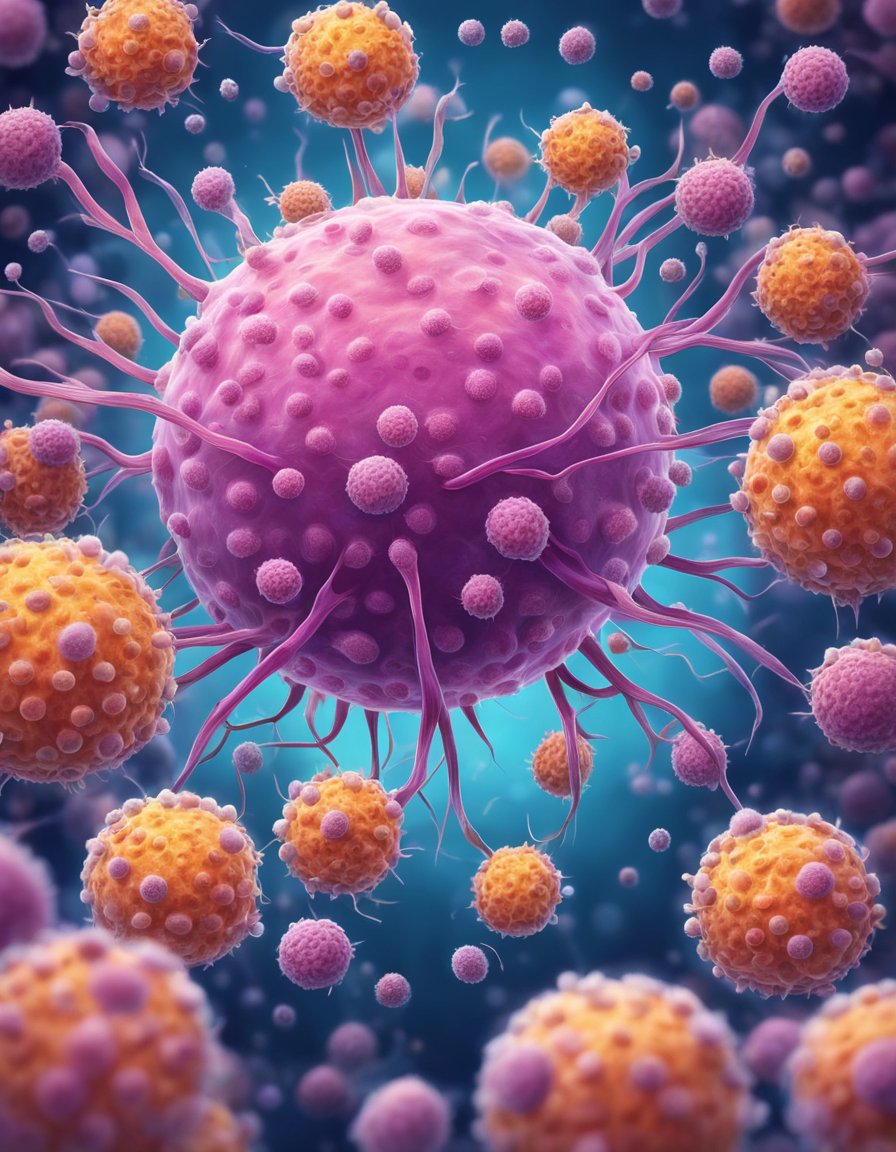
As a two-time lymphoma cancer survivor, I know firsthand the fear and uncertainty that comes with the possibility of cancer recurrence. Cancer recurrence refers to when cancer comes back after a period of remission. It can happen because some cancer cells may have remained in the body even after treatment.
The likelihood of cancer recurrence depends on various factors, such as the type of cancer, stage at diagnosis, and treatment received. Some types of cancer are more likely to recur than others, and the risk of recurrence may decrease over time.
It’s important to note that cancer recurrence is not the same as a second cancer. A second cancer is a new cancer unrelated to the first one. However, cancer survivors are at a higher risk of developing a second cancer due to various factors such as genetics, lifestyle choices, and previous cancer treatments.
The fear of cancer recurrence can be overwhelming and affect a survivor’s quality of life. However, it’s essential to understand that cancer recurrence is not a sign of failure or a death sentence. Many survivors live long, healthy lives after experiencing cancer recurrence.
If you’re a cancer survivor, staying vigilant and attending regular follow-up appointments with your healthcare team is crucial. They can monitor your health and detect any signs of cancer recurrence early on, increasing the chances of successful treatment.
Cancer recurrence is the return of cancer after remission. It’s not the same as a second cancer, and the risk of recurrence varies depending on various factors. It’s important to stay vigilant and attend regular follow-up appointments to detect any signs of recurrence early on.
Treatment and Recovery
When I was first diagnosed with lymphoma, I felt overwhelmed and scared. The thought of undergoing cancer treatment was daunting, and I wasn’t sure how to cope with the physical and emotional challenges ahead. But with the help of my doctors, family, and friends, I was able to get through it.
Cancer treatment can be brutal, but it’s important to remember that it’s also a necessary step in the journey towards recovery. Treatment can include surgery, chemotherapy, radiation therapy, or a combination, depending on the type and stage of cancer. Each treatment option has its side effects, but there are ways to manage them.
During treatment, taking care of yourself physically and emotionally is essential. This can include eating a healthy diet, getting enough rest, and seeking support from loved ones or a support group. It’s also important to communicate openly with your healthcare team about any side effects or concerns you may have.
Recovery after cancer treatment can be a long and challenging process, but it’s also a time for hope and new beginnings. It’s important to continue caring for yourself and following up with your healthcare team as needed. This can include regular check-ups, scans, and blood work to monitor for any signs of recurrence.
In addition to physical recovery, addressing any emotional or psychological challenges that may arise is essential. This can include anxiety, depression, or post-traumatic stress disorder (PTSD). Seeking support from a therapist or counselor can help manage these challenges.
Cancer treatment and recovery can be a difficult journey, but it’s important to remember that you are not alone. With the proper support and resources, moving forward and living a fulfilling life after cancer is possible.
Support Networks
Having a support network is crucial for any cancer survivor. Throughout my journey, I have realized that my family, friends, and other survivors have been invaluable resources. They have been there for me every step of the way, providing emotional support, sharing their experiences, and offering practical help.
My family has been my rock. They have been with me through thick and thin, and their unwavering love and support have kept me going. They cared for and cooked for me, ensuring I had everything. I am forever grateful for their presence in my life.
My friends have also been a great source of support. They have listened to me, offered encouragement, and distracted me from my worries. They have also helped me with practical things like driving me to appointments and running errands.
In addition to my family and friends, I have also found support from other survivors. Talking to someone who has been through a similar experience can be incredibly helpful. They understand what you are going through and can offer valuable advice and insights.
There are also many resources available for cancer survivors. Support groups, counseling, and online communities can all provide a sense of belonging and connection. These resources can also offer practical help, such as financial assistance and information about treatment options.
Overall, having a solid support network is essential for cancer survivors. It can help you cope with cancer’s emotional and physical challenges and provide a sense of hope and community.
Role of Health Care Professionals
As a two-time lymphoma cancer survivor, I cannot overstate the crucial role that healthcare professionals, including clinicians and oncology social workers, play in cancer survivorship. From diagnosis through treatment and beyond, these professionals are essential in ensuring the best possible outcomes for cancer survivors.

One of the primary roles of healthcare professionals is to provide ongoing support and guidance to cancer survivors. This includes helping survivors manage any physical or emotional side effects of treatment and providing information and resources to help survivors maintain their health and well-being.
In addition to providing direct support to survivors, healthcare professionals also play a critical role in coordinating care between different cancer care team members. This includes working closely with oncologists, nurses, and other specialists to ensure survivors receive the most comprehensive and effective care possible.
Finally, healthcare professionals are also instrumental in helping survivors navigate the complex healthcare system. This includes providing guidance on insurance coverage, connecting survivors with community resources, and advocating when necessary.
Overall, the role of healthcare professionals in cancer survivorship cannot be overstated. Their knowledge, expertise, and compassion are essential in helping survivors navigate the challenges of cancer and live their best possible lives.
Coping with Sexual Health Issues
As a cancer survivor, I know firsthand how difficult it can be to cope with sexual health issues. Cancer and its treatment can affect many aspects of sexual function, including desire, arousal, the ability to achieve orgasm or ejaculation, and pain. It’s important to remember that these issues are common and that resources are available to help.
One of the first steps in coping with sexual health issues is to talk to your healthcare provider. They can help you understand how cancer and its treatment may have affected your sexual function and provide guidance on managing related symptoms. They may also refer you to a specialist, such as a urologist or gynecologist, who can provide more specialized care.
It’s also essential to communicate with your partner about any changes in your sexual function. This can be difficult, but open and honest communication is critical to maintaining a healthy relationship. By approaching the topic of sex and intimacy openly, you can avoid blame, keep the conversation positive, and give your partner a better sense of how you’re feeling.
In addition to seeking medical help and communicating with your partner, there are other steps you can take to cope with sexual health issues. These may include:
- Experimenting with different positions or techniques to find what works best for you
- Using lubricants or other aids to reduce discomfort during sex
- Engaging in non-sexual intimacy, such as cuddling or holding hands
- Seeking counseling or therapy to address any emotional issues related to sexual function
Remember that coping with sexual health issues is a journey; finding what works best for you may take time. But with the right resources and support, it is possible to maintain a fulfilling and satisfying sex life after cancer.
Insurance and Policy
When I was first diagnosed with cancer, I had no idea how it would impact my life insurance policy. I was worried that my premiums would skyrocket or I would be denied coverage altogether. However, after researching, I learned that cancer survivors’ options exist.

If you are a cancer survivor, reviewing your life insurance policy is essential. Some guidelines may have exclusions for pre-existing conditions, including cancer. However, policies are available specifically for cancer survivors that consider your medical history and current health status.
It’s also important to consider other types of insurance, such as disability insurance. Cancer treatments can be expensive and may cause you to miss work, so having disability insurance can provide some financial security during this time.
When shopping for insurance, being honest about your medical history is essential. Failing to disclose a cancer diagnosis could result in your policy being voided or denied when you need it most. However, being upfront about your medical history may also increase premiums.
Reviewing your insurance policies and making necessary adjustments after a cancer diagnosis is essential. While it may be a complicated and overwhelming process, having the right insurance coverage can provide peace of mind and financial security during a challenging time.
Role of Advocacy and Organizations
As a two-time lymphoma cancer survivor, I know firsthand the importance of advocacy and organizations in the cancer survivorship journey. Advocacy organizations like the American Cancer Society and the National Cancer Institute provide crucial resources and support for survivors and their families.
They offer information on treatment options, financial assistance, and emotional support programs like support groups and counseling services.
The National Cancer Survivorship Resource Center is another excellent example of an organization that provides resources specifically for cancer survivors. They offer training for healthcare professionals on survivorship care and resources for survivors on topics like exercise, nutrition, and managing side effects of treatment.
Advocacy is also a critical component of survivorship. Cancer survivors have unique needs and challenges, and advocacy can help meet those needs. Advocacy efforts can include pushing for better access to healthcare, advocating for more funding for cancer research, and fighting for policies that support cancer survivors.
In my experience, advocacy and organizations have been essential in helping me navigate the challenges of survivorship. They have provided me with the resources and support I needed to survive and thrive after cancer.
Caring for the Caregivers
As a cancer survivor, I know firsthand how difficult it can be to navigate the journey of cancer treatment and recovery. However, it’s also important to remember that caregivers are crucial in this journey. Caregivers are often family members or friends who support cancer patients emotionally and physically. They are the unsung heroes who are there every step of the way, helping their loved ones through the ups and downs of cancer treatment.

It’s essential to recognize that caregivers also need support. They may experience stress, anxiety, and depression as they take on the role of caregiver. That’s why it’s crucial to provide resources and support for caregivers to help them cope with the challenges of caregiving.
One way to support caregivers is to encourage them to care for themselves. Caregivers often neglect their own needs as they focus on their loved ones. However, caregivers must take time for themselves, whether it’s through exercise, meditation, or other self-care activities. Caregivers should also ensure enough rest, eat a healthy diet, and seek support from friends and family.
Another way to support caregivers is to provide them with information and resources. Caregivers may have questions about cancer treatment, side effects, and how to care for their loved ones. Providing them with reliable information can help ease their anxiety and help them provide better care for their loved ones. The American Cancer Society’s Caregiver Resource Guide [1] is an excellent caregiver resource.
Finally, it’s essential to recognize the emotional toll caregiving can take on caregivers. Caregivers may experience guilt, anger, and sadness as they watch their loved ones undergo cancer treatment. It’s crucial to provide emotional support for caregivers, whether it’s through counseling, support groups, or just being there to listen.
In conclusion, caring for caregivers is essential to cancer survivorship. By providing support and resources for caregivers, we can help them provide better care for their loved ones and ease the emotional burden of caregiving.
[1] https://www.cancer.org/cancer/caregivers/caregiver-resource-guide.html
Living with a Weakened Immune System
As a cancer survivor, I know firsthand the challenges of living with a weakened immune system. Cancer and its treatments can damage the immune system, leaving survivors more susceptible to infections and illnesses. And on top of it, in the middle of COVID and the shutdowns, I underwent a Stem Cell Transplant.
To stay healthy, I take extra precautions to avoid getting sick. I wash my hands frequently, wear a mask in public places, and avoid large crowds. I also try to eat a healthy diet, exercise regularly, and get enough sleep to keep my body strong.
It’s important to stay current with vaccinations, especially the flu shot and other recommended vaccines for cancer survivors. I also communicate with my healthcare team about any symptoms or concerns I may have, as they can guide how to manage them.
Living with a weakened immune system can be challenging, but it’s important to remember that it’s not impossible. Cancer survivors can still live whole and healthy lives with proper precautions and care.
Related Posts:
- Cancer Survivors: Late Effects of Cancer Treatment
- Are All Cancer Survivors Immunocompromised?
- Tips to Help You Manage a Weakened Immune System
Quality of Life After Cancer

As a two-time lymphoma cancer survivor, I know firsthand that life after cancer treatment can be challenging. Cancer treatment can have long-lasting physical and emotional effects that impact a person’s quality of life. However, there are ways to improve one’s quality of life after cancer treatment.
Maintaining a healthy lifestyle is one crucial aspect of improving the quality of life after cancer. This includes eating a balanced diet, exercising regularly, and getting enough rest. It’s also essential to manage stress and anxiety, which can be difficult after a cancer diagnosis. Participating in support groups or talking to a mental health professional can help address these emotions.
Another way to improve the quality of life after cancer is to stay connected with loved ones and participate in social activities. Cancer treatment can be isolating, and it’s essential to have a support system to lean on. Participating in activities that bring joy and purpose can also help improve overall well-being.
It’s also important to communicate openly and honestly with healthcare providers about any ongoing side effects or concerns. This can help ensure that issues are addressed promptly and effectively, improving overall quality of life.
Overall, improving the quality of life after cancer treatment requires a holistic approach considering physical, emotional, and social well-being. By taking steps to maintain a healthy lifestyle, stay connected with loved ones, and communicate openly with healthcare providers, cancer survivors can improve their quality of life and continue to thrive after cancer.
The Importance of Palliative Care
As a two-time lymphoma cancer survivor, I can attest to the importance of palliative care in cancer survivorship. Palliative care is a type of care that is focused on improving the quality of life of patients and their families, reducing mental and physical distress and discomfort. It is not just for end-of-life care but can be provided at any stage of an illness.
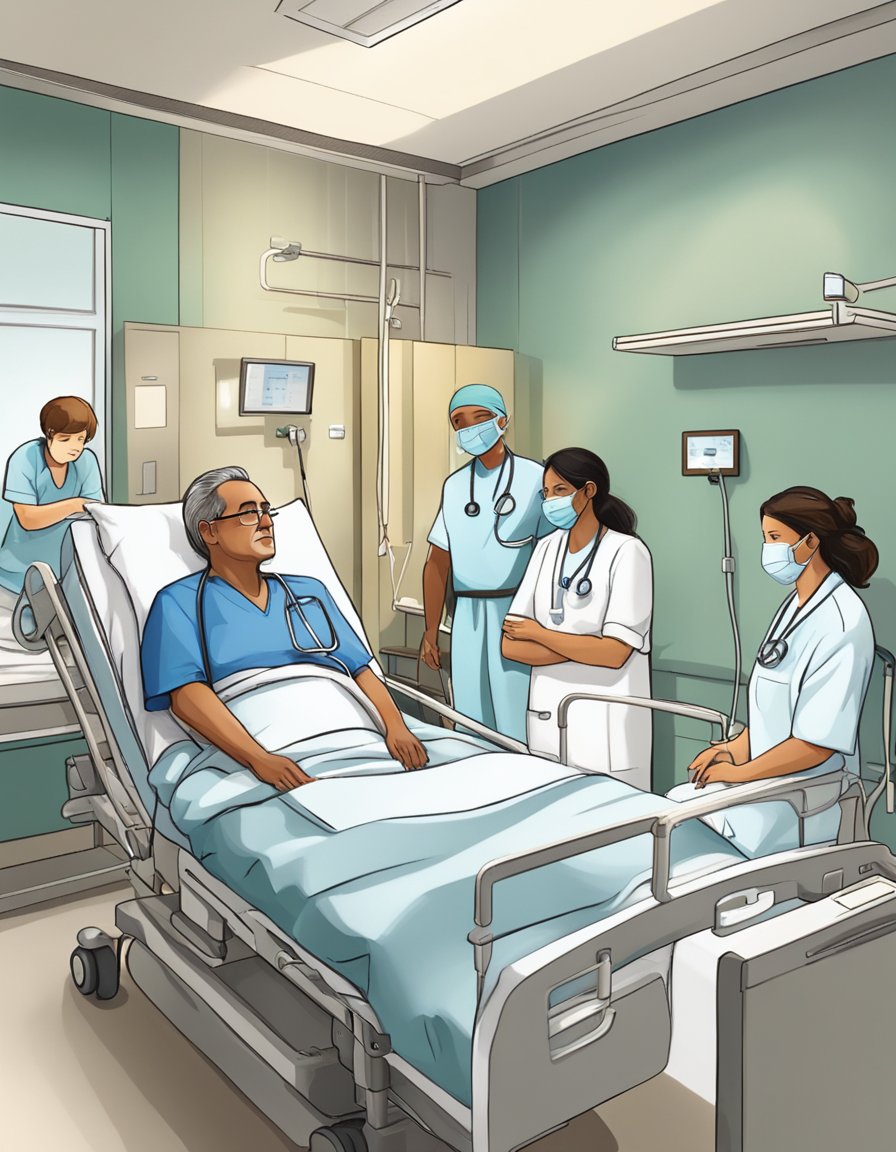
Palliative care can help cancer survivors manage their symptoms and side effects of cancer treatment, such as pain, nausea, and fatigue. It can also help with emotional and spiritual support and guide decision-making about treatment options and end-of-life care.
One of the most important aspects of palliative care is communication. Palliative care emphasizes the importance of communication about the goals of care and patient preferences. This can help cancer survivors and their families make informed decisions about their care and ensure their wishes are respected.
Another benefit of palliative care is that it can help cancer survivors and their families cope with cancer’s emotional and psychological impact. This can include anxiety, depression, and fear. Palliative care providers can offer counseling and support to help cancer survivors and their families manage these emotions.
In summary, palliative care is an essential component of cancer survivorship. It can help cancer survivors manage their symptoms, provide emotional and spiritual support, and ensure their wishes are respected. If you or a loved one is a cancer survivor, I highly recommend considering palliative care as part of your care plan.
Podcasts for Cancer Survivors
As a two-time lymphoma cancer survivor, I know firsthand the challenges of a cancer diagnosis. One of my most helpful resources has been podcasts for cancer survivors. These podcasts provide a wealth of information, resources, and support for cancer patients.
One podcast that I highly recommend is the Health After Cancer Podcast. This podcast is an excellent resource for cancer survivors, hosted by Elle Billman, Dr. Lidia Schapira, Dr. Stephanie Smith, and Dr. Natasha Steele. The hosts provide valuable insights on managing side effects, coping with emotions, and navigating the healthcare system.
Another great podcast is Living Beyond Cancer, created in collaboration with the WVU Cancer Institute, Mountains of Hope, the state’s cancer coalition, Cancer Prevention and Control, and the Bridge to Survivorship Program. This podcast provides practical tips and advice for cancer survivors and inspiring stories of hope and resilience.
For those interested in learning more about survivorship outcomes, the Cancer Survivor Guide Podcast is a must-listen. This podcast features interviews with experts in the field of survivorship, as well as stories from cancer survivors who have successfully navigated the challenges of post-treatment life.
Finally, The Cancer Mavericks: A History of Survivorship is a fascinating podcast exploring cancer survivorship history. This podcast provides valuable insights into the evolution of cancer treatment and survivorship and is an excellent resource for those interested in learning more about the history of cancer.
Overall, podcasts for cancer survivors can be a valuable source of information, support, and inspiration for those going through the cancer journey. Whether you are a newly diagnosed patient or a long-term survivor, these podcasts offer practical tips and insights to help you navigate the challenges of survivorship with confidence and resilience.
Survival and Cancer
Surviving cancer is a humbling experience that has taught me many valuable lessons. When I was first diagnosed with lymphoma, I was scared and uncertain about the future. However, my journey led me to believe that survival is not just about beating cancer but about learning how to live again.
One of the most important things I learned is the importance of self-care. I prioritized my physical and emotional well-being during treatment to ensure I was strong enough to fight cancer. This meant eating a healthy diet, staying active, and seeking support from loved ones and professionals when needed.
Another critical aspect of survival is mindset. Feeling defeated when facing cancer is easy, but I learned that a positive attitude can make all the difference. By focusing on the present moment and finding joy in small things, I was able to stay hopeful and motivated throughout my treatment.
Finally, I learned that survival is not a solo journey. Fortunately, I had a robust support system of family, friends, and healthcare professionals who helped me through every step of my journey. Without them, I’m not sure I would have made it through.
Surviving cancer is not easy, but it is possible. Through self-care, mindset, and support, it is possible to beat cancer and learn how to live again.
Final Thoughts…
As a two-time lymphoma cancer survivor, I know firsthand the challenges of cancer survivorship. It can be a difficult journey filled with ups and downs, but it’s important to remember that you are not alone. Resources are available to help you navigate this new chapter in your life.
One of the most helpful things I found during my journey was connecting with other survivors. It can be comforting to talk to someone who has been through a similar experience and can offer support and understanding. Many support groups and organizations provide resources for cancer survivors, and I encourage you to explore these options.
It’s also essential to take care of yourself both physically and mentally. Eating a healthy diet, exercising, and getting enough rest can help you feel better and improve your overall well-being. Additionally, seeking counseling or therapy can be beneficial in coping with the emotional toll of cancer survivorship.
Remember, cancer survivorship is a journey, not a destination. It’s essential to take things one day at a time and celebrate the small victories along the way. You can learn to live a fulfilling life after cancer with the proper support and mindset. -T
Frequently Asked Questions
What can you say to someone fighting cancer?
As a two-time cancer survivor, I understand the importance of having a solid support system. When speaking to someone fighting cancer, listening to them and validating their feelings is essential. You can offer encouragement and remind them they are not alone in this fight. Some things you can say include “I’m here for you,” “I believe in you,” and “You are strong and brave.”
How can you increase your chances of beating cancer?
While there is no guaranteed way to beat cancer, there are some things you can do to increase your chances of survival. This includes maintaining a healthy diet and exercise routine, attending appointments following your treatment plan, and staying positive and hopeful throughout your journey. It’s also essential to seek support from loved ones and healthcare professionals.
What are some inspiring TED talks by cancer survivors?
Many inspiring TED talks by cancer survivors offer hope and encouragement. Some of my favorites include “My Year of Living Without Fear” by Michelle Poler, “The Power of Vulnerability” by Brené Brown, and “What Almost Dying Taught Me About Living” by Suleika Jaouad.
What is the life expectancy for untreated cancer?
It’s difficult to determine the life expectancy for untreated cancer as it varies depending on the type and stage of cancer. However, it’s important to note that early detection and treatment can significantly increase the chances of survival. If you suspect you may have cancer, seeking medical attention as soon as possible is essential.
Is it possible to beat cancer without treatment?
While it may be possible to beat cancer without treatment, it’s rare. Cancer usually requires some form of therapy, whether surgery, chemotherapy, radiation, or a combination. It’s essential to work closely with your healthcare team to determine the best course of treatment for your specific type and stage of cancer.
