

Cancer Thriver Strategies: Embracing the Journey to Wellness

Going through a cancer diagnosis can be an overwhelming experience, but the journey doesn’t end with the last treatment. We are part of a growing community that not only survives but thrives beyond cancer, embracing the term ‘cancer thriver’ to denote a life engaged fully in active recovery.
Active recovery goes beyond physical healing; it encompasses a holistic approach that integrates the management of treatment effects with a focus on mental and emotional well-being.
We recognize that each of us has a unique story and that recovery is not a one-size-fits-all process. It involves personalized strategies to manage the lingering effects of treatment, making nutritious choices that nourish our bodies, and seeking out support networks that understand our experiences.
As we navigate the post-treatment landscape, we find strength in adopting lifestyle choices that support long-term health and cancer prevention, ensuring we are well-equipped to tackle life’s challenges post-diagnosis.
Key Takeaways
- Surviving cancer marks the beginning of a journey as a thriver.
- Active recovery requires personalized strategies for holistic well-being.
- Support networks and healthy lifestyle choices are vital in post-treatment life.
Understanding Cancer Survivorship
Cancer survivorship begins the moment we hear the words, “You have cancer,” and it continues through the rest of our lives. This journey reshapes our existence and demands adjustments in several facets of life.
The Journey Beyond Diagnosis
We navigate through a terrain that is as much about healing the body as nurturing the soul. After the initial shock of a cancer diagnosis, we strive to find a balance between the rigors of cancer treatment and the pursuit of quality of life.
Survivorship encompasses a spectrum of experiences, symptoms, and emotions that ebb and flow even long after treatment ends. Support systems become crucial during this time, be it through a cancer survivor’s network or personal relationships, for both practical and emotional sustenance.
– The experience of survivorship is unique for each of us, influenced by the type and stage of cancer, the treatment we receive, and our circumstances.
– Our quality of life post-treatment is paramount, focusing on managing lingering symptoms and nurturing our emotional well-being.
Embracing the Thriver Identity
To thrive is to grow vigorously and prosper; in the context of survivorship, it is about finding hope and strength beyond the illness. Embracing our identity as thrivers means leveraging our experiences to foster resilience and impart wisdom to others embarking on this journey. We recognize that our relationships are pivotal in our ability to thrive, and we work to nurture these bonds.
– We aim to enhance the quality of cancer care and the survivorship experience through sharing our stories and insights.
– There’s hope in every journey stage, and we encourage others to hold onto it tightly as it propels us forward.
Active Recovery Strategies
Active recovery is crucial in cancer rehabilitation, mitigating fatigue while fostering strength and balance. Let’s share insights on elevating recovery through focused physical activities and mindful rest.
Importance of Physical Activity
Physical activity emerges as a cornerstone of recovery for us survivors. The former premise finds support in research indicating that engaging in regular, moderate exercises, such as walking, promotes healing and helps regain our stamina. Following a structured exercise routine not only aids us in reclaiming our vigor but also in enhancing our psychological resilience.
- Exercise: Starting with brief durations multiple times per week
- Target: Gradually increase to 150-300 minutes of moderate intensity weekly
Tailored Exercise Programs
We acknowledge that after facing cancer, one-size-fits-all doesn’t apply to our recovery exercise programs. Tailoring these programs to meet individual needs ensures we are not overexerting ourselves and are on the right track toward regaining our fitness levels. Guidance from professionals in cancer rehabilitation helps us find the balance between beneficial activity and necessary rest, adapting exercises to our unique recovery phase.
- Professional Input: Essential for personalized exercise plans
- Balance & Strength: Include resistance and flexibility exercises twice weekly
Integrating Rest and Mindfulness
Incorporating rest and mindfulness is as vital as the physical exercises themselves. We adopt active recovery methods like yoga or gentle swimming to relieve our muscles and foster a calm mental state. These lower-intensity activities provide us with the dual benefits of preventing stiffness and nurturing peace of mind, paving our way toward a more holistic recovery journey.
- Activities: Select gentle movements that encourage recovery while easing stress
- Mindfulness: Merge these with practices that center our thoughts and alleviate emotional strain
Managing Treatment Effects
After lymphoma, we learn that managing treatment effects is as crucial as the treatment itself. It ensures we lead a healthier life during recovery and beyond.
Coping with Side Effects
During treatment, the toll on our bodies manifests in various side effects. We may experience fatigue, nausea, or hair loss. Palliative care becomes our haven, easing these discomforts. Techniques like deep breathing and meditation alleviate pain, while structured sleep patterns help combat tiredness. Scheduling light activities could boost our energy levels without overexertion.
For us, overcoming the immediate impacts of treatment requires a blend of medical support and lifestyle adjustments. We stay in close contact with our care team, reporting any changes in our well-being. At this stage, self-care isn’t indulgent; it’s necessary for our healing process.
Long-Term Health Considerations
Our vigilance doesn’t end with treatment; long-term health remains a priority. We monitor potential long-term side effects like memory changes or heart issues. Regular check-ups form the cornerstone of our aftercare, ensuring we catch and address any lingering issues early.
A balanced diet and regular exercise become non-negotiable parts of our routine, supporting our body’s recovery and bolstering our long-term health. We tailor these practices to our needs and limitations, always in line with medical advice. By staying proactive about our health, we take control back from cancer, one day at a time.
Nutritional Care for Cancer Thrivers
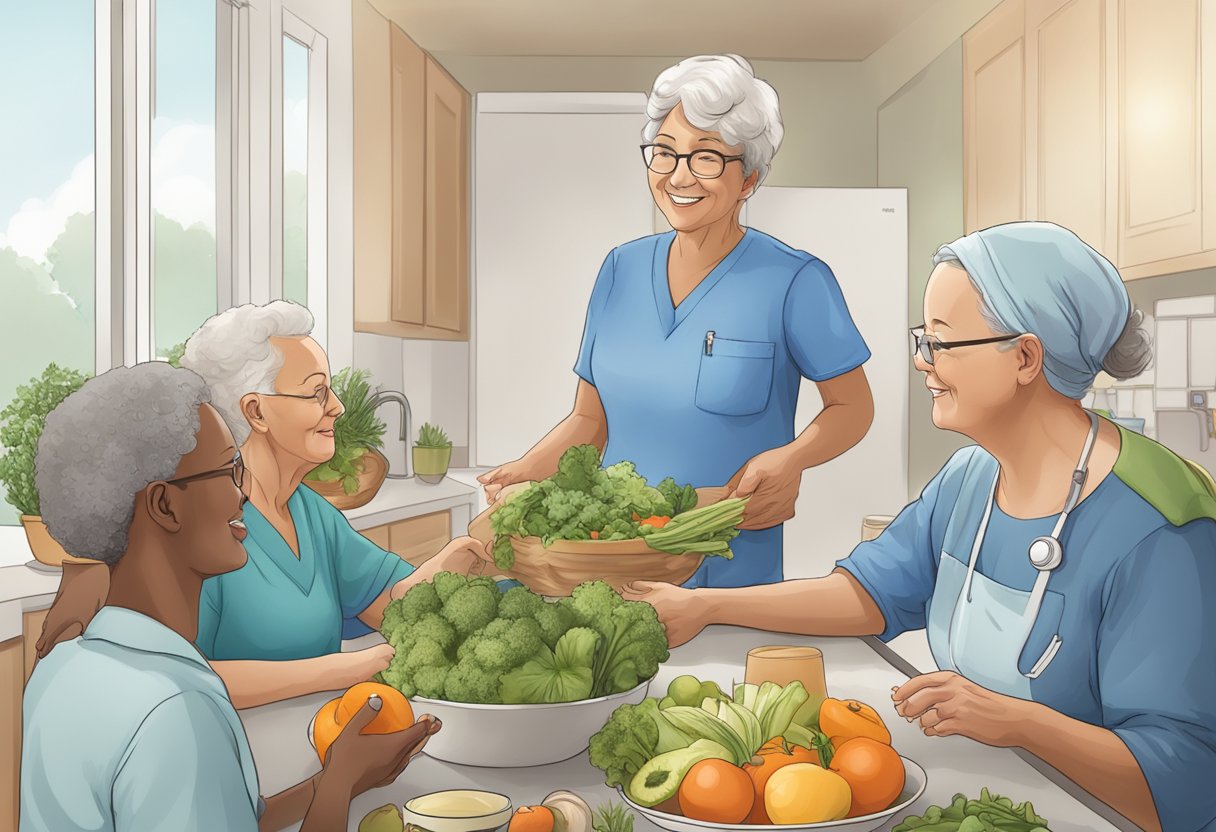
In the journey to thrive after cancer, we recognize that our food choices play a pivotal role in our recovery and overall well-being.
Role of Diet in Recovery
As cancer thrivers, we understand how a balanced diet supports our body through recovery. A healthy diet—rich in vegetables, fruits, and whole grains—is crucial for rebuilding strength and vitality. This means selecting foods that nourish our bodies while keeping an eye on proper intake of carbohydrates and limiting or avoiding alcohol. Our experience has taught us that what we eat is not just about maintaining health but a day-to-day commitment to supporting our body’s recovery process.
Guidance from Nutrition Experts
We trust the guidance of registered dietitians who specialize in cancer care. They help us customize our diets to fit our unique needs during recovery. The clinical value of nutritional care is well-documented and can be notably beneficial for cancer survivors. Here’s a concise breakdown from nutrition experts:
- Consume 25-30 kcal/kg per day for appropriate energy levels.
- Include protein of 1-1.5 g/kg per day to improve lean body mass.
- Limit carbohydrate intake to less than 5 g/kg per day.
Turning to these dedicated professionals provides a wealth of information tailored to help us thrive post-cancer. By leaning on expert advice, we ensure our sustainable and effective nutritional path.
Psychological Well-being

In our journey as cancer thrivers, managing our mental state plays a crucial role in fostering resilience and growth. We find strength in treatment and psychological well-being, which becomes a bedrock for our recovery.
Stress and Emotional Management
We recognize the tight grip of stress and the whirlwind of emotions that come with a cancer diagnosis. Facing this strain, we discover that practical strategies such as mindfulness and focused breathing make a significant difference. These techniques offer us a way to navigate through the fog of uncertainty and fear that often accompanies our treatment and recovery periods. Engaging in regular, reflective practices helps us maintain a sense of calm and control.
- Mindfulness Techniques:
- Meditation
- Yoga
- Deep-breathing exercises
These are professional support options that include individual counseling and cognitive-behavioral therapies. These interventions are tailored to help us manage stress and cope with emotional turmoil, leading us toward a path of emotional equilibrium.
Support Systems and Community
A reliable support system becomes our fortress. Family and friends often form the first layer of this system, offering emotional support that is vital for our well-being. We lean on our loved ones for strength as they provide a shared space for our struggles and victories.
Beyond our immediate circle, we seek solidarity in support groups where our experiences resonate with others. Sharing stories and strategies with peers who understand our journey builds a community united by shared challenges.
- Community Support Network:
- Local support groups
- Online forums
- Survivor networks
Additionally, professional counseling provides a confidential avenue to explore our feelings and develop coping mechanisms. Through these diverse channels of support, we reinforce our psychological armor, helping us not only survive but thrive amidst the complexities of cancer recovery.
Navigating Post-Treatment Life

As cancer survivors, our journey continues even after treatment ends, challenging us to adapt to a new landscape of health care and daily living.
Routine Follow-Up and Surveillance
Our calendars become dotted with crucial follow-up appointments. These visits are not merely in the diary but non-negotiable anchors in our lives. Each appointment is an opportunity for our doctors to monitor our health, checking for any signs of cancer recurrence. We embrace these moments of vigilance with gratitude, allowing us to seize control where we can.
Sample Follow-up Schedule:
- Months 1-24: Every 3-4 months
- Months 25-60: Every 6 months
- After 5 years: Annually
Adjusting to a New Normal
Adjustment is not a switch we can flip; it is an ongoing process that reshapes our day-to-day existence. We trade the structure of treatment for a future littered with unknowns. In these times, small victories like regaining strength or returning to work represent monumental milestones on our path to a new normal.
We hold onto the quality of life with renewed enthusiasm, finding solace in the fact that we are not alone in this endeavor. Communities and support groups offer a collective wisdom, showing us that life after treatment can be a tapestry woven with threads of resilience and hope.
Professional and Personal Support Networks

We know that thriving after cancer involves a robust network of professional and personal support. Our community is there to offer care and guidance, ensuring we remain resilient through every step of the journey.
Cancer Care Team
Our Cancer Care Team, comprised of skilled oncologists, rehabilitation professionals, physical and occupational therapists, and dedicated caregivers, is the cornerstone of recovery.
- Oncologists: Lead our medical treatment, tailoring it to our unique needs.
- Rehabilitation Professionals: Assist us in regaining strength and functioning.
- Physical Therapists: Guide us in rebuilding physical endurance.
- Occupational Therapists: Aid us in adapting to daily activities post-treatment.
We collaborate closely with these individuals, ensuring seamless cancer rehabilitation services meet our evolving needs.
Leveraging Support through Volunteerism
Volunteering allows us to expand our support network, connecting with others who comprehend our unique challenges. We engage in various events and initiatives that empower us and fellow survivors within the Cancer Survivors Network.
- Events Coordination: We plan and participate in events that create opportunities for unity.
- Peer Counseling: We provide an empathetic ear and share our wisdom with those beginning their journey.
By offering our time and experiences, we allow a valuable exchange of support and grow our united resilience circle.
Lifestyle Choices and Cancer Prevention

Making lifestyle adjustments can significantly reduce our risk of cancer. Attention to diet, physical activity, and avoidance of tobacco play a crucial role.
Incorporating Healthy Habits
Physical Activity: Regular exercise is a cornerstone of cancer prevention. The American Cancer Society recommends at least 150 minutes of moderate exercise per week or 75 minutes of vigorous activity. This could mean brisk walking, cycling, or participating in a sport we enjoy.
Healthy Diet: Packing our meals with fruits and vegetables is essential. These food groups contain nutrients and antioxidants that protect our cells. Choose whole grains and lean proteins; they provide us with energy and support muscle repair. Limit fast food and sugary drinks to maintain a healthy weight, as proposed by the research from PMC.
Awareness and Continuing Education
Staying Informed: Keep abreast of the latest cancer news to understand new cancer prevention and treatment findings. Engage with healthcare professionals who offer up-to-date information and guidance tailored to our circumstances.
Education for Prevention: We should seek resources that provide education on cancer prevention for all ages, including when your child has cancer. Knowledge empowers us to make informed decisions about our health and to take proactive steps in our cancer journey.
By adopting these lifestyle choices, we take control of our well-being and create a more hopeful future free from cancer.
Final Thoughts…
As we reflect on our journey through lymphoma, it’s clear that active recovery shapes us in transformative ways. The path has been strenuous, yet our collective resilience has forged a bond of shared strength and determination.
Our Recovery Process:
- Regular exercise, tailored to each phase of healing
- Consistent, balanced nutrition to fuel our bodies
- Sustainable stress management techniques
- Forging solid support networks
Our quest for wellness has taught us that active recovery isn’t merely about physical restoration. It’s about cultivating a mindset that embraces each day with vigor and a zest for life’s myriad experiences. Through adversity, we found unity and hope — and these are the pillars we lean on as we continue to thrive beyond cancer.
We take pride in the knowledge that by maintaining a positive outlook and making informed lifestyle choices, our experiences can serve as a beacon for others. Each step forward makes us survivors and steadfast health and well-being champions.
When faced with cancer trials, we realized that leveraging community resources and expert guidance was pivotal. These sources of support empowered us to navigate the complexities of active recovery with confidence.
So, let’s carry forward the lessons learned — embracing each day, caring for our bodies and minds, and supporting one another as we pave the way toward a future prosperous with possibility and hope. -T
Frequently Asked Questions
Navigating through cancer recovery requires understanding how rehabilitation works and the resources available to aid our healing journey.
What are the main components of a cancer rehabilitation program?
Cancer rehabilitation programs typically encompass physical therapy, nutritional counseling, psychological support, and pain management. These elements work together to restore our strength and well-being.
How does physical therapy benefit cancer patients during recovery?
Physical therapy aids us by improving mobility, reducing pain, and increasing our functional abilities, which are crucial for regaining independence and enhancing life quality during recovery.
Where can I find ReVital cancer rehabilitation services?
We can locate ReVital cancer rehabilitation services nationwide, offering personalized programs to support our unique recovery needs.
Can exercise help in improving the prognosis for stage 4 cancer patients?
Yes, structured exercise programs may boost our energy levels, help manage symptoms, and improve overall wellness, which can benefit stage 4 cancer patients’ prognosis.
What job opportunities exist within cancer rehabilitation centers?
Cancer rehabilitation centers offer diverse roles, from physical therapists and dietitians to counselors and administrative staff, all dedicated to aiding patients in their healing process.
What is the THRIVE program, and how does it support cancer patients?
The THRIVE program provides comprehensive support services, focusing on the long-term wellness of cancer survivors through various health and educational programs.
