

Embracing Survival with Empowerment and Hope

Cancer challenges us beyond our physical health; it also redefines our perspective on life, who we are, and our capacity for resilience. As we navigate this journey, we often encounter varied approaches to describing our experiences. The term ‘cancer thriver’ is emerging to represent those who survive the disease and find ways to flourish despite its challenges.
In our collective quest for healing, we have witnessed significant strides in cancer research and integrative care, which now informs a more personalized and thoughtful approach to treatment. This evolution in care coincides with a shift in narrative from battling an illness to living meaningfully despite it. Embracing this viewpoint, we acknowledge our unique paths, the communities that bolster us, and the shared experiences that connect us.
Key Takeaways
- The cancer journey encompasses more than survival; it includes thriving with an enriched outlook on life.
- Research and integrative care advancements lead to personalized approaches, enhancing quality of life.
- Shared experiences forge strong bonds within the cancer community, offering support and understanding.
Understanding Cancer

Cancer touches many lives, including ours, with complexity and challenges that require a transparent, informed approach.
Diagnosis and Symptoms
When we confront the possibility of cancer, it begins with the recognition of symptoms, which may include lumps, persistent fatigue, or unexplained weight loss. These signs hint at the need for medical attention and prompt us to seek a definitive cancer diagnosis. Healthcare professionals employ various diagnostic tools, such as blood tests, imaging, and biopsies, aiming to detect the presence of a tumor and its characteristics.
The Role of Genetics
Our genetic makeup plays a critical role in cancer development. Mutations can impair DNA repair mechanisms, allowing errors to accumulate and cells to divide uncontrollably. This mistake in cellular behavior can initiate a tumor, which is an abnormal tissue mass. Learning about our family history and potential genetic predispositions helps us to understand our own cancer risk and informs possible treatment strategies.
Treatment and Advances

As we journey through cancer, we see that treatment is never static; it evolves with groundbreaking research and clinical successes. Our collective experience champions these advances, ushering in a new era of hope.
Chemotherapy and Radiation
In our fight against cancer, chemotherapy, and radiation remain the cornerstones of our arsenal. With precise implementation, chemotherapy attacks rapidly dividing cells, while radiation focuses its high-energy beams on localized areas, disrupting cancer cell DNA and inhibiting growth. These modalities, though arduous, have enabled many of us to emerge victorious against malignancy.
Immunotherapy and Targeted Treatments
Immunotherapy turns the tide and harnesses our immune system to recognize and destroy cancer cells. This approach offers us a beacon of light, especially when traditional treatments falter. Moreover, targeted treatments take the fight directly to the molecular characteristics of tumors, sparing healthy cells and showcasing the power of precision medicine in our relentless pursuit.
Clinical Trials and Research
Clinical trials offer us a glimpse at the future of cancer care. Through our participation, we contribute to the collective repository of knowledge, facilitating the development of innovative therapies. Research propels us forward, ensuring a continuous refinement of strategies to combat cancer. Each study and every trial paves the way for safer, more effective treatments for us all.
The Cancer Thriver’s Journey

As we navigate from the shock of diagnosis to the pursuit of healing, our path transforms from mere survival to a life of thriving. This journey isn’t just a fight; it’s a profound evolution of our very selves.
From Diagnosis to Healing
The moment we hear “you have cancer,” our world tilts. We grapple with a storm of emotions, a test of our resolve. Yet within us, a spark ignites – the beginning of healing. This isn’t merely about treatment plans or medical appointments; it’s also about nurturing our inner strength. We build a web of support with family, friends, and fellow thrivers, drawing on each other’s stories and resilience.
Our battle turns inwards, too, as we steady our minds and condition our bodies. We might start with small steps, like refining our diets and incorporating daily exercises, always heeding our doctors’ tailored advice. And gradually, as we adhere to our regimens, we witness healing – not just in cells and tissues, but in our spirits and attitudes.
Surviving to Thriving
Survival is our initial quest, but we glimpse new horizons as we crest each wave. Thriving becomes our compass. We seize control, owning our experience with fierce determination. Our journey is no longer defined by cancer but by how we reshape our lives despite it. We embrace transformation, engaging in activities that bring joy and fulfillment and finding purpose that cancer cannot touch.
We forge connections that empower us and others – speaking at support groups, volunteering, or simply sharing our tales. Every triumph, be it small milestones or sweeping victories, gets celebrated, knitting a fabric of triumph from threads of adversity. Through this, we send a clear message: cancer may begin as our challenge, but it becomes a chapter in a richer narrative of our survival and spirited thriving.
Through trials, we’ve become hardened yet emerged caring and resolute, guiding others on similar paths.
Integrative and Supportive Care

Integrative and supportive care transcends traditional treatment to enhance well-being and optimize outcomes through clinical care, nutrition, lifestyle choices, and psychological support.
Nutrition and Lifestyle
Our journey with cancer teaches us to nourish our bodies with careful dietary choices that can improve our resilience during and after treatment. We focus on meals rich in vegetables, fruits, whole grains, and lean proteins, understanding that such foods can bolster our immune system and help us maintain energy levels. Hydration plays a pivotal role, too, and ensuring adequate water intake is essential.
Physical activity is another cornerstone of integrative care. Integrating regular exercise into our routine enhances our strength, reduces fatigue, and elevates our mood. We don’t need to run marathons; consistent, moderate activities like walking or yoga can significantly improve our quality of life.
Mental Health and Support Networks
Emotional well-being is as crucial as physical health. We find strength in therapy and counseling to navigate the complex emotions that often accompany a cancer diagnosis. Support groups provide a valuable platform for sharing experiences and learning from others who have faced similar challenges.
The impact of our family and friends cannot be understated—they are our unwavering support system. They celebrate our victories and sit with us through hardships, helping us foster a sense of gratitude and community. Their support not only uplifts our spirits but can also contribute to our overall health outcomes. Engaging in mindful practices like meditation can also empower us to manage stress and anxiety effectively.
Innovations in Cancer Science
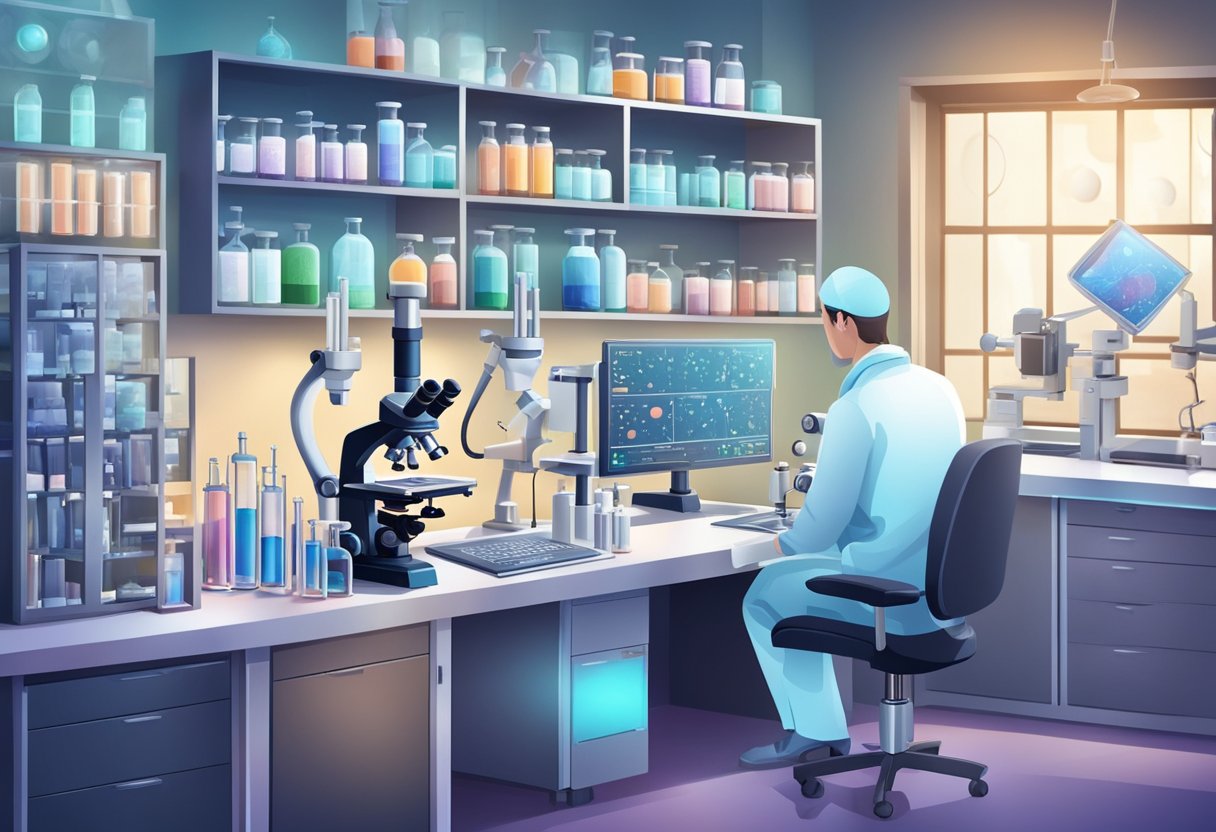
As someone who has faced the rigors of cancer treatment, we understand the value of progression in therapeutic approaches. Our journey becomes more hopeful with each scientific advancement that enters the clinical stage.
Emerging Therapeutic Tools
Immunotherapy transforms the cancer treatment paradigm by harnessing our body’s immune system to combat cancer. For instance, Natural Killer (NK) cells, a type of lymphocyte critical in the immune response, can be engineered to identify and destroy cancer cells more effectively. Cytokines in cell signaling have been manipulated to enhance immune responses against cancerous growths. Innovative treatments such as active and passive immunotherapy are leading the charge toward targeted and personalized solutions.
- Cancer Stem Cells: Recognized as a crucial element in cancer’s persistence and recurrence, therapies targeting these stubborn cells offer us a glimpse at long-term remission possibilities.
- Nitric Oxide (NO): This molecule has shown promise in manipulating blood flow within the tumor, potentially improving the delivery and efficacy of anticancer drugs within these challenging environments.
Understanding the Tumor Microenvironment
The battle against cancer extends beyond the tumor itself – it encompasses the tumor microenvironment (TME), including various non-cancerous cells, signaling molecules, and blood vessels.
- Tumor-Associated Macrophages (TAMs): These cells, often found within the TME, can either aid or suppress tumoral growth. We’re learning to influence TAMs’ behavior to our advantage, transforming them into allies within the TME.
- Interstitial Space: Manipulating space between cells may improve drug delivery. Scientific exploration in this domain offers us novel ways to ensure that therapies reach their intended target with maximum impact.
Innovations in cancer science are paving the way toward more effective treatments, extending hope to us and many others enduring this challenging fight. By understanding and altering the tumor microenvironment, maximizing the potential of therapeutic tools, and engaging with the body’s immune response, we can envision a future where cancer becomes manageable.
Stories of Hope and Resilience
In our journey, we’ve seen firsthand how narratives of courage and determination can light the way for those battling cancer. These accounts prove that resilience can lead to transformative experiences even in the darkest times.
Inspiration from Cancer Survivors and Thrivers
Each survivor’s journey is a beacon for others – their triumphs remind us that, while the path may be fraught with challenges, it’s one that countless have walked with triumph. Calling ourselves thrivers, we seek to move beyond survival, transforming our experiences into advocacy and support for others. Our stories aim to inspire, offer tangible hope, and cultivate a mindset of perseverance across our communities.
Navigating Life After Cancer
After we’ve triumphed over cancer, our journey evolves into a quest of readjustment and renewal. Living beyond cancer carries its unique set of challenges, yet it’s paved with resilience and newfound gratitude for the gift of each day.
We Embrace a New Normal
Life post-treatment doesn’t mean returning to the way things were. Our bodies and minds have endured much, and accepting this altered state provides a stable starting point. Together, we learn to:
- Adapt to physical changes with patience.
- Accept emotional fluctuations with grace.
We Cultivate Healthy Habits
Well-being becomes a central focus. We prioritize:
- Nutrition: Selecting wholesome foods to nourish our bodies.
- Exercise: Engaging in physical activity suitable for our condition.
- Rest: Ensuring ample sleep to aid in recovery.
We Connect with Fellow Survivors
Solidarity in our community offers solace. Insights and encouragement from others who understand are invaluable:
- Support groups: We find companionship and empathy.
- Thriver stories: We draw inspiration from those who share our path.
We Monitor Our Health Diligently
Regular check-ups allow us to stay ahead. We remain vigilant but not consumed by fear, remembering that vigilance is key to sustaining our health.
We Reflect on Our Experience
We’ve uncovered a profound sense of unity through the crucible of our illness. Reflecting on our experiences, we realize that we’re not solely survivors but thrivers in the truest sense.
Final Thoughts…
In our journey, we grasp that survival extends beyond battling a disease. We recognize our collective prowess, coming through the expansive darkness of lymphoma not once but twice. This ordeal gifts us clarity about life’s fragility and strength. We gather lessons, not for ourselves alone but to share them, to lighten others’ paths.
We embrace resilience, not merely in physique but in spirit. The solidarity we foster is our beacon, illuminating the labyrinth of recovery. We know now that the essence of thriving is found not in solitary survival but in mutual support, knowledge imparted, and the compassion we share.
The milestones we celebrate:
- Each day of good health
- Each fellow traveler we aid
- Each moment of fear we transform into hope
Our resilience becomes a tapestry, interwoven threads of our individual and combined experiences. We prefer candid conversations that respect our unique perspectives and avoid one-size-fits-all labels.
Actions we champion:
- Advocacy: Amplify voices in the lymphoma community
- Education: Empower with precise, accessible knowledge
- Support: Provide steadfast encouragement for each other
As we stand today, confident and united, we offer our narrative as a testament to the enduring spirit in the face of adversity and encourage every voice in our choir of survival to sing forth with strength and clarity. -T
Frequently Asked Questions
In facing cancer, we gather facts and hopeful news about the latest developments, eager to share insights that can make a huge difference in our journey.
What are the latest advances in cancer therapies as of 2023?
In 2023, we’ve witnessed significant progress in personalized medicine and immunotherapies. These therapies focus on tailoring treatment to our genetic makeup and enhancing our immune system’s ability to fight cancer.
How can the growth of cancer cells be inhibited?
Targeted therapy has been a game-changer, designed to specifically attack cancer cells without harming normal cells. This approach helps to halt cancer progression by blocking tumor cells’ growth pathways.
What recent breakthrough has been made in cancer treatment?
The recent development of CAR-T cell therapy stands out. It involves modifying our immune cells to target and destroy cancer cells, showing remarkable results in treating certain blood cancers.
Which type of cancer is most likely to recur?
Cancers such as ovarian, glioblastoma, and some forms of leukemia and lymphoma have higher recurrence rates. We pay close attention to our bodies and contact our doctors to catch and address any signs of recurrence early.
What are the promising new cancer treatments on the horizon?
Research is ongoing for new drugs like bispecific antibodies and vaccines that train the body to recognize and attack cancer cells. These are on the horizon and offer us a glimpse into a future with more effective cancer treatments.
How has our understanding of cancer improved to enhance patient survival?
Our understanding has grown to look beyond just tumors, exploring the microenvironment that supports cancer’s growth. The focus has moved towards comprehensive strategies involving diet, lifestyle, and stress management to improve our survival and quality of life.
