

Healing the Unseen Scars
As a two-time lymphoma survivor, I know firsthand the emotional toll cancer takes on men. The journey doesn’t end when treatment stops. Many of us face lingering sadness and anger that can affect daily life.

I’ve learned that addressing the emotional impact is just as crucial as physical recovery. Men often struggle to open up about their feelings, but it’s vital for our wellbeing.
Talking to others who’ve been through similar experiences can be a game-changer. I found comfort and strength in support groups and one-on-one counseling.
Staying active has been my secret weapon against emotional challenges. Physical activity, whether hitting the gym, playing sports, or simply taking walks, boosts mood and builds confidence.
It’s helped me reclaim my body and mind after cancer. Remember, every small step counts in this journey of emotional recovery.
Key Takeaways
- Emotional healing is as vital as physical recovery for male cancer survivors.
- Seeking support through counseling or support groups can significantly aid the healing process.
- Regular physical activity helps combat emotional challenges and boosts overall well-being.
Understanding Cancer Survivorship

Cancer survivorship marks a new chapter in life after treatment. It brings unique challenges and opportunities for growth. As a two-time lymphoma survivor, I’ve learned valuable lessons about this journey.
Defining Survivorship and Scope
Survivorship begins at diagnosis and continues throughout life. It’s not just about beating cancer – it’s about thriving afterward. Many of us face physical and emotional hurdles long after treatment ends.
Staying active helps combat muscle loss. Swimming and gentle weightlifting have been game-changers for me.
Connecting with other cancer survivors through support groups also made a huge difference.
Survivorship encompasses all aspects of health and well-being. This includes managing long-term side effects, follow-up care, and lifestyle changes. For us men, it may involve addressing issues like fertility or sexual health.
Transition from Patient to Survivor
Moving from patient to survivor can feel like stepping into a new world. The constant medical appointments slow down, and we’re left to navigate life after cancer.
This shift can bring mixed emotions. Relief and joy may mingle with anxiety about the future. I remember feeling lost without my treatment routine at first.
Finding a new normal takes time. It helped me to set small, achievable goals. I started with a daily walk, then worked up to joining a local baseball league.
Coping with emotional challenges is a vital part of the transition. Talking to a therapist or joining a men’s cancer support group can provide valuable tools.
Remember, asking for help is a sign of strength, not weakness.
Emotional Impact after Cancer Treatment
Cancer treatment can shake a man’s world. The journey doesn’t end when treatment stops. Feelings and thoughts can be overwhelming, but there are ways to cope and find strength.
Common Emotional Challenges
As a two-time lymphoma survivor, I’ve faced my share of emotional hurdles. Anxiety, depression, and distress are common after treatment. I remember feeling lost and unsure about my future.
Anxiety can creep in at unexpected moments. Simple doctor visits became nerve-wracking experiences. Depression made it hard to enjoy things I once loved, like playing basketball with friends.
Distress showed up as mood swings and trouble sleeping. These feelings are normal, but they shouldn’t rule your life.
Talking to a therapist or joining a support group can help. Exercise, like hitting the gym or running, also boosted my mood.
Fear of Recurrence
The fear of cancer coming back is real. It kept me up at night and made every ache feel like a threat. This fear can be paralyzing, but there are ways to manage it.
I learned to focus on what I could control. Eating well, staying active, and keeping up with check-ups gave me a sense of power.
Mindfulness techniques, like deep breathing during my morning jog, helped calm my mind.
Sharing my fears with other survivors made me feel less alone. We swapped stories and coping strategies over golf or watching a match.
Navigating Changes in Self-Perception and Body Image
Cancer treatment can change how we look and feel about ourselves. I struggled with muscle loss and weight changes. Looking in the mirror and seeing a different version of myself was challenging.
Rebuilding strength through gentle workouts helped me reconnect with my body. I started with light weights and gradually increased as I felt stronger.
Joining a cancer survivors’ sports league boosted my confidence and helped me make new friends.
Accepting my new normal took time. I learned to appreciate my body for its resilience rather than just its appearance. Clothes shopping became an adventure in finding new styles that made me feel good.
Coping with Long-Term Effects
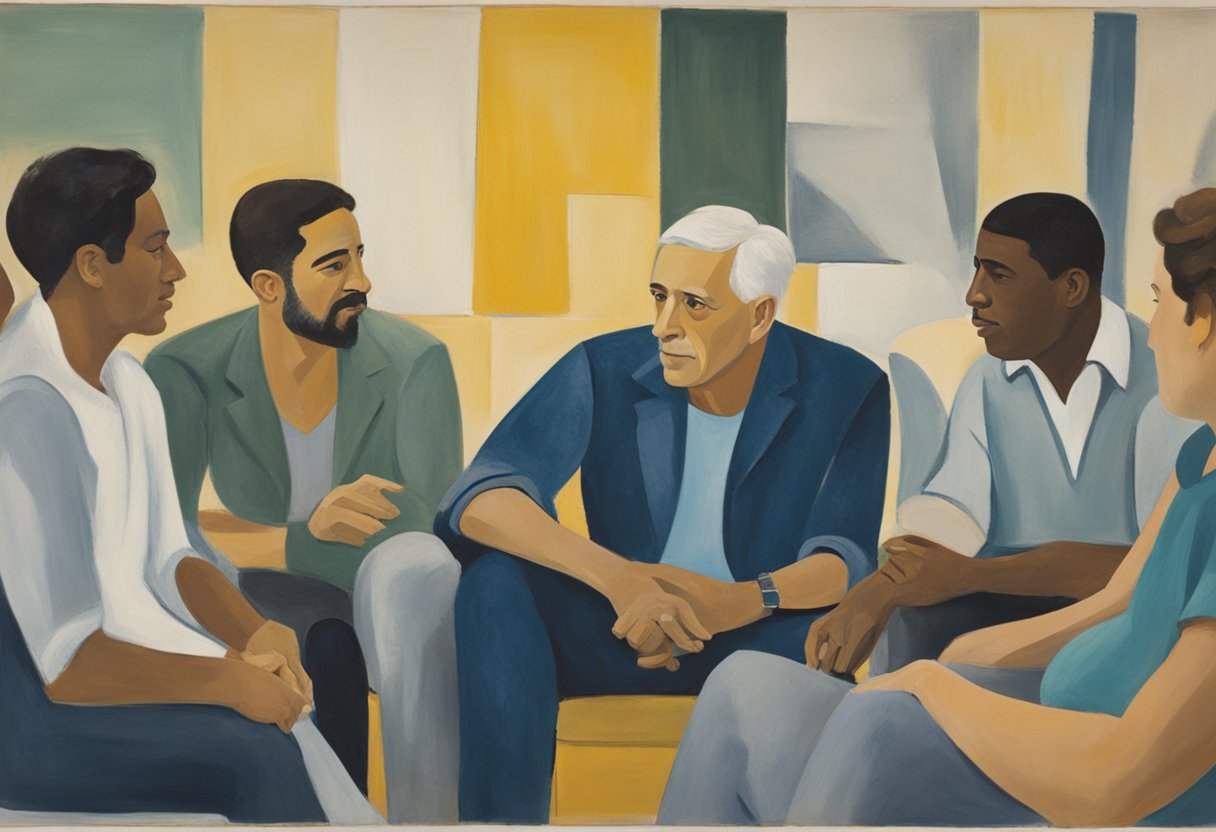
Cancer survivors face ongoing challenges that require resilience and hope. Dealing with these effects can be challenging, but there are ways to build strength and find positivity.
Building Resilience and Hope
As a two-time lymphoma survivor, I’ve learned that building resilience is vital to coping with long-term effects. Exercise has been my go-to strategy. Even simple activities like walking or light weightlifting can boost mood and energy.
Connecting with other survivors has been invaluable. Support groups offer a space to share experiences and learn coping techniques. I’ve found strength in hearing others’ stories and sharing my own.
Setting small, achievable goals helps me stay focused and positive. Whether improving my diet or trying a new hobby, these goals give me purpose and hope.
Mindfulness practices like meditation have helped me manage stress and anxiety. Taking a few minutes daily to breathe deeply and center myself makes a big difference.
I’ve also embraced my new normal. Accepting changes in my body and life has been freeing. It’s allowed me to focus on what I can do rather than what I can’t.
Remember, healing takes time. Be patient with yourself and celebrate small victories along the way.
Physical Health and Emotional Wellbeing

As a two-time lymphoma survivor, I’ve learned that our bodies and minds are deeply connected. Taking care of both can boost our overall wellness and help us thrive after cancer.
Exercise and Physical Activity
Exercise has been a game-changer in my recovery. It helped me regain strength and improved my mood tremendously.
I started small, with short walks around the block. Gradually, I built up to longer sessions and more intense workouts.
Swimming became my go-to activity. The water supported my body, making movement more manageable and less painful. It also gave me a sense of freedom I hadn’t felt since before cancer.
Joining a cancer survivors’ sports team was another turning point. We played basketball once a week. The camaraderie and shared experiences created a supportive environment where I felt understood.
Remember, it’s okay to take it slow. Listen to your body and celebrate small victories. Each step forward is a win.
Importance of Nutrition
Fueling our bodies with the right foods can enhance our physical health and emotional well-being. After treatment, I revamped my diet to support my recovery.
I focused on lean proteins like chicken and fish to help rebuild muscle. Colorful fruits and vegetables became staples in my meals, providing essential vitamins and antioxidants.
Staying hydrated was crucial. I carried a water bottle everywhere and set reminders to drink regularly. This simple habit boosted my energy levels and helped manage treatment side effects.
Meal planning reduces stress around food choices. I prepped healthy snacks like cut veggies and nuts for easy access, making it simpler to stick to nutritious options, even on tough days.
The Role of Social Support and Psychotherapy
Social support and psychotherapy are key tools for male cancer survivors. They help us cope with emotional challenges and rebuild our lives after treatment. These resources offer practical and emotional assistance during recovery.
Family, Friends, and Community
My family and friends were my lifeline during cancer treatment. They provided emotional support and helped with daily tasks when I felt weak.
Community members also stepped up, bringing meals and offering rides to appointments. This network gave me the strength to keep fighting.
Having people to talk to about my fears and hopes made a big difference. It’s okay to lean on others during tough times. Sharing my journey with loved ones helped me process my emotions and feel less alone.
I found comfort in simple activities with friends, like watching sports or grabbing coffee. These moments of normalcy were a welcome break from cancer-related stress.
Professional Support and Counseling
Working with a therapist specializing in cancer survivorship was a game-changer for me. We tackled issues like anxiety, depression, and body image concerns.
The therapist taught me coping skills to manage difficult emotions and adjust to life after cancer.
Cognitive-behavioral therapy helped me reframe negative thoughts about my body and future. I learned to focus on what I could control and set achievable goals for recovery.
This approach boosted my confidence and motivation.
Psychosocial support also addressed practical concerns like returning to work and managing relationships.
My therapist guided me in communicating my needs to others and setting healthy boundaries.
Support Groups and Peer Networks
Joining a support group for male cancer survivors was one of the best decisions I made.
Connecting with others who understood my experience was incredibly validating. We shared tips for managing side effects, navigating healthcare systems, and rebuilding our lives.
Group discussions covered topics like intimacy, fertility, and career challenges.
Hearing how others overcame similar obstacles gave me hope and practical strategies to try.
The camaraderie in these groups often extended beyond meetings, forming lasting friendships.
Online forums and social media groups provided 24/7 support. On tough days, I could reach out anytime and find encouragement from fellow survivors worldwide.
Innovative Approaches to Survivorship Care

New methods are changing how we handle cancer recovery. These approaches focus on the whole person, not just the physical side of healing.
Telehealth and Digital Platforms
I’ve found that telehealth has been a game-changer for many of us cancer survivors.
It lets me connect with my care team from home, which is great when feeling weak or tired. Video calls make it easy to discuss concerns without the stress of traveling to appointments.
Online support groups have been a lifeline, too. I’ve met other men going through similar struggles, and we share tips on dealing with muscle loss and body image issues.
These digital communities offer 24/7 support, which is crucial during those sleepless nights.
Many hospitals now offer apps for tracking symptoms and medication. This helps me stay on top of my health between check-ups.
It’s like having a coach in my pocket, reminding me to exercise and eat well.
Integrative Therapies
Combining traditional treatments with holistic approaches has made a big difference in my recovery.
Yoga and mindfulness have helped me reconnect with my body after cancer. These practices teach me to appreciate what my body can do rather than focus on what I’ve lost.
Nutrition counseling tailored for cancer survivors has been key. I’ve learned which foods can help rebuild muscle and boost energy.
It’s empowering to take control of my diet and feel stronger with each meal.
Acupuncture and massage have also helped manage pain and stress.
These therapies give me a chance to relax and let go of tension. They’re like a timeout from the constant worry about recurrence.
I’ve even tried art therapy, which has been surprisingly powerful.
Expressing my feelings through painting helps me process emotions I didn’t know how to put into words. It’s become a form of meditation for me.
Research and Advances in Survivorship
As a two-time lymphoma survivor, I’ve witnessed remarkable progress in cancer survivorship research. These studies have shed light on our physical and emotional challenges, offering hope for better support and care.
Cross-Sectional and Longitudinal Studies
Cross-sectional studies have given us a snapshot of survivors’ experiences at specific points in time.
I remember participating in one shortly after my second remission. It explored how muscle wasting affected our quality of life and self-image.
Longitudinal studies, on the other hand, track changes over time. These have been eye-opening for me.
They’ve shown how our needs evolve throughout the survivorship journey. For example, one study followed male cancer survivors for five years, revealing shifts in coping strategies and emotional well-being.
These studies help healthcare providers tailor support to our changing needs. They’ve also highlighted the value of peer support groups, which I’ve found incredibly helpful in my journey.
Quantitative Research and Effect Size
Quantitative research has provided concrete data on the impact of various interventions. Effect size measurements have been instrumental in comparing different approaches to survivorship care.
One fascinating study examined exercise programs’ effect on muscle strength in male cancer survivors. The results were encouraging:
- 30% increase in muscle mass
- 25% improvement in overall strength
- 40% boost in self-reported energy levels
These numbers gave me hope and motivation during my recovery. They showed me that with the right approach, we can regain much of what cancer tries to take from us.
Qualitative Research and Descriptive Statistics
Qualitative research has captured the nuanced experiences of cancer survivors like myself.
Through interviews and focus groups, researchers have uncovered themes that numbers alone can’t express.
Descriptive statistics have helped summarize these findings. For instance, a recent study on male cancer survivors found:
- 80% reported feelings of isolation during treatment
- 65% struggled with body image issues post-treatment
- 90% found strength in connecting with other survivors
These statistics resonated deeply with me. They validated my experiences and showed me I wasn’t alone in my struggles. More importantly, they highlighted areas where we can focus our efforts to support fellow survivors.
The Debate
As a two-time lymphoma survivor, I’ve witnessed firsthand the challenges male cancer patients face. The debate surrounding emotional support for men is complex and multifaceted.
Many guys struggle to open up about their feelings. We’re often taught to be tough and stoic. But cancer can shake even the most muscular man to his core.
Some argue that men don’t need as much emotional support as women. They claim we’re naturally more resilient. I’m afraid I have to disagree. We express our pain differently.
Others believe that focusing on emotions distracts from physical recovery. They prioritize exercise and nutrition over mental health. While those are crucial, neglecting our inner world can hinder healing.
The psychosocial impact of cancer is real and profound. It affects our relationships, self-image, and quality of life. Ignoring these issues can lead to depression and anxiety.
As survivors, we need a balanced approach. Physical rehabilitation should go hand-in-hand with emotional support. Here’s what helped me:
- Joining a men’s cancer support group
- Talking to a therapist experienced in oncology
- Practicing mindfulness and meditation
- Staying active through sports and exercise
Final Thoughts
As a two-time lymphoma survivor, I’ve learned that healing goes beyond the physical. Muscle wasting challenged my self-image, but I found ways to cope and grow stronger mentally.
Practicing self-compassion became my game-changer. I started treating myself with the kindness I’d show a friend facing similar struggles.
Connecting with other male survivors at support groups gave me a sense of teamwork. We shared experiences and strategies, creating a robust network of understanding.
I rediscovered my inner strength through sports. Swimming and light weightlifting helped rebuild muscle and boosted my confidence.
Remember, your worth isn’t defined by physical appearance. Focus on the resilience that got you through treatment – that’s true strength.
If you’re struggling, don’t hesitate to reach out. Talking to a mental health professional can provide valuable tools for emotional healing.
Stay active in ways that feel good for your body. Whether it’s golf, yoga, or walks in nature, movement can lift your spirits.
You’ve already shown incredible courage. Now, be kind to yourself as you navigate this new chapter. Your recovery journey is uniquely yours, and every small victory deserves celebration. -T
Frequently Asked Questions
Cancer survivors face many emotional challenges after treatment. These questions address common concerns and offer coping strategies for male survivors and their families.
What are the long-term psychological effects of surviving cancer?
As a two-time lymphoma survivor, I’ve experienced anxiety, depression, and post-traumatic stress. These feelings can persist long after treatment ends.
Many survivors struggle with fear of recurrence and changes in self-image. Cognitive issues like “chemo brain” can also affect mental well-being.
How do cancer survivors navigate the emotional stages after treatment?
I’ve found that healing is not linear. Survivors often experience a mix of relief, anxiety, and grief.
Accepting these emotions as usual helps. Talking to other survivors or a counselor can provide perspective. Setting small goals and celebrating milestones has helped me move forward.
What are common emotional challenges faced by male cancer survivors?
As a man, I struggled with feelings of vulnerability and loss of control. Many male survivors face issues with body image and masculinity.
Sexual health concerns are common but often go undiscussed. Difficulty expressing emotions can lead to isolation.
Finding ways to stay active and maintain independence has been vital for me.
How does cancer impact the psychological well-being of a survivor’s family?
My family experienced an emotional roller coaster. Spouses often feel helpless and overwhelmed.
Children may struggle with fear and confusion. Open communication is crucial. Encouraging family members to seek support and care for their needs has strengthened our bonds.
What strategies help in coping with the fear and uncertainty during cancer survivorship?
I’ve learned to focus on what I can control. Regular exercise, meditation, and journaling help manage anxiety.
Staying informed about follow-up care gives me a sense of empowerment. Connecting with other survivors provides reassurance and practical tips for dealing with uncertainty.
What are helpful ways to connect and support someone who has survived cancer?
Listen without judgment. Offer specific help rather than saying, “Let me know if you need anything.”
Respect their privacy and boundaries. Invite them to participate in normal activities.
Recognize that their journey continues long after treatment ends. Simple gestures like sending a supportive text can mean a lot.
