

How to Thrive with Cancer
As cancer survivors, we know that the journey to recovery is not an easy one. It requires hard work, patience, and support from family and friends. One of the biggest challenges we faced was finding a balance between our cancer treatment and our daily lives. It was a balancing act that required us to make difficult decisions and prioritize our health while living our lives to the fullest.

This article will explore the balancing act as a cancer thriver. We will discuss the role of caregivers, the impact of cancer treatment on our lives, and how to cope with cancer as a family.
We will also share some inspirational stories of survivors who have successfully navigated this challenging journey and offer tips for staying informed and living life to the fullest.
Key Takeaways
- Balancing cancer treatment and daily life is a challenging journey that requires patience, hard work, and support from family and friends.
- Caregivers are vital in helping cancer thrivers navigate this journey and balance their treatment and daily lives.
- By staying informed, seeking support, and living life to the fullest, cancer thrivers can successfully navigate this journey and emerge stronger and more resilient.
Understanding the Balancing Act
Cancer and its Diagnosis
As cancer thrivers, we understand the emotional turmoil that comes with a cancer diagnosis. From the moment we hear the word “cancer,” our lives are forever changed. The diagnosis can be overwhelming, and we may feel like we have lost control of our lives. It is important to remember that we are not alone in this journey.
The diagnosis process can be a long and challenging road. We may have to undergo numerous tests and procedures, which can be both physically and emotionally draining. It is crucial to have a support system in place during this time. Our loved ones can be a source of strength and comfort as we navigate the diagnosis process.
The Balancing Act
The balancing act is a term used to describe the challenges of managing our daily lives while undergoing cancer treatment. As cancer thrivers, we must learn to balance our physical, emotional, and social needs while undergoing treatment. This task can be difficult, but it is essential to our overall well-being.
Physical balance involves managing our symptoms and side effects. We may experience fatigue, nausea, and pain, among other symptoms. It is important to communicate with our healthcare team about our symptoms so that they can provide us with the necessary support and treatment.
Emotional balance involves managing our mental health and well-being. We may experience anxiety, depression, and fear, among other emotions. It is essential to seek out support from our loved ones, healthcare team, or a mental health professional.
Social balance involves maintaining our relationships and social connections. We may feel isolated or disconnected from our loved ones during treatment. It is essential to stay connected with our social network and seek support from others who have gone through a similar experience.
As cancer thrivers, we must learn to balance our physical, emotional, and social needs while undergoing treatment. Having a support system in place and communicating with our healthcare team about our symptoms and needs is essential. We can achieve a healthy balance and improve our overall well-being.
The Role of Caregivers
As cancer thrivers, we recognize caregivers’ critical role in our journey. Being a caregiver is no easy task, requiring strength, patience, and resilience. Caregivers are the unsung heroes who provide us with emotional, physical, and practical support during our cancer treatment.
Being a Caregiver
Caregivers are often loved ones who assume the responsibility of providing care and support to cancer thrivers. They help us make important decisions, accompany us to medical appointments, and provide emotional support when needed. Caregivers also help us manage our day-to-day needs, such as preparing meals and managing medication.
Being a caregiver can be a challenging and emotionally taxing experience. Caregivers often put their own needs and well-being on hold to prioritize ours. It is essential for us to recognize the sacrifices that caregivers make and to ensure that they receive the support they need to continue providing care.
Support for Caregivers
Cancer treatment can be a long and challenging journey, and caregivers need support to help them manage their responsibilities. Many resources are available to support caregivers, including support groups, counseling services, and educational resources.
Support groups provide caregivers with an opportunity to connect with others who are going through similar experiences. These groups offer a safe and supportive environment where caregivers can share their thoughts and feelings and receive emotional support.
Counseling services can also be helpful for caregivers who are struggling with the emotional toll of providing care. Counseling can help caregivers develop coping strategies and manage stress and anxiety.
Educational resources can also be helpful for caregivers who are looking to learn more about cancer treatment and management. These resources can provide caregivers with practical tips and advice on providing care and support to cancer thrivers.
Caregivers play a critical role in the cancer journey. As cancer thrivers, we recognize the sacrifices that caregivers make and the support they provide. We need to ensure that caregivers receive the support they need to continue providing care and acknowledge their important role in our journey.
Cancer Treatment and Its Impact
As cancer thrivers, we understand the toll that cancer treatment can take on our bodies, emotions, and daily lives. Treatment options vary depending on the type and stage of cancer, but they often include chemotherapy, radiation therapy, surgery, and immunotherapy.
Treatment Options
Chemotherapy is a common cancer treatment that uses drugs to kill cancer cells. It can be given orally or intravenously, and it often causes side effects such as hair loss, nausea, and fatigue. Radiation therapy uses high-energy radiation to kill cancer cells, and it can cause skin irritation, fatigue, and other side effects.
Surgery is often used to remove cancerous tumors and can be followed by chemotherapy or radiation therapy. Immunotherapy is a newer cancer treatment that uses the body’s immune system to fight cancer cells. It can cause side effects such as fatigue, fever, and skin rash.
Side Effects and Emotions
Cancer treatment can cause a range of side effects, both physical and emotional. Physical side effects include hair loss, fatigue, nausea, and pain. Emotional side effects can include anxiety, depression, and fear.
As cancer thrivers, we know that it can be difficult to cope with the physical and emotional side effects of cancer treatment. It’s important to talk to your healthcare team about any side effects you’re experiencing so they can help you manage them.
Cancer treatment can also take a toll on our emotions. It’s normal to feel a range of emotions, including fear, anger, and sadness. It’s important to seek support from loved ones, support groups, or a mental health professional if you’re struggling with your emotions.
Cancer treatment can be challenging, but there are resources available to help us cope with the physical and emotional side effects. As cancer thrivers, we know that it’s important to take care of ourselves and seek support when we need it.
Coping with Cancer as a Family
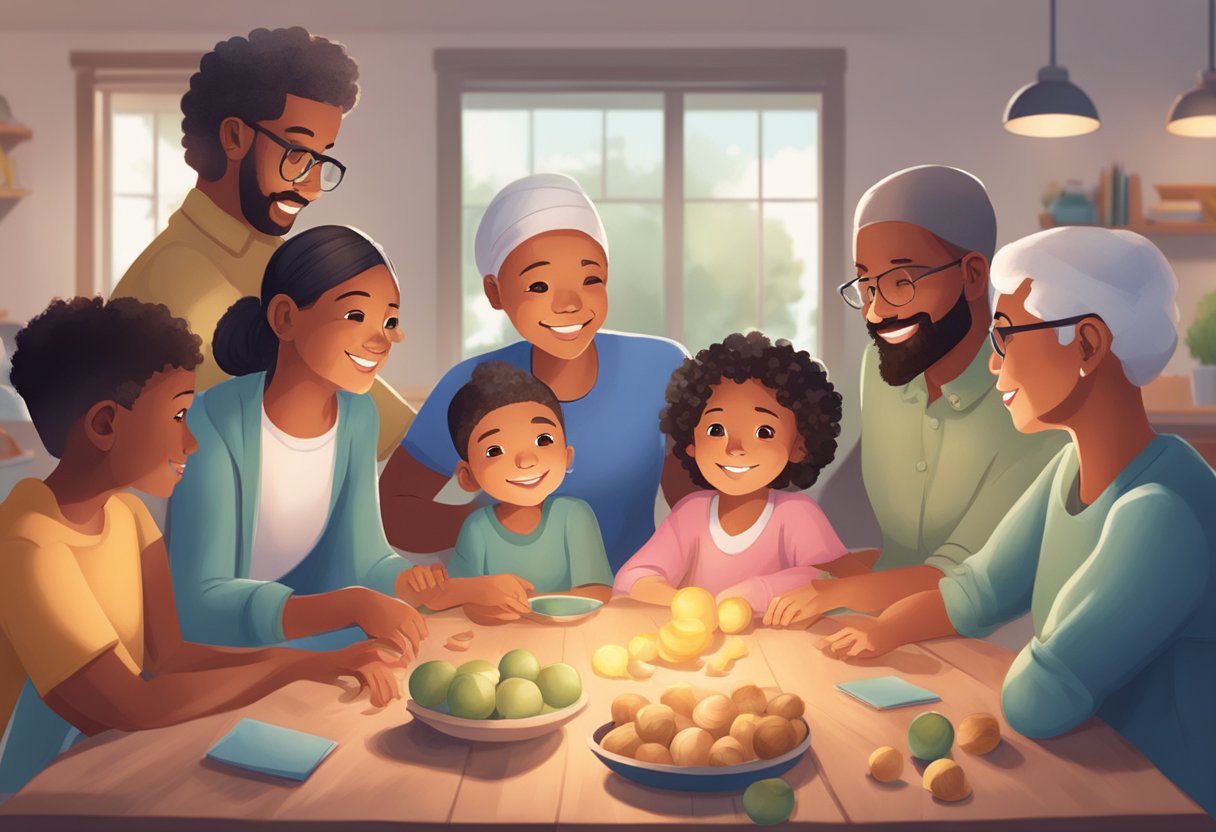
Cancer is not just an individual disease. It affects the entire family. Coping with cancer as a family is a challenging and emotional experience for everyone involved. In this section, we will discuss the impact of cancer on the family and the ways to balance parenting and cancer care.
Family Disease and Risk
Cancer is a family disease, and the risk of developing cancer can be higher for family members of cancer patients. Therefore, it is essential to understand the family history of cancer and discuss it with your doctor. Knowing your family’s cancer history can help you and your family members take steps to reduce the risk of developing cancer.
As a cancer survivor, I know the importance of discussing the family history of cancer with your doctor. It can help you and your family members take necessary precautions and screening tests to detect cancer early.
Balancing Parenting and Cancer Care
Balancing parenting and cancer care is a challenging task for cancer patients who are also parents. Cancer treatment can be time-consuming, and it can affect the patient’s ability to take care of their children. However, with proper planning and support, it is possible to balance parenting and cancer care.
As a cancer survivor and a parent, I know how challenging it can be to balance parenting and cancer care. It is crucial to have a support system in place, including family, friends, and healthcare professionals. It is also essential to communicate with your children and explain your cancer diagnosis in an age-appropriate way.
Coping with cancer as a family is a challenging experience, but it is possible to manage it with the right support and planning. Understanding the family history of cancer and balancing parenting and cancer care are two crucial aspects of coping with cancer as a family.
Inspirational Stories of Survivors

As survivors, we know how difficult it can be to face cancer and come out on the other side. However, we also know that it is possible to thrive after a cancer diagnosis. In this section, we will share some memorable stories of survivors who have overcome cancer and gone on to live full and rewarding lives.
Memorable Survivors
One survivor who has inspired us is Debby Bitticks, who has survived cancer twice. She speaks from a place of experience and humility, sharing her story in an engaging and relatable way. Her journey has taught her the importance of self-care, and she encourages others to prioritize their well-being.
Another memorable survivor is Alicia Chaun, who has been living with breast cancer for over a decade. She emphasizes the importance of language when talking about cancer, stating that not everyone wants to be called a survivor. She also encourages others to focus on thriving rather than just surviving.
Rick, a colon and kidney cancer survivor, shares his story of facing cancer with courage and determination. He emphasizes the importance of having a support system and finding ways to stay positive during treatment. He also stresses the importance of early detection and encourages others to get regular screenings.
These survivors have all faced cancer with grace and resilience, and their stories serve as an inspiration to us all. While cancer can be a difficult journey, it is possible to come out on the other side stronger and more resilient than ever before.
The Role of Media in Cancer Awareness

As cancer survivors, we understand the importance of media in raising cancer awareness. Media plays a vital role in informing the public about new developments in cancer research and influencing cancer policy. However, misrepresentation can have profound consequences.
Montel Williams and Olga Villaverde
Two well-known cancer survivors who have used their media platforms to raise awareness about cancer are Montel Williams and Olga Villaverde. A former talk show host, Montel Williams has been an advocate for cancer research and awareness since his diagnosis of multiple sclerosis and lymphoma. He has utilized his platform to educate the public about cancer and raise research funds.
Olga Villaverde, a television host and producer, is a breast cancer survivor who has used her media platform to educate the public about breast cancer. She has interviewed cancer experts and survivors to provide valuable information to her audience. Her show, “The Balancing Act,” has been a valuable resource for cancer survivors and their families.
Living Life to the Fullest

As cancer thrivers, we know how important it is to live life to the fullest. We have been through the toughest of times and want to make the most of every moment. Here are some ways we can do just that.
Music and Festivals
Music has the power to heal, and attending music festivals can be a great way to let loose and enjoy life. In Miami, we have the Ultra Music Festival, one of the world’s largest electronic music festivals. The Keys also host multiple music festivals throughout the year, such as the Key West Songwriters Festival and the Key Largo Original Music Festival. Fort Lauderdale and West Palm Beach also have music festivals yearly.
Dream Vacation Getaways
Traveling to new places can be a great way to experience life to the fullest. As cancer thrivers, we know how precious life is, and we want to make the most of it. Some dream vacation getaways that we recommend are:
- Hawaii: With its beautiful beaches, volcanoes, and lush rainforests, Hawaii is a dream destination for many.
- Italy: With its rich history, delicious food, and beautiful architecture, Italy is a must-visit destination.
- Australia: From the Great Barrier Reef to the Outback, Australia is home to some of the world’s most beautiful and unique landscapes
.
As cancer thrivers, we know that life is short, and we want to make the most of every moment. By attending music festivals and traveling to dream vacation getaways, we can experience life to the fullest.
Staying Informed

As cancer thrivers, staying informed about the latest news in health is crucial. We understand the importance of keeping up-to-date with the latest cancer treatment and prevention research and developments.
Latest News in Health
We recommend regularly checking reputable sources such as the American Cancer Society and the National Cancer Institute for the latest news and information on cancer research, treatment, and prevention. These organizations provide valuable resources and information on clinical trials, new treatments, and cancer prevention strategies.
It is also important to stay informed about the latest developments in health and wellness more broadly. This includes staying up-to-date on the latest nutrition, exercise, and stress management research. We recommend consulting with a healthcare professional to develop a personalized plan for staying healthy and preventing cancer recurrence.
HPV and Cancer Risk
Human papillomavirus (HPV) is a common sexually transmitted infection that can increase the risk of certain types of cancer, including cervical, anal, and oropharyngeal cancer. We encourage all cancer thrivers to talk to their healthcare provider about the HPV vaccine, which can help prevent some types of cancer.
It is also important to practice safe sex and get regular screenings for cervical and other HPV-related cancers. Regular screenings can help detect cancer early when it is most treatable.
Overall, staying informed about the latest news in health and cancer prevention is essential for cancer thrivers. We can take an active role in our health and well-being by staying up-to-date on the latest research and developments.
Final Thoughts…
As cancer thrivers, we know that the journey is not an easy one. It requires a delicate balance between physical, emotional, and mental health. We must learn to listen to our bodies and care for ourselves while being aware of our illness’s impact on those around us.
One of the most important things we can do is to stay positive. This doesn’t mean we should ignore the difficulties we face, but rather that we should focus on the good things in our lives. Whether spending time with loved ones, pursuing a hobby, or simply enjoying a beautiful day, finding joy in the small things can make a big difference.
Another key to balancing our lives as cancer thrivers is to stay informed. We should know the latest research and treatment options and proactively advocate for our health. This means asking questions, seeking second opinions, and being our best advocate.
Finally, we must remember that we are not alone. Countless others have faced the same challenges and come out the other side. We can find comfort, support, and inspiration by connecting with other cancer thrivers.
In the end, the balancing act of life as a cancer thriver is not an easy one. But with a positive attitude, a commitment to staying informed, and the support of others, we can navigate this journey with grace and resilience. -T
Frequently Asked Questions
How can cancer patients increase their chances of remission?
As cancer thrivers, we understand the importance of increasing the chances of remission. One of the most effective ways to do this is to follow a healthy lifestyle, including a balanced diet, regular exercise, and stress management techniques. Additionally, it’s important to attend all follow-up appointments and adhere to the treatment plan prescribed by your healthcare team.
What are some effective treatments for cancer?
There are various treatments available for cancer, including surgery, chemotherapy, radiation therapy, and immunotherapy. The most effective treatment for an individual patient depends on the type and stage of cancer and the patient’s overall health. Discussing all treatment options with your healthcare team and making an informed decision is essential.
What are the most common types of cancer with high recurrence rates?
Unfortunately, some types of cancer have a higher recurrence rate than others. These include breast cancer, lung cancer, colon cancer, and melanoma. However, it’s important to remember that every individual’s experience with cancer is unique, and recurrence rates can vary based on various factors.
What are the latest advancements in cancer immunotherapy?
Cancer immunotherapy is a rapidly evolving field, regularly making new advancements. Some of the latest advancements include the development of CAR T-cell therapy, which involves modifying a patient’s T-cells to target cancer cells, and checkpoint inhibitors, which help the immune system recognize and attack cancer cells.
What lifestyle changes can help cancer patients thrive?
As cancer thrivers, we understand the importance of making lifestyle changes to help us thrive. Some effective changes include following a healthy diet, exercising regularly, practicing stress management techniques, and getting enough rest. Additionally, seeking support from loved ones and healthcare professionals is important.
How can cancer patients manage their symptoms and side effects effectively?
Managing symptoms and side effects can be challenging, but various strategies can help. These include taking medications as prescribed, practicing relaxation techniques, getting enough rest, and staying hydrated. It’s important to communicate openly with your healthcare team about any symptoms or side effects you are experiencing so they can help you manage them effectively.
