

Navigating Your Path to Wellness

Navigating the cancer journey is akin to traversing a complex landscape with unique challenges and victories. As survivors, we understand the gravity of a cancer diagnosis, the weight of treatment options, and the resilience required during treatment.
The term’ thriver’ encapsulates our experience—it’s not just about survival but also about how we flourish post-diagnosis, harnessing every moment for growth and renewal.
Through our collective bouts with lymphoma, we’ve developed a deep sense of empathy and a commitment to being a beacon of guidance for fellow men on this path. Sharing our narratives serves not just as a means of support but also as advocacy, uplifting each other while heightening awareness. As thrivers, we actively embrace life, finding solace in sport and a sense of community in shared experiences.
Key Takeaways
- We embrace life with a survivor’s spirit and the heart of a thriver.
- Our shared experiences offer support and bolster resilience.
- Thriving after cancer involves advocacy, sharing our stories, and finding joy in sports and community.
Understanding Cancer

Cancer affects us profoundly, yet awareness and knowledge empower our journey. Let us explore the critical aspects of cancer that can guide us through diagnosis and treatment, focusing on embracing our roles as thrivers within this landscape.
Types of Cancer
There are more than 100 types of cancer, each classified by the cells that are initially affected. Solid tumors, such as those in lung or prostate cancer, form masses within the body. Leukemias, on the other hand, involves cancerous blood cells that typically increase in the bloodstream. Among these, the National Cancer Institute notes the prevalence of certain types, like prostate cancer, which calls for specific attention to men’s health.
- Prostate Cancer: A common cancer affecting the prostate gland in men, with varying growth rates from slow to aggressive.
- Lymphoma: Cancer that originates in the lymphatic system; having survived lymphoma twice, we stand as a testament to the strides medical science has made in its treatment.
Early Detection
With cancer, timing can be crucial. Strategies for early detection significantly improve the chances of successful treatment. For example, regular screenings for prostate cancer contribute to early identification, which can lead to more effective interventions.
- Screenings: Tests such as PSA blood tests for prostate cancer help in early detection.
- Symptom Awareness: Recognizing potential symptoms like difficulty urinating or back pain can prompt timely medical advice.
Latest Research
Medical research continually breaks new ground in cancer care. Recently, developments in immunotherapy have offered hope by leveraging our immune system to fight cancer more effectively. Advances in precision medicine also tailor treatments to the genetic profile of our cancer, offering customized care pathways.
- Immunotherapy: Innovative treatments that bolster our immune system to combat cancer cells more successfully.
- Precision Medicine: Targeted therapies based on the genetic makeup of our tumors, enhancing treatment efficacy and reducing side effects.
Cancer’s complexity challenges us to remain informed and proactive. We fortify our resilience on this journey by understanding its types, advocating early detection, and keeping abreast of emerging research.
Diagnosis Stage
When we face a cancer diagnosis, the stage of our disease sets the course for everything that follows. It’s a moment filled with strong emotions, and yet, it’s also the time when we engage with our medical team to map out our plan of attack.
Emotional Reactions
We’re likely to feel a storm of emotions, including fear and anxiety, once a cancer diagnosis is confirmed. These feelings are natural. They reflect the serious nature of what we face and our concern about the future. As men, we might be tempted to hide these feelings, but acknowledging them is the first step toward coping effectively.
Medical Consultation
The medical consultation offers clarity on the particulars of our diagnosis. It’s when we hear the term lymphoma—or any other type of cancer we might be facing—and our specific stage. At this time, our doctors will explain the size and extent of the cancer. We should ask questions, demand clear explanations, and insist on understanding our medical care options.
Planning Treatment
This stage includes collaborating with our medical team to craft a treatment plan tailored to our diagnosis and stage. For instance, Stage II lymphoma might call for an aggressive mix of chemotherapy and radiation. We take an active role, discuss each step, and prepare for the journey, focusing on the goal: thriving after cancer.
Treatment Options

As survivors of lymphoma, we have navigated a complex array of treatment options. These medical advances offer hope and a path to recovery.
Surgery and Chemotherapy
Surgery often serves as a foundational step in removing accessible tumors. Our experiences call for precise techniques to extract cancerous tissue with minimal impact on nearby healthy cells. For those of us managing lymphoma, chemotherapy remains a staple in our treatment plans. These potent medications target rapidly dividing cells, and while their side effects are significant, they represent a beacon of hope for remission.
Radiation and New Therapies
Radiation therapy complements our arsenal against lymphoma. This approach zeroes in on affected areas, disrupting cancer cell DNA to inhibit growth. Advances in cancer treatment have led to the emergence of innovative therapies. Techniques like immunotherapy, which bolsters our immune system to fight cancer better, show promise and can sometimes be combined with radiation treatment to improve outcomes.
Clinical Trials
Participation in clinical trials offers us access to cutting-edge treatment options. These experimental therapies, under rigorous scientific evaluation, paint a future where our battles against lymphoma come with more allies. Trials vary widely, from testing new drugs to exploring different surgery techniques or radiation protocols. They’re a chance for us to contribute to the science that may one day ensure cancer’s defeat.
We understand these journeys through treatment are deeply personal and unique. Yet, as a community united against lymphoma, we stand together, sharing our experiences and supporting each other through every challenge the journey brings.
Life During Treatment

As we navigate treatment, we find strength in addressing our journey’s physical, nutritional, and psychological aspects.
Dealing with Side Effects
Every cancer thriver has unique battles with side effects. For instance, managing lymphedema remains challenging; gentle exercises and meticulous skin care can ease symptoms. We closely monitor our bodies, promptly addressing any concerns with our healthcare team.
Nutrition and Exercise
A balanced diet enhances our ability to cope with treatment. We focus on nutrient-rich foods, integrating plenty of fruit and minimizing fat to sustain energy levels. Exercise isn’t just a routine; it’s our ally in maintaining resilience. Our regimen includes activities like swimming or brisk walks, fostering physical and emotional recovery.
Psychological Well-being
Our mental health deserves as much attention as our physical state. Addressing stress and warding off depression are parts of our healing. Support groups and professional counseling provide solace and coping strategies, making life after cancer a hopeful landscape. We celebrate small victories, for they collectively shape our path to becoming the most helpful survivors we can be.
The Role of Support Networks
Support networks serve as a cornerstone for us as cancer thrivers, offering us strength and resilience throughout our journey.
Family and Caregivers
Our family and caregivers lay the foundation of our daily support system. They stand by us, offering practical help and an emotional backbone during treatment cycles. This close-knit network includes everyone from spouses to children, sometimes extending to close friends, all dedicated to our well-being.
Support Groups and Community
Engaging with support groups and the wider community gives us a sense of belonging and understanding. Shared experiences in support groups help us navigate our paths and bring diverse insights into managing the upheaval cancer brings. Thrivers and supporters rally around each other, fostering a healing environment through collective wisdom.
Utilizing Online Resources
We tap into a wealth of information and connections through online resources, including blogs and newsletters. They keep us updated with the latest news, treatment advances, and stories from fellow drivers. Virtual communities empower us to share our stories and strategies, extending support beyond our local surroundings.
By embracing these networks, we carve out a thriving life post-diagnosis, where every challenge is met with a community and a shared resolve.
Survivorship and Beyond
We set foot on a path defined by resilience and transformation. As thrivers, we aim for a life of vigor and profound fulfillment.
Adjusting to the New Normal
Once treatment concludes, we find ourselves at a threshold. It’s a time to embrace a new normal, where we redefine our daily routines and personal goals. Our lives may have altered course, but this fresh start is a canvas for reinvention. Daily habits evolve to include regular check-ups and a mindful approach to quality of life.
Monitoring for Recurrence
The specter of recurrence stands as a sentinel in our journey. We remain vigilant, seeking any signs to ensure we stay ahead. This involves regular health screenings and being attuned to our bodies’ signals. Our goal here is to maintain a status of no evidence of disease, and to that end, we are unwavering in our commitment.
Long-term Wellness
Our wellness spans beyond physical health to encompass a holistic view that enriches our existence. We practice routines that fortify our bodies: nutritious diets, exercise with a preference for sports, and cognitive activities that sharpen our minds. Survivors and thrivers alike, we pledge to support each other, fostering a brotherhood that uplifts us through shared experiences and collective strength.
Embracing Life as a Thriver

As thrivers of cancer, we find strength in the face of adversity and learn to cherish every moment. We cultivate resilience, allowing us to appreciate life with a fresh perspective.
Finding Joy and Gratitude
In our journey, we discover that joy lies in big and small moments. We revel in the laughter of children, the solidarity amongst friends, and the peace found in nature’s beauty. We maintain a gratitude journal, marking moments that bring light into our days, teaching us to focus on the present and find comfort in our blessings.
Self-esteem and Body Image
Navigating the changes to our physical selves becomes a path to empowerment. We celebrate our bodies for the battles they’ve fought, adorning scars with pride as emblems of survival. Outdoor activities, such as hiking and soccer, boost our physical strength and self-esteem, allowing us to connect with our bodies positively and energetically.
Living With Uncertainty
Our experience with cancer teaches us to embrace uncertainty and live boldly despite it. We lean on each other for support and share strategies that ground us, such as engaging in team sports or setting achievable goals. This brotherhood of understanding becomes our anchor, ensuring that we face it together with courage no matter what tomorrow holds.
Advocacy and Sharing Your Story
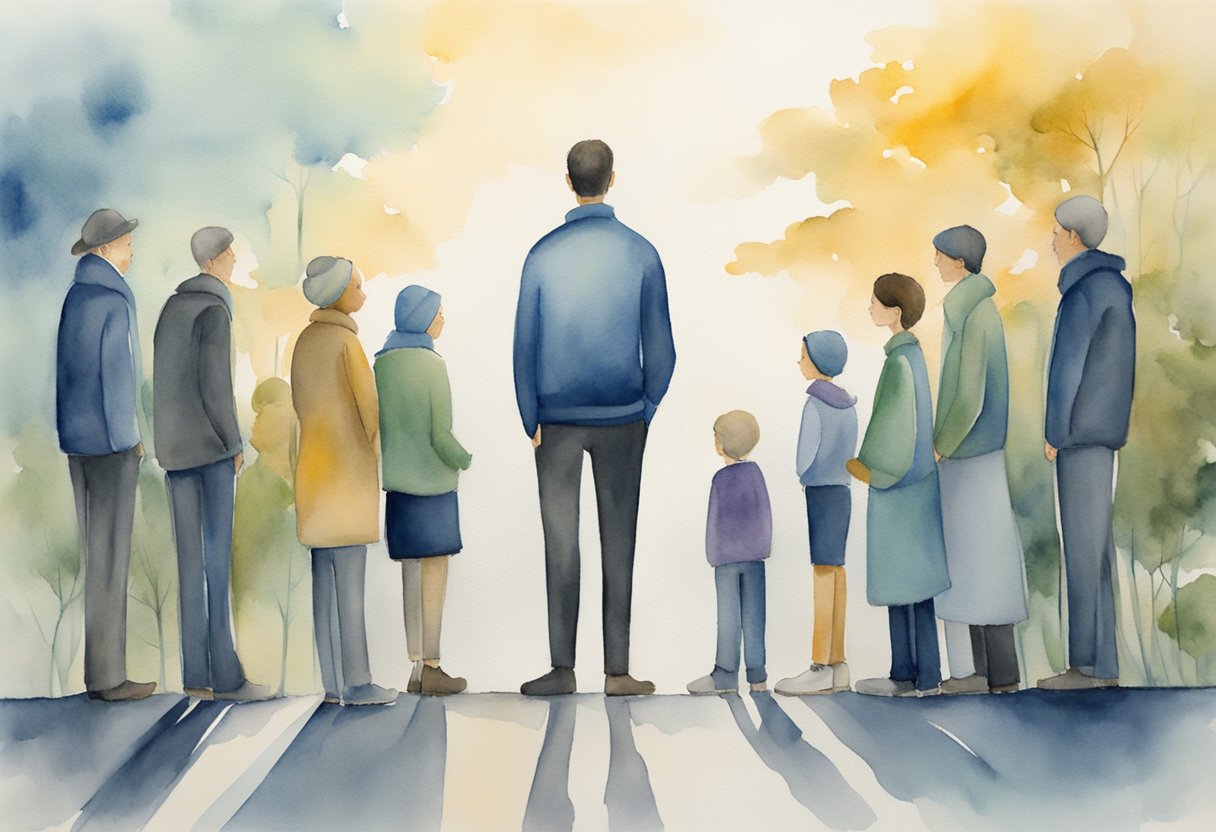
In the face of cancer, we find strength in unity and the power of shared experiences. Our journeys, fraught with trials, hold invaluable insights that demand a platform for advocacy, education, and the careful choice of words.
Becoming an Advocate
We stand as witnesses to the harsh realities of cancer. Armed with resilience earned through our battles with lymphoma, we channel that warrior spirit into advocacy. We step forward for ourselves and our fellow men navigating this challenging path. By authoring our narratives, we offer up our tales of triumph and tribulation as a beacon for others.
- Our Aims:
- Raise awareness of male cancer experiences
- Encourage early detection and proactive health checks
Education and Outreach
We know the landscape of cancer is ever-changing, with new studies and updates surfacing continually. We immerse ourselves in the latest findings, ensuring that the knowledge we share stems from credible, current sources. This is not merely for our healing process but to equip others with the tools to confront their diagnoses with informed clarity.
- Methods to Educate:
- Host seminars and workshops
- Distribute up-to-date literature on cancer research
The Power of Language
Language frames our reality, and the words we choose have an immense impact in the context of cancer. We speak of survival with terms that evoke strength and perseverance. As authors of our fate, we reject labels that imply passivity, and instead, we celebrate each milestone in our collective cancer experience with words that embody empowerment and hope.
- Language Shifts:
- From ‘victim’ to ‘thriver’
- From ‘suffer’ to ‘navigate’
Final Thoughts…
As we reach the end of our shared path through lymphoma, it’s vital to acknowledge the strength and resolve that survival infuses into our lives. We’ve faced a formidable opponent, not once but twice, and emerged more empathetic and interconnected.
Our Collective Battles
In our journey, we adopt an athlete’s determination, learning strategies to navigate treatment and recovery, like prepping for a crucial game. We focus on fostering resilience, ensuring our bodies and minds remain agile and robust. This approach helps us support fellow men grappling with this same fight, offering them practical guidance and companionship.
Teamwork
- We engage with health teams like seasoned coaches, seeking personalized plans to optimize our health.
- Our experiences become beacons, guiding peers through their most challenging periods.
Health Huddles
- We value regular check-ups and post-recovery strategies like a sports team analyzing their performance.
Empowering Actions
- Find community programs tailored to men’s health needs.
- Encourage open dialogues about mental well-being, a commonly under-addressed aspect for us.
Firstly, vocalizing our experiences breaks down barriers, fostering a candid conversation. Secondly, our enthusiasm for life’s simple joys keeps us grounded as we cherish each moment with newfound gratitude.
Next Plays
Let’s champion proactive self-care, advocating for regular screenings and lifestyle adjustments that promote lasting well-being. Our tales of survival serve as a powerful playbook for those who might feel isolated in their combat against cancer. Collectively, we pave the way for a future where lymphoma is but a memory, giving hope to every man in the throes of this challenge. -T
Frequently Asked Questions
Navigating the path as a cancer thriver involves a unique set of experiences and insights, particularly for us men who have battled with the disease. We focus on being supportive pillars in our community, drawing strength from each other, and sharing vital knowledge that underpins our journey.
What distinguishes a cancer thriver from a cancer survivor?
A cancer thriver is someone who not only survives the disease but also embraces life with a proactive zest, seeking wellness and vitality despite their diagnosis. Being a thriver means we strive to improve our quality of life and remain active participants in our life’s narrative.
What are the survival rates for individuals diagnosed with stage 4 cancer?
Survival rates for stage 4 cancer vary widely based on the specific type, location, and available treatments. As men facing this challenging prognosis, we look at statistics with hope but understand each journey is individual.
Is it possible for cancer survivors to live an average lifespan post-treatment?
Yes, many cancer survivors can live a normal lifespan post-treatment. Advances in medical treatments and follow-up care allow us to manage our health actively and aim for longevity.
What recurrence rates should cancer survivors be aware of?
Recurrence rates differ for each type of cancer and are influenced by factors such as stage at diagnosis, treatment plan, and lifestyle choices. We stay vigilant about our health to catch and address any signs of recurrence early.
What lifestyle changes contribute to improved outcomes for cancer thrivers?
Lifestyle changes such as a balanced diet, regular exercise, and avoiding tobacco can considerably improve outcomes. We motivate each other to stay committed to these habits, knowing their power to aid our rehabilitation and maintenance.
How does mental health support play a role in thriving during and after cancer treatment?
Mental health support is crucial for us as we navigate the emotional turbulence of cancer. Peer groups, therapy, and open conversations about our struggles help us maintain resilience and a positive mindset throughout and beyond our treatment.
