

Strategies for Overcoming Adversity with Confidence

We, as thrivers beyond cancer, understand the gravity of facing our fears head-on. Our journey through illness reshapes our outlook on life, drawing us together in shared resilience. Our battles do not define us but by the strength we garner and the vigor we choose to live each day.
In our collective experience, we learn that thriving is not just about surviving; it’s about fostering a quality of life that cherishes each moment and embraces health as a continual pursuit.
Embracing our health introduces us to various treatments and support systems that play crucial roles in our fight against cancer. These tools not only help us to overcome physical hurdles but also provide emotional solace as we navigate the complexities of living with a diagnosis. We create communities, tapping into resources that arm us with knowledge and empower us with the confidence to ask the right questions and seek out the most promising advancements in cancer research.
Key Takeaways
- Shared experiences forge resilience and redefine life quality beyond cancer.
- Treatment, support, and community are cornerstones in our ongoing pursuit of health.
- Knowledge and proactive health strategies drive our approach to living fully with cancer.
Understanding Cancer
As survivors, we recognize the critical need for clear information on what faces us. Let’s explore the various forms and presentations of this condition.
Types and Symptoms
Cancer encompasses a broad range of diseases characterized by abnormal cells that grow uncontrollably and have the potential to invade or spread to other parts of the body. Types vary significantly, from carcinoma and sarcoma to leukemia and lymphoma. Our experience with lymphoma, for instance, presented a unique set of challenges, including swollen lymph nodes and unexplained fatigue, which are common flags that warrant attention.
- Carcinomas form in the skin or tissues that line internal organs.
- Sarcomas develop in the bone, cartilage, fat, muscle, or other connective tissues.
- Leukemia originates in the blood and bone marrow.
- Lymphomas affect the lymphatic system.
Recognizing symptoms early is our line of defense. Unintended weight loss, persistent fevers, and chronic pain might signal an underlying issue, and we understand these signs intimately through our battles.
Diagnosis and Stages
Diagnosis serves as our map through the terrain of cancer treatment. It usually begins with a thorough medical history and physical examination, followed by diagnostic testing such as blood tests, imaging, and biopsies to confirm the presence of cancer cells.
- Stage 0: The cancer is where it started and has not spread. It’s known as “in situ.”
- Stage I-III: There’s an increase in the size of the tumor or its spread to nearby tissues and lymph nodes.
- Stage IV: Cancer has spread to distant parts of the body.
Each stage reflects our cancer’s advancement and guides our treatment plan, demanding a tailored approach. We’ve walked this path and empathize with each step in your journey. Through sharing our story, we hope to make yours a little less uncertain.
Emotional Impacts of Cancer
Cancer’s journey brings emotional challenges just as profound as the physical ones. As survivors, we know this terrain well and share the strategies that help us navigate it.
Addressing Fear and Anxiety
Fear and anxiety are emotions that often walk hand in hand with a cancer diagnosis. We know the weight of uncertainty that sits heavily on our chests, making each breath a conscious effort. A fear of cancer recurrence lurks in the back of our minds, but we counter it with knowledge and support. Here’s what we’ve found helps:
- Stay informed: Understanding our condition and treatment plan gives us a sense of control.
- Seek support: Talking with others who have been where we are can make a significant difference.
Coping with Depression
Depression can surface when we face our mortality and the complex treatments cancer demands. Emotional distress is not a sign of weakness but a natural response to a life-altering experience. We bolster our spirits by:
- Connecting: We reach out to loved ones and support groups; sharing our burdens often lessens them.
- Staying active: Physical activity, as much as our health allows, can lift our moods and improve our outlook.
Through these approaches, our resilience strengthens, enabling us to face our fears and work toward emotional healing.
Navigating Treatment Options
As we explore treatment options, it’s crucial to understand the paths available and the potential impact each choice has on our journey through cancer.
Conventional Therapies
When we discuss conventional cancer treatment, we’re referring to established medical approaches recognized by the medical community. Our options often include:
- Chemotherapy: This treatment uses drugs designed to kill cancer cells or slow their growth. While effective, the side effects can be significant.
- Radiation Therapy: Targeted high-energy rays damage cancer cells. This can be a primary treatment or used post-surgery to eliminate leftover cells.
Exploring Alternative Treatments
Alongside conventional therapies, we may consider alternative treatments. These aren’t typically part of standard care but can complement our treatment plan:
- Acupuncture: This ancient practice has relieved some of the treatment-induced side effects.
- Mind-Body Techniques: Methods like meditation can help us cope with stress and improve our overall well-being during treatment.
We need a well-rounded view of our treatment options to make informed decisions that align with our values and desired quality of life.
The Role of Support Systems
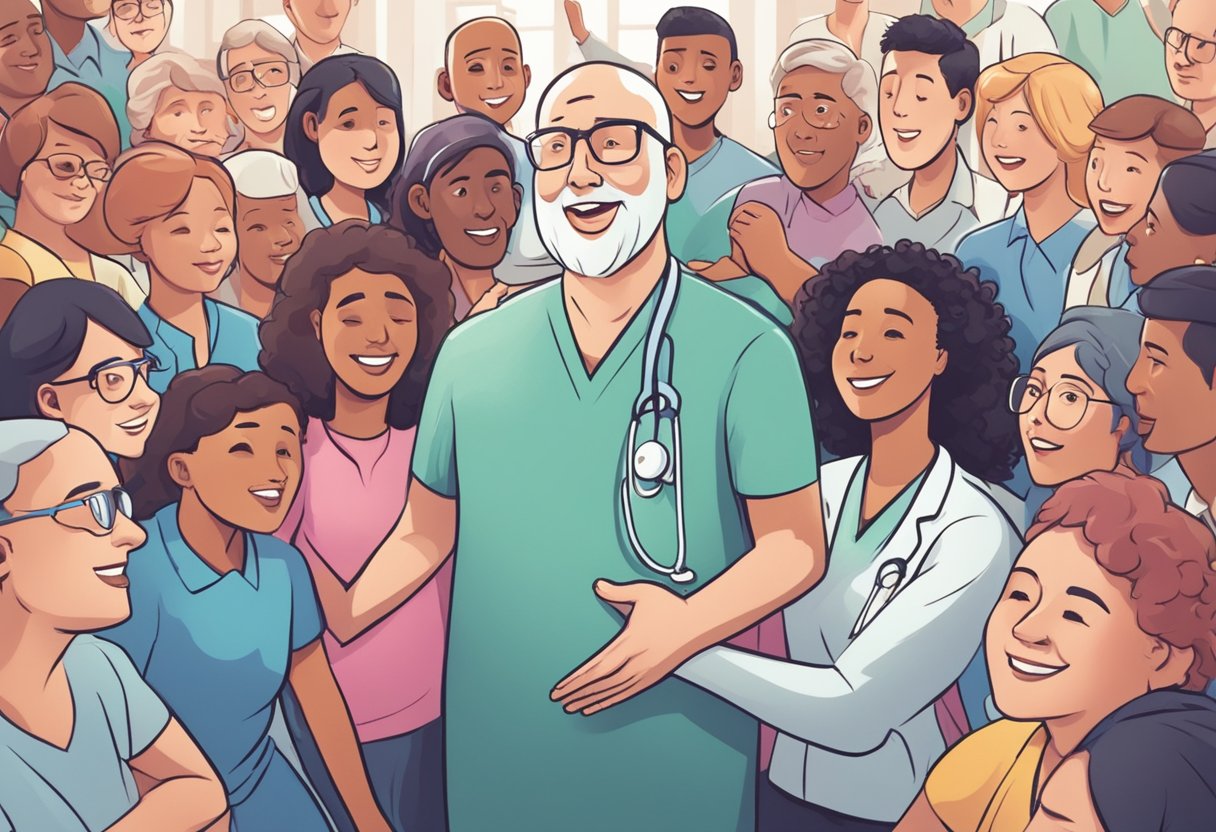
When we face cancer, the people and groups that surround us become pillars of strength and resilience.
Family and Friends
Our loved ones often form the front line in our support network. Family and friends provide emotional sustenance and can assist with practical needs like transportation to appointments, managing household tasks, and simply being there to listen. The shared emotional bond can be a powerful motivator during treatment and recovery.
Emotional Roles:
- Offering encouragement
- Listening without judgment
Practical Roles:
- Providing rides to the hospital
- Helping with chores
Healthcare and Support Groups
A well-coordinated medical team and healthcare professionals offer expert guidance and vital treatments in our journey to becoming thrivers. Meanwhile, support groups bring together individuals with shared experiences, allowing us to exchange personal stories and coping strategies that might help us face our anxieties more confidently.
Medical Team Contributions:
- Developing personalized treatment plans
- Delivering professional care and follow-up
Support Group Benefits:
- Sharing experiences and advice
- Understanding we’re not alone in our journey
Living with Cancer

As cancer thrivers, we recognize that the pathway through diagnosis and treatment is shaped heavily by lifestyle adjustments and psychological resilience.
Quality of Life and Daily Management
We’ve learned that maintaining quality of life is about balancing treatment schedules with daily activities. This means creating structured routines that accommodate doctors’ appointments and allow for rest and recreation. Nutrition, exercise, and proper medication management support our days. Strategies for pain relief often include medication, physical therapy, and complementary therapies such as acupuncture, which can significantly improve our comfort and enable active living.
Survivorship and Fear of Recurrence
After remission, many of us as survivors grapple with the shadow of cancer returning. This fear of recurrence is managed by regular medical check-ups, building a supportive community, and seeking counseling when needed. Empathy toward each other’s experiences fortifies our collective resolve. We need to engage in survivorship programs that address these emotional challenges so we continue to thrive in remission with confidence.
Advancements in Cancer Research
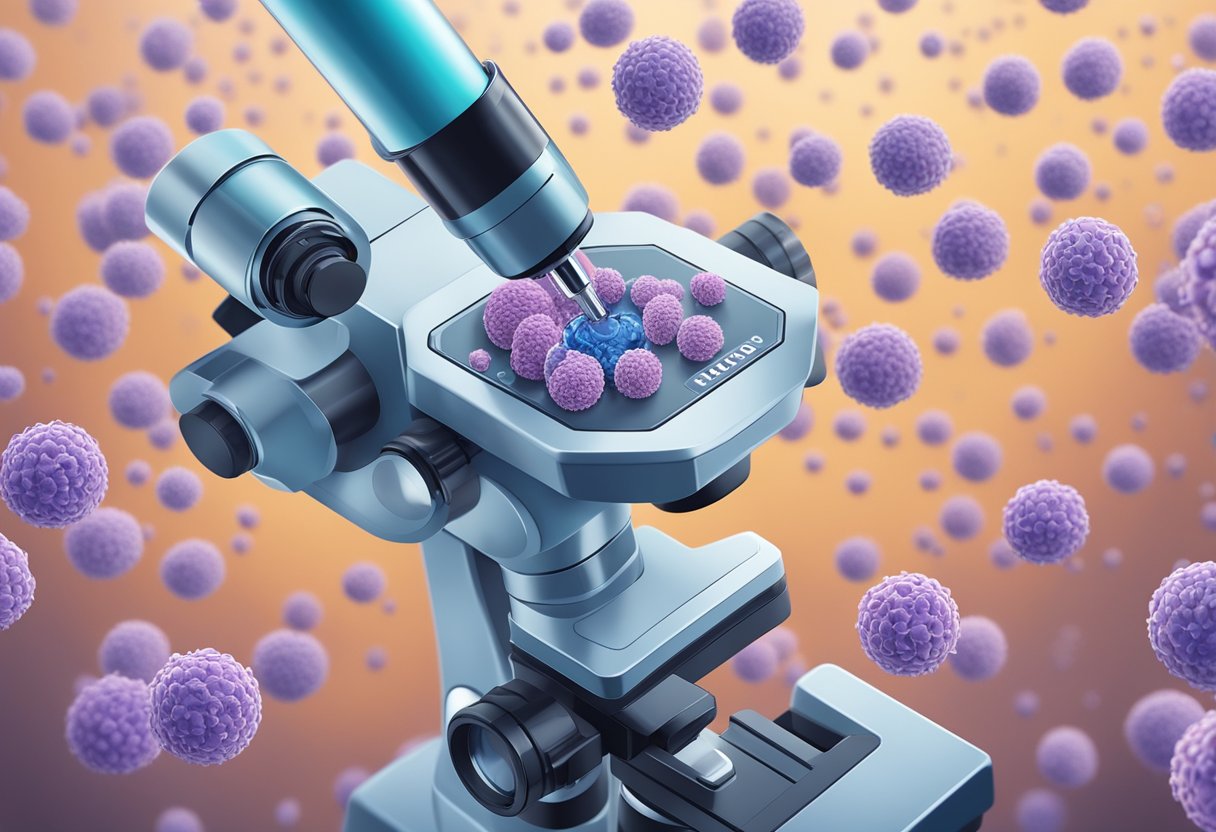
As survivors, we stand at a transformative moment in oncology, where groundbreaking research paves the way for more effective prevention strategies and innovative treatments, offering us hope and new avenues to thrive beyond our diagnosis.
Prevention and Screening
Screening advancements have revolutionized our ability to detect cancer at its earliest and most treatable stages. Embracing technologies such as liquid biopsies allows for non-invasive detection of cancer cells in our bloodstream, often before they’ve formed a detectable tumor. Utilizing these methods can lead to significantly better outcomes for us. The National Cancer Institute continues to support studies to refine these tools for broad adoption. Moreover, our understanding of cancer’s genetic and environmental risk factors has flourished, enabling us to make informed decisions about the lifestyle choices and screening intervals that serve our well-being best.
New Frontiers in Treatment
Therapeutic research is our beacon of hope, yielding more personalized and practical approaches to cancer treatment. Doctors have new weapons, such as immunotherapies, that teach our immune systems to target cancer cells more precisely. Some notable advancements include CAR T-cell therapies tailored to attack our specific cancer cell markers and checkpoint inhibitors that dismantle cancer’s camouflage used to evade our immune response.
Research has also led to the development of targeted therapies, which single out the molecular aberrations that drive our cancer growth. These treatments often present fewer side effects and can dramatically improve our quality of life. As we look forward, the collaboration across medical institutions continues to foster innovations that once seemed like distant dreams, and these strides fuel our collective hope for a future where we can not only survive but thrive.
Proactive Health Strategies

In our journey as cancer thrivers, embracing proactive health strategies empowers us to live with purpose, find joy, and sustain hope. These actions can also help alleviate physical symptoms and fatigue that may linger after treatment.
Lifestyle and Exercise
Regular exercise is a powerful way to regain and maintain our health. We focus on activities that both invigorate the body and bring us joy, such as:
- Aerobic exercises: brisk walking, cycling, or swimming for cardiovascular health.
- Strength training: using light weights or resistance bands to rebuild muscle.
- Flexibility routines: yoga or stretching to enhance mobility.
We tailor our exercise routines to what feels rejuvenating, acknowledging that every step forward is a victory.
Mind-Body Connection
Our holistic health approach embraces both our physical and spiritual needs. Here’s how we address them:
- Mindfulness practice: Meditation or deep breathing exercises to ease the mind.
- Support networks: Joining support groups to share our experiences and gain strength from each other.
We remind ourselves that nurturing the mind-body connection helps us manage stress and enhances our well-being.
Community and Resources
In our journeys as lymphoma cancer thrivers, the value of a strong community and accessible resources cannot be overstated. The internet offers a breadth of virtual support groups, providing a space to share our experiences and receive psychosocial support. These online forums allow us to connect with others who genuinely understand our struggles and victories.
Healthcare providers often recommend cognitive behavioral therapy (CBT) and acceptance and commitment therapy (ACT) for managing the emotional challenges of cancer. These therapies guide us in developing resilience and finding empowerment in our self-management strategies.
Our communication must be purposeful and aim for clarity. We often find strength in workshops where we practice skills to express our needs and concerns to healthcare professionals and loved ones.
| Method | Purpose | Benefits |
|---|---|---|
| CBT | Emotional regulation | Enhanced mood, reduced anxiety |
| ACT | Align actions with values | Increased psychological flexibility |
| Support Groups | Share experiences, provide mutual aid | Emotional support, shared understanding |
| Workshops | Improve communication, learn self-management | Skill development, empowerment |
These resources are vital in our path to acceptance and shaping survivorship defined by meaning rather than fear. Exchanging knowledge and tools through these channels helps us thrive beyond our diagnoses.
Final Thoughts…
As survivors, we’ve walked a path peppered with challenges, yet we stand together, united by our trials and triumphs. We acknowledge the shared experience of facing fears not as a single encounter but as a continual journey. Through this, we find strength, not just in ourselves but in the collective wisdom of our community.
In our quest to thrive beyond our battles with lymphoma, we’ve learned that coping is not a solitary endeavor. We advocate for dialogue and for sharing our narratives, which, in turn, becomes a beacon for others. Our hopes and strategies — from seeking emotional support to practicing mindfulness — form a blueprint for resilience we offer to fellow survivors.
We recognize that our emotions brandish a spectrum of colors, and it’s OK to feel every hue. After all, our humanity is not diminished by cancer; rather, it is accentuated, and we emerge more empathetic, caring, and committed to aiding those still navigating their course.
We urge survivors to reach out, to build supportive networks that foster wellbeing, and to remember that our fears do not define us. Instead, our courage does — the courage to live fully, to share openly, and to thrive tirelessly. Together, we redefine what it means to be a survivor, and in doing so, we inspire new narratives of hope and determination for generations to come. -T
Frequently Asked Questions
Navigating the journey after a cancer diagnosis, we often grapple with uncertainty and fear. Yet, through shared experiences and knowledge, we can tackle these challenges head-on.
How can I overcome the fear of cancer recurrence?
We find strength in facing our worries directly and acknowledging that the fear of cancer coming back is a shared concern among us. Focusing on what we can control, like following up with medical appointments and embracing healthy lifestyle choices, empowers us to live with more peace of mind. For more tailored guidance, the Cleveland Clinic offers insights into understanding and navigating these fears.
What are effective strategies to manage anxiety related to cancer treatment?
We consider several tactics to keep treatment-related anxiety at bay. Regular physical activity, mindfulness practices, and connecting with support groups provide outlets for our stress. For personalized strategies, the National Cancer Institute discusses methods to manage these emotions effectively.
What does it mean to be a cancer warrior, and how does it differ from being a survivor?
To us, a cancer warrior actively engages in the fight against cancer, facing the disease with fierce determination and courage. This contrasts with being a survivor, which emphasizes having lived through the cancer experience. Warriors are in the battle, armed with hope and resilience.
How can I maintain a sense of calm after being diagnosed with cancer?
We prioritize routines that foster tranquility. Deep breathing exercises, engaging in activities we love, and seeking solace in nature allow us to find serenity amidst the storm. Experts at Mayo Clinic provide practical tips on coping with the news of a cancer diagnosis.
What are some inspirational quotes that can empower cancer warriors?
We draw inspiration from words that resonate with our collective struggle and triumph. Quotes like “Cancer may have started the fight, but we will finish it,” offer us a rallying cry. These powerful words remind us of our inner might and the surrounding community.
What techniques can help in coping with the fear of a potential cancer diagnosis?
We advocate proactive measures like educating ourselves about cancer and its risk factors. Keeping regular health screenings in our schedules also equips us to address concerns early on. Sharing our anxieties with trusted healthcare professionals can also dispel fears and provide us with reliable information.
