

Navigating Loneliness in Illness
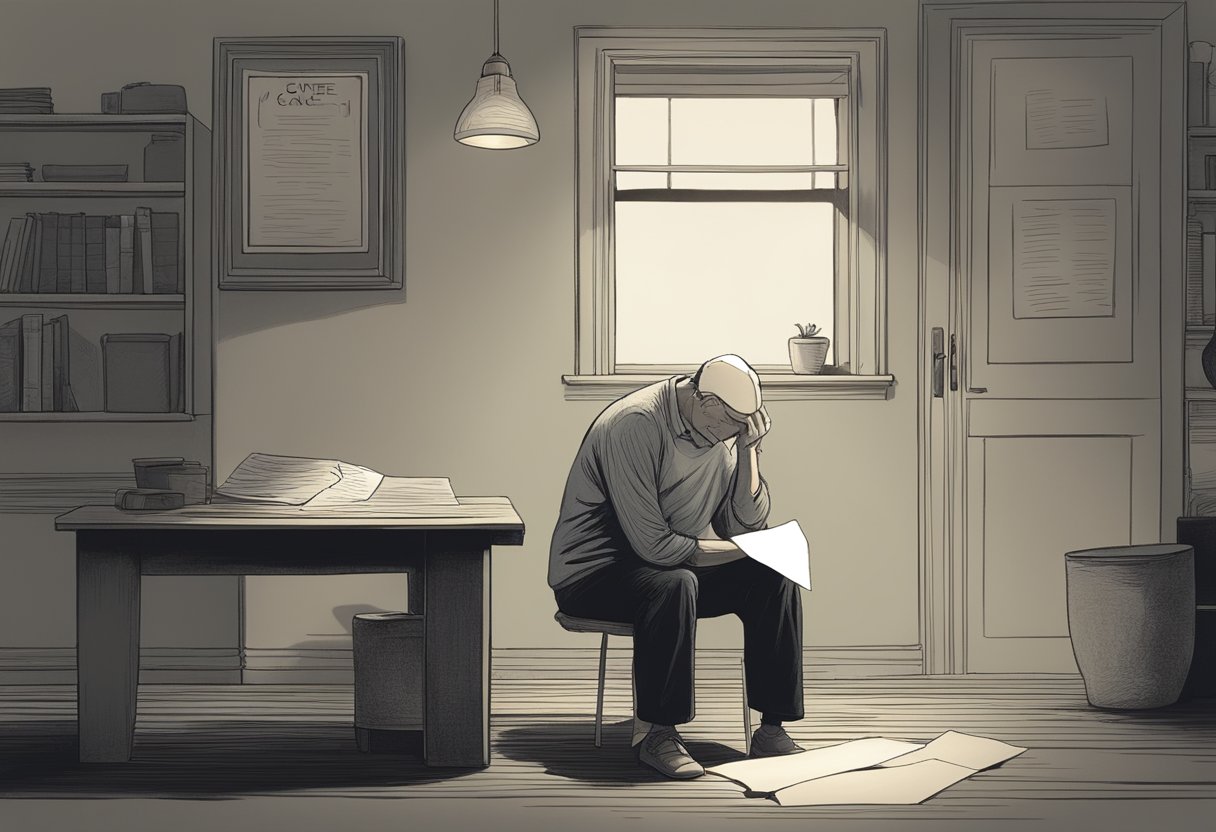
Cancer can be an incredibly isolating experience, leaving those affected feeling like no one understands or truly cares about their journey. This sense of seclusion can be particularly complicated when friends and family members aren’t available or seem indifferent to our diagnosis. Finding that much-needed support and validation is crucial for our emotional well-being and strength through these trying times.
We must remember that countless others have faced and continue to face similar challenges. We are not alone in this journey, and our experiences, though unique, are shared with many others. By reaching out to support groups, seeking professional help, or engaging in online forums, we can find strength in shared experiences and foster genuine connections.
Key Takeaways
- Seek out support groups and communities to find understanding and camaraderie.
- Build coping strategies to address the emotional turmoil of a cancer diagnosis.
- Surround yourself with resources to help deal with the many aspects of living with cancer.
Understanding Your Cancer Diagnosis
We’ve all felt the overwhelming emotions that come with a cancer diagnosis. As survivors of lymphoma cancer ourselves, we’re here to help you navigate this challenging time with empathy and compassion.
Let’s break down the information that you need to understand your cancer diagnosis and empower yourself during this journey.
Initially, take the time to learn as much as possible about your specific type of cancer. Familiarize yourself with the terminology, statistics, and possible outcomes. You might encounter unfamiliar medical terms, but don’t worry; you will gradually come to comprehend them.
It’s crucial to put together a detailed treatment timeline. This allows you to be prepared for the process and manage any medical delays. You can consult the National Cancer Institute for assistance in understanding the potential steps in your treatment.
Next, engage in open and honest communication with your cancer care team. Creating a relationship built on trust and transparency will aid in alleviating some of the uncertainties. Always feel free to ask questions and address any concerns. Your care team is there to guide you through this journey.
Remember that coping mechanisms are essential to manage your mental and emotional well-being. Here are a few suggestions to help you cope during this period:
- Stay informed: Stay up-to-date with the latest information and advancements in cancer treatment.
- Build a support network: Strengthen your connections with friends, family, and fellow cancer patients.
- Maintain a healthy lifestyle: Focus on good nutrition, regular exercise, and restful sleep.
Ultimately, coping with a cancer diagnosis is a unique experience. We, as survivors, empathize with your situation and strive to help you through your journey. Remember, you are not alone, and there is always hope. No matter how your experience unfolds, know that resources and communities are ready to support you.
Coping with Emotions
As cancer survivors, we understand the emotional turmoil that comes with a cancer diagnosis. It’s natural to experience a range of emotions, including fear, anger, and anxiety. We’re here to help you navigate these emotions and find effective coping strategies.
Fear is common, as uncertainty about the future can be overwhelming. One way to alleviate fear is by gathering information about your cancer, treatments, and support options. Knowledge can empower you and help you feel more in control of your situation. Reach out to healthcare professionals and cancer support organizations for guidance.
Depression and anxiety often go hand-in-hand with cancer. These feelings may stem from the physical and emotional demands of diagnosis and treatment. To help combat these emotions, consider seeking professional help, such as therapy or counseling. Physical activity, relaxation techniques, and a balanced diet can also improve mental well-being.
Anger can arise from unfairness or feeling like you’ve lost control of your life. We suggest finding productive outlets for anger, such as journaling, creating art, or engaging in physical activity. Talking with others who have had similar experiences can also provide relief and help you realize that you are not alone.
Communication plays a crucial role in coping with cancer. It can be challenging for men to share their feelings openly. However, expressing emotions with supportive family and friends can help alleviate stress and create a robust support system. Joining cancer support groups, either in person or online, can also provide a safe space to discuss your feelings with others who truly understand.
Developing coping strategies tailored to your individual needs is essential in managing your emotions during this time. Take time for self-care and nurturing activities that bring you comfort and joy. Surround yourself with positivity, whether through uplifting books, movies, or supportive people. Remember, every person’s journey is unique, so don’t hesitate to explore different coping methods until you find what works best for you.
Physical Impacts of Cancer
Having survived lymphoma cancer twice, we know firsthand the physical impacts that cancer can have on a person’s body. Our experience helped us understand various factors, allowing us to offer support and guidance.
First and foremost, fatigue is a common issue faced by many cancer patients. This feeling of exhaustion can make daily tasks more difficult, affecting overall quality of life. Adopting a routine and staying active may help alleviate some of the fatigue.
Cancer treatment often causes pain. The pain level varies from mild discomfort to severe agony, depending on the individual. Seeking professional help and finding the right pain management solutions is crucial.
Dealing with various side effects is part of the cancer journey. Common side effects include vomiting, weight loss, and weight gain. These challenges can be managed with proper nutrition and exercise.
Moreover, nausea and vomiting can occur due to treatment or the cancer itself. Anti-nausea medications can help control these symptoms, making it easier to maintain a healthy diet and stay hydrated.
Regarding appearance, hair loss can be an emotionally challenging side effect for many cancer patients. Exploring options, such as wigs and head coverings, can help regain control and self-confidence.
In summary, we are here to guide you through the physical impacts of cancer, drawing from our experiences and empathy. By addressing each challenge and finding solutions, together, we can pave the way toward a healthier and more comfortable life during and after cancer treatment.
Support Services and Groups
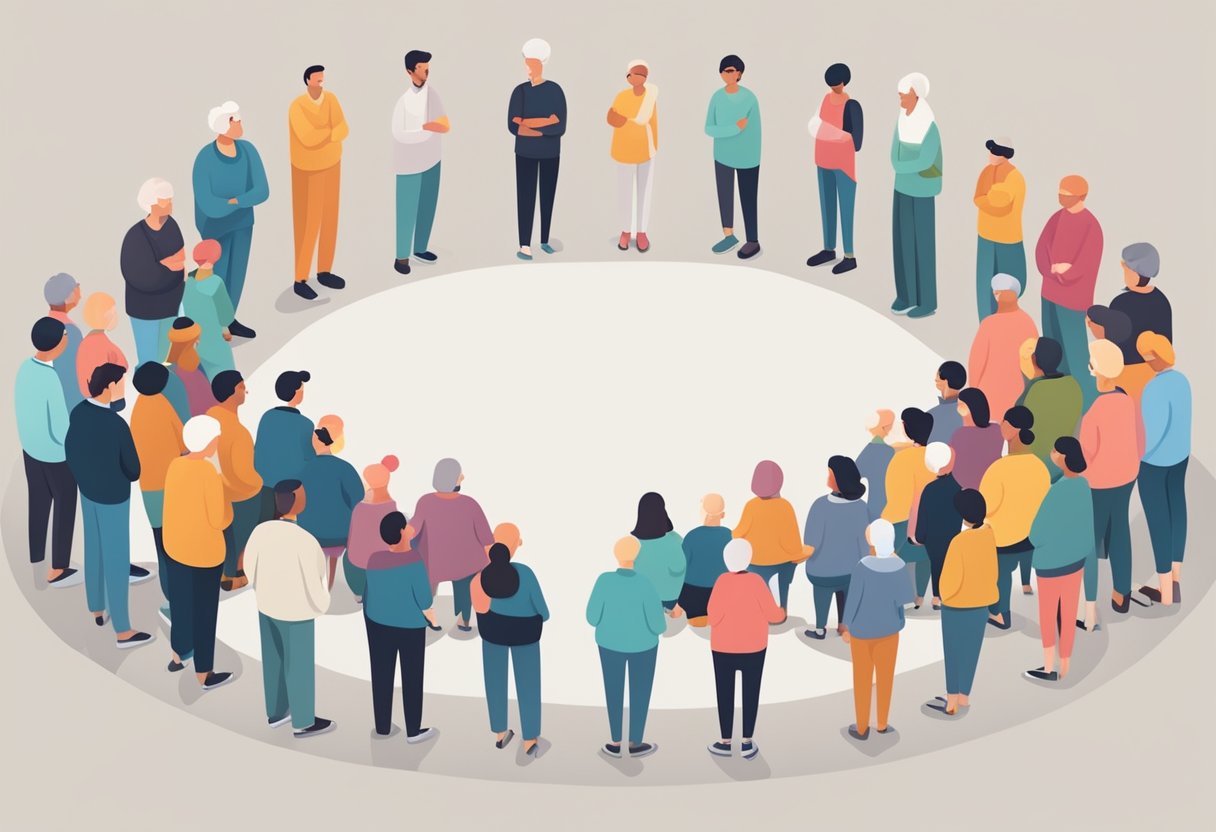
As survivors of lymphoma cancer, we understand the overwhelming feeling of facing the disease and the need for genuine emotional and practical assistance.
In our journey, we have found various support services and groups that have immensely helped us through this challenging time. Cancer patients like ourselves can gain strength, solace, and understanding through these resources.
One valuable resource is the American Cancer Society. They offer a 24/7 cancer helpline staffed with trained cancer information specialists to address your concerns and offer guidance. In addition, they provide free support programs and services that aid in understanding and managing cancer, as well as lodging during treatment.
Another helpful platform is the National Cancer Institute, where more than 100 nationwide organizations offer emotional, practical, and financial support services for cancer patients and their families. Be sure to explore these services, as they can significantly contribute to your overall well-being during your battle with cancer.
Cancer support groups are essential in connecting with others who share similar experiences. The camaraderie and empathy found in these groups, such as the ones suggested by the National Cancer Institute, can significantly improve your emotional health. As fellow cancer survivors, we have found great comfort and understanding in these gatherings.
These support services and groups are readily available for those seeking help during their cancer journey. Embrace them wholeheartedly and let them guide you towards a better outlook and a renewed hope. We stand together as survivors, forging a brighter path where cancer does not define us.
Family, Friends, and Co-Workers
As survivors of lymphoma cancer, we know firsthand how challenging it can be to navigate relationships with family, friends, and co-workers during these challenging times. In our experience, these relationships are crucial in providing much-needed emotional support. Here are a few insights we’ve gained that might help you too.
Caregivers: These selfless individuals are often family members or close friends who dedicate their time and energy to support us during our cancer journey. As survivors, we understand the immense value of their contributions and highly recommend that they engage in self-care practices. Carving out personal time and setting healthy boundaries can make a world of difference to both the caregiver and the patient.
Friends and Family: In our experience, we noticed that friends and family might not always know how to offer support or show their appreciation while we battle cancer. However, these relationships are crucial, and we advocate for open communication and understanding from both sides. Initiating discussions around hardship, treatment, and adjustments can create a foundation for meaningful connections.
Co-workers: Balancing work, health, and emotions can present additional challenges for those fighting cancer. From our experience, we found establishing clear boundaries with co-workers beneficial. Be open with them about your specific needs and limitations at work and the kind of assistance you might require.
To sum it up, we understand how essential support from caregivers, friends, family, and co-workers is during the cancer journey. Maintaining open communication, setting healthy boundaries, and expressing appreciation can foster an environment of love, care, and understanding. Although our personal experiences are unique to us, we hope these insights can help you, too, during your battle with cancer.
Treatment and Healthcare Team
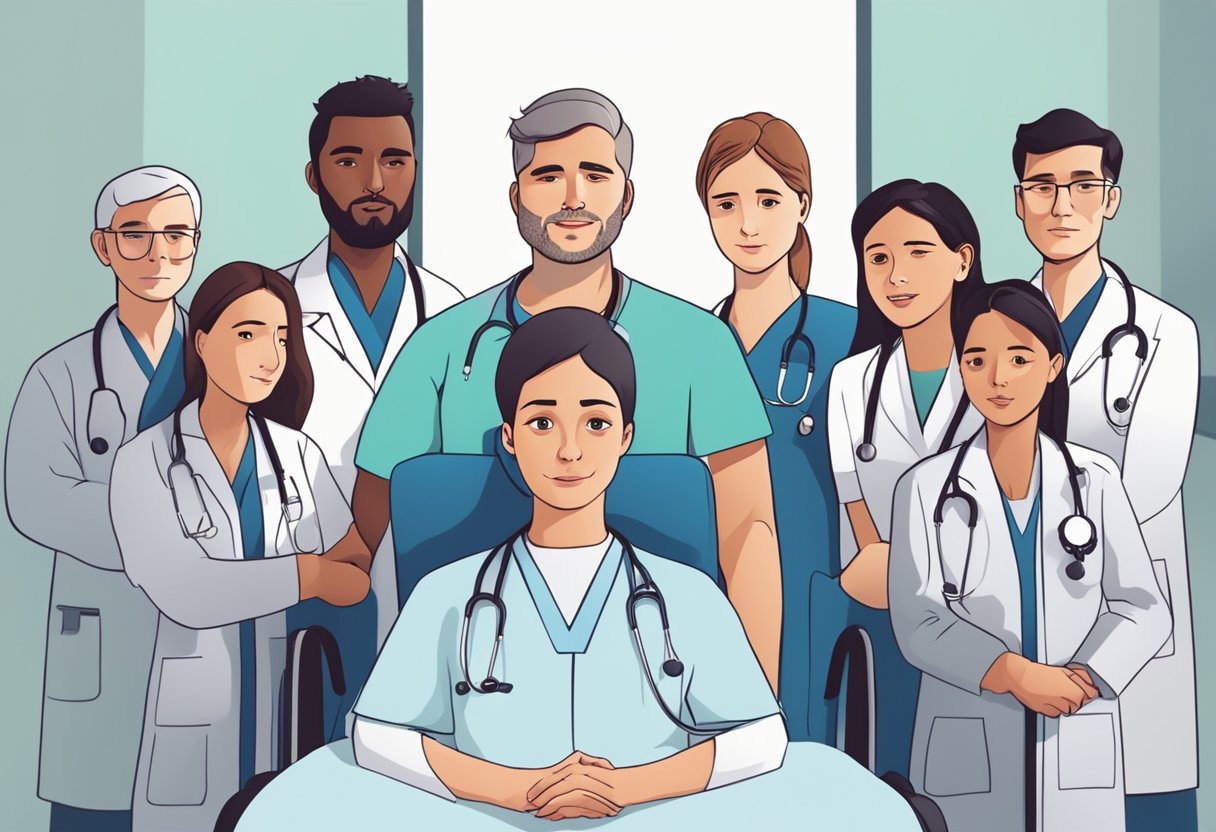
As cancer survivors ourselves, we understand the journey you’re going through and the significance of finding the proper treatment and healthcare team.
When we were first diagnosed with lymphoma, we felt overwhelmed by the endless decisions and uncertainties. However, through our experiences, we learned valuable lessons to help guide you forward in your treatment journey.
Exploring various treatment options is crucial for a tailored and effective plan. Common treatments for cancer include chemotherapy, radiation, and medication, but others may be recommended depending on your specific case, diagnosis, and preferences. Discussing these options with your healthcare team and considering their benefits and drawbacks is essential.
Engaging a cohesive healthcare team plays a significant role in your treatment and your overall well-being. You’ll need various healthcare professionals, such as oncologists, nurses, and oncology social workers, to provide expertise across different aspects of cancer care. Building a trusting relationship with these individuals will help ensure clear communication and provide valuable emotional support.
Working closely with oncology social workers throughout our treatment journey was incredibly beneficial. They offer vital assistance in navigating the complexities of the healthcare system, addressing the psychosocial aspects of cancer, and connecting with community resources. Their guidance helps you feel less alone in your journey, knowing you have someone who truly understands your situation.
Lastly, always remember that actively participating in your care empowers you in your fight against cancer. Knowledge is power; researching and staying informed about your health and treatment options will help you make better decisions with your healthcare team. You are not alone – we are here to help and support you through this challenging time.
Lifestyle Changes and Self-Care Techniques

As cancer survivors ourselves, we understand how challenging it can be to navigate through this period of life. You can better manage your situation and improve your well-being by implementing fundamental lifestyle changes and self-care techniques.
To begin with, physical activity plays a vital role in maintaining your health. We encourage you to find an exercise routine that suits your preferences and abilities – walking, swimming, or even yoga can be beneficial. Remember, consistency is the key.
Next on the list are relaxation techniques. Practicing mindfulness, deep breathing, or meditation can help alleviate stress and ease the emotional upheavals that come with a cancer diagnosis. These techniques provide a much-needed mental break and foster a sense of inner peace.
Developing coping skills can make a huge difference in your day-to-day life. We recommend journaling your experiences and emotions, as this has been shown to provide relief and promote self-reflection. Additionally, engaging in creative outlets such as art, music, or cooking can offer a sense of accomplishment and self-expression.
During this time, it’s natural to feel like you’re struggling. Acknowledge these feelings and remember that it’s okay to feel overwhelmed. Your well-being must reach out and talk to someone you trust – friends, family, a support group, or a professional therapist.
Here’s a quick summary of self-care techniques to incorporate into your life:
- Engage in regular physical activity
- Practice relaxation techniques like meditation and deep breathing
- Develop coping skills through journaling and creative outlets
- Reach out and talk to someone when struggling
We hope these suggestions aid you in your journey as you learn to manage your cancer diagnosis. Remember, self-care is not a luxury but a vital aspect of your recovery and well-being.
Dealing with Workplace Issues

As survivors of lymphoma cancer, we understand the challenges faced when dealing with workplace issues after a diagnosis. One critical aspect is knowing our rights and protections under the Family and Medical Leave Act (FMLA), which allows eligible employees to take unpaid, job-protected leave for specific family and medical reasons, including cancer treatment.
Communicate with your employer: Open and honest communication can help. Share pertinent details about your situation, treatment plan, and any accommodations you might need. This transparency enables them to support you better, ensuring proper adjustments if needed.
Stay organized: Keeping track of medical appointments, treatments, and updated work schedules can be helpful. Maintain a calendar with all important dates and reminders, which can ease stress and help balance your work and health demands.
Know your company policies: Familiarize yourself with employee guidelines and benefit plans to understand your rights and the support you can expect from your employer. This knowledge will help you navigate your workplace confidently and feel secure about the support you need.
Seek support from colleagues: Engaging with and involving your coworkers in your journey can result in practical and emotional support, enhancing your well-being at work. Sharing your experiences might prompt them to show concern and provide assistance, which can make a difference in your work life during and after treatment.
In conclusion, dealing with workplace issues while battling cancer can be an overwhelming task. Remember, we have each other’s backs as survivors. By understanding our rights, communicating openly with our employer, staying organized, familiarizing ourselves with company policies, and seeking colleague support, we can overcome these challenges and continue to thrive professionally.
Resources for Further Help
After facing lymphoma cancer twice, we understand how daunting it can be to cope with the emotional turmoil that comes with the diagnosis. We share a few resources to help you navigate this challenging time.
The American Cancer Society offers a 24/7 Cancer Helpline as a pivotal resource. Trained cancer information specialists answer questions about diagnoses, provide guidance, and lend a compassionate ear.
Their Programs and Resources also assist in a variety of cancer-related expenses. One service of particular interest is the transportation program. Trained volunteers drive patients and families to hospitals and clinics, making it easier to access treatment.
Another helpful platform is the online Cancer Survivors Network by the American Cancer Society. It’s a safe space to connect with others dealing with similar experiences, fostering a sense of community and alleviating feelings of isolation.
The Emotions and Cancer section on the National Cancer Institute’s website is an invaluable resource for a comprehensive understanding of the emotions you may encounter. It discusses various emotions, how they may fluctuate during treatment, and ways to cope effectively.
Drawing from our own experience, gaining knowledge and support from the comprehensive resources at the Mayo Clinic was genuinely enlightening. They are renowned for their expertise and offer a wealth of medical information and guidance.
In conclusion, as fellow cancer survivors, we empathize with your struggle and hope these resources offer the support and comfort you need.
Final Thoughts…
As survivors of lymphoma cancer ourselves, we deeply understand the pain and loneliness of battling cancer without a support system. It’s disheartening to endure such a life-changing experience without the loving care of friends or family.
In our journey, we developed empathy for those in similar situations, especially men who often face societal expectations to be strong and stoic. Acknowledging the emotional challenges and fears can be difficult; however, openly discussing them is crucial in healing.
To help bridge the gap in support, we encourage cancer fighters to explore Cancer Survivors Network or other online forums. These platforms offer welcoming communities of individuals with shared experiences who provide understanding, advice, and encouragement. Building connections with others helps combat isolation, allowing the exchange of valuable insights and emotional strength.
It’s crucial to remember that self-care during this arduous journey is paramount. Focus on actions that nourish the body and soul, like maintaining a balanced diet, engaging in physical activities, and embracing relaxation techniques. Coping with emotions is essential, and reaching out to professional counselors or therapists can offer coping strategies tailored to individual needs.
In the fight against cancer, let’s remain solution-oriented, empathetic, and caring. Together, we can uplift those in need and create a supportive network beyond our own experiences. -T
Frequently Asked Questions
What support is available for cancer patients who feel alone?
We know that fighting cancer can be an isolating experience. Thankfully, there are organizations and online communities that provide valuable support. For instance, Cancer Survivors Network is an excellent space for connecting with other patients and sharing your feelings. Additionally, consider joining support groups in your local area, as meeting others going through similar situations can help you feel less alone.
How can I cope with the emotional stages of cancer?
Managing the emotional impact of cancer is crucial for your overall well-being. Focus on maintaining a healthy lifestyle through a balanced diet, adequate rest, and exercise, as recommended by the Mayo Clinic. Additionally, engage in activities that bring you joy and help you relax. It’s also important to build a strong support network of friends, family, and professionals who can help you navigate this challenging time.
What strategies can loved ones use to deal with a cancer diagnosis?
Loved ones play a crucial role in supporting cancer patients throughout their journey. Encourage open communication, and be ready to listen when your loved one needs to express their feelings. Understand that each person’s experience with cancer is different and requires a tailored approach. The University of Rochester Medical Center provides an informative guide on cancer treatment and outcomes, which can help you comprehend the specific challenges and needs of your loved one’s situation.
How does cancer impact mental health?
Cancer can profoundly affect an individual’s mental health, leading to feelings of anxiety, depression, and fear. Encourage your loved one to seek professional help if necessary, and explore various coping mechanisms together. Writing therapy can be an effective way for patients and caregivers to process their emotions and challenges.
What resources are there for those fighting cancer alone?
While friends and family can be excellent sources of support, many other resources are available for those fighting cancer alone. In-person and online support groups can connect you with people facing similar challenges. Ask your medical team for recommendations, research reputable organizations, or get involved in the online cancer community through forums and blogs.
What do cancer patients need most for support?
Each cancer patient’s needs will be unique; however, many patients benefit from emotional, practical, and financial support. Taking the time to understand your loved one’s specific situation will enable you to provide significant assistance. Also, educate yourself about issues such as advance directives to help with the decision-making process regarding end-of-life care.
