

How Surviving Cancer Can Lead to Unhealthy Behaviors

As cancer survivors, we have been through a lot. From the moment of diagnosis, we have fought through treatments, surgeries, and countless appointments.
We have had to face our mortality and make difficult decisions about our health. And when we come out on the other side, it’s natural to feel a sense of invincibility.
We have survived something that many people do not, and it can be tempting to think that we are somehow immune to future health issues.
However, this invincibility complex can be dangerous. Surviving cancer does not mean that we are immune to other health problems or that we can ignore healthy habits. Some cancer survivors may be more likely to engage in unhealthy behaviors, such as smoking, drinking, or overeating. This can harm our quality of life and increase the risk of future health issues.
In this article, we will explore the invincibility complex and how it can lead to unhealthy behaviors in cancer survivors. We will also discuss the impact of these behaviors on our quality of life and the importance of maintaining healthy habits after cancer treatment. By understanding these issues, we can take steps to ensure that we are living our best lives after cancer.
Key Takeaways
- Surviving cancer can lead to a sense of invincibility, but this can be dangerous.
- Some cancer survivors may be more likely to engage in unhealthy behaviors, which can hurt their quality of life.
- Maintaining healthy habits after cancer treatment is vital for our long-term health and well-being.
Understanding the Invincibility Complex

As cancer survivors, we have been through a lot. We’ve faced our mortality, undergone grueling treatments, and emerged on the other side with a renewed appreciation for life. But sometimes, that appreciation can become more dangerous: an invincibility complex.
The invincibility complex is the belief that we are somehow immune to harm. It can manifest in a number of ways, from taking unnecessary risks to neglecting our health. For some survivors, the feeling of having beaten cancer can lead to a sense of invulnerability that can be hard to shake.
But the truth is, we are not invincible. Surviving cancer does not make us immune to other health problems or accidents. Some survivors may be at higher risk for specific health issues due to the treatments they’ve undergone.
So, how do we combat the invincibility complex? It starts with recognizing that it exists. We need to acknowledge that just because we’ve survived cancer, it doesn’t mean we’re invincible. We must be proactive and reduce our risk of future health problems.
This means staying on top of regular check-ups and screenings, eating a healthy diet, exercising regularly, and avoiding risky behaviors. It also means being mindful of our mental health and seeking help if we’re struggling with anxiety, depression, or other issues.
Ultimately, the invincibility complex is a natural response to the trauma of cancer. But by acknowledging its existence and taking steps to combat it, we can ensure that our second chance at life is long and healthy.
Cancer Survival and Unhealthy Behaviors
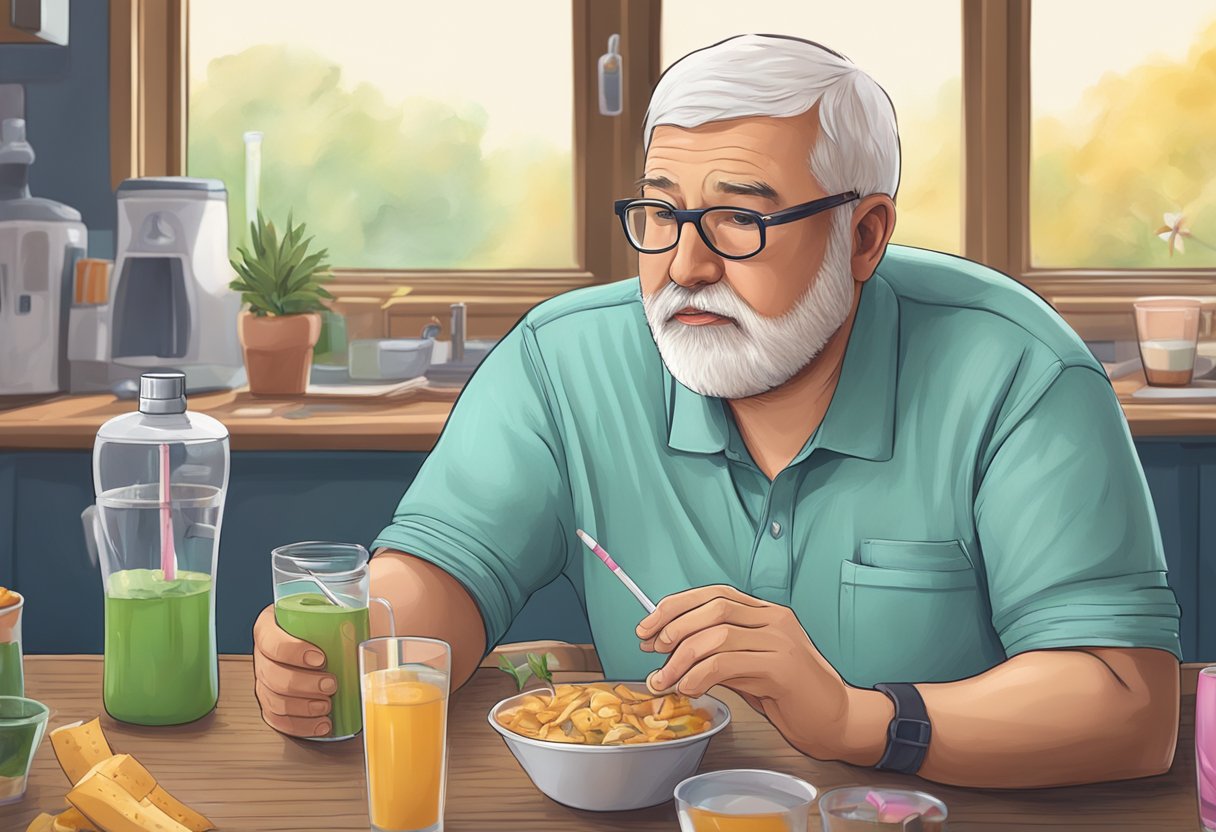
Surviving cancer is a remarkable achievement that requires significant strength and resilience. However, it is essential to acknowledge that cancer survivors may develop unhealthy lifestyle choices that can increase their risk of developing other health problems.
Smoking and Alcohol Consumption
Many cancer survivors may continue to smoke or consume alcohol after their diagnosis, which can increase their risk of developing other cancers and health problems. According to a study published in PubMed, cancer survivors were more likely to smoke and consume alcohol than individuals without cancer.
As a two-time lymphoma survivor, I know how tempting it can be to turn to smoking or alcohol as a way to cope with the stress of cancer treatment and recovery. However, it is crucial to recognize that these behaviors can have severe consequences for our health. Quitting smoking and reducing alcohol consumption can significantly improve our overall health and reduce our risk of developing other health problems.
Physical Inactivity and Obesity
Physical inactivity and obesity are also common among cancer survivors. According to a study published in PubMed, cancer survivors were more likely to be physically inactive and overweight than individuals without cancer.
As cancer survivors, we may struggle with fatigue and physical limitations that can make it challenging to exercise regularly. However, it is crucial to find ways to incorporate physical activity into our daily routine, even if it is just a short walk or gentle stretching. Maintaining a healthy weight can also reduce our risk of developing other health problems and improve our overall quality of life.
As cancer survivors, we must be mindful of the impact our lifestyle choices can have on our health. Quitting smoking, reducing alcohol consumption, and maintaining a healthy weight through regular physical activity can significantly improve our overall health and reduce our risk of developing other health problems.
Effects on Quality of Life
Surviving cancer can have a significant impact on one’s quality of life. While the experience of cancer and its treatment can vary significantly between individuals, it is not uncommon for survivors to experience mental and physical health challenges long after treatment has ended.
Mental Health Challenges
Cancer survivors may experience depression, anxiety, and other mental health issues as a result of their cancer diagnosis and treatment. These challenges can be compounded by the fear of recurrence and the stress of ongoing medical appointments and tests.
Support groups and social support can be beneficial for survivors struggling with mental health challenges. These resources can provide a sense of community and understanding that can be difficult to find elsewhere.
Physical Health Implications
Cancer survivors may also experience a range of physical health implications, including pain, morbidity, and mortality. Survivors are at an increased risk for developing cardiovascular disease, diabetes, insulin resistance, and other chronic diseases.
Late effects of cancer treatment, such as neuropathy and lymphedema, can also have a significant impact on survivors’ physical health and quality of life.
Survivors must work with their healthcare providers to manage these physical health implications and address ongoing concerns. This may involve lifestyle changes, such as increasing physical activity, adopting a healthy diet, or seeking medical treatment for ongoing symptoms.
Overall, surviving cancer can have a profound impact on one’s quality of life, both mentally and physically. Survivors must seek out resources and support to address these challenges and improve their overall well-being.
Cancer Types and Their Impact

When it comes to cancer, early detection is key. Unfortunately, many people do not recognize the symptoms of cancer until it has progressed to a more advanced stage. This is why it is essential to be aware of the common types of cancer and their symptoms.
Common Cancers
Some of the most common types of cancer include breast cancer, lung cancer, colon cancer, cervical cancer, stomach cancer, and skin cancer. Each of these cancers has its own set of symptoms and risk factors. For example, breast cancer is more common in women over the age of 50, while lung cancer is often caused by smoking.
Treatment Side Effects
Cancer treatment often involves chemotherapy, radiation, and surgery. While these treatments can be effective, they can also have side effects. Chemotherapy, for example, can cause nausea, fatigue, and hair loss. Radiation therapy can cause skin changes and fatigue. Surgery can lead to pain, swelling, and infection.
It is essential to talk to your doctor about the potential side effects of your cancer treatment. Your doctor can help you manage these side effects and improve your quality of life during and after treatment.
Surviving cancer can be a life-changing experience. While it is important to celebrate this victory, it is also essential to be aware of the potential risks associated with the invincibility complex. By staying informed and working closely with your healthcare team, you can take steps to maintain your health and well-being after cancer.
The Role of Diet and Nutrition

As cancer survivors, we understand the crucial role that diet and nutrition play in our health. A healthy diet can help reduce the risk of cancer recurrence and improve overall well-being.
Unhealthy Diet Choices
It’s important to avoid unhealthy diet choices, such as consuming excessive amounts of red meat, processed foods, and sugary drinks. The World Health Organization recommends limiting the consumption of red meat to reduce the risk of cancer. Instead, we should incorporate more fruits, vegetables, and whole grains into our diet.
Healthy Eating Habits
Following a Mediterranean diet, which emphasizes whole grains, fish, and healthy fats, has been shown to reduce the risk of cancer and improve overall health. It’s also essential to maintain a healthy weight, as obesity is a risk factor for many types of cancer.
In addition to making healthy food choices, we should pay attention to our eating habits. Eating slowly, chewing our food thoroughly, and avoiding distractions can help us better appreciate our food and prevent overeating.
Overall, a healthy diet and lifestyle are essential for cancer survivors. By making smart food choices and adopting healthy eating habits, we can improve our chances of long-term health and well-being.
Survivorship and Rehabilitation
As cancer survivors, we understand the importance of survivorship and rehabilitation. Survivorship refers to the time after cancer treatment when we live with and beyond cancer.
Rehabilitation is the process that helps us recover from the physical, emotional, and social effects of cancer and its treatment. In this section, we will discuss the long-term care and demographics of survivorship.
Long-term Care
Follow-up care is an essential part of survivorship. It helps us maintain our health and well-being after treatment. The National Cancer Institute recommends that we have regular follow-up care with our healthcare providers. This care includes physical exams, cancer screenings, and monitoring for late effects of treatment. Late effects are health problems that can occur months or years after cancer treatment.
Recovery and rehabilitation are also crucial parts of long-term care. Rehabilitation helps us regain our strength, mobility, and quality of life. It can include physical therapy, occupational therapy, and speech therapy. We may also need mental health services to help us cope with the emotional effects of cancer and its treatment.
Demographics and Survivorship
Survivorship is a growing public health issue. According to the National Cancer Institute, there are over 16 million cancer survivors in the United States. Demographic factors such as age, sex, and educational attainment can affect survivorship.
For example, older adults may experience more late effects of treatment than younger adults. Women may have unique survivorship issues related to breast cancer treatment. Educational attainment and employment status can also affect access to follow-up care and rehabilitation services.
Survivorship and rehabilitation are essential parts of our cancer journey. Regular follow-up care, recovery, and rehabilitation can help us live healthy and fulfilling lives after cancer treatment. Demographic factors can affect survivorship, and it is essential to address these issues to ensure that all cancer survivors have access to the care and support they need.
Final Thoughts…
As cancer survivors, we have been through a lot. We have fought hard and overcome incredible obstacles. But, it is essential to remember that surviving cancer does not make us invincible. We are still human, and we still need to take care of ourselves.
It’s easy to fall into the trap of thinking we can do anything and everything. We may feel like we have been through the worst, so what else could hurt us? This type of thinking can lead to unhealthy behaviors such as overeating, drinking too much, or neglecting our physical and mental health.
We must remember that our bodies and minds have been through a lot. It’s essential to give ourselves time to heal and recover. We should focus on maintaining a healthy lifestyle by eating a balanced diet, exercising regularly, and getting enough sleep.
Additionally, we should prioritize our mental health by seeking support from loved ones, joining a support group, or talking to a therapist. It’s okay to ask for help and to take care of ourselves.
Surviving cancer is a remarkable accomplishment, but it does not make us invincible. We must continue caring for ourselves and prioritize our physical and mental health. By doing so, we can continue to live happy and healthy lives.
Frequently Asked Questions
How does surviving cancer affect mental health?
Surviving cancer can have a profound impact on mental health. Many cancer survivors experience anxiety, depression, and post-traumatic stress disorder (PTSD). The fear of cancer recurrence can also cause significant distress. It is essential to seek support and resources to manage these challenges.
What are the common unhealthy behaviors of cancer survivors?
Cancer survivors may develop an invincibility complex, believing they are immune to future health problems. This can lead to unhealthy behaviors such as smoking, excessive drinking, and poor diet and exercise habits. It is essential to recognize and address these behaviors to maintain long-term health.
What are the psychological challenges faced by cancer survivors?
Cancer survivors may face a variety of psychological challenges, including fear of recurrence, body image issues, and relationship difficulties. Survivors may also experience survivor guilt, feeling guilty for surviving when others did not. These challenges can be addressed through therapy, support groups, and other resources.
How can cancer survivors cope with personality changes?
Cancer and its treatment can cause physical and emotional changes that may impact a survivor’s personality. Survivors may feel more anxious, irritable, or withdrawn. It is essential to communicate with loved ones and seek support from mental health professionals to cope with these changes.
What are the long-term effects of cancer on mental health?
Cancer survivors may experience long-term effects on mental health, such as anxiety, depression, and PTSD. Survivors may also experience cognitive impairment, commonly referred to as “chemo brain.” It is crucial to address these effects through therapy, support groups, and other resources.
What resources are available to support the mental health of cancer survivors?
There are many resources available to support the mental health of cancer survivors. Support groups, therapy, and online resources can provide emotional support and coping strategies. Cancer centers and hospitals may also offer survivorship programs that address the unique needs of cancer survivors.
