

Celebrating Survivorship and Healing Progress

The landscape of surviving cancer is one riddled with its peaks and valleys, where marking each milestone can mean the difference between just surviving and thriving. Having faced lymphoma not once but twice, I’ve come to appreciate every small victory—every clear scan, every completed treatment cycle, each day, I wake up with enough energy to take on my normal activities.
The term ‘thriver’ resonates with me because it embodies my proactive stance towards my well-being, a commitment to overcome the disease and live with vigor and purpose beyond it.
My journey has connected me with a community who have faced their battles with cancer, providing a reminder that while the physical and emotional challenges are formidable, they aren’t insurmountable. With advancements in treatment and focusing on healthy lifestyles, every progress note and every return to a beloved sport contributes to a richer, fuller post-cancer life. As I lace up my sneakers to hit the courts, it’s not just about staying active—it’s a celebration of life, a testament to resilience.
Key Takeaways
- Celebrating milestones contributes to a proactive approach to cancer survival.
- Shared experiences and progress in treatments offer hope and support for men fighting cancer.
- Staying active through sports fosters resilience and a deeper enjoyment of life post-diagnosis.
Understanding Cancer

In my journey through lymphoma twice, I’ve learned that comprehending the disease is as critical as the treatments themselves. This insight empowers us, especially males dealing with cancer, to tackle it with precision.
Cancer Types and Terms
Cancer encompasses many diseases, each characterized by uncontrolled growth and spread of abnormal cells. If left unchecked, they can lead to death. Beyond my bouts with lymphoma, I’m familiar with other forms like skin cancer, prostate cancer, and many more. Each type behaves differently and presents unique challenges.
- Prostate Cancer: Often found in males; slow-growing yet can be aggressive.
- Lymphoma: Affects the lymphatic system; includes Hodgkin and non-Hodgkin types.
- Skin Cancer: Broadly categorized into melanoma and non-melanoma, with exposure to UV light as a common cause.
Genetic Factors in Cancer
My encounters with cancer illuminated the role of genetics. While not all cancers are inherited, our DNA can harbor mutations like epidermal growth factor receptor (EGFR) changes, which might boost a cell’s ability to proliferate. The study of cancer genetics and genomics offers insights into how these complex mechanisms can be redirected or inhibited to halt tumor progression.
Understanding the genetic intricacies can lead to personalized interventions. For males, who might feel a unique stigma around vulnerability, this personalized approach is transforming. Each cancer genome presents a map that helps navigate treatment options—an area where research grows daily, making strides in prevention and therapy.
Diagnosis and Screening
In my journey, accurate diagnosis and effective screening were the checkpoints that set the stage for my treatment. Armed with the knowledge from my care team, I navigated these steps, which were pivotal in my battle with lymphoma.
Clinical Assessment
When I first encountered symptoms, a thorough clinical assessment by my healthcare team proved to be the cornerstone of my cancer diagnosis. My doctors examined my physical health, delving into my family history and any genetic markers that might predispose me to cancer. We discussed how metabolism changes, and other subtle signs could indicate the need for further screening.
Technology in Cancer Detection
Advancements in technology played a crucial role in detecting my cancer at an early stage. I underwent several screenings that harnessed the power of state-of-the-art equipment. Imaging technologies like CT scans visualized the interior of my body, revealing the presence of tumors that were not yet causing symptoms. Meanwhile, innovations in genome sequencing provided a deeper understanding of my cancer, enabling my healthcare team to tailor a treatment plan unique to the genetic profile of my disease.
Throughout these ranges of tests and screenings, the compassionate professionals I met became more than just my healthcare team—they were my allies, dedicated to ensuring that my responses to the disease were as effective as possible. By staying abreast of ongoing cancer research, they could offer me a variety of options based on the latest findings, ensuring I was never in the dark about what was happening to me or what was available to men like me facing cancer.
Cancer Treatments
I’ve walked the challenging path of cancer treatment not once but twice. Knowing the treatment options can equip you with strategies to tackle this adversary.
Traditional Therapies
Chemotherapy: I can’t deny this powerful weapon’s impact on cancer cells. It circulates throughout the body, targeting and dismantling the rapidly dividing cells characteristic of cancer.
- Drugs: Each medication I encountered was chosen carefully, and tailored to my unique cancer profile.
- Radiation Therapy: This approach was another cornerstone in my battle, directing high-energy beams precisely at cancer cells, sparing the healthy ones.
- Surgery: A more direct form of attack, surgery aims to remove the cancer from its roots. My journey involved skilled surgeons excising the lymph nodes affected.
Emerging Treatment Options
Immunotherapy: It’s like turning my body into a finely-tuned defender against cancer. This method recruits my immune system to recognize and obliterate cancer cells.
- Monoclonal Antibodies: These laboratory-manufactured molecules became my allies, designed to bind to specific proteins on cancer cells, flagging them for destruction.
I share these experiences to light the path for fellow men facing this foe, embodying strength and hope with every step forward.
Challenges of Living with Cancer
Cancer doesn’t just challenge the body; it tests every aspect of life. It’s a journey marked by highs and lows, often unique to those who face it head-on.
Managing Recurrence and Progression
I am no stranger to the shadow recurrence casts over my days. The worry that the lymphoma that I fought so valiantly to overcome might return challenges me and many others like me frequently. Regular screenings have become part of our routine, a critical step to catch any sign of the disease’s return early. Despite this vigilance, the fear of progression, the condition worsening or spreading, lingers and can be especially taxing as we age. The key is to maintain a consistent dialogue with our doctors and be proactive about any changes we notice in our health.
Psychological Impact of Cancer
My journey through cancer twice has taught me about the deep emotional scars it can leave. Cancer survivors often grapple with a complex mix of emotions. Anxiety and fear, both frequent visitors, can overshadow moments of triumph. It’s hard to articulate the turmoil within, seeing yourself differently as I and other men do post-diagnosis. Support systems become invaluable here, giving space for these emotions and offering understanding and empathy. Sometimes just knowing what you’re feeling is shared by others can be a tremendous relief and a source of strength.
While the physical demands of living with cancer are evident, it’s the psychological battle that often takes more effort to navigate. Acknowledging these emotions without judgment is a start, but actively seeking support, whether through therapy, support groups, or honest conversations with loved ones, can pave the path to a more centered self.
Preventative Measures and Healthy Living

Preventive strategies and a commitment to living healthily are keystones in reducing cancer risk. In my journey as a two-time lymphoma survivor, I’ve learned the profound impact of daily habits.
Lifestyle and Cancer Prevention
As men, we often prioritize work and responsibilities over health, but it’s essential to incorporate regular exercise and maintain a healthy weight. I prioritize integrating physical activities into my week — whether that’s a quick jog before work or a bike ride on the weekends. Staying active builds resilience and significantly lowers the odds of developing cancers.
Tobacco is a known adversary; I steer clear of it. Whether it’s smoking or chewing tobacco, the risk it poses for cancer is undeniable. If you are a smoker, seek support to quit. Remember, it’s never too late to benefit from stopping.
Nutrition’s Role in Cancer
I pay close attention to what I eat. Nutrition is not just about maintaining weight, it’s about fostering a body capable of fighting cancer. My diet is rich in fruits and vegetables — think plates filled with a rainbow of natural colors, providing an arsenal of antioxidants.
Contrarily, high-fat diets have been linked to numerous cancers. I limit my intake of fats, especially those from processed and red meats. Instead, I opt for leaner protein sources and ensure that I incorporate plenty of fiber from whole grains.
In my pantry, you’ll find foods as close to their natural state as possible. Processed foods can be convenient, but they often lack nutrients for cancer prevention and overall well-being. It is the choices we make at the dining table that can serve as a formidable defense against cancer.
Cancer Survivorship

As a two-time lymphoma survivor, I’ve navigated the complex journey from diagnosis to recovery, understanding the pivotal role of survivorship in a patient’s life.
Survival Rates and Statistics
Within the realm of oncology, survival rates offer insight into the prognosis and potential outcomes for individuals like me battling cancer. These statistics reflect advances in medical treatments and can give hope and a sense of community to those of us who have faced similar struggles. While survival statistics vary among different cancers, consistently emerging data indicate that many men now live well beyond their initial diagnosis.
- 5-year relative survival rate for all cancers combined: Many survivors defy previous expectations, underscoring how individual resilience and medical progress write new survival narratives.
Quality of Life and Support
Living beyond cancer presents its unique set of challenges and triumphs. Quality of life hinges on physical wellness, emotional resilience, and the network of support from family and friends who stand by us through thick and thin.
- Support systems play a crucial role: Robust resources tailored to survivors offer guidance, from navigating healthcare to managing the emotional toll.
- Physical recovery post-treatment: Access to rehabilitative programs that cater specifically to men helps me and others regain strength and function, often through sport-based activities that foster a sense of accomplishment.
I embrace each day with gratitude, recognizing that survivorship is a continuous, shared journey, and I am here to offer a hand, advice, or an ear to any fellow survivor who might need it.
Advances in Cancer Research
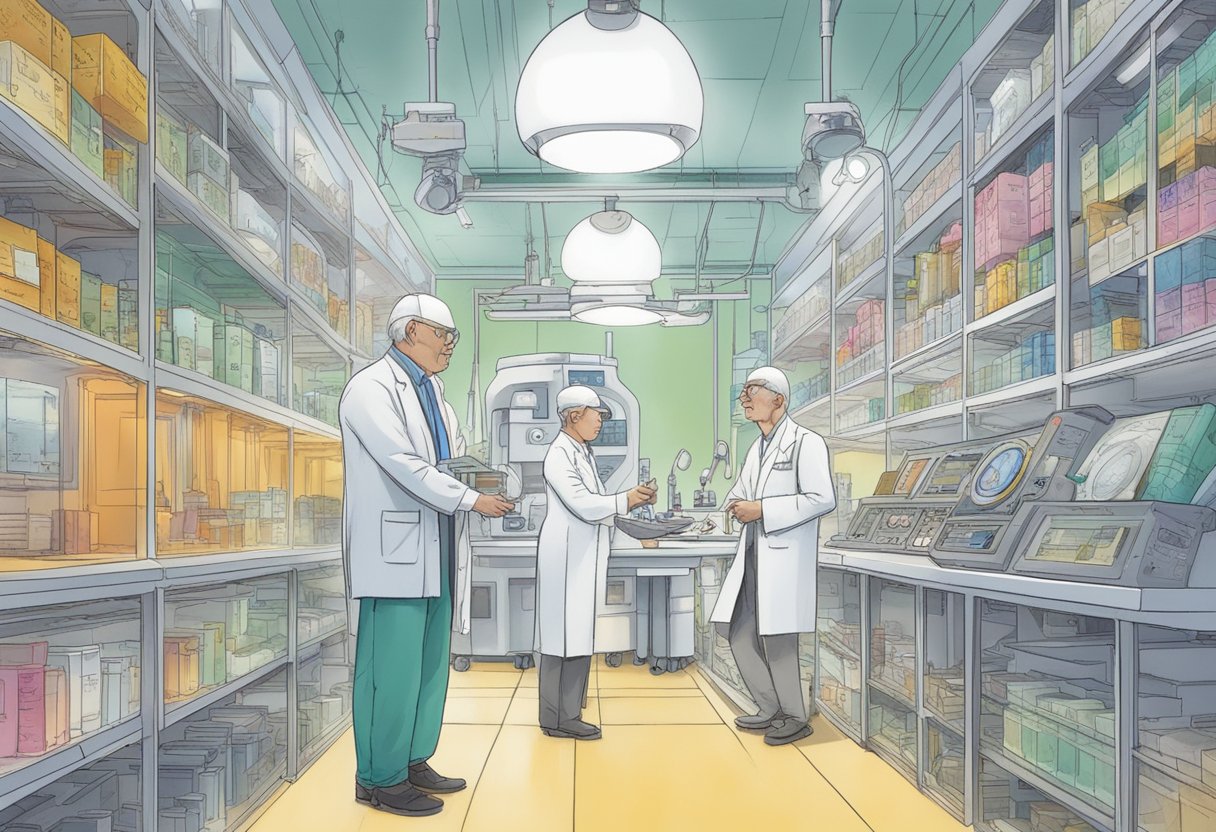
In my journey as a two-time lymphoma survivor, I’ve witnessed groundbreaking strides in cancer research that offer renewed hope.
Genomic Studies
The mapping of cancer genetics has revolutionized our understanding of tumor development. By sequencing tumor DNA, researchers identify mutations and create tailored treatments. A seminal advancement was the discovery that genetic changes can drive cancer, allowing for precision medicine that targets these mutations.
Vaccines and Immunology
Hepatitis B and HPV vaccines have dramatically impacted cancer prevention, reducing the risk of liver and cervical cancers, respectively. These vaccines represent a leap forward in immunology, enabling the body to mount robust immune responses against these cancer-causing viruses. My experience emphasizes the potential vaccines hold in not just treatment but in thwarting cancer before it takes hold.
Navigating Resources

Having faced lymphoma cancer twice, I know first-hand how critical the right resources can be on the journey to recovery. It’s not just about medical treatment; it’s about the support structures that allow us to navigate the experience with strength and clarity.
Useful Online Platforms
Websites are invaluable in providing up-to-date information and connecting with others during our cancer journey. I frequent platforms to read perspectives from other men who’ve faced similar battles. These sites often omit advertising and focus instead on user experiences and peer reviews, creating a more authentic feeling of community. For me, Cancer Survivor, Thriver, Fighter, or Other? offered insight into how men might identify with their cancer experience, while Milestones in Cancer gave me a comprehensive look at the progress in cancer research.
Community and Clinical Support
Finding the right support makes all the difference. I keep in close contact with my healthcare team and tap into local support networks that offer psychological and practical help. I’ve found resources for men going through cancer to be more than just groups; they’re brotherhoods where we share and uplift each other without judgment. A podcast series I recommend is Navigating Cancer TOGETHER, which echoes the challenges and collective wisdom I’ve encountered on my path to thriving after cancer.
Final Thoughts…
Overcoming lymphoma not once but twice has taught me that life comes with no guarantees, yet every challenge bears a lesson. Being in remission, I see each day with fresh eyes and consider my journey a series of sprints rather than a marathon.
I’ve connected with many peers facing similar battles. We share tips, like keeping a level head when the news seems grim and finding respite in the camaraderie of team sports. There’s a unique bond between men who’ve faced down cancer, a silent understanding that we’ve each grappled with a formidable foe.
As I lace up for a basketball game, I feel more than the thrill of competition. Solace in the game’s rhythm mirrors the structure that helped me face my diagnosis head-on. I focus on working with others who might be struggling, offering my experiences as a playbook so they can adapt to their needs.
For those walking this path alongside me, know that you are not alone. Your resilience is admirable, and your strength is commendable. Take the necessary timeouts for self-care and re-enter the game with renewed vigor. Remember, it’s not about winning or losing; it’s about playing the game with heart and being there to give your fellow men a high five, no matter the scoreboard. -T
Frequently Asked Questions
As a two-time lymphoma survivor, I’m here to share insights on embracing life after cancer.
What are appropriate ways to celebrate milestone anniversaries of being cancer-free?
I take pride in marking my cancer-free anniversaries by engaging in activities that reflect my gratitude for life. Running a yearly marathon enables me to cherish my health and support research efforts.
At what point is a person generally recognized as a cancer survivor?
One is often considered a cancer survivor from the moment of diagnosis. However, I felt a profound sense of achievement on my first anniversary, recognizing my resilience against adversity.
What are some inspiring stories of long-term cancer survivors?
I have met fellow survivors who have faced their journeys with incredible vigor. One peer, a marathoner, has been cancer-free for over a decade, finding solace and strength in athletics.
What are thoughtful gift ideas to commemorate a cancer survivor’s anniversary?
Commemorative tokens that align with the survivor’s hobbies bring immense joy. A personalized jersey from their favorite sports team can uplift spirits.
Can you explain the term ‘cancer thriver’ and how it differs from ‘cancer survivor’?
The term ‘cancer thriver’ resonates with me as it emphasizes flourishing in life despite the diagnosis, suggesting a journey beyond survival towards a fulfilling life.
What strategies contribute to increasing longevity for cancer patients post-treatment?
Adopting a routine that includes regular exercise, such as joining a soccer league, can bolster physical health and social connections, contributing to overall well-being.
