

Trends and Impact Analysis in Cancer Care

The landscape of pharmaceutical pricing, especially in cancer care, has become a central topic of discussion among patients, healthcare providers, and policymakers. Cancer remains one of the most formidable public health challenges. The cost of pharmaceutical treatments has soared, posing significant concerns for healthcare expenditure.
In examining the pricing of oncology medications, we uncover a complex interplay of factors that contribute to what is described as the ‘cancer premium.’ This highlights disparities in the cost of cancer drugs compared to other therapeutics.
Our collective experience as survivors navigating the turbulent waters of cancer treatment has given us a unique perspective on the value of accessible care. We, especially men who have grappled with conditions like lymphoma, understand the nuances of cancer drug affordability and the pressing need for policies that ensure no one is left behind in the quest for recovery.
As we share these insights, we aim to present practical avenues that allow for sustainable care without compromising the quality and advances in oncology that have been hard-won by the medical community.
Key Takeaways
- Pharmaceutical pricing significantly affects cancer treatment accessibility and survivorship.
- Understanding market dynamics and regulatory perspectives is crucial in addressing the affordability of cancer drugs.
- Strategies for evaluating therapeutic value can influence healthcare outcomes and help manage cancer treatment costs.
Understanding Cancer Drug Pricing
In oncology, pricing strategies for cancer medications are significant in determining treatment accessibility and economic viability for patients.
Socioeconomic Impacts of Drug Prices
Cancer medications come with a hefty price tag, a reality that has wide-ranging effects on society. Our ability to afford these life-saving treatments is getting squeezed, with launch prices of new cancer drugs often exceeding the average annual gross national income.
The financial burden can be immense, especially considering the havoc inflation wreaked on our economy and wallets. The cost can be prohibitive, creating a divide between those who can comfortably finance their cancer treatment and those who face catastrophic financial challenges.
The Role of Patents in Pricing
Patents grant pharmaceutical companies a period of market exclusivity, which can lead to higher drug prices. A new cancer drug may be prohibitively expensive until the patent expires, allowing generic versions to enter the market.
Patents are intended to foster innovation by providing temporary monopoly rights, but they also create a barrier for us seeking more affordable treatment options.
External Price Referencing Strategies
Nations worldwide have developed strategies, such as external price referencing, to temper the high costs of cancer drugs. This practice involves comparing and setting drug prices relative to those in other countries.
While this can lead to more standardized and potentially lower prices, it requires significant international cooperation and does not always reflect each country’s economic conditions or financial sustainability.
Regulatory Perspective on Pricing

In the realm of cancer care, the pricing of pharmaceuticals is under strict regulatory scrutiny to ensure accessibility and fairness. Our journey through the policies of the United States and Europe reveals diverse strategies that aim to balance innovative drug development with the financial burden on patients.
United States Policies and the FDA
The United States employs a unique mix of policies to regulate pharmaceutical prices. The Food and Drug Administration (FDA) is crucial in approving new cancer medications, ensuring they meet safety and efficacy standards.
Recent legislation, like the Inflation Reduction Act, is designed to negotiate the prices of certain drugs. They aim to alleviate the cost burden for us, especially those of us who have had to confront cancer not just once but twice.
- Health Technology Assessment (HTA): HTAs inform coverage decisions to ensure value for patients.
- Medicare Part B: Includes provisions to negotiate drug prices for Medicare directly.
These policies reflect a more significant national dialogue on how to provide treatments to us without the crippling financial strain that often accompanies a cancer diagnosis.
European Strategies and the EMA
Across the pond, Europe takes a different stance with policies orchestrated by the European Medicines Agency (EMA) and individual country health systems.
- Collaboration with Health Technology Assessments: Central to pricing decisions that reflect the true value of cancer treatments.
- Pharmaceutical Price Regulation: Enacted to avoid high drug prices that can lead to shortages and reduce patient access.
By closely examining these policies, we see a concerted effort in Europe to balance innovation, affordability, and accessibility, which is critical for us as we strive to move forward from cancer’s shadows.
Market Dynamics and Access
In the landscape of pharmaceuticals, especially in cancer care, market dynamics play a pivotal role in determining how we, as patients and survivors, access and afford necessary medications.
Generics and Biosimilar Medicines
The availability of generics and biosimilars significantly alters market dynamics by introducing cost-effective alternatives that support our financial well-being.
After triumphing over lymphoma, we understand the relief when treatments become more affordable. Generics, chemically identical to their branded counterparts but less costly, help mitigate the heavy expenses.
Since men with cancer often face not only clinical challenges but also economic ones, biosimilars also contribute by offering similar therapeutic outcomes at a reduced price. However, the intricacies of their development mean they’re not identical to original biologics.
Managed Entry Agreements
Managed Entry Agreements (MEAs) represent a negotiation strategy where we can access new, often high-cost pharmaceuticals under certain conditions.
These agreements often encompass performance-based contracts between drug manufacturers and payers that allow us to access new treatments while insuring against uncertainty about the drug’s real-world performance.
Our experiences have taught us that such tools are crucial for gaining timely access to innovative therapies without exacerbating the financial toxicity we already face.
Demand-Side Measures for Affordability
To address affordability, we explore demand-side measures that focus on our needs as survivors.
Public procurement strategies and policies ensure we secure our medications at the best value without compromising quality. We can push for more just pricing by leveraging our collective bargaining power.
Furthermore, patient access schemes work to curb the financial toxicity that often accompanies long-term cancer care, ensuring that economic considerations do not become a barrier to our well-being.
Cancer Drugs in High- and Middle-Income Countries
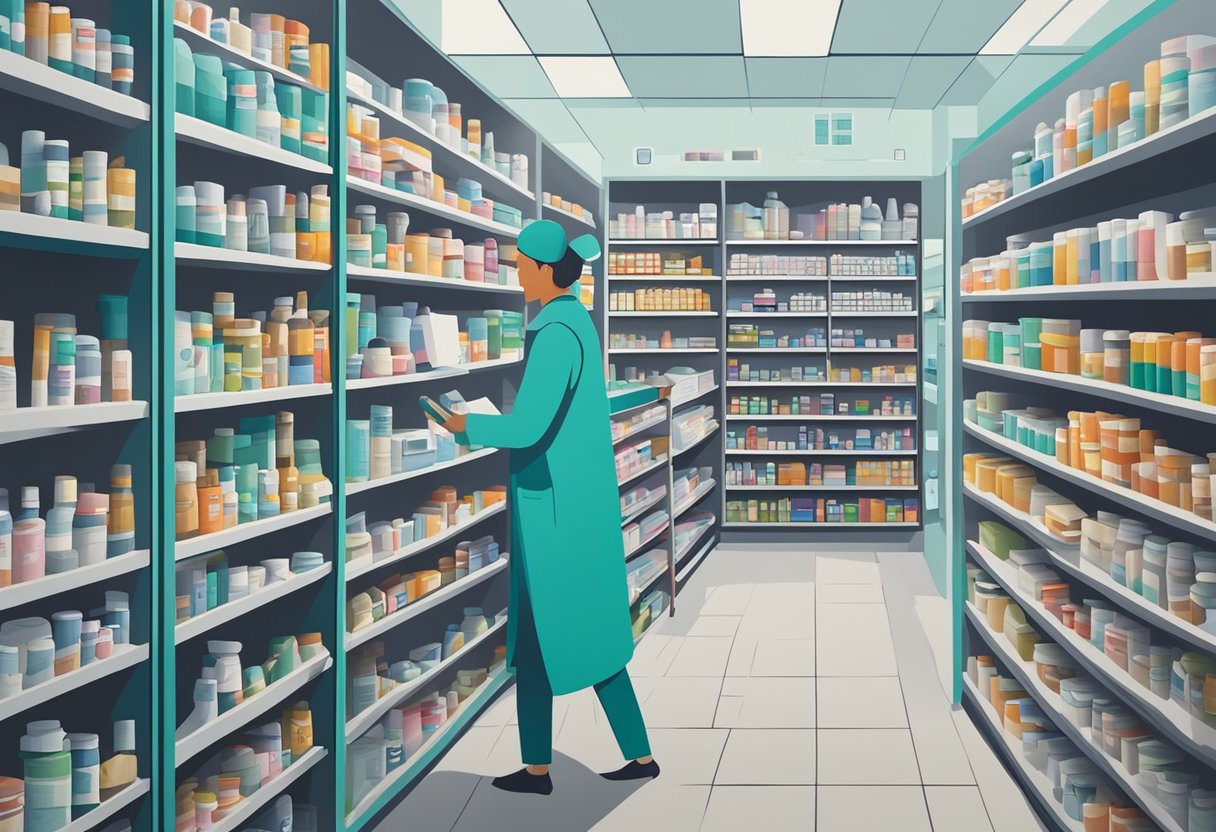
As survivors, we understand the critical role that drug availability and equitable health policies play in cancer care across varying national incomes.
Drug Availability and National Income
High-income countries, classified by the World Bank, often have better access to cancer drugs due to more substantial economic resources. In contrast, middle-income countries sometimes struggle with access, facing challenges such as limited drug selections and hurdles to the timely availability of new treatments.
Healthcare Systems and Public Funding
We know that robust healthcare systems and ample public funding are essential for supporting cancer survivors.
High-income countries typically provide comprehensive cancer care through well-funded healthcare systems. In middle-income countries, the level of public funding can significantly influence the scope and quality of cancer treatments available to us.
Price Databases and Transparency Initiatives
Transparency in drug pricing is key to ensuring treatments are reasonably priced.
High-income countries have initiated more price databases and transparency efforts, which help mitigate cancer medication costs. For middle-income countries, the development and adoption of transparency mechanisms are still in progress, where their implementation could profoundly impact affordability and access for survivors like us.
Impact of Pricing on Oncology Care
The financial landscape of oncology care presents a complex challenge as we balance the clinical benefits of treatments against their financial consequences for patients and healthcare systems.
Clinical Benefits vs. Financial Costs
The tug-of-war between clinical benefits and financial costs plays out daily in our fight against cancer. As we strive for positive outcomes, we must acknowledge the burden of expensive therapies.
For example, innovative targeted therapies offer us a beacon of hope, but often at a prohibitive cost, potentially limiting accessibility for many patients.
Pricing Effects on Mortality and Morbidity
We can’t ignore the stark reality that pricing influences mortality and morbidity rates in oncology care. When treatments are financially out of reach, we witness a rise in mortality, an outcome we all strive to avoid.
Studies have linked the affordability of cancer medications with improved survival rates, underscoring the need for thoughtful pricing strategies.
Pharmaceutical Equity and Universal Healthcare
We advocate for pharmaceutical equity and the principles of universal health coverage. Together, they form a vision where all individuals receive the oncology care they deserve, regardless of their financial standing. Achieving this requires a firm commitment to fair pricing models supporting innovation and accessibility. This makes life-saving treatments available to every patient who needs them.
Cancer Drug Affordability and Patent Expiry

As survivors, we recognize the critical role of patent expiry in improving the affordability of cancer treatments.
The Intersection of Cancer Medicines and Income
For us, the cost of cancer medicines often mirrors our financial resilience. In Europe and Latin America, income level disparities distinctly influence the affordability of these treatments. An analysis reveals significant variation in cancer drug prices across differing economies, directly affecting our access to essential care.
Patent Protection and Market Exclusivity
Patents grant market exclusivity to pharmaceutical companies, which allows them to recuperate research investments. However, once patents expire, the market opens up to generic alternatives. For us men who’ve endured the trials of cancer, this often means a welcomed decrease in price and broader access to life-saving medicines, as seen with medications that were under patent protection in Mexico.
Biologics and Ex-Factory Prices
Biologic cancer therapies signify a turning point in treatment, often carrying higher ex-factory prices. These are the costs directly from the manufacturer before additional expenses. Their complex nature translates to steep prices, which can be challenging to manage. With patents in place, firms maintain pricing power. But upon expiry, we hope these costs will reduce significantly, easing our financial burdens.
Evaluating Therapeutic Value and Healthcare Outcomes

In the landscape of cancer therapy, we face challenges when it comes to aligning the costs of treatments with their actual benefits to patients. This includes understanding how therapies improve survival rates and how they affect patients’ daily lives.
Value Frameworks for Cancer Therapy
We recognize that cancer treatments can be expensive, but their costs must reflect their actual therapeutic value. Value frameworks offer a method to assess therapies’ benefits against their financial impact. For example, Value Frameworks for Cancer Therapy analyze various therapies to ensure that pricing aligns with the outcomes they provide. These frameworks consider the direct benefits and the broad impact on patient care.
Health Technology Assessments and Quality of Life
Health technology assessments (HTAs) are pivotal in determining how new cancer treatments stack up to existing ones. In our journey, we’ve seen these assessments guide where resources in cancer care are best spent. The Health Technology Assessments and Quality of Life section will shine a light on drugs’ capacity to prolong life or improve its quality, a crucial aspect for us who have faced the dark shadows of cancer.
Cost-Effectiveness in Cancer Treatment
Lastly, we tackle the issue of cost-effectiveness. Cancer drugs should work well and come at a price justifiable by their clinical benefits. This includes the funding provided and managed by entities such as the Cancer Drug Fund, which is crucial in getting us access to the latest, potentially life-saving treatments. Studies like those on Cost-Effectiveness in Cancer Treatment guide our choices to ensure we invest in drugs that offer the most benefit per dollar spent.
Playing Devils Advocate

We encounter a paradox when we consider the landscape of cancer medication prices. On one hand, the cost of developing cutting-edge treatments is steep, often justifying the high price tag. Yet, on the other, we must face the reality that these prices put a significant burden on us, especially those of us who have had to wrestle with cancer not just once but twice.
The Financial Struggle: For those among us who have survived lymphoma, the financial impact is as palpable as the physical toll. We see fellow survivors grappling with the dilemma of affordability. The escalation of cancer drug costs, as highlighted by the National Cancer Institute, stands at odds with the ethos of care we embody. High prices mean cutting-edge treatments remain out of reach for many.
Equity in Treatment: We must acknowledge that every survivor deserves access to the best available care. Surges in drug pricing can alienate men facing cancer, creating a chasm between treatment and survival. The stark reality is that the ladder to recovery becomes much taller without sustainable pricing.
Men navigating the aftermath of cancer face unique challenges. We, as survivors, not only contend with the disease but also with the socio-economic repercussions of treatment costs. We need strategies that lower drug prices without stifling innovation. This is where value-based pricing, as the President’s Cancer Panel advocates, could shine—a beacon of hope for affordability and fairness.
We champion the idea that survivors need physical healing and financial solace. In our hearts, we understand the argument for high drug costs, but we ask, at what point does this inhibit the brotherhood of those wrestling with the reality of cancer? Our perspective pairs the necessity for advanced care with the equally critical need for reasonable costs.
Frequently Asked Questions
Navigating the terrain of cancer drug costs can be complex. We frequently encounter questions about pricing dynamics directly affecting us and our communities.
What factors contribute to the cost of cancer drugs in the United States?
Several elements dictate cancer drug pricing in the US. These include research and development expenses, manufacturing costs, and the value placed on innovation by pharmaceutical companies. Market exclusivity also plays a part, giving a company the sole right to sell the drug for a period, typically leading to higher prices.
What are the most expensive cancer treatments available on the market?
Among the priciest treatments are those involving newer technologies, like CAR-T therapies, which may cost hundreds of thousands of dollars for a single course. These therapies often involve genetic modification of a patient’s cells and represent the cutting edge of cancer care.
How are prices determined for oncology drugs?
Multiple factors, such as clinical trial results, the novelty of the treatment, and comparative effectiveness against existing therapies, influence oncology drug prices. Companies also consider the potential market size and the drug’s expected lifecycle.
What is the average cost of cancer treatment drugs?
The average cost for cancer drugs can vary widely, with newer treatments often starting at over $100,000 per patient for a year of therapy. However, prices can also be subject to negotiations and discounts.
How does the price of cancer medications compare to their benefits for patients?
We must assess This critical question, as prices should ostensibly reflect a medication’s benefits. The shift toward value-based pricing aims to link the cost to the drug’s effectiveness and advantages over existing treatment options.
Why can cancer therapy be so expensive for patients, even with insurance coverage?
Despite having insurance, out-of-pocket expenses for cancer therapy can strain our finances. This is due to factors like high deductibles, copayments, and coinsurance. These are coupled with the soaring list prices of oncology drugs.
We often face significant financial burdens, even with insurance. This is especially true if we opt for the latest treatments.
