

Nutrition and Discipline After Cancer

As a two-time lymphoma cancer survivor, I understand the challenges of reshaping your life after cancer. It is a humbling experience requiring discipline, patience, and firm support.
Nutrition and physical activity play a significant role in the recovery process, and it’s crucial to understand how to maintain a healthy lifestyle after treatment.
Understanding cancer and its impact is the first step in reshaping your life after cancer. Cancer survivors face unique challenges, including physical and emotional changes, and it’s essential to seek information and support to navigate these challenges.
Nutrition plays a crucial role in the recovery process, and it’s essential to understand how to eat well and maintain a healthy weight. Physical activity and exercise are also necessary components of recovery, and it’s crucial to work with healthcare providers to develop a safe and effective exercise plan.
Key Takeaways
- Nutrition and physical activity play a significant role in the recovery process after cancer.
- Understanding cancer and its impact is crucial to navigating the challenges of recovery.
- Working with healthcare providers to develop a safe and effective exercise plan is essential for cancer survivors.
Understanding Cancer and Its Impact
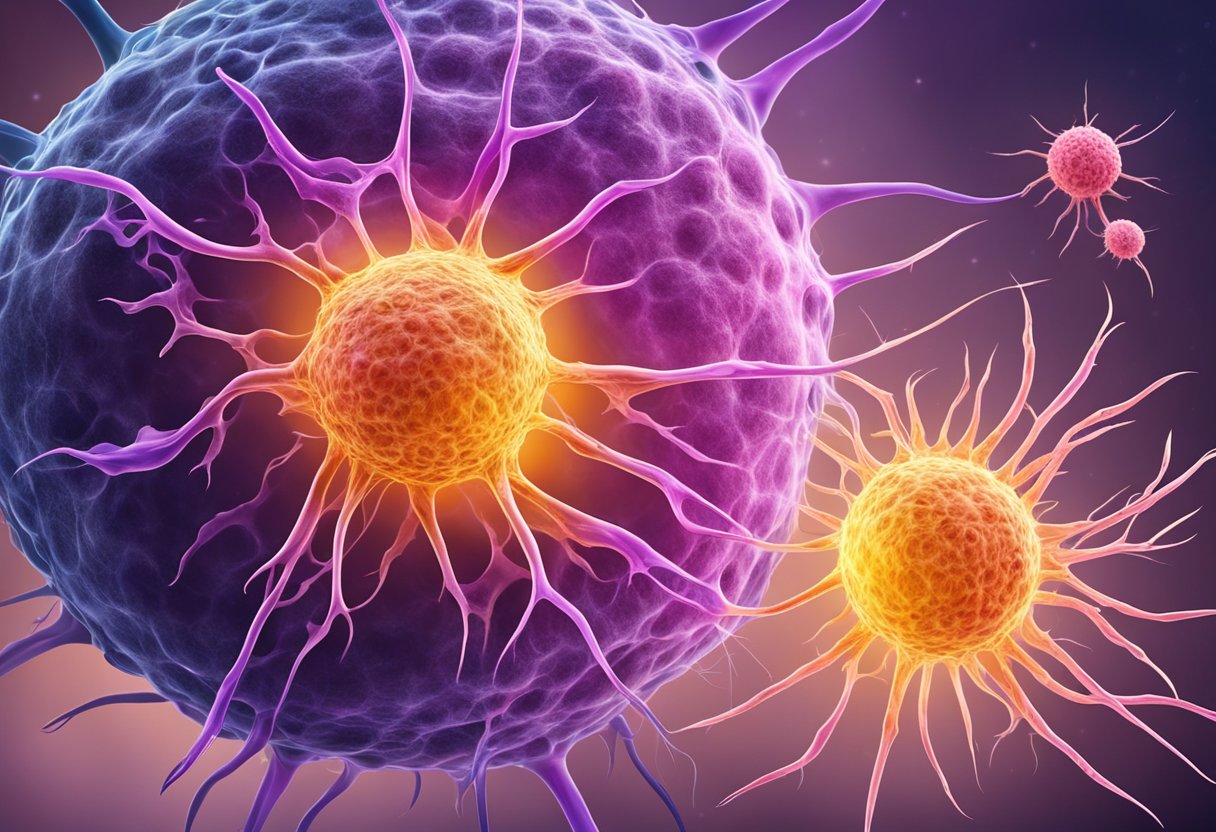
Having triumphed over lymphoma cancer twice, I understand cancer’s impact on a person’s life. Cancer is a disease that affects millions of people worldwide, and its impact can be devastating. Cancer treatments, such as chemotherapy and radiation, can cause side effects that can be difficult to manage. These side effects include fatigue, nausea, vomiting, and hair loss.
For cancer patients, the fear of recurrence is always present. Cancer recurrence is when cancer comes back after treatment. It is essential to understand that cancer recurrence does not mean the cancer treatment was unsuccessful or the patient did something wrong. Cancer outcomes depend on many factors, such as the type and stage of cancer, the patient’s overall health, and the treatment received.
Cancer patients need to understand that cancer treatment is not a one-size-fits-all approach. Different types of cancer require different treatments, and each patient’s treatment plan is unique. Working with a healthcare team specializing in cancer treatment is crucial to developing the best plan for your situation.
Discipline and nutrition play a vital role in reshaping your life after cancer. A balanced diet that includes vegetables, fruits, and whole grains can help improve your overall health and reduce the risk of cancer recurrence. Maintaining a healthy weight, exercising regularly, and getting good sleep is also essential.
Understanding cancer and its impact is the first step in reshaping your life after cancer. Cancer treatment can be challenging, but with the right mindset, discipline, and nutrition, you can overcome the side effects and reduce the risk of cancer recurrence. Remember to work with your healthcare team to develop a personalized treatment plan.
Nutrition for Cancer Survivors
As a two-time lymphoma cancer survivor, I understand the importance of nutrition in reshaping your life after cancer. Eating a balanced diet is crucial for maintaining a healthy lifestyle, especially for cancer survivors.
Here are some key factors to keep in mind when it comes to nutrition after cancer:
Importance of Balanced Diet
A healthy and balanced diet is essential for cancer survivors. Eating various foods from all groups can help you obtain the necessary nutrients to maintain good health. It is recommended that cancer survivors follow a low-fat, whole-food, plant-predominant diet that is rich in colorful vegetables and fruits, whole grains, beans, and nuts.
Recommended Food Groups
Cancer survivors should aim to consume various nutrient-dense foods, including vegetables, fruits, whole grains, fish, poultry, eggs, and low-fat dairy products. These foods are rich in fiber, protein, and essential vitamins and minerals that can help maintain good health.
Foods to Avoid
Cancer survivors should limit their processed meats, red meat, and saturated fat intake. Alcohol should also be consumed in moderation. Additionally, cancer survivors should avoid consuming sports drinks and over-the-counter supplements unless recommended by a registered dietitian nutritionist.
Supplements and Vitamins
While a healthy diet can provide most of the necessary nutrients, some cancer survivors may need dietary supplements. Vitamin C, antioxidants, and phytochemicals can help boost the immune system and reduce inflammation. However, consulting with a registered dietitian before taking any supplements is essential.
Dealing with Eating Difficulties
Cancer survivors may experience eating difficulties such as mouth sores, nausea, vomiting, and diarrhea. A registered dietitian can help develop a personalized nutrition plan to address these issues and ensure the survivor gets the necessary nutrients.
Food Safety
Cancer survivors should also be cautious about food safety. It is essential to properly store, cook, and handle food to prevent foodborne illnesses. A registered dietitian can guide food safety practices.
A healthy and balanced diet is essential for cancer survivors. Cancer survivors can maintain good health and improve their overall quality of life by following a nutritious diet and consulting with a registered dietitian.
Physical Activity and Exercise
Being a lymphoma survivor, I know firsthand the importance of physical activity and exercise in reshaping your life after cancer. It can be challenging to stay active during and after cancer treatment, but incorporating physical activity and exercise into my daily routine helped me regain my strength and energy, both physically and mentally.
Benefits of Physical Activity
Research shows that physical activity can benefit cancer survivors during and after treatment. It can help improve your quality of life, increase your energy levels, and help you cope with side effects of treatment, such as fatigue, anxiety, and depression. Physical activity may also decrease your risk of new cancers in the future.
Incorporating physical activity into your daily routine can be as simple as walking, gardening, or swimming. It’s important to start slowly and gradually increase your activity level as your strength and energy improve. You can also work with your healthcare provider to develop a safe and effective exercise program.
Dealing with Fatigue
Fatigue is a common side effect of cancer treatment that can last for months or even years after treatment. While it may be tempting to rest and avoid physical activity, research shows that exercise can help alleviate fatigue and increase energy levels.
It’s important to listen to your body and not push yourself too hard. Start with low-intensity exercises such as walking or gentle yoga, and gradually increase your activity level as your energy improves. It’s also important to stay hydrated and eat a healthy, balanced diet to help combat fatigue.
Physical activity and exercise can benefit cancer survivors both during and after treatment. It’s important to start slowly, listen to your body, and work with your healthcare provider to develop a safe and effective exercise program for you. By incorporating physical activity into your daily routine, you can regain strength and energy and improve your quality of life.
Maintaining a Healthy Weight
As a survivor, I understand the importance of maintaining a healthy weight. Excess weight can increase the risk of cancer recurrence and other health problems such as heart disease and diabetes. Here are some strategies that have helped me maintain a healthy weight:
Importance of Healthy Weight
Maintaining a healthy weight is crucial for cancer survivors. According to the American Cancer Society, being overweight or obese can increase the risk of cancer recurrence and decrease the chances of survival. In addition, carrying excess weight can lead to other health problems such as high blood pressure and type 2 diabetes.
Weight Management Strategies
- Eat A Balanced Diet: A balanced diet with plenty of fruits, vegetables, whole grains, and lean protein can help you maintain a healthy weight. Avoid processed foods and sugary drinks, and limit your red and processed meat intake.
- Exercise Regularly: Regular exercise can help you maintain a healthy weight and reduce the risk of cancer recurrence. Aim for at least 150 minutes of moderate or 75 minutes of vigorous-intensity exercise per week.
- Monitor Your Weight: Keep track of your weight and body mass index (BMI) to ensure that you are maintaining a healthy weight. Talk to your doctor if you are concerned about your weight.
- Get Enough Sleep: Lack of sleep can disrupt hormones that regulate appetite and metabolism, making it harder to maintain a healthy weight. Aim for at least 7-8 hours of sleep per night.
- Manage Stress: Stress can lead to overeating and weight gain. Find healthy ways to manage stress, such as meditation, yoga, or talking to a counselor.
By following these strategies, you can maintain a healthy weight and reduce the risk of cancer recurrence. Remember to talk to your doctor before starting any new diet or exercise program.
The Role of Healthcare Providers
As a two-time male lymphoma cancer survivor, I know firsthand the value of having a supportive healthcare team. Your healthcare providers play a crucial role in your care and treatment, helping you navigate the challenges of cancer and providing you with the tools and resources you need to stay healthy.
Communicating with Your Doctor
Your doctor is your primary healthcare provider, and they play a critical role in your cancer care. It’s important to establish open and honest communication with your doctor from the outset so you can work together to create a treatment plan that’s right for you.
When you meet with your doctor, ask plenty of questions and take notes on their responses. Some questions you might consider asking include:
- What type of cancer do I have?
- What stage is my cancer?
- What are my treatment options?
- What are the potential side effects of my treatment?
- How long will my treatment last?
- How often will I need to come in for treatment?
By asking these questions and others, you can better understand your cancer care and feel more empowered in the decision-making process.
Working with a Dietitian
Nutrition is essential to cancer care, and working with a registered dietitian nutritionist (RDN) can help you stay healthy and strong during treatment. Your RDN can work with you to create a personalized nutrition plan that meets your unique needs and preferences.
Some ways an RDN can help you include:
- Helping you manage side effects of treatment, such as nausea and vomiting
- Providing guidance on how to maintain a healthy weight during treatment
- Offering tips for incorporating more nutrient-rich foods into your diet
- Helping you understand any dietary restrictions you may have during treatment
By working with an RDN, you can feel more confident in nourishing your body and staying healthy during cancer care.
Cancer Care Team
In addition to your doctor and RDN, your cancer care team may include a variety of other healthcare providers, such as nurses, social workers, and more. Each member of your care team plays a unique role in your care and treatment, and it’s important to work together with them to create a comprehensive care plan.
Some ways your cancer care team can help you include:
- Providing emotional support and counseling
- Helping you manage side effects of treatment
- Offering guidance on exercise and physical activity during treatment
- Helping you navigate insurance and financial concerns related to your cancer care
By working with your cancer care team, you can feel more supported and empowered throughout your cancer journey.
Preventing Recurrence and Other Diseases
As a two-time male lymphoma cancer survivor, I understand the importance of preventing cancer recurrence and other diseases. Maintaining a healthy lifestyle and following a balanced diet is crucial to reducing the risk of cancer recurrence and other chronic diseases.
Cancer Recurrence
Cancer recurrence is a common concern for cancer survivors. To reduce the risk of cancer recurrence, following a healthy diet that includes plenty of fruits, vegetables, whole grains, and lean proteins is essential. Studies have shown that a diet rich in plant-based foods can help reduce the risk of cancer recurrence and improve overall health.
Heart Disease and Diabetes
Heart disease and diabetes are two of the most common chronic diseases cancer survivors may face. Maintaining a healthy weight, exercising regularly, and following a healthy diet are crucial to prevent these diseases. A diet low in saturated fats and fiber can help reduce the risk of heart disease and diabetes.
Other Types of Cancer
Cancer survivors are also at risk of developing other types of cancer. To reduce the risk of developing other types of cancer, following a healthy lifestyle and getting regular check-ups is essential. For example, colorectal cancer survivors should get regular colonoscopies, while breast cancer survivors should get regular mammograms.
Preventing cancer recurrence and other chronic diseases requires discipline and commitment. By following a healthy lifestyle and a balanced diet, cancer survivors can reduce their risk of cancer recurrence and other chronic diseases and improve their overall health and well-being.
Quality of Life and Recovery
Improving Quality of Life
As a two-time male lymphoma cancer survivor, I understand the importance of improving quality of life during recovery. It can be a challenging time, but you can take steps to make it easier.
One of the most important things you can do is to take care of your body. This means eating a balanced diet, sleeping well, and exercising regularly. It’s also important to manage stress and anxiety, a common side effect of cancer treatment.
Connecting with other cancer survivors is another way to improve your quality of life. The American Cancer Society (ACS) offers a variety of resources for people with cancer, including support groups and online communities. These resources can provide a sense of community and help you feel less alone during your recovery.
Resources for Cancer Survivors
The ACS is a great resource for cancer survivors. They offer a variety of programs and services, including a 24/7 helpline, support groups, and online communities. They also provide information on nutrition, exercise, and other lifestyle changes that can help improve quality of life during recovery.
In addition to the ACS, many other resources are available for cancer survivors. Your healthcare team can provide information on local support groups and other resources in your area. You can also search online for resources and organizations specializing in cancer survivorship.
Remember, recovery is a journey, and caring for yourself is essential. By making healthy lifestyle choices and connecting with other cancer survivors, you can improve your quality of life and feel more empowered during your recovery.
Final Thoughts
As a two-time lymphoma cancer survivor, I know firsthand the importance of reshaping your life after cancer. It can be a challenging and emotional journey, but one can live a healthy and fulfilling life with discipline and a focus on nutrition.
For men, it’s crucial to maintain a healthy weight and incorporate physical activity into your daily routine. This can help reduce the risk of cancer recurrence and improve overall health. Eating a balanced diet rich in fruits, vegetables, and whole grains is also essential for optimal health.
It’s important to remember that everyone’s journey is different, and there is no one-size-fits-all solution. Finding a support system, whether family, friends, or a support group, can be beneficial during this time.
Discipline is key when it comes to maintaining a healthy lifestyle. It’s important to set realistic goals and make small changes gradually. This can help make the process feel less overwhelming and increase the chances of success. Always listen to your body, take things one day at a time, and stay positive. -T
Frequently Asked Questions
What are some recommended nutrition guidelines for cancer survivors?
As a two-time male lymphoma cancer survivor, I know firsthand the importance of nutrition in cancer recovery. According to the American Cancer Society, cancer survivors should follow a balanced diet with plenty of fruits, vegetables, whole grains, and lean proteins. I
t is also important to limit processed foods, red meat, and alcohol. Some cancer survivors may have specific dietary needs, so it is best to consult a registered dietitian for personalized recommendations.
What types of exercises are safe and effective for cancer survivors?
Physical activity is important for cancer survivors, but starting slowly and gradually increasing intensity is essential. Walking, swimming, and yoga are safe and effective exercises for cancer survivors. Resistance training can also help rebuild muscle mass and improve overall strength.
What lifestyle changes can be made after completing cancer treatment?
After cancer treatment, focusing on self-care and stress management is essential. This can include getting enough sleep, practicing relaxation techniques, and engaging in activities that bring joy and fulfillment. It is also important to stay on top of follow-up appointments and screenings to monitor for potential recurrence.
What are some long-term effects of head and neck cancer treatment?
Head and neck cancer treatment can have long-term effects, including difficulty swallowing, dry mouth, and changes in taste and smell. Working with a healthcare team to manage these side effects and find ways to improve quality of life is essential.
What coping strategies have been identified as effective for cancer patients?
Cancer can be a challenging experience, and it is important to have coping strategies in place to manage stress and maintain emotional well-being. Some effective coping strategies include mindfulness meditation, journaling, and talking to a therapist or support group.
How can cancer survivors rebuild their bodies after treatment?
Rebuilding the body after cancer treatment can be a slow process, but focusing on gradually increasing physical activity and incorporating strength training exercises is essential. It is also important to continue following a balanced diet and working with a healthcare team to manage ongoing side effects.
