

Strategies for Better Rest
Living through cancer twice has shown us that managing pain and sleep are crucial for male survivors. Chronic pain and lack of sleep both hurt our quality of life and hinder recovery.
Finding effective pain management strategies can make a big difference.

Our journey began with many sleepless nights. We found that addressing insomnia could significantly help with pain management.
For many male cancer survivors, sleep problems persist long after treatment ends.
Healthy sleep reduces pain perception and improves the effectiveness of pain medications.
Key Takeaways
- Chronic pain and sleep issues are common in male cancer survivors.
- Effective pain management includes addressing sleep problems.
- Healthy sleep habits improve pain perception and medication effectiveness.
Understanding Pain in Male Cancer Survivors

Many male cancer survivors experience chronic pain that can significantly affect their daily lives. Addressing these challenges through effective pain management strategies can improve sleep quality and well-being.
Prevalence and Patterns of Pain
Pain is a common issue for cancer survivors, affecting various aspects of life. Studies show that around 23.5% of cancer survivors report experiencing chronic pain (https://www.ncbi.nlm.nih.gov/pmc/articles/PMC8611292/). This pain can stem from the disease itself, treatments such as surgery or chemotherapy, or lingering side effects.
The pain often presents in patterns and fluctuates in intensity. Some may experience sharp pains, while others might face a dull, constant ache.
Understanding these patterns can help in managing the symptoms more effectively.
Persistent and Chronic Pain Challenges
Persistent pain among cancer survivors can lead to psychological distress and impact daily activities. Untreated pain may result in unnecessary hospital admissions and reduced quality of life (https://www.cdc.gov/pcd/issues/2020/19_0367.htm).
Effective pain management is essential. Techniques such as physical therapy, counseling, and medications tailored to individual needs can provide relief.
Changing our lifestyle helped us manage pain better and sleep more soundly.
Evidence-Based Pain Management Approaches
Managing pain effectively as male cancer survivors is crucial for improving overall quality of life. Evidence-based methods are pivotal to achieving this goal.
Assessing Pain Management Efficacy
The first step is to assess the efficacy of pain management. We utilize tools such as the Pain Management Index (PMI) to determine whether our pain is adequately controlled.
This method scores the adequacy of analgesic prescriptions based on patient-reported pain levels. It’s a practical metric for us to determine whether adjustments are necessary.
Randomized controlled trials have shown notable improvements when these assessments guide care. By constantly evaluating our pain levels, we adjust interventions promptly.
The American Society of Clinical Oncology recommends regular reassessments to track pain management efficacy effectively.
Recommended Pain Management Interventions
Evidence-based interventions are crucial for managing pain effectively.
For neuropathic pain, medications like gabapentin or pregabalin are often recommended. These drugs target nerve-related pain, offering relief when traditional analgesics may fall short.
Non-drug interventions also play a valuable role.
Cognitive-behavioral therapy (CBT) helps us reshape thought patterns that can exacerbate pain.
Physical therapies, such as TENS units, provide additional relief by stimulating nerves.
Cancer pain management also incorporates holistic approaches.
Techniques like mindfulness and acupuncture have shown positive outcomes in various trials.
Combining these with proper medication creates a comprehensive pain management plan tailored to our needs.
Regular consultations and follow-ups ensure we stay on the right track.
Impact of Cancer Treatment on Pain Manifestation
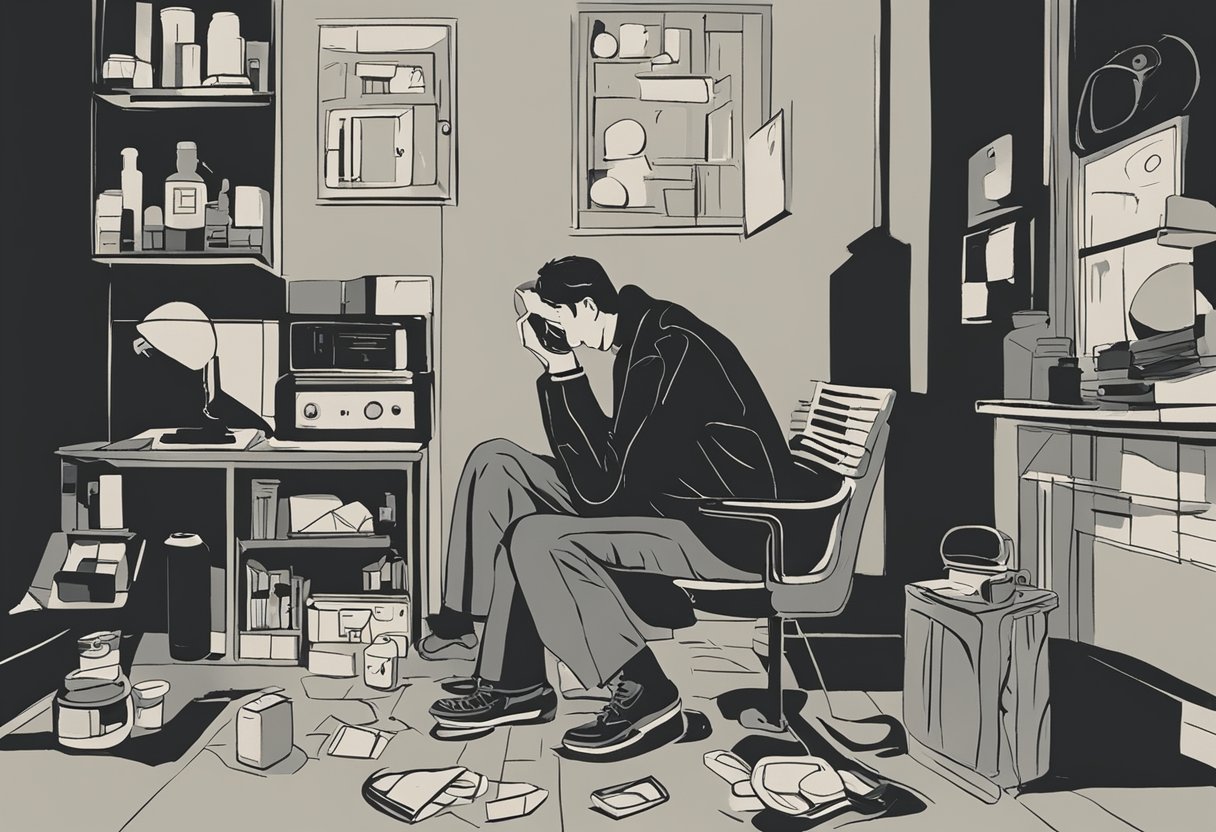
Many cancer survivors experience chronic pain due to their treatments or the disease itself. This pain can vary depending on the type and duration of treatment.
Surgery and Post-Operative Pain
Surgery, particularly for cancer treatment, can lead to significant post-operative pain. Procedures like breast cancer surgery or tumor removal often result in pain due to tissue and nerve damage.
I’ve also found that such pain can linger long after the surgical wounds have healed.
After my surgeries, managing this pain was crucial for my recovery.
Health professionals often recommend adjuvant analgesics to help ease nerve pain and improve sleep quality.
Effective pain management promotes healing and enhances quality of life.
Pain Due to Chemotherapy and Radiation
Chemotherapy and radiation treatments can cause painful conditions like chemotherapy-induced peripheral neuropathy.
This type of pain is often characterized by tingling, numbness, or burning sensations in the extremities.
Men undergoing these treatments may also experience deep aches or radiation-induced pain in treated areas.
Managing these symptoms requires a combination of pain relief medications and therapies.
Adequate sleep helps reduce pain perception, making daily life more manageable.
From our experience, this is one of the most significant aspects of post-treatment care for cancer survivors.
Implementing sleep hygiene practices, such as maintaining a consistent sleep schedule, can significantly reduce pain and improve overall well-being.
Sleep Disturbances and Their Relation to Pain
Male cancer survivors often face challenges managing both sleep disturbances and chronic pain. Our experiences highlight the interconnectedness of sleep and pain, emphasizing how improving one can positively influence the other.
Sleep Patterns and Pain Perception
Sleep patterns significantly affect our pain perception. When we don’t get enough rest, our sensitivity to pain increases.
Research shows that sleep disturbances like insomnia and restless leg syndrome are prevalent in cancer patients. For instance, sleep disturbances occur in up to 95% of cancer patients, complicating pain management.
When our sleep quality is poor, we often face more intense pain during the day.
As survivors, we notice that consistent, high-quality sleep helps buffer this pain, making it easier to manage.
Proper sleep hygiene, such as maintaining a regular sleep schedule and creating a restful environment, can significantly affect how we perceive and handle pain.
Treating Sleep Issues to Improve Pain Outcomes
Addressing sleep issues proactively can lead to better pain outcomes.
Various strategies can be employed, from cognitive behavioral therapy for insomnia (CBT-I) to medications specifically targeting sleep disorders.
Studies indicate that treating sleep disturbances can reduce pain and improve overall quality of life.
By focusing on sleep, we can decrease our reliance on pain medications.
This comprehensive approach not only helps in managing pain but also supports our overall health.
Implementing consistent sleep routines and seeking professional help when needed ensures long-term effectiveness in pain management for male cancer survivors.
Comorbid Conditions Affecting Pain in Survivors

Many cancer survivors experience chronic pain related to their treatment or the disease itself. Sleep has been shown to have analgesic effects, helping to reduce pain perception and improve pain tolerance.
Mental Health: Anxiety and Depression
We often face ongoing psychological distress after cancer treatment.
Anxiety and depression can intensify pain sensations, making it harder for us to manage daily activities.
These mental health issues are not just feelings; they can alter physiologic characteristics that affect pain perception.
Untreated mental health problems can lead to a cycle where pain increases anxiety and depression, which then increases pain.
It can be challenging, but addressing mental health with therapy, medication, or support groups can help break this cycle.
Medication for mood stabilization, combined with cognitive behavioral therapy, can significantly ease both mental health issues and pain.
Physical Comorbidities and Pain Exacerbation
Many of us also deal with chronic diseases like diabetes, heart disease, or arthritis alongside cancer.
These comorbid conditions complicate pain management.
For example, diabetes can lead to neuropathy, which makes pain more intense.
Physical comorbidities not only worsen pain but can also limit treatment options.
Managing these conditions with a balanced diet, physical activity, and medication can reduce their impact on pain.
Focused interventions to improve general health can go a long way in making pain more bearable.
Role of Healthcare Providers in Pain Management

Effective pain management is crucial for improving our quality of life. Sleep also plays a role, but the expertise of healthcare providers is just as essential.
Nursing Interventions and Pain Management
Nurses play a vital role in pain management. They assess pain levels and implement pain relief strategies. Nurses often use pain scales to evaluate pain severity and adjust treatment plans accordingly. Monitoring symptoms closely ensures that patients receive timely and effective care.
Patient education is also vital. Nurses teach us how to manage pain at home and recognize when to seek medical help. This guidance helps us maintain better control over our pain and make informed decisions about our care.
Opioid Management and Alternative Therapies
Opioid therapy is often necessary for managing severe pain. Healthcare providers are careful when prescribing and monitoring these medications. Long-term opioid therapy can lead to dependence, so doctors regularly assess their effectiveness and make adjustments as needed.
Many of us benefit from alternative therapies alongside opioids. Techniques like acupuncture, physical therapy, and even cognitive-behavioral therapy can help reduce pain and improve overall well-being. By combining these methods, healthcare providers create individualized pain management plans that address our needs and conditions.
Support Systems: The Family and Caregiver Perspective

Family members and caregivers play a vital role in managing both sleep and pain for male cancer survivors. Their support can make a significant difference in coping with physical and emotional challenges.
Caregiver Support and Education
Caregivers often need proper training to help male cancer survivors effectively manage pain and sleep issues. Many family caregivers, especially those dealing with chronic pain, lack formal medical training but still perform complex tasks such as pain assessment and medication management. Offering educational resources about pain management and sleep hygiene can empower caregivers and improve the quality of life for the patient and themselves.
Workshops and online courses can provide practical information on medication schedules, pain symptom evaluation, and effective communication with healthcare providers. Understanding how to support pain management can help reduce the frequency of pain episodes, allowing better sleep and overall well-being. Encouraging dialogue between caregivers and medical professionals can also help identify better pain management strategies tailored to individual needs.
Sexual Health and Intimacy Concerns
Cancer treatments often lead to sexual side effects, which can affect relationships and intimacy. These issues are seldom openly discussed, leaving many survivors and their partners feeling isolated. Pain and fatigue can further complicate these concerns, making communication between caregivers and patients essential.
Addressing sexual health openly with healthcare providers can lead to tailored solutions, such as counseling or medication to manage symptoms. For many, the emotional support from family members plays a crucial role in navigating these changes. Caregivers need to be sensitive and open to discussing intimacy issues, helping to maintain a supportive and understanding environment.
Caregiver education programs sometimes include sessions on managing sexual health, highlighting strategies for dealing with the sexual side effects of cancer treatments. These programs can provide the knowledge needed to approach these sensitive topics with empathy and care, fostering a stronger bond between the survivor and their partner. Emotional support can also lead to better pain management and stronger relationship dynamics.
The Debate
There has been ongoing debate regarding the effectiveness of using sleep as a strategy for pain management among male cancer survivors.
One side emphasizes that adequate sleep can significantly reduce pain perception and improve overall pain tolerance. For many of us who’ve survived cancer, getting enough sleep has been a crucial component of our pain management regimen. Studies indicate that addressing and treating sleep problems can alleviate hyperalgesia.
On the other hand, critics argue that sleep-related interventions might not be effective for everyone. They point out that factors like sleep disorders during and after cancer treatments may not always be quickly resolved.
For instance, many survivors, particularly those with lung cancer, face heightened vulnerability to sleep disturbances, which can complicate pain management efforts. We know the struggle is real, and these sleep issues are more pronounced in this group.
Another point of contention centers on alternative methods like eHealth interventions. Some believe these digital solutions can offer sustainable relief from pain, fatigue, and sleep disorders. These interventions show promise in integrating sleep management into broader pain relief strategies for cancer survivors.
However, others feel that more high-quality research is needed to support these claims. While emerging studies are optimistic, skeptics strongly call for additional rigorous trials.
Final Thoughts
We have faced many challenges along our journey with cancer. Pain and sleep are significant hurdles. From personal experience, I understand the struggles we endure daily.
Adequate sleep has helped me manage pain better. It plays a crucial role in pain perception. A restful night reduces the need for medications and enhances other pain management strategies.
Tips for Better Sleep and Pain Management:
- Develop a Routine: Going to bed and waking up simultaneously every day.
- Stay Active: Light physical activities like walking or yoga.
- Create a Sleep-Friendly Environment: Ensure your bedroom is dark, quiet, and calm.
These strategies have made a noticeable difference in my life. Let’s support each other as we continue this journey towards a better quality of life.
Our experiences as male cancer thrivers can guide others in similar situations. Remember, we are not alone, and there are practical ways to improve our day-to-day lives. -T
Frequently Asked Questions
Many cancer survivors deal with ongoing challenges related to sleep and pain. Addressing these issues can significantly improve quality of life and overall well-being.
What are the most effective sleep aids for cancer survivors?
Effective sleep aids for cancer survivors include melatonin supplements and cognitive behavioral therapy for insomnia (CBT-I). These methods can help regulate sleep patterns and improve rest without relying heavily on medications. Some may also benefit from using white noise machines or weighted blankets to enhance sleep quality.
How can sleep patterns be managed post-chemotherapy for cancer patients?
Managing sleep patterns post-chemotherapy involves establishing a consistent sleep schedule and creating a relaxing bedtime routine. Limiting caffeine and screen time before bed can also help. Engaging in light exercise during the day and ensuring the sleep environment is calm and dark can improve overall sleep quality.
What are the recommended pain management strategies for stage 4 cancer patients?
Pain management strategies for stage 4 cancer patients include medications such as opioids and non-opioid pain relievers. Physical therapy and acupuncture may offer additional relief. Consulting with a pain specialist who can tailor treatments to individual needs is also invaluable.
How can excessive sleep in cancer patients be addressed and managed?
Excessive sleep in cancer patients can be managed by encouraging regular, mild physical activity and maintaining a balanced diet. Ensuring mental health support, such as counseling, can also help address underlying issues like depression that might contribute to excessive sleeping.
What constitutes optimal pain relief options for chronic cancer conditions?
Optimal pain relief options for chronic cancer conditions often include a combination of medications, physical therapy, and alternative treatments. Medications may range from over-the-counter anti-inflammatories to stronger prescription drugs. Techniques like massage and acupuncture can also play a role.
Why might cancer-related pain intensify during the night, and how can it be alleviated?
Cancer-related pain may intensify at night due to reduced distractions and the natural drop in cortisol levels.
Using heat packs or cold compresses can provide relief.
Ensuring a comfortable sleeping position and possibly taking a prescribed pain reliever before bed can help manage nighttime pain.
