

The Destroyer of Cancer Survivorship Lifestyle
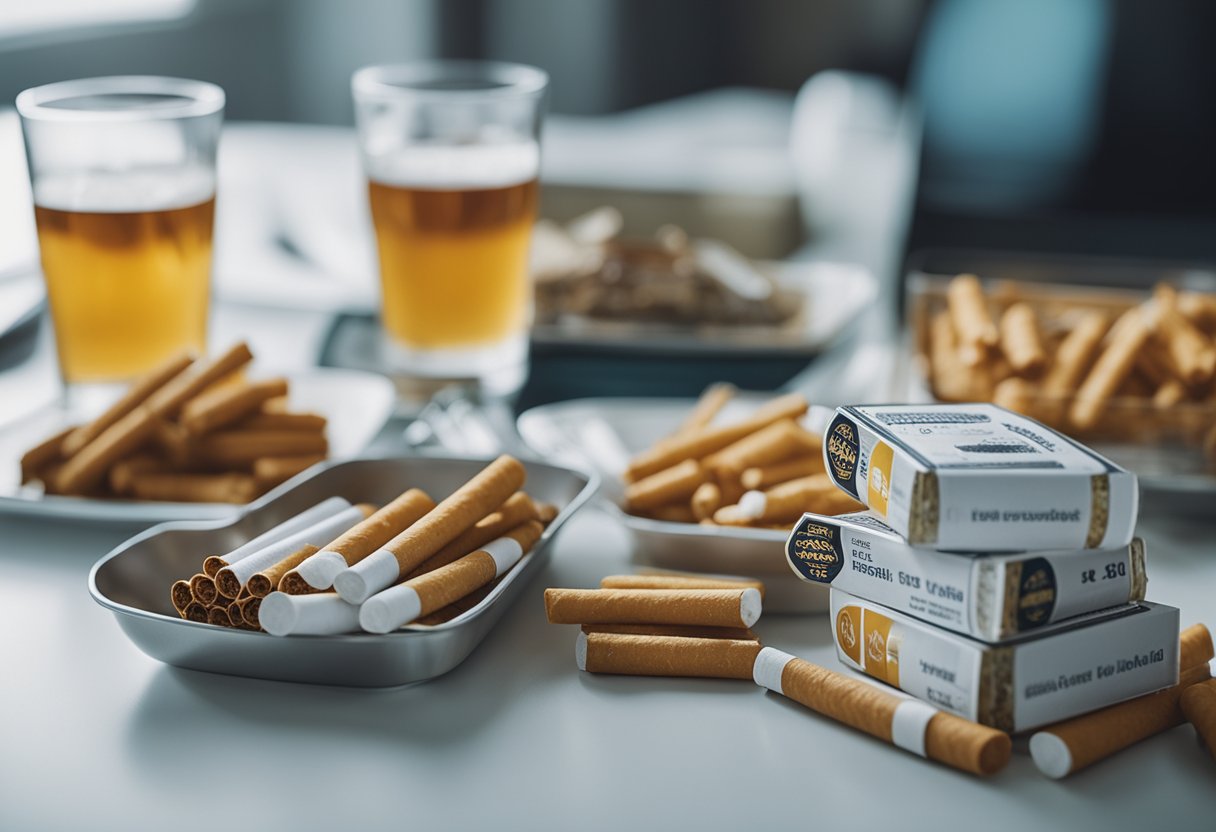
As cancer survivors, we understand the emotional and physical toll that cancer can take on our lives. We know that the journey to survivorship is not easy, and it requires a lot of hard work and dedication.
One of our biggest challenges is the temptation to fall back into old habits that can destroy our lifestyle and jeopardize our health.
It’s important to understand that cancer survivorship is a lifelong journey, and the choices we make every day can have a significant impact on our health and well-being. Lifestyle choices such as physical activity, nutrition, and coping strategies can help us manage the physical and emotional challenges of survivorship and reduce the risk of cancer recurrence.
On the other hand, unhealthy habits such as smoking, excessive alcohol consumption, and poor diet can increase our risk of cancer and other chronic diseases.
As cancer survivors, we have a unique opportunity to take control of our health and well-being and make the most of our second chance at life. By staying committed to a healthy lifestyle and seeking the support and resources we need, we can overcome the temptations that threaten our journey to survivorship.
Key Takeaways
- Cancer survivorship is a lifelong journey that requires dedication and hard work.
- Lifestyle choices such as physical activity and nutrition can help manage survivorship’s physical and emotional challenges.
- Unhealthy habits such as smoking and poor diet can increase the risk of cancer and other chronic diseases.
Understanding Cancer and Survivorship

Cancer is a condition in which cells divide abnormally and uncontrollably, causing damage to body tissues. The disease can originate from any part of the body and spread to other areas through the bloodstream or lymphatic system. It is a major global public health concern and remains one of the leading causes of death.
Surviving cancer is a significant accomplishment, but it can also be a challenging experience. Cancer survivors often face physical, emotional, and social challenges that can affect their quality of life. The National Cancer Survivorship Resource Center defines cancer survivorship as “the experience of living with, through, and beyond cancer.” Survivorship begins at the time of diagnosis and continues throughout the rest of a person’s life.
Cancer survivorship programs aim to improve the quality of life for cancer survivors by addressing their physical, emotional, and social needs. These programs provide support and resources to help survivors cope with the challenges of survivorship.
It is important to note that cancer survivorship is not just about medical treatment. Survivorship is also about living a healthy and fulfilling life after cancer. Adopting healthy lifestyle behaviors such as regular physical activity, a healthy diet, and avoiding tobacco can help reduce the risk of cancer recurrence and improve overall health.
Cancer survivorship is a complex and challenging experience that requires support and resources to help survivors cope with the physical, emotional, and social challenges of survivorship. Survivorship programs and healthy lifestyle behaviors can help improve the quality of life for cancer survivors.
The Impact of Lifestyle Choices
As cancer survivors, we understand the importance of lifestyle choices in preventing cancer recurrence and improving overall health. Our lifestyle choices can have a significant impact on our risk of developing cancer and our ability to recover from it.
Healthy lifestyle choices, such as regular exercise, a balanced diet, and not smoking, can reduce the risk of cancer and improve our chances of survival. Lifestyle changes, such as losing weight, reducing alcohol consumption, and managing stress, can also positively impact our health and well-being.
Lifestyle factors, including diet, physical activity, and stress management, can affect our body’s ability to fight cancer and recover from treatment. For example, a diet high in fruits, vegetables, and whole grains can provide the nutrients and antioxidants our body needs to maintain a healthy immune system and fight cancer cells.
Lifestyle recommendations and interventions can also help us make positive changes to our lifestyle and improve our health. These may include working with a nutritionist to develop a healthy eating plan, participating in a physical activity program, or attending support groups to manage stress and anxiety.
Our lifestyle choices can have a significant impact on our health and well-being as cancer survivors. By making healthy choices and following lifestyle recommendations and interventions, we can reduce our risk of cancer recurrence and improve our overall quality of life.
Physical Activity and Cancer Survivorship
Regular physical activity is associated with a lower risk of death, all-cause mortality, cancer recurrence, and several chronic diseases, including type 2 diabetes and cardiovascular disease, common comorbid conditions in people who have survived cancer. As cancer survivors, we must prioritize physical activity to maintain our health and improve our quality of life.
According to the Cancer Trends Progress Report, in 2020, 35.5% of cancer survivors aged 18 years and older reported no physical activity in their leisure time. This is concerning because physical activity can help us cope with the side effects of treatment and possibly decrease our risk of new cancers in the future.
The American Cancer Society recommends that cancer survivors aim for at least 150 minutes of moderate-intensity or 75 minutes of vigorous-intensity aerobic physical activity spread over at least three days per week. Resistance training exercises at least two days per week are also recommended to improve muscular strength and endurance.
It’s important to note that physical activity guidelines for cancer survivors may vary depending on the type of cancer, treatment received, and overall health status. Therefore, consulting with a healthcare provider before starting or changing a physical activity routine is essential.
Incorporating physical activity into our daily routine can be challenging, especially during cancer treatment and recovery. However, even small amounts of physical activity can provide benefits. Walking, gardening, and yoga are low-impact activities that can easily be incorporated into our daily routine.
Physical activity is crucial for cancer survivorship. Following physical activity guidelines and incorporating physical activity into our daily routine can improve our overall health and quality of life.
Nutrition and Weight Management

Maintaining a healthy weight is crucial for cancer survivors. Being overweight or obese can increase the risk of cancer recurrence and other health problems. Therefore, we must focus on proper nutrition and weight management to improve our health and well-being.
A balanced diet that includes a variety of vegetables, fruits, lean proteins, and whole grains is essential for maintaining a healthy weight. We should aim to consume at least five servings of fruits and vegetables daily. These foods are low in calories and high in nutrients, which can help us maintain a healthy weight.
Limiting our intake of processed foods, sugary drinks, and high-fat foods is also essential. These foods are often high in calories and low in nutrients, which can lead to weight gain and other health problems.
In addition to eating a healthy diet, we should focus on physical activity to maintain a healthy weight. Regular exercise can help us burn calories, build muscle, and improve our health. We should aim for at least 30 minutes of moderate-intensity exercise most days of the week.
If we need to lose weight, we should aim to do so gradually by making small, sustainable changes to our diet and lifestyle. Crash diets and fad diets are not recommended, as they can be harmful to our health and lead to weight regain.
Proper nutrition and weight management are essential for cancer survivors. Eating a healthy diet, engaging in regular physical activity, and maintaining a healthy weight can improve our overall health and reduce the risk of cancer recurrence and other health problems.
Coping and Psychosocial Support
As cancer survivors, we understand the importance of coping strategies and psychosocial support in managing the challenges that come with cancer survivorship. Coping strategies can help us deal with the physical, emotional, and social effects of cancer and its treatment. Psychosocial support can provide emotional and practical support and help us maintain a positive outlook on life.
There are various coping strategies that we can use to manage the challenges of cancer survivorship. Some of these strategies include:
- Seeking social support: Talking to family, friends, and support groups can help us feel less isolated and more connected to others who understand what we are going through.
- Practicing relaxation techniques: Techniques such as deep breathing, meditation, and yoga can help us manage stress and anxiety.
- Engaging in physical activity: Exercise can help us maintain physical health, improve mood, and reduce stress.
- Maintaining a positive outlook: Staying optimistic and having a sense of humor can help us maintain a positive outlook on life, even in the face of adversity.
- Seeking professional help: Talking to a mental health professional can help us manage our emotions and develop coping strategies that work for us.
Psychosocial support can also be an essential part of cancer survivorship. This support can come from a variety of sources, including:
- Healthcare providers: Our healthcare providers can inform us about our treatment options and emotional support throughout our cancer journey.
- Support groups: Support groups can provide us with a sense of community and understanding, as well as practical advice on managing the challenges of cancer survivorship.
- Family and friends: Our loved ones can provide us with emotional support, help us with daily tasks, and give us a sense of normalcy.
Coping strategies and psychosocial support are important aspects of cancer survivorship. By utilizing these strategies and seeking support, we can manage the challenges of cancer survivorship and maintain a positive outlook on life.
Clinical Management and Follow-Up Care
After completing primary cancer treatment, survivors require follow-up care to manage their health and well-being. The follow-up care should include a comprehensive assessment of the patient’s physical and psychosocial health, screening for second primary cancers, and surveillance for cancer recurrence.
Clinical recommendations for follow-up care of cancer survivors have been developed to guide healthcare providers in providing optimal patient care.
Survivorship care plans (SCPs) are an essential component of follow-up care. SCPs summarize the patient’s cancer treatment, including the type of cancer, stage, and treatment received. SCPs also include a follow-up plan that outlines the recommended schedule for medical surveillance and screening for late effects of cancer treatment. The American Cancer Society (ACS) has developed survivorship care guidelines that address assessing and managing physical and psychosocial long-term and late effects of cancer and its treatment, health promotion, and care coordination.
Assessing adherence to ongoing treatment is also crucial in follow-up care. Providers should also assess for sequelae of local-regional and systemic treatment. Patients who experience adverse effects of cancer treatment, such as neuropathy, fatigue, or cognitive impairment, require appropriate management and support.
Care coordination is an essential aspect of follow-up care. Providers should communicate with other healthcare providers involved in the patient’s care to ensure that the patient receives comprehensive care. Patients who require ongoing medical care, such as those with chronic pain or lymphedema, may benefit from referral to a specialist.
Impact of Specific Cancer Types

Different cancer types can impact an individual’s lifestyle and survivorship. Here are some examples of specific cancer types and their potential impact:
Colorectal Cancer
Colorectal cancer survivors may experience bowel and bladder dysfunction, sexual dysfunction, and fatigue. Survivors may also face challenges related to nutrition and digestion. Treatment for colorectal cancer can also affect a survivor’s quality of life due to the need for a colostomy bag or other surgical interventions.
Lung Cancer
Lung cancer survivors may experience shortness of breath, fatigue, and coughing. Survivors may also face challenges related to nutrition and physical activity due to the impact of treatment on lung function. Emotional and psychological changes such as anxiety and depression are also common.
Prostate Cancer
Prostate cancer survivors may experience sexual dysfunction, urinary incontinence, and fatigue. Survivors may also face challenges related to bowel function and changes in body image. Treatment for prostate cancer can also affect a survivor’s emotional and psychological well-being.
Endometrial Cancer
Endometrial cancer survivors may experience sexual dysfunction, fatigue, and changes in bowel function. Survivors may also face challenges related to body image and self-esteem due to the impact of treatment on reproductive organs. Emotional and psychological changes such as anxiety and depression are also common.
It is important to note that the impact of cancer on an individual’s lifestyle and survivorship can vary based on a variety of factors, including the stage of cancer, the specific treatment received, and the individual’s overall health and well-being. Survivors must work closely with their healthcare team to address challenges and develop a comprehensive survivorship plan that meets their unique needs.
Risks and Prevention of Cancer Recurrence

As cancer survivors, we understand the importance of preventing cancer recurrence. Cancer recurrence happens when cancer cells grow again after treatment. It can occur in the same place as the original cancer or a different part of the body.
Several factors increase the risk of cancer recurrence, including age, cancer stage, and comorbidities. Additionally, lifestyle behaviors such as poor nutrition, physical inactivity, and smoking can also increase the risk of cancer recurrence.
To prevent cancer recurrence, we should focus on maintaining a healthy lifestyle. This includes eating a balanced diet, exercising regularly, and avoiding tobacco products. The American Cancer Society recommends that cancer survivors follow the same nutrition guidelines as those recommended for cancer prevention.
Early detection is also essential in preventing cancer recurrence. We should continue getting regular check-ups and screenings as our healthcare provider recommends. This can help detect cancer recurrence early when it is most treatable.
In addition to preventing cancer recurrence, we should also be aware of the potential late effects of cancer treatment. Late effects are health problems that may occur months or years after cancer treatment. These can include physical, emotional, and cognitive issues.
It is also essential to manage any comorbidities we may have. Comorbidities are other health conditions that we may have in addition to cancer. Managing these conditions can help reduce the risk of noncancer deaths and improve overall health.
Maintaining a healthy lifestyle, getting regular check-ups and screenings, being aware of late effects, and managing comorbidities can reduce the risk of cancer recurrence and improve our overall health and well-being.
Final Thoughts…
Look, we have discussed the destructive nature of temptations in our lifestyle, especially in the context of cancer survivorship. We have seen how unhealthy habits such as smoking, excessive alcohol consumption, and poor diet can increase the risk of cancer recurrence and negatively impact our overall health.
As cancer survivors, we must be vigilant in maintaining a healthy lifestyle. This includes regular exercise, a balanced diet rich in fruits and vegetables, and avoiding harmful habits such as smoking and excessive alcohol consumption.
It is also essential to seek support from family, friends, and healthcare professionals. Cancer survivorship can be a challenging journey, and having a solid support system can make all the difference.
Remember, we are not alone in this journey. Many resources are available to us, including support groups, counseling services, and educational materials. By taking care of ourselves and seeking support when needed, we can live a fulfilling and healthy life after cancer.
Let us continue to make positive choices and strive towards a healthy lifestyle, free from the destructive nature of temptations. -T
Frequently Asked Questions
What are some typical lifestyle factors that can increase the risk of cancer recurrence?
Several lifestyle factors can increase the risk of cancer recurrence. These include smoking, excessive alcohol consumption, poor diet, lack of physical activity, and stress. Addressing these factors and making positive changes is crucial to reducing cancer recurrence risk.
What are some ways to maintain a healthy lifestyle after surviving cancer?
Maintaining a healthy lifestyle after surviving cancer is crucial for long-term health and well-being. Some ways to do this include eating a balanced and nutritious diet, engaging in regular physical activity, reducing stress, getting enough sleep, and avoiding unhealthy habits such as smoking and excessive alcohol consumption.
What are some common challenges cancer survivors face in maintaining a healthy lifestyle?
Cancer survivors may face several challenges in maintaining a healthy lifestyle. These can include physical limitations, fatigue, anxiety, depression, financial strain, and lack of social support. Addressing these challenges and seeking help when needed to maintain a healthy lifestyle is essential.
What are some common strategies for preventing cancer recurrence?
There are several strategies for preventing cancer recurrence, including regular medical check-ups, following a healthy lifestyle, taking prescribed medications, and participating in survivorship programs. Working with healthcare providers to develop a personalized plan for preventing cancer recurrence is vital.
What are some common long-term effects of cancer treatment on lifestyle?
Cancer treatment can have long-term effects on lifestyle, including physical, emotional, and social changes. These can include fatigue, pain, neuropathy, anxiety, depression, and changes in body image. Addressing these effects and seeking help to maintain a healthy and fulfilling lifestyle is crucial.
What resources are available for cancer survivors to help maintain a healthy lifestyle?
Several resources are available for cancer survivors to help maintain a healthy lifestyle. These can include survivorship programs, support groups, counseling services, exercise programs, and nutrition counseling. Exploring these resources and finding the ones that work best for individual needs and preferences is crucial.
