

Mastering Nutrition and Discipline

As a two-time male lymphoma cancer survivor, I have learned firsthand the importance of mastering survivorship. It’s not just about surviving the disease but also about thriving after treatment.
Survivorship begins at the time of diagnosis and continues throughout the rest of our lives. It’s a journey that requires discipline, education, and support from caregivers and loved ones.
One of the most critical components of survivorship is nutrition. A healthy and balanced diet can help manage disease and treatment side effects, boost the immune system, and improve overall well-being. However, it can be challenging to navigate the vast amount of information out there and determine what’s best for our individual needs. That’s why it’s essential to understand the role of nutrition in survivorship and seek guidance from healthcare professionals and registered dietitians.
Mastering survivorship also requires discipline and physical activity. Regular exercise can help reduce the risk of cancer recurrence, manage treatment side effects, and improve overall quality of life. However, it’s crucial to find an exercise routine that works for our individual needs and abilities and to approach physical activity with discipline and consistency.
Key Takeaways
- Survivorship is a journey that requires discipline, education, and support from caregivers and loved ones.
- Nutrition plays a critical role in survivorship, and seeking guidance from healthcare professionals and registered dietitians is essential.
- Regular exercise and approaching physical activity with discipline and consistency can improve overall quality of life.
Understanding Survivorship
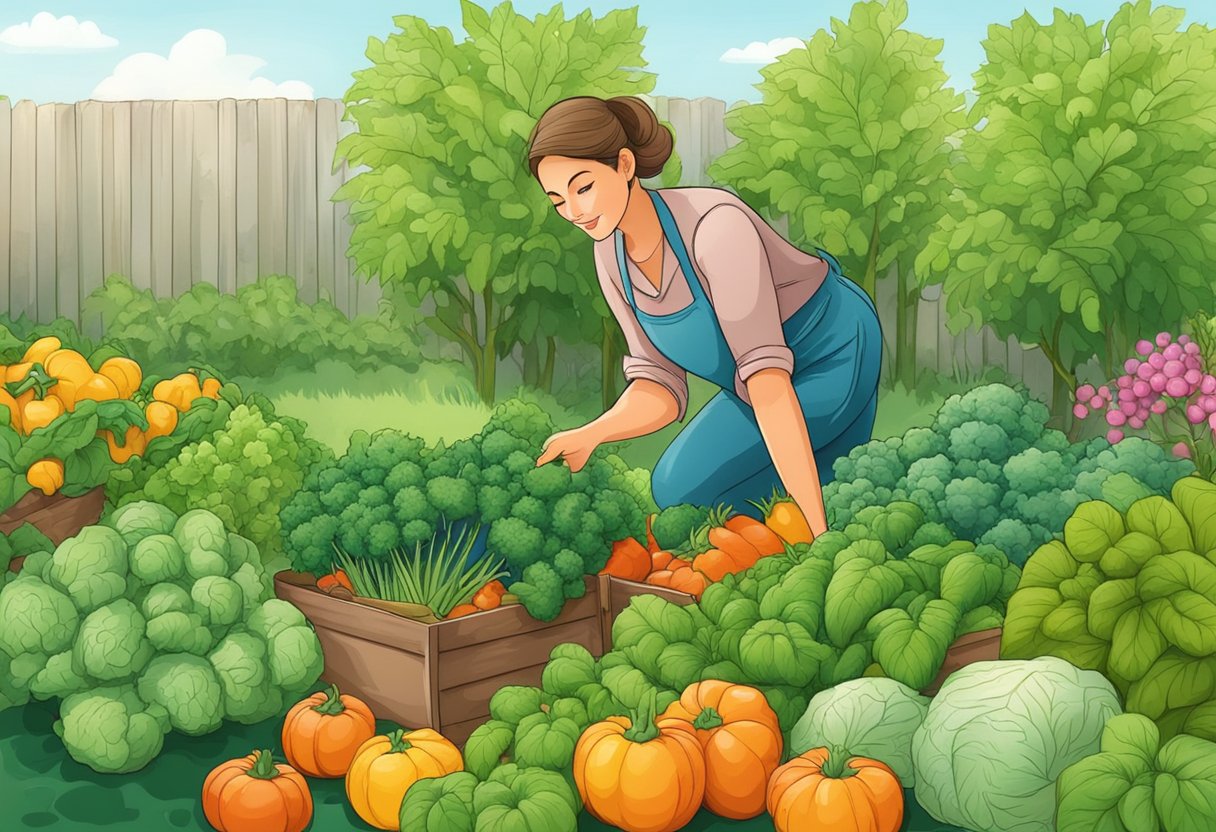
As a two-time male lymphoma cancer survivor, I understand the challenges and uncertainties of the journey of survivorship. Survivorship begins at diagnosis and continues throughout the individual’s life. It is a process that requires discipline, hope, and a strong will to live.
Survivorship is not just about surviving cancer. It is about living a good quality of life after cancer. Cancer survivors may face physical and emotional challenges, including fatigue, pain, anxiety, and depression. It is essential to understand that survivorship is not just about the absence of disease but also about the presence of well-being.
Nutrition plays a crucial role in survivorship. A healthy diet can help cancer survivors maintain their weight, boost their immune system, and reduce the risk of cancer recurrence. Eating a balanced diet that includes fruits, vegetables, whole grains, lean protein, and healthy fats is essential.
Discipline is also essential in survivorship. Cancer survivors must be disciplined in their lifestyle choices, including exercise, stress management, and avoiding unhealthy habits such as smoking and excessive alcohol consumption.
Survivorship is a journey that requires hope, determination, and a positive attitude. It is essential to stay connected with a support system, whether family, friends, or support groups.
The Role of Nutrition in Survivorship
As a two-time lymphoma cancer survivor, I know firsthand the importance of nutrition in survivorship. Eating a balanced diet and maintaining a healthy lifestyle can significantly impact our physical and emotional well-being.
Importance of a Balanced Diet
A balanced diet is essential for cancer survivors. It helps maintain a healthy weight, boosts the immune system, and reduces the risk of chronic diseases. Registered Dietitian Nutritionists (RDNs) can help develop personalized nutrition plans to meet each survivor’s unique needs.
Fruits and vegetables are rich in vitamins, minerals, and antioxidants that can help reduce inflammation and promote healing. Whole grains, lean proteins, and healthy fats are essential to a balanced diet.
Navigating Nutritional Challenges
Cancer treatments can cause a range of nutritional challenges, including loss of appetite, taste changes, and digestive issues. RDNs can guide how to manage these challenges and maintain proper nutrition.
Supplements may be helpful in some instances, but consulting with an RDN before taking any supplements is essential. Some supplements can interfere with cancer treatments or cause other health issues.
In addition to nutrition, maintaining a healthy lifestyle is also crucial for survivorship. Regular exercise, stress management, and enough sleep can all contribute to overall well-being.
Nutrition plays a vital role in survivorship. A balanced diet and healthy lifestyle can help improve physical and emotional health, reduce the risk of chronic diseases, and manage nutritional challenges. Working with an RDN can provide personalized guidance and support on the journey to survivorship.
The Importance of Discipline and Physical Activity
As a two-time male lymphoma cancer survivor, I know firsthand the importance of discipline and physical activity in survivorship. It takes discipline to maintain a healthy lifestyle, but the benefits are worth it.
Benefits of Regular Exercise
Regular exercise has numerous benefits for cancer survivors. According to a study published in the Journal of Cancer Survivorship, increasing physical activity can help prevent and treat many physical and mental health conditions experienced by cancer survivors. Exercise is safe, feasible, and effective for cancer survivors and can improve cardiovascular health, muscle strength, and overall quality of life.
Maintaining a Healthy Weight
Maintaining a healthy weight is crucial for cancer survivors. Being overweight or obese can increase the risk of cancer recurrence and other health problems. Exercise can help with weight management by burning calories and increasing muscle mass. It’s essential to find an exercise routine that works for you and stick with it.
Rowing is an excellent form of exercise for cancer survivors. It’s low-impact and can be done indoors or outdoors. Rowing can improve cardiovascular health, increase muscle strength, and help with weight management.
Discipline and physical activity are essential for cancer survivors. Regular exercise can improve physical and mental health and help with weight management. It takes discipline to maintain a healthy lifestyle, but the benefits are worth it.
Managing Disease and Treatment Side Effects
As a two-time lymphoma cancer survivor, I know firsthand how challenging it can be to manage the side effects of cancer treatment. Coping with cancer treatment is a complex and often overwhelming process, but there are ways to make it more manageable.
In this section, I will share some tips and strategies that have helped me manage cancer treatment’s side effects.
Coping with Cancer Treatment
Cancer treatment can cause various side effects, from fatigue and nausea to hair loss and skin problems. Coping with these side effects can be challenging, but there are things you can do to make it easier. Here are some strategies that have helped me:
- Stay hydrated: Drinking plenty of water can help flush toxins from your body and prevent dehydration, which can worsen side effects.
- Eat a healthy diet: Eating a balanced diet with plenty of fruits, vegetables, and whole grains can help to support your immune system and reduce side effects.
- Exercise regularly: Regular exercise can help to reduce fatigue, improve mood, and boost overall health during and after cancer treatment.
- Get enough rest: Getting enough rest is crucial for managing fatigue and other side effects. Try to get at least 7-8 hours of sleep each night.
- Seek support: Talking to friends, family, or a support group can help to reduce stress and provide emotional support during cancer treatment.
Preventing Cancer Recurrence
Preventing cancer recurrence is a top priority for many cancer survivors. While there is no guaranteed way to prevent cancer recurrence, there are steps you can take to reduce your risk. Here are some strategies that have worked for me:
- Follow your doctor’s recommendations: Your doctor will likely recommend regular check-ups, screenings, and other tests to monitor your health and detect any signs of recurrence.
- Maintain a healthy lifestyle: Eating a nutritious diet, exercising regularly, and avoiding tobacco and excessive alcohol consumption can help to reduce your risk of cancer recurrence.
- Manage stress: Stress can weaken the immune system and increase the risk of cancer recurrence. Finding ways to manage stress, such as meditation, yoga, or other relaxation techniques, can help reduce your risk.
- Consider complementary therapies: Some complementary therapies, such as acupuncture, massage, and yoga, may help to reduce stress and improve overall health during and after cancer treatment.
By taking a proactive approach to managing the side effects of cancer treatment and reducing the risk of cancer recurrence, you can improve your overall quality of life and increase your chances of long-term survival.
The Role of Caregivers and Support Networks
As a two-time male lymphoma cancer survivor, I know firsthand how important it is to have a strong support network and dedicated caregivers. Cancer treatment can be a long and challenging journey, and having the right people by your side can make all the difference.
Caregivers are crucial in helping cancer survivors manage their treatment and recovery. They provide emotional support, help with day-to-day tasks, and often act as advocates for the patient. Caregivers need to take care of themselves to continue providing the best possible care for their loved ones.
Interactive and free resources can be beneficial for both caregivers and survivors. The American Cancer Society offers a variety of resources for survivors and caregivers, including a Life After Treatment Guide and Survivorship Care Guidelines. These resources can provide valuable information on managing physical and emotional side effects and tips for maintaining a healthy lifestyle.
Support networks can also be a great source of comfort and encouragement for survivors. Whether through in-person support groups or online communities, connecting with others who have gone through similar experiences can help survivors feel less alone. It’s essential to find a support network that works for you, whether that’s through a formal organization or a group of friends and family.
Regarding cancer survivorship, the role of caregivers and support networks cannot be overstated. By working together and utilizing available resources, survivors and their caregivers can navigate the challenges of cancer treatment and recovery with greater ease and confidence.
Lifestyle Factors Impacting Survivorship
As a two-time male lymphoma cancer survivor, I know firsthand the importance of lifestyle factors in survivorship. Taking care of your body through proper nutrition and discipline can significantly impact your overall health and well-being. This section will discuss two critical lifestyle factors affecting survivorship: alcohol and tobacco use and managing diabetes and other health conditions.
Alcohol and Tobacco Use
Alcohol and tobacco use can have a severe impact on cancer survivors. Both have been linked to increased cancer risk and other medical comorbidities. According to a study published in the National Library of Medicine, engaging in these lifestyle behaviors is associated with an increased risk of new, additional cancers, whereas quitting smoking and alcohol consumption may reduce the risk of cancer recurrence.
If you are a cancer survivor, it is essential to avoid smoking and limit your alcohol consumption. Quitting smoking can be challenging, but resources like nicotine replacement therapy and support groups are available to help you stop. Restricting your alcohol consumption to no more than one drink per day for women and two drinks per day for men can also positively impact your overall health.
Managing Diabetes and Other Health Conditions
Managing diabetes and other health conditions is critical for cancer survivors. According to the American Cancer Society, cancer survivors may experience physical and psychosocial long-term and late effects of cancer and its treatment. These effects include diabetes, heart disease, and other chronic health conditions.
If you have diabetes or other health conditions, working with your healthcare provider to manage them effectively is essential. This may include making dietary changes, taking medications, and engaging in physical activity. Proper management of these conditions can help improve your overall health and reduce the risk of cancer recurrence.
Lifestyle factors such as alcohol and tobacco use and managing diabetes and other health conditions can significantly impact survivorship. Changing your lifestyle and working with your healthcare provider can improve your overall health and reduce the risk of cancer recurrence.
Mastering Survivorship: Education and Training

As a two-time male lymphoma cancer survivor, I know firsthand the importance of education and training when mastering survivorship. It is crucial to have the knowledge and resources to maintain a healthy lifestyle and manage potential health risks.
The Role of Registered Dietitian Nutritionists
One of the critical components of survivorship is proper nutrition. Registered Dietitian Nutritionists (RDNs) are experts in this field and can provide personalized nutrition counseling to help survivors maintain a healthy diet. RDNs can also guide the management of any side effects of cancer treatment, such as nausea or loss of appetite.
During my cancer journey, I found RDNs to be an invaluable resource. They helped me understand the importance of proper nutrition and gave me practical tips on making healthy choices.
Available Resources and Tools
There are a variety of resources and tools available to survivors to help them master survivorship. These include online courses, support groups, and survivorship clinics.
One excellent resource is the Cancer Survivorship: Optimizing Care and Outcomes course offered by Harvard Medical School. This course targets medical professionals but is open to nurses, social workers, and other healthcare providers caring for cancer patients and survivors.
Another helpful tool is the Cancer Survivorship E-Learning Series for Primary Care Providers, offered by the National Cancer Institute. This online course provides primary care providers with the knowledge and skills to care for cancer survivors.
It is important to remember that survivorship is a journey, and education and training are essential to mastering it. By working with RDNs and utilizing available resources and tools, survivors can take control of their health and live their best lives.
Final Thoughts
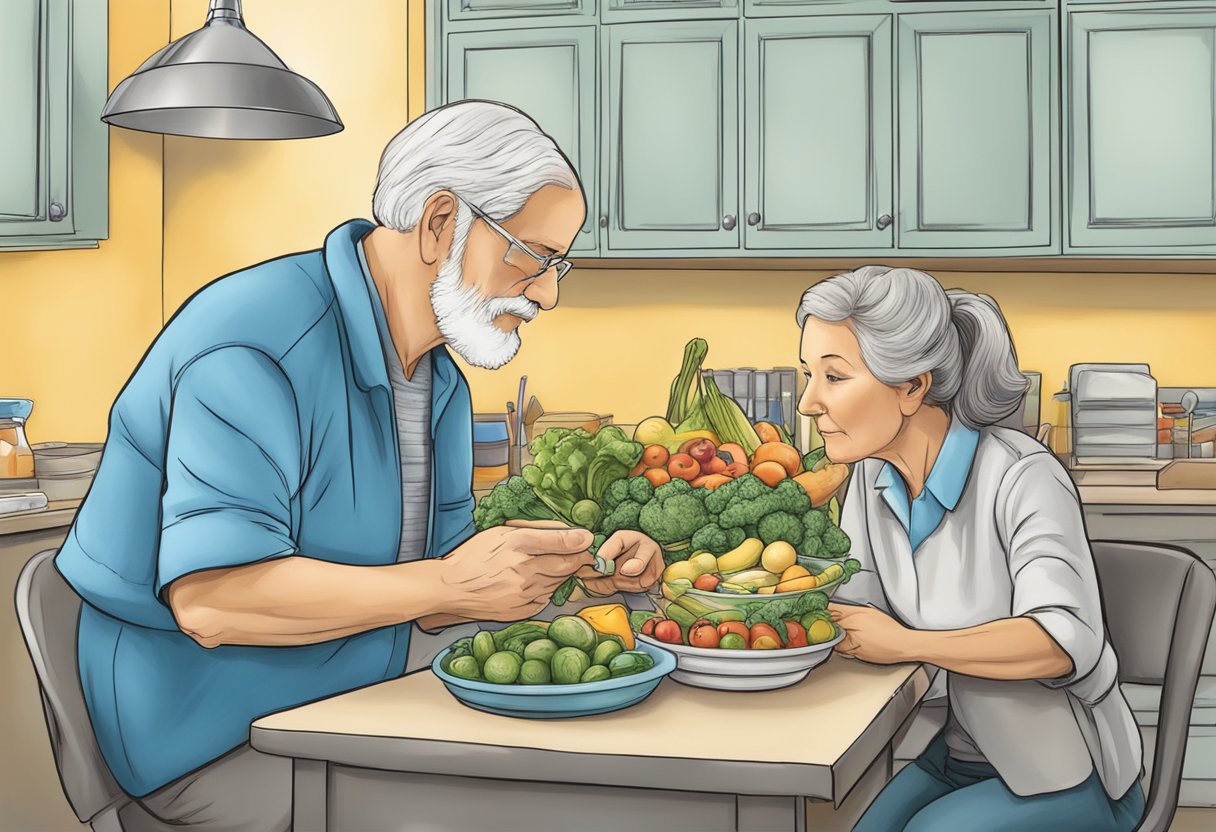
As a two-time male lymphoma cancer survivor, I know firsthand the importance of mastering nutrition and discipline during survivorship. It can be a challenging journey, but with the right mindset and tools, thriving and finding happiness is possible.
One of the keys to triumphant survivorship is focusing on what you can control. While cancer may have taken a lot away from us, we still have the power to choose what we put into our bodies and how we treat ourselves. By focusing on healthy nutrition and exercise, we can aid in our recovery and prevent future health issues.
It’s also essential to find joy in life after cancer. Whether spending time with loved ones, pursuing hobbies, or volunteering, finding happiness can be a powerful tool in our recovery.
Finally, I want to stress the importance of discipline. Sticking to a healthy diet or exercise routine is not always easy, but the benefits are worth it. We can achieve our goals and live our best lives by staying disciplined and focused.
Survivorship is a journey that requires focus, discipline, and a positive attitude. By taking care of ourselves and finding joy in life, we can overcome the challenges of cancer and thrive in our recovery. -T
Frequently Asked Questions
What are the most common barriers to maintaining a healthy diet?
From my experience, the most common barriers to maintaining a healthy diet are lack of knowledge, time, and access to healthy foods. Many people don’t know what constitutes a healthy diet, or they don’t have the time to plan and prepare nutritious meals. Additionally, some people may not have access to fresh fruits and vegetables due to location or financial constraints.
What are some strategies for overcoming barriers to healthy eating?
One strategy is to educate yourself on what constitutes a healthy diet and to plan your meals ahead of time. This can help you make better choices when you’re short on time or don’t have access to healthy foods. Another strategy is to find ways to make healthy eating more convenient, such as meal prepping or keeping healthy snacks on hand.
What are the key disciplines related to nutrition?
The key disciplines related to nutrition include understanding the basics of macronutrients (protein, carbohydrates, and fats), micronutrients (vitamins and minerals), and how they work together to fuel the body. Additionally, it’s important to understand portion control and how to read food labels to make informed choices.
How does discipline play a role in maintaining a healthy diet?
Discipline is crucial in maintaining a healthy diet because it allows you to make intentional choices about what you eat. Planning your meals, resisting temptation, and prioritizing your health over convenience or indulgence takes discipline. However, the field can become a habit and a natural part of your lifestyle with practice.
What are the benefits of a healthy nutritional diet?
A healthy nutritional diet has numerous benefits, including increased energy, improved mood, better sleep, and a reduced risk of chronic diseases such as diabetes, heart disease, and cancer. A healthy diet can help you maintain a healthy weight and improve your overall quality of life.
What are some of the biggest challenges Americans face when choosing healthy food?
Some of the biggest challenges Americans face when making healthy food choices include the prevalence of fast food and processed foods, the high cost of fresh fruits and vegetables, and the lack of education on nutrition. Additionally, busy schedules and limited access to healthy options can make it challenging to prioritize healthy eating.
