

Strategies and Insights
Facing cancer is one of the toughest challenges any man can encounter. As men who have battled lymphoma twice, we understand the extreme emotional and physical toll it takes.
Building a solid support system can make a significant difference in the journey of a male cancer survivor.
By surrounding ourselves with family, friends, and fellow survivors, we gain strength and encouragement that carry us through the most challenging times.
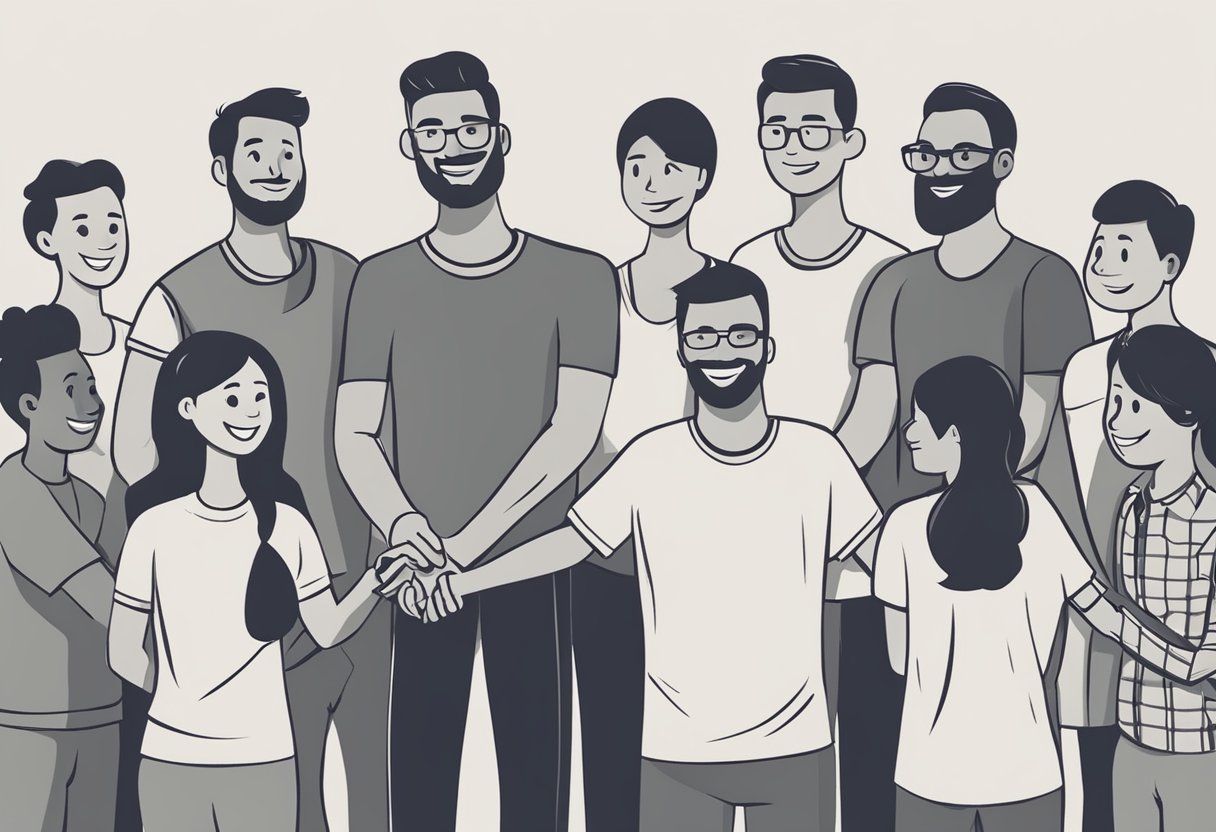
A cancer diagnosis impacts every part of our lives, from work and finances to daily routines and social connections.
We know that managing these stresses requires practical solutions and unwavering support.
Creating a network of people who can offer practical advice and emotional support is crucial in helping us navigate the complexities of treatment and recovery.
Making lifestyle adjustments also plays a significant role in our survivorship.
Adopting healthier habits and staying positive can improve our quality of life.
Psychosocial support is essential in dealing with the emotional aspects of cancer, such as feeling self-conscious about physical changes.
We can enhance our long-term survivorship and well-being by focusing on these areas and building a robust support network.
Key Takeaways
- Creating a support network provides emotional strength and encouragement.
- Cancer impacts various aspects of a man’s life, necessitating practical and emotional support.
- Lifestyle adjustments and a focus on psychosocial health enhance long-term survivorship and quality of life.
Understanding Cancer and its Impact on Men
Cancer uniquely impacts men, profoundly affecting both physical and emotional well-being.
Having twice survived lymphoma, I’ve seen firsthand how crucial early detection and a strong support system can be.
Physical and Emotional Challenges
Living with cancer brings many physical challenges.
Treatments like chemotherapy and radiation often cause fatigue, nausea, and weight changes.
We may also face severe conditions like “erectile dysfunction” and hormonal imbalances, which can affect our self-esteem and relationships.
Emotionally, the journey is equally taxing. Fear, anxiety, and depression are familiar companions.
We must seek emotional support through professional counseling or connecting with fellow survivors.
Sharing experiences can lighten the emotional load, giving us strength to confront daily struggles.
The Role of Early Detection and Treatment
Early detection of cancer dramatically influences treatment outcomes.
When cancer is found early, treatments are often more effective and less invasive.
Regular screening for common male cancers like prostate and testicular cancer is essential.
Medical advancements have made treatments more bearable and effective.
New therapies and surgical options offer hope, even in advanced stages.
It’s essential to stay informed about the latest treatments and discuss them with our healthcare providers.
This empowers us to make educated decisions about our health.
As survivors, we must prioritize our medical check-ups and maintain open communication with our doctors. Early detection can be lifesaving, significantly impacting our survival and quality of life.
Creating a Robust Support Network
Nurturing connections with family, friends, and fellow survivors has given us strength and encouragement. A well-rounded network can also involve healthcare professionals and caregivers offering diverse support.
The Importance of Social Support
Surviving lymphoma twice taught us the power of social connections.
Engaging family and friends in our cancer journey often made a big difference.
They provided not just emotional support but practical help as well.
From offering rides to appointments to cooking meals, their involvement lightened our load during tough times.
Active participation in community activities also made coping easier.
Whether joining a local sports league or meeting friends at a gym, staying involved kept our spirits high.
Fostering a network of support is much like building a winning sports team, where each member plays a role in ensuring success.
Moreover, healthcare professionals are invaluable in our support network.
Regular consultations with doctors, nurses, and counselors gave us the medical advice and emotional sustenance necessary for navigating cancer treatment.
Their guidance helped us better understand our health and feel less isolated.
Engaging with Cancer Support Organizations
Connecting with cancer support organizations can significantly bolster our emotional and psychological well-being.
These groups offer specialized programs and resources tailored to male cancer survivors.
Engaging with organizations like the American Cancer Society allowed us to share our experiences with fellow survivors and receive practical advice.
Online platforms also played a pivotal role.
Forums and discussion boards offered a space to connect with others who faced similar challenges.
Through virtual support, we learned coping strategies and gained valuable insights.
Platforms available 24/7 ensured that we had support whenever we needed it.
Support groups specifically for men can address unique challenges related to male cancer survivors.
These groups often include discussions on how to manage the psychological and social effects of cancer and offer a safe space to share our thoughts.
Involvement in these groups provided a sense of community and reduced feelings of isolation.
Lastly, the help of trained caregivers cannot be overstated.
Whether they are professionals or loved ones, their continuous support made our journey more manageable.
They provided the physical, emotional, and logistical help we needed, giving us more time to focus on recovery and well-being.
Navigating Work and Financial Stress
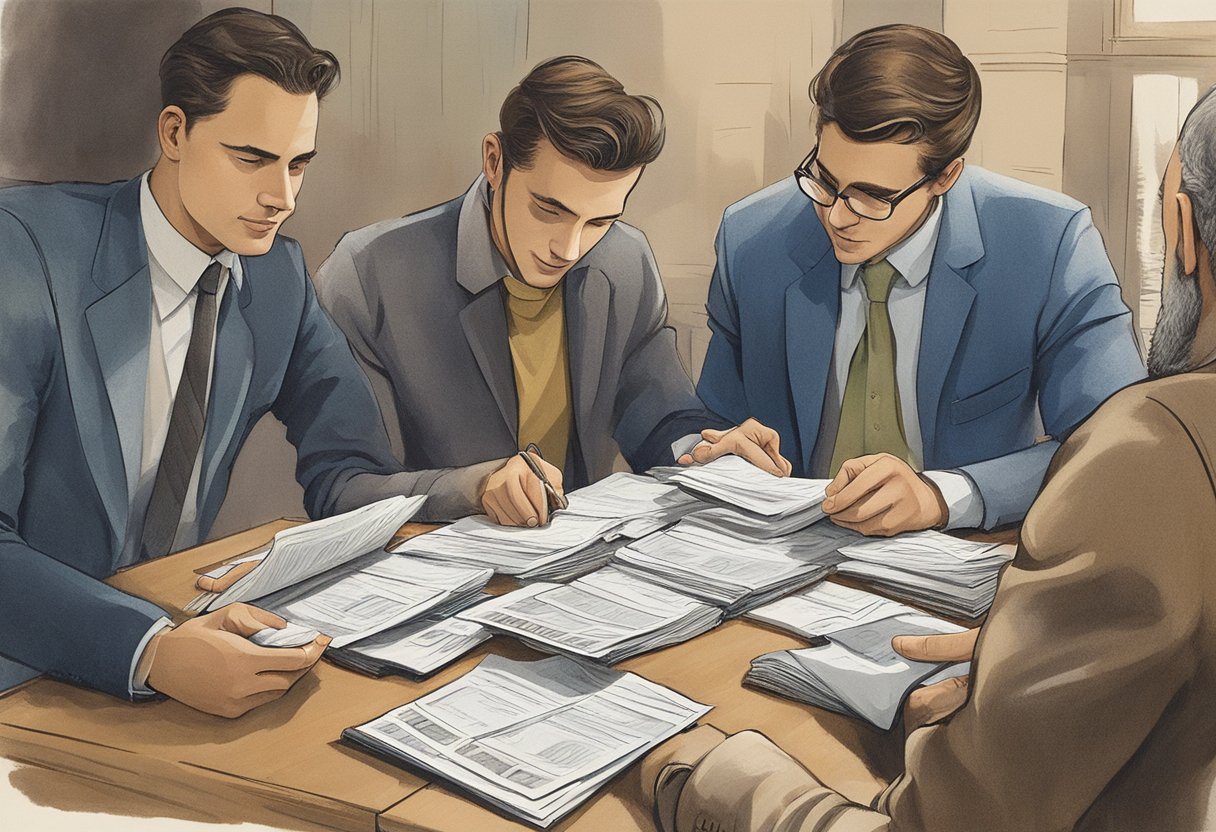
Managing work and financial stress during and after cancer treatment can be incredibly challenging. We focus on building job stability and understanding financial support options to help reduce anxiety.
Maintaining Employment During and After Treatment
Balancing work and cancer treatment requires thoughtful planning.
We must communicate openly with our employers about our condition and treatment schedule.
Some may continue working during treatment if feasible, while others may need extended leave.
Flexible work arrangements can be crucial, allowing us to work remotely or adjust our hours.
Job stability often depends on disability insurance and family leave policies.
It’s vital to explore short-term and long-term disability options through our employers.
Strengthening family leave policies significantly supports those balancing work with treatments or recovery.
By understanding these options, we can make informed decisions about our work life without compromising our health.
Financial Counseling and Support
Cancer treatments can impose substantial financial burdens.
Financial counseling services help us navigate these challenges.
They can assist in organizing our finances, understanding medical bills, and negotiating with insurance providers.
Financial navigation programs are beneficial.
They assess our financial risks and offer personalized cost guidance throughout our treatment journey.
It’s essential to seek financial counseling early.
This support can prevent stress from snowballing and identify potential assistance programs.
Targeted resources, such as non-profit organizations and hospital social workers, provide additional aid.
We should not hesitate to reach out for this help, ensuring we focus on recovery without the added strain of financial worries.
Lifestyle Adjustments for Recovery and Growth

Making lifestyle adjustments after surviving cancer can significantly boost recovery and provide a path to overall wellness. Our focus should be on physical activity and proper nutrition, which can be crucial in our journey.
Physical Activity and Rehabilitation
Engaging in regular physical activity can help us regain strength and reduce fatigue.
Activities like walking, swimming, and cycling offer great benefits without putting too much strain on the body.
These exercises help rebuild muscle strength, improve cardiovascular health, and boost mood.
Many cancer survivors deal with reduced mobility.
Physical therapy can aid in rehabilitation by providing tailored exercises.
This support helps restore function and alleviate pain.
It’s essential to listen to our bodies and not push too hard, as overexertion can lead to setbacks.
A holistic approach to recovery, including yoga and meditation, can also be beneficial.
These practices help manage stress, enhance flexibility, and improve mental well-being.
We can maintain a balanced and enjoyable exercise routine by incorporating varied activities.
Nutritional Needs and Dietary Changes
Adjusting our diet is vital for recovery.
Nutrient-rich foods can support healing and boost energy levels.
We should prioritize a diet high in fruits, vegetables, whole grains, and lean proteins. Avoiding processed foods and sugar is also beneficial.
Consuming foods rich in antioxidants, like berries and nuts, can support our immune system.
Hydration is another key aspect; drinking plenty of water aids digestion and keeps our energy up.
For those of us who experience appetite loss, small and frequent meals might be more manageable.
It’s wise to consult a dietitian who specializes in cancer recovery.
They can create a personalized plan that addresses our unique nutritional needs.
Keeping track of dietary changes and how they impact our well-being will help us adjust as needed.
Proper nutrition supports overall health and quality of life as we continue our recovery journey.
Psychological Aspects of Survivorship
Creating and nurturing a support network of family, friends, and fellow survivors can provide emotional strength and encouragement for male cancer survivors. This section addresses vital psychological challenges and offers solutions.
Addressing Anxiety and Depression
Facing cancer can leave us grappling with anxiety and depression. It’s common to feel overwhelmed by worries about recurrence or lingering health concerns.
We often find ourselves questioning our future. These feelings can interfere with daily life and relationships.
To manage anxiety, we should maintain open communication with our healthcare team. They can monitor our mental well-being and recommend strategies or medications if necessary.
Exercise can be a powerful tool. Regular physical activity like walking or swimming helps reduce stress and improve mood.
We can also benefit from joining support groups. Talking with others who understand our experiences provides comfort and reduces feelings of isolation.
Utilizing Counseling and Therapy
Formal counseling and therapy are valuable for our mental health. Speaking with a licensed therapist allows us to explore our feelings safely.
Therapists can guide us in developing coping strategies tailored to our needs.
We might consider cognitive-behavioral therapy (CBT). CBT helps us identify negative thought patterns and replace them with healthier ones. It’s effective in managing symptoms of depression and anxiety.
Family therapy can also be beneficial. Our loved ones might struggle with the emotional toll of our illness, too. In family therapy, we work together to strengthen relationships and improve communication.
Lastly, mindfulness and meditation practices offer tools to manage stress. These practices help us stay grounded and present, reducing anxiety about the future.
Advancements in Cancer Treatment and Care
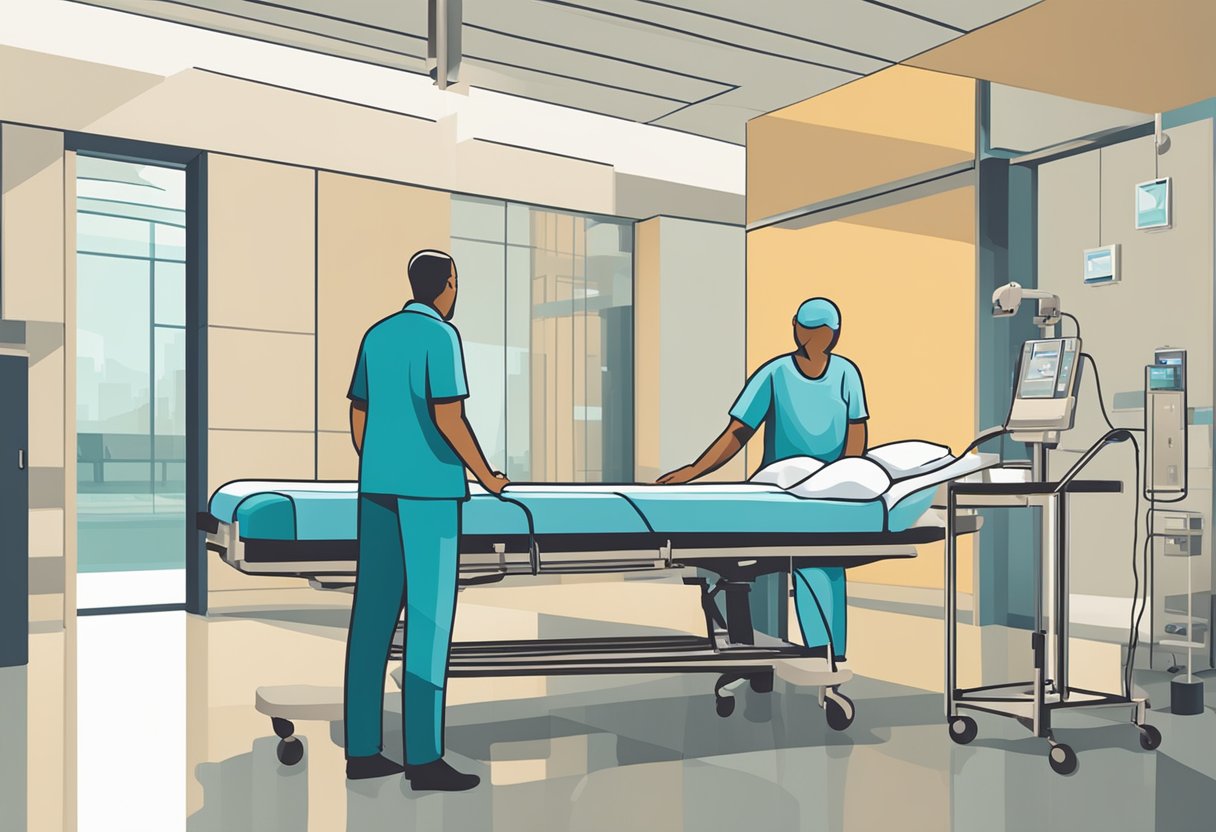
As male cancer survivors, staying informed about advancements in treatment and care can help us navigate our journey. Let’s explore critical innovations and supportive therapies that improve outcomes.
Innovations in Cancer Care
Precision medicine tailors treatment to the unique genetic makeup of our tumors. This innovation improves clinical outcomes by targeting specific cancer cells while sparing healthy tissue.
We’ve seen progress in immunotherapy, where our bodies’ immune systems are harnessed to fight cancer. Drugs like checkpoint inhibitors activate our immune cells to attack tumors more effectively.
One promising development is CAR T-cell therapy. This treatment modifies our T-cells to recognize better and destroy cancerous cells.
The National Cancer Institute supports research into these innovative techniques, leading to improved survival rates.
Early detection methods, including advanced imaging and blood tests, also improve disease management.
Palliative and Supportive Treatments
Palliative care is crucial in managing symptoms and improving our quality of life. This approach focuses on relieving pain, nausea, and fatigue.
Integrative treatments like acupuncture, massage, and nutrition therapy help manage the side effects of cancer treatments. The American Cancer Society offers resources on these supportive therapies.
Supportive treatments are essential during and after treatment. Counseling and support groups provide emotional support, helping us cope with the challenges of survivorship.
Exercise programs tailored to our abilities can enhance physical strength and mental well-being. By combining these supportive treatments with medical care, we can maintain a better quality of life while fighting cancer.
Long-Term Survivorship and Quality of Life

As male cancer survivors, we must continuously monitor and manage long-term effects while also working to enhance our overall quality of life. This involves both physical and emotional well-being, as well as personal growth and the use of survivorship care plans.
Monitoring and Managing Long-term Effects
Long-term side effects from cancer treatment can persist for years. Common issues include fatigue, pain, and cognitive changes.
Regular check-ups are necessary to detect these problems before they become severe.
Survivorship care plans are helpful tools. They detail our medical history and guide follow-up care. This helps us and our healthcare providers focus on specific needs.
Monitoring emotional well-being is just as crucial. Depression and anxiety are common among male cancer survivors. Participating in support groups or therapy can provide the psychological support we need.
Enhancing Quality of Life
Enhancing our quality of life involves addressing not just physical health but also emotional and social aspects.
Building a robust support network with family, friends, and fellow survivors can give us strength and encouragement.
Personal growth can be a silver lining. Engaging in hobbies, physical activities, and new interests can foster this.
Exercise can benefit both body and mind. We should aim for regular, manageable physical activity.
Using a survivorship care plan helps us stay on track. It can also help us set goals for improving our daily lives.
Whether it’s through adjusting diet, adopting new routines, or seeking occupational therapy, we find ways to thrive long-term.
For more information about national cancer survivorship standards, visit the article on developing national cancer survivorship standards.
Final Thoughts
Creating and nurturing a support network of family, friends, and fellow survivors can provide emotional strength and encouragement. As someone who has survived lymphoma cancer twice, I know how vital a support system can be.
Men often face unique challenges when dealing with cancer. It’s okay to seek help and talk about our feelings. Sharing our experiences can make a big difference.
Connecting with other survivors can offer comfort and practical advice. Peer support groups allow us to share stories and cope with our journey. Explore options like professional psychosocial care or peer support programs.
Maintaining physical activity can uplift our spirits and improve our well-being. Whether through sports, gym workouts, or walking, staying active can help us feel more vital.
Our emotional health is just as crucial as our physical health. Self-care and mindfulness practices can aid in managing stress and anxiety.
Remember, you are not alone. Every step we take is a testament to our strength and resilience. -T
Frequently Asked Questions
Creating and nurturing a support network of family, friends, and fellow survivors can provide emotional strength and encouragement.
What services are available for psychological support for male cancer survivors?
Services for psychological support can range from individual counseling to group therapy. The American Cancer Society offers resources for emotional and psychological care. Hospitals often have dedicated staff to guide survivors through these options.
Where can families of male cancer patients find emotional support resources?
Families can find resources through hospitals, local nonprofit organizations, and online communities. The American Cancer Society provides information and referrals to support groups and family counseling services.
How can male cancer survivors locate local survivor support groups?
Many hospitals and cancer treatment centers host survivor support groups. Websites like the Mayo Clinic often list local support groups. You can also check with local community centers or cancer-focused nonprofits.
What are the most effective ways to support a male cancer survivor?
Listening and offering a shoulder to lean on can be incredibly helpful. Encourage engagement in social activities. Suggest joining support groups or seeking professional counseling. Practical help is valuable, like driving to appointments or assisting with daily tasks.
Are there any organizations dedicated to providing financial assistance to male cancer survivors?
Organizations like the American Cancer Society and CancerCare offer financial assistance programs. They can help with treatment costs, travel expenses, and other financial burdens during and after treatment.
Can you find free counseling services for male cancer patients and their families?
Yes, many cancer support organizations offer free counseling services. The American Cancer Society and local hospitals often provide free or low-cost counseling.
Many online platforms also offer support groups and counseling at no charge.
