

Empowering Your Advocacy Journey
Surviving cancer is a journey of both challenge and resilience. As someone who has beaten lymphoma twice, I know firsthand the ups and downs that come with survivorship.
Asking questions and communicating openly with your healthcare team are crucial steps towards getting the support you need.
When I asked more questions and shared my feelings, I found it easier to navigate the uncertain path of post-treatment care.

Advocacy plays a vital role in the lives of cancer survivors. By speaking up and getting involved, we can help improve the quality of care for ourselves and others.
Patient advocacy has expanded to include self-advocacy, organizational efforts, and public policy advocacy. Through these channels, we can access resources, support systems, and important information that help us feel less alone in our journey.
Support networks are essential. Leaning on family, friends, and community organizations can make a huge difference.
The National Coalition for Cancer Survivorship (NCCS) has advocated for quality cancer care for all Americans at the federal level, empowering us to take charge of our health journey.
By building these connections, we create a robust support system that aids in our survivorship.
Key Takeaways
- Open communication with your healthcare team ensures better care and support.
- Advocacy helps improve quality care for all cancer survivors.
- Support networks are essential in the survivorship journey.
Understanding Cancer and Survivorship
I’ve faced cancer twice and know firsthand the journey that comes with a cancer diagnosis and survivorship. Through my experiences, I’ve learned much about the types and stages of cancer and the value of early screening and diagnosis.
Types and Stages of Cancer
Cancer can take many forms, such as lymphoma, prostate, or lung cancer. Each type behaves differently and affects different parts of the body.
Knowing your cancer type is crucial for determining the best treatment plan.
Cancer is categorized into stages describing how much the cancer has spread.
For instance, Stage I cancer is usually localized and easier to treat, whereas Stage IV means it has spread to other parts of the body.
Understanding the type and stage of cancer helps guide treatment options, from surgery to chemotherapy or radiation.
Each stage has challenges, but knowing this information helps doctors develop a targeted treatment plan.
Being informed about your situation empowers you to ask the right questions and communicate openly with your healthcare team.
Importance of Early Screening and Diagnosis
Early screening and diagnosis can make a significant difference in treatment outcomes.
For men, regular screenings for cancers like prostate or colorectal can catch the disease early when it’s most treatable.
Early detection often means less aggressive treatment and better survival rates.
Symptoms might not always be apparent, so screenings are essential. Techniques like mammograms and PSA tests help catch cancer early.
Discussing these screenings with your doctor is a proactive step in your health journey.
In my experience, early screening provided a roadmap for my treatment, enabling quicker action. Staying vigilant about screenings and understanding potential symptoms can save lives.
For more detailed information, visit the American Cancer Society’s page on cancer advocacy and their resources on cancer survivorship.
Challenges Faced by Cancer Survivors
As a lymphoma cancer survivor, I have faced many challenges. Male cancer survivors, in particular, deal with a variety of physical and emotional issues that need careful attention and ongoing support.
Physical Health Concerns
Physical health is a significant concern for cancer survivors. Side effects from treatments can continue long after recovery.
For men, specific issues such as fertility and infertility can be challenging to face. Chemotherapy and radiation often leave lasting impacts such as pain, anemia, and heart problems.
Physical activity sometimes becomes a struggle due to fatigue and muscle weakness. Managing pain and dealing with lymphedema also requires persistent care.
I’ve experienced how even simple activities can be strenuous.
Survivors must frequently work closely with their healthcare teams to identify and manage these ongoing side effects.
Regular check-ups and honest communication with doctors are vital to maintaining a better quality of life.
Emotional and Social Support Needs
Emotional well-being is just as vital as physical health.
Survivors often feel isolated or misunderstood. Support from family, friends, and professional counselors makes a significant difference. Finding groups of other survivors can help lessen the feelings of loneliness.
I’ve had moments where emotional support was crucial. The burden of living with the risks and memories of cancer can weigh heavily.
Anxiety, depression, and stress are common among survivors, and they shouldn’t be ignored.
Healthy relationships and open conversations with loved ones contribute to better emotional health.
Programs and workshops tailored for cancer survivors provide meaningful ways to address these emotional challenges, allowing us to lead fulfilling lives.
The Role of Support Networks

Having robust support networks can play a crucial role in navigating the cancer survivorship journey. These networks can include family, friends, caregivers, professional support groups, and social workers who provide emotional and practical assistance.
Family, Friends, and Caregivers
Family and friends often form the backbone of a support network. They offer emotional support and practical help, such as transportation to medical appointments or assistance with daily tasks.
In my experience as a cancer survivor, having loved ones around made a huge difference in coping with treatments and maintaining a positive outlook.
Caregivers, whether family members or close friends offer daily support in more intimate ways, such as managing medications or preparing meals. They also provide a listening ear and emotional comfort, which are invaluable during tough times.
Their support can help alleviate the stress related to the illness, making it easier to focus on recovery and well-being.
This robust and personal connection often provides a sense of normalcy and security, helping me to navigate the complexities of survivorship.
Professional Support Groups and Social Workers
Professional support groups bring together individuals facing similar challenges. These groups create a space where survivors can share experiences, practical tips, and emotional resilience.
I found solace in being part of a community that truly understands the journey of cancer survivorship.
Social workers specialize in providing emotional and practical support. They connect patients with resources like counseling, medical information, and financial assistance.
In my battle against lymphoma, social workers were essential in guiding me through the maze of healthcare options.
By participating in a support group or seeking help from a social worker, I received guidance that complemented the support from my family and friends, making my journey smoother and more manageable.
Navigating Medical Care after Cancer Treatment

After finishing cancer treatment, it is essential to manage your health effectively to maintain the gains made. This includes keeping up with follow-up care and communicating openly with your healthcare providers.
Follow-Up Care and Monitoring
After completing cancer treatment, follow-up care is crucial to monitor health status.
Regular visits with the oncology team help detect any recurrence and manage side effects.
Scheduling frequent exams and tests helps keep track of any signs of cancer coming back.
These follow-up appointments might include blood tests, imaging tests, and physical exams.
Sticking to the follow-up schedule and attending all appointments allows for early detection of any resurgence.
It’s also essential to maintain a survivorship care plan. This plan provides a detailed summary of treatments and check-up schedules. It also advises on maintaining a healthy lifestyle and spotting symptoms early.
Communicating with Healthcare Providers
Effective communication with your healthcare team is key to receiving the best care.
Always feel free to ask questions about any symptom or concern.
Open discussions with your doctors can clarify treatment plans and follow-up care strategies.
Providing complete information about your health history helps doctors give precise advice.
Sharing your experiences and symptoms aids in managing the long-term effects of cancer treatments.
I found keeping a journal to track symptoms and questions between appointments helpful.
Bringing this journal to visits ensures nothing gets overlooked.
The better relationship you build with the care team, the better care you’ll receive. Clear communication creates a supportive environment throughout your survivorship journey.
Advocacy and Empowerment for Survivors
Feeling empowered and advocating for oneself can significantly enhance the quality of life for cancer survivors. Engaging in public policy efforts can also lead to systemic changes that benefit the wider survivor community.
Self-Advocacy and Personal Empowerment
As a two-time lymphoma survivor, I know the value of self-advocacy firsthand.
Asking questions and openly communicating with healthcare providers is crucial. Expressing needs and feelings ensures that care and support are aligned with individual preferences.
Resources like the Cancer Survivor’s Handbook help guide survivors on how to advocate for themselves effectively.
These guides offer practical advice on how to manage one’s health, which can be life-altering.
Engagement in self-advocacy empowers survivors to become active participants in their care. This not only boosts confidence but also leads to better health outcomes. Knowing what questions to ask and which resources to use can transform one’s survivorship journey.
Policy, Research, and Public Advocacy
Public advocacy plays a vital role in shaping policies that support cancer survivors.
Organizations like the National Coalition for Cancer Survivorship and the American Society of Clinical Oncology drive changes in public policy.
Their goal is to make survivorship care more comprehensive and accessible.
Supporting cancer research through advocacy can lead to better treatments and improved survivorship care.
Engaging in these efforts helps transform individual experiences into broader social changes.
This ensures future survivors benefit from advanced research.
Collaborating with institutions like the Institute of Medicine can further the survivorship movement.
They push for policies that endorse holistic and ongoing care for cancer survivors.
Public advocacy also draws attention to the unique challenges faced by men with cancer, making sure their specific needs are met.
Resources and Information
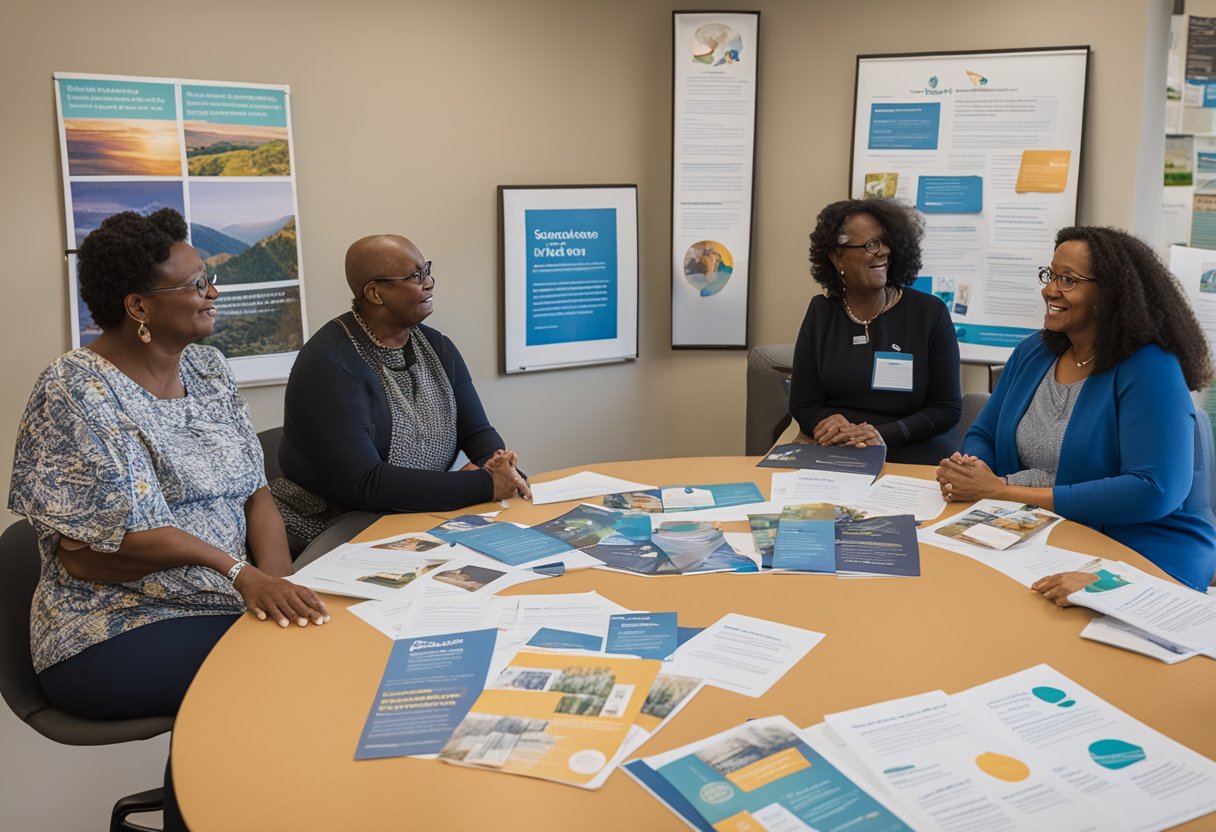
Finding accurate resources and understanding available options can help you navigate cancer survivorship.
For men who have survived cancer, knowledge and networks are essential.
Accessing Educational and Resource Material
When I first searched for materials, I found that online resources were handy.
Websites like the National Cancer Institute offer comprehensive guides and information about different types of cancer.
You can find the Cancer Survival Toolbox incredibly helpful.
This resource provides practical advice for managing cancer and its long-term effects.
If you’re looking for educational information, local hospitals often hold seminars.
These are usually led by oncology social workers who specialize in helping cancer survivors reintegrate into daily life.
Don’t hesitate to ask your healthcare team for recommendations on books or pamphlets.
You can also join support groups where seasoned survivors share real-life experiences and suggestions.
Participation in Clinical Trials
Clinical trials play a pivotal role in advancing cancer treatment.
I participated in one myself, and it was a game-changer.
These trials offer access to new treatments that are not yet widely available.
Websites like MDPI can help you find trials tailored explicitly to men with cancer.
Your oncology team can guide you through the eligibility criteria.
Participating in a trial often involves regular check-ups and detailed monitoring.
This means specialists will closely watch you, offering a layer of comfort and networking.
Ask about any risks and benefits before committing.
Sometimes, the trial may offer more personalized care than standard treatment protocols.
Clinical trials also provide valuable clinical information that contributes to medical research and benefits future survivors.
Financial and Workplace Considerations

Navigating work and managing financial challenges can be tricky after surviving cancer.
Below, I’ll share personal insights on dealing with employment and securing financial support.
Managing Employment and Career Post-Cancer
Staying active in your job after cancer can seem overwhelming.
I found that open communication with my employer made a big difference.
We could adjust my work schedule and responsibilities by talking about my needs.
Some employers offer flexible hours or remote work, which can help ease the transition back into the workforce.
The federal level offers protections, too.
The Americans with Disabilities Act (ADA) and the Family and Medical Leave Act (FMLA) can offer support if you’re worried about job security.
They provide rights to reasonable accommodations and job-protected leave, respectively.
Connecting with your HR department to know your rights and options is crucial.
Insurance and Financial Assistance Options
Health insurance played a massive role in my journey.
It covered many treatments, but gaps still existed.
Understanding different types of insurance and eligibility can help manage these costs.
Look for plans that cover a wide range of treatments and medications.
Some organizations and resources provide financial assistance.
The American Cancer Society offers guidance on managing financial hardship.
They connect you with support like co-pay assistance and grants.
These resources can lessen the financial burden, especially when treatment costs rise.
Creating a budget that includes all medical expenses, from co-pays to medication, ensures you’re financially prepared.
Talking with a financial counselor can also provide strategies tailored to your situation.
The Debate
When it comes to cancer survivorship advocacy, there is a lot of discussion.
Some believe that more aggressive advocacy efforts are needed to secure better care, while others feel that current efforts are sufficient.
I have survived lymphoma cancer twice. I understand both sides of the debate.
From my experience, asking questions and communicating openly with healthcare teams has been crucial.
Not everyone receives the same level of attention or care.
List of Concerns:
- Lack of personalized care
- Limited resources for men with cancer
- Inconsistencies in care quality across regions
Advocacy Challenges:
- Funding: Many organizations face financial hurdles.
- Awareness: Public knowledge about the importance of advocacy remains low.
- Systemic Barriers: Healthcare systems are often slow to adopt new practices.
Advocacy is not just about policy changes. It’s also about personal empowerment.
Being an active participant in your care can make a big difference.
I always urge fellow survivors to speak up about their needs and concerns.
I recall moments when the advocacy efforts felt overwhelming.
The navigation of medical jargon and procedures sometimes created frustration.
Yet, I remained persistent, always aiming for the best care possible.
Consider the role sports can play.
Teams, coaches, and players often advocate for awareness.
This can inspire men facing their battles to get more involved in advocacy.
This combination of sports and survivorship can create a powerful movement.
Ultimately, the debate continues. Each viewpoint offers valuable insights.
The key lies in balancing both to improve the lives of all cancer survivors.
Final Thoughts
I often reflect on my journey and the questions I asked.
Talking with my healthcare team about my concerns was a game-changer.
Open conversations helped me get the support I needed.
Men sometimes find it hard to ask for help. It’s okay to seek support and ask questions.
Key Points to Remember:
- Communicate Openly: Share your thoughts with your healthcare providers.
- Ask Questions: Never hesitate to ask about your treatment or anything that worries you.
- Seek Support: Joining a cancer support group can make a difference.
Each question asked contributes to better care.
Connecting with others who share similar experiences can be uplifting.
It’s a journey I never chose, but asking the right questions helped me navigate it.
Remember, we are all in this together. Communicate, ask questions, and seek support. -T
Frequently Asked Questions
As a cancer survivor, I’ve learned the value of open communication with healthcare providers and the necessity of tailored care plans.
How can a care plan be tailored to meet the needs of individual cancer survivors?
Each cancer survivor has unique needs.
To create a personalized care plan, we must consider factors like age, type of cancer, treatment history, and personal preferences.
Collaborating closely with healthcare professionals helps ensure the care plan addresses physical and emotional needs.
What are the latest advancements in cancer survivorship care discussed at recent conferences?
Recent conferences have highlighted innovative approaches to survivorship care.
These include tailored exercise programs and advanced pain management techniques.
Researchers and clinicians are also focusing on the role of genetics and personalized medicine in improving long-term outcomes for survivors.
What tools and resources are essential for effective cancer survivorship advocacy?
Effective advocacy requires access to reliable information, strong communication skills, and a supportive network.
Resources like support groups, informational websites, and workshops can help survivors navigate their journey.
Self-advocacy tools are also valuable, such as keeping a health diary and staying informed about treatment options.
Which associations offer the most comprehensive support for cancer survivors?
Several associations provide extensive support for cancer survivors.
Organizations like the American Cancer Society and Livestrong offer resources ranging from educational materials to emotional support.
These associations help navigate the post-treatment landscape and connect survivors with others who share similar experiences.
How do cancer survivors navigate the complexities of their long-term health care post-treatment?
Navigating post-treatment health care involves regular follow-ups, managing late and long-term side effects, and staying informed about new research.
Maintaining open communication with healthcare providers and utilizing survivorship care plans can make the process smoother.
Also, building a solid support system is vital in long-term health management.
What are the current statistics on the recurrence of cancer in survivors, and how does it impact advocacy efforts?
Current statistics show that the risk of cancer recurrence varies by type and treatment.
For example, breast cancer survivors face a different recurrence risk compared to prostate cancer survivors.
Understanding these statistics helps tailor advocacy efforts, prioritize research, and provide better support focused on high-risk populations.
