

A Male Cancer Survivor’s Guide to Emotional Wellness
Surviving cancer brings a whirlwind of emotions. Men who complete treatment often feel relief, joy, and uncertainty.
These feelings are normal and can be managed with the right tools and support.

Many male cancer survivors struggle with changes to their bodies and self-image after treatment. Some may feel anxious about the future or self-conscious about physical changes.
Talking to other survivors or joining a support group can help men process these emotions.
Staying active and maintaining a healthy diet can boost mood and energy levels for cancer survivors.
Regular check-ups with doctors help ease worries about recurrence. Men who focus on self-care and open communication with loved ones often find it easier to navigate life after cancer treatment.
Key Takeaways
- Cancer survivors can manage emotions through support groups and self-care practices.
- Regular physical activity and a healthy diet can improve mood post-treatment
- Open communication with doctors and loved ones helps ease fears of recurrence.
Understanding Emotional Changes
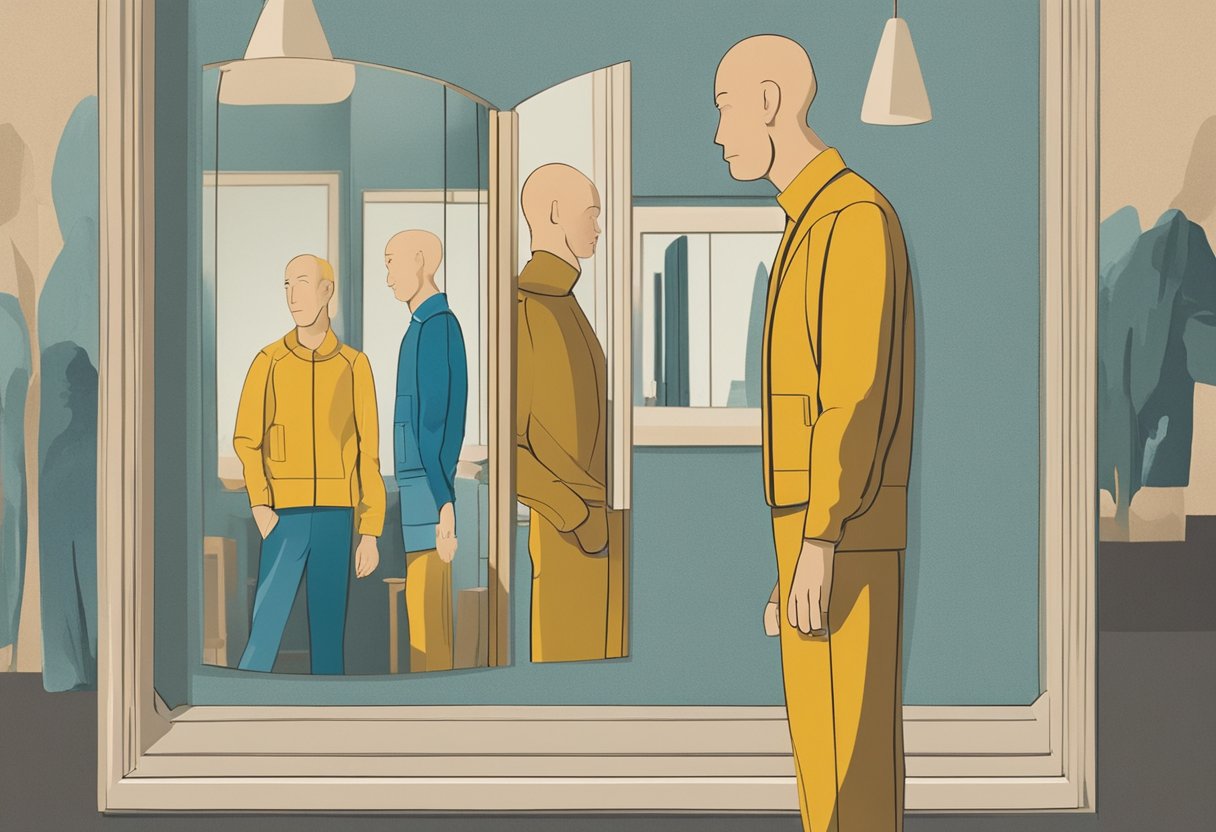
Cancer treatment can cause a rollercoaster of feelings. Men may experience shifts in mood, self-image, and relationships after finishing their cancer journey.
Psychological Impact of Cancer
Cancer survivors often face psychological distress as they adjust to life post-treatment. Many men struggle with fears of recurrence, which can lead to anxiety.
Changes in physical appearance or abilities may affect self-esteem and confidence.
Relationships can also shift. Some friendships grow stronger, while others may fade. Intimacy with partners might change due to treatment side effects or emotional barriers.
Work-life can also present challenges. Returning to a job or finding new employment may feel daunting. Coworkers might treat cancer survivors differently, causing stress or isolation.
Recognizing Signs of Distress
Men should watch for signs of emotional distress after cancer treatment. Common red flags include:
- Persistent sadness or emptiness
- Loss of interest in favorite activities
- Sleep problems (too much or too little)
- Irritability or angry outbursts
- Difficulty concentrating
- Physical symptoms like headaches or stomachaches
Depression and anxiety can develop if these feelings persist. Seek help if distress interferes with daily life.
Healthy coping strategies can make a big difference. Exercise, like team sports, can boost mood and energy. Joining a support group allows men to connect with others who understand their experiences.
Strategies for Managing Emotions

Men who have faced cancer often find their emotions challenging after treatment ends. These strategies can help rebuild emotional strength and find a new sense of balance.
Developing Coping Skills
Coping skills are vital for navigating life after cancer treatment.
Exercise can be a powerful tool for managing stress and improving mood. Even light activities like walking or swimming can make a big difference.
Joining a support group lets men connect with others who understand their experiences.
Talking to a therapist or counselor can provide professional guidance for working through complex feelings.
Learning to express emotions in healthy ways is crucial. Writing in a journal or creating art can offer outlets for self-expression.
Setting small, achievable goals can boost confidence and provide a sense of control. This might include trying a new hobby or reconnecting with old friends. Breaking larger tasks into smaller steps makes them feel more manageable.
Mindfulness and Resilience Practices
Mindfulness techniques can help men stay grounded in the present moment. Simple breathing exercises or guided meditations can reduce anxiety and promote relaxation.
Apps or online resources offer easy ways to get started with mindfulness practices.
Building resilience helps men bounce back from setbacks.
This might involve reframing negative thoughts into more balanced perspectives. Focusing on personal strengths and past successes can reinforce a sense of capability.
Gratitude practices, like keeping a daily list of things to be thankful for, can shift focus toward positive aspects of life.
Engaging in activities that bring joy and meaning, such as volunteering or spending time in nature, can foster emotional well-being.
The Role of Social Support
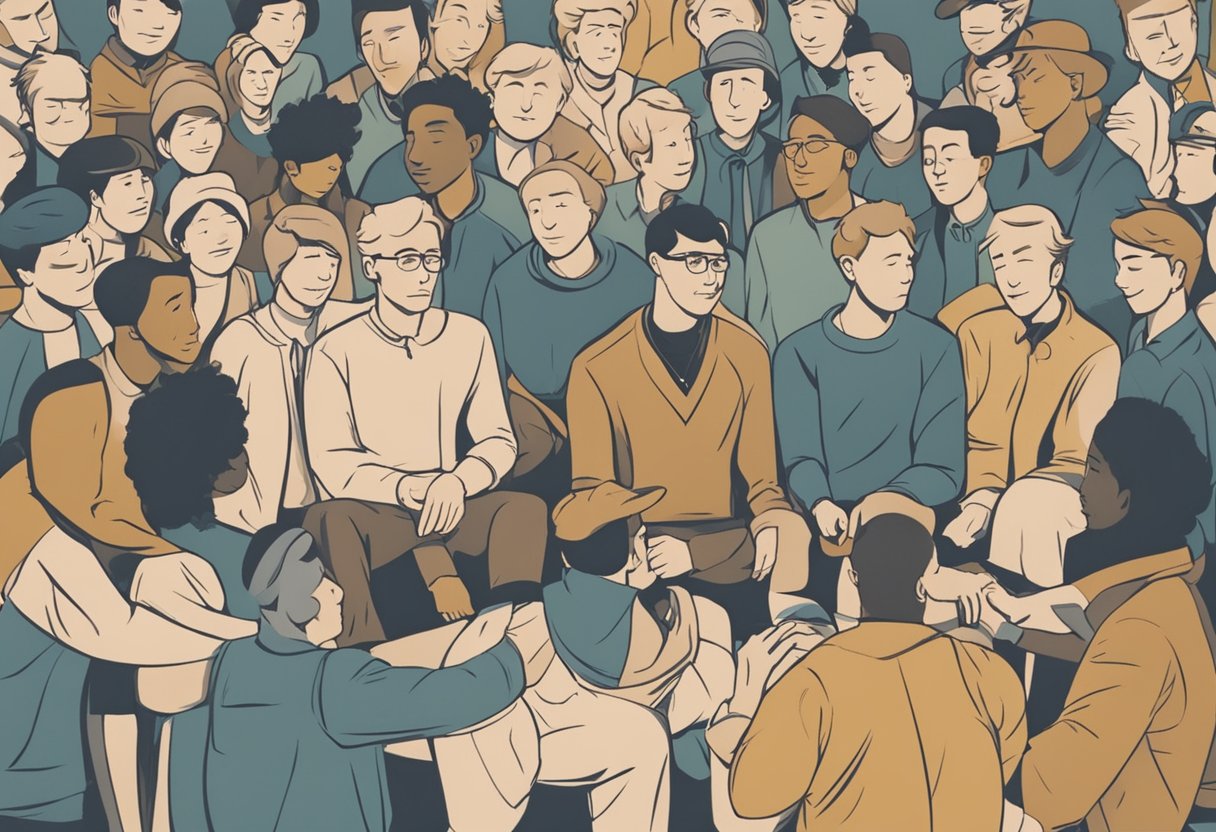
Social support plays a vital part in the healing journey of male cancer survivors. It can ease feelings of loneliness and boost overall well-being. Strong networks of friends, family, and fellow survivors form a crucial safety net during recovery.
Importance of Support Groups
Support groups offer male cancer survivors a place to connect with others who truly understand their experiences.
These groups provide a safe space to share fears, hopes, and practical tips. Many men find comfort in knowing they’re not alone in their struggles.
The American Cancer Society offers resources to help find local support groups. Online forums and virtual meetings have made it easier for men to access support from home.
Support groups can help survivors:
- Learn coping strategies
- Gain confidence in decision-making
- Find motivation to stay active and healthy
- Build lasting friendships
Leveraging Family and Community
Family and community support can greatly impact a man’s cancer recovery. Loved ones can provide practical help with daily tasks and emotional backing during tough times.
Open communication with family members about needs and feelings is key.
Community involvement, like joining a sports team or volunteer group, can give survivors a sense of purpose. These activities help men regain control over their lives and boost self-esteem.
Ways to build community support:
- Join a local sports league
- Volunteer at a cancer center
- Attend community events
- Connect with faith-based groups
Strong social ties can lead to better health outcomes and quality of life for male cancer survivors.
Physical Activity and Diet
Exercise and nutrition play key roles in managing emotions after cancer treatment. They can boost energy, improve mood, and enhance overall well-being for male cancer survivors.
Exercise for Emotional Well-being
Regular physical activity can lift spirits and reduce stress for men undergoing cancer treatment. Aiming for 150 minutes of moderate exercise each week is a good starting point. This could include brisk walking, swimming, or cycling.
Strength training exercises are also beneficial. They help rebuild muscle mass that may have been lost during treatment. Try lifting weights or using resistance bands 2-3 times per week.
Team sports can provide both exercise and social connection. Joining a local basketball or soccer league can be a great way to stay active and meet other men with similar experiences.
Remember to start slowly and gradually increase intensity. Listen to your body and consult your doctor before beginning any new exercise routine.
Nutritional Considerations
A balanced diet supports physical and emotional recovery after cancer treatment.
Focus on eating plenty of fruits, vegetables, and whole grains. These foods provide essential nutrients and can help maintain a healthy weight.
Lean proteins like chicken, fish, and beans are crucial for rebuilding muscle strength and combating fatigue, a common issue for cancer survivors.
Staying hydrated is vital. Aim for 8-10 glasses of water daily. This can help manage treatment side effects and boost energy levels.
Some men may need to limit certain foods based on their specific cancer type or treatment. Consult a registered dietitian for personalized advice on creating a nutrition plan that suits your needs and preferences.
Medical Follow-Up and Survivorship
Regular check-ups and long-term care play crucial roles in a male cancer survivor’s journey. These elements ensure early detection of potential issues and promote overall well-being.
Importance of Regular Screening
Regular screening serves as a vital defense against cancer recurrence.
Men who have battled cancer should schedule follow-up appointments with their healthcare team. These check-ups help detect signs of the disease returning or new health concerns.
Screening frequency varies based on cancer type and individual risk factors. Some standard tests include:
- Blood work
- Imaging scans (CT, MRI, PET)
- Physical exams
Early detection through screening can lead to more effective treatment options. It’s like catching a pass before it hits the ground – quick action can make all the difference.
Long-Term Survivorship Care
Survivorship care extends beyond routine medical check-ups. It encompasses a comprehensive approach to health and well-being.
The National Cancer Institute recommends creating a survivorship care plan with your healthcare team.
This plan may include:
- Monitoring for late effects of treatment
- Managing ongoing side effects
- Addressing emotional and psychological needs
- Lifestyle modifications for optimal health
Think of survivorship care as your playbook for life after cancer. It guides you through potential challenges and helps you maintain peak performance.
Male cancer survivors can benefit from joining support groups or seeking counseling. These resources provide opportunities to connect with others who have faced similar experiences. Remember, teamwork makes the dream work – don’t hesitate to lean on your support network.
Tools for Emotional Management
Managing fear takes practice and patience. Here are some strategies that have helped other survivors:
Stay active: Exercise can boost mood and reduce stress. Try joining a sports team or hitting the gym.
Connect with others: Share your feelings with friends, family, or a support group.
Practice mindfulness: Focus on the present moment through meditation or deep breathing.
Set goals: Make plans for the future to shift focus away from worries.
Seek professional help if fears become overwhelming.
Remember, it’s okay to have bad days. The goal is to find ways to enjoy life despite the uncertainties.
Improving Sleep and Managing Fatigue
Sleep problems and fatigue often plague cancer survivors. These issues can impact daily life and emotional well-being. Addressing them is key to feeling better and regaining energy.
Sleep Hygiene Techniques
Good sleep habits can make a big difference for cancer survivors. A cool, dark, quiet bedroom promotes rest.
Avoid screens before bed – the blue light disrupts sleep cycles.
Set a consistent sleep schedule, even on weekends. This helps regulate your body’s internal clock.
Relaxation exercises like deep breathing or meditation can calm the mind.
A warm bath or light stretching may also help.
Limit caffeine and alcohol, especially in the evening. These can interfere with falling asleep.
If racing thoughts keep you up, try writing them down. This can clear your mind.
Don’t lie in bed tossing and turning. If you can’t sleep after 20 minutes, get up and do a calm activity until you feel tired.
Approaches to Address Cancer-related Fatigue
Cancer-related fatigue differs from normal tiredness. It doesn’t improve with rest alone.
Moderate exercise can boost energy levels. Start small – even a short walk helps. Gradually increase activity as you feel able.
Conserve energy for what matters most. Prioritize tasks and ask for help when needed.
Short power naps (15-20 minutes) can refresh without disrupting nighttime sleep.
Stay hydrated and eat a balanced diet to fuel your body.
Stress management techniques like yoga or tai chi combine gentle movement with mindfulness. These practices can reduce fatigue and improve mood.
Joining a support group lets you connect with others facing similar challenges. Sharing experiences can provide emotional relief and practical tips.
If fatigue persists, talk to your doctor. They may check for underlying issues like anemia or thyroid problems. Addressing these can significantly improve energy levels and quality of life. -T
Frequently Asked Questions
Male cancer survivors face unique emotional challenges after treatment. These questions address common concerns and offer practical strategies for managing feelings, coping with anxiety, and regaining a sense of normalcy.
How can male survivors manage lingering emotions following cancer treatment?
Men can manage post-treatment emotions by staying active. Exercise releases endorphins and boosts mood.
Joining a cancer survivor support group provides connection and understanding.
Talking to a therapist helps process complex feelings.
What steps can help in coping with depression after cancer treatment?
Coping with depression starts with recognizing the signs. Men should speak to their doctor about symptoms.
Regular exercise, a healthy diet, and quality sleep form a foundation for mental health.
Medication or therapy may be recommended in some cases.
Are there long-term psychological impacts for male cancer survivors?
Some men experience long-term psychological effects after cancer. These can include fear of recurrence, survivor’s guilt, and changes in self-image.
Ongoing mental health support and regular check-ups help address these impacts.
How do survivors deal with anxiety even after receiving an all-clear from cancer?
Anxiety after remission is common. Mindfulness techniques like meditation can calm anxious thoughts.
Setting small, achievable goals helps regain control.
Regular follow-ups with healthcare providers offer reassurance and early detection of any issues.
What are common emotional stages experienced by male cancer patients post-treatment?
Post-treatment emotional stages often include relief, fear, anger, and acceptance. Men may feel vulnerable or struggle with changed relationships.
Recognizing these stages as usual helps in moving through them. Each person’s journey is unique.
Can a sense of normalcy be regained after completing cancer treatment, and how?
Regaining normalcy takes time. Setting new routines and goals helps create structure.
Returning to work or volunteering provides purpose. Reconnecting with hobbies and friends rebuilds a sense of self.
Patience and self-compassion are key in this process.
