

Overcoming Adversity and Inspiring Hope
Navigating a cancer diagnosis is tough, but it’s also an opportunity to discover inner strength.
I know this firsthand, having survived lymphoma cancer twice. Finding silver linings during these challenging times has transformed my journey and fostered resilience.
I aim to share insights with other men facing similar battles, hoping they will find comfort and empowerment in my experiences.

Men often shy away from discussing their struggles, thinking it shows weakness. I believed this, too, but opening up and accepting support made a huge difference.
The strength of a supportive network, whether from family, friends, or fellow survivors, can’t be overstated.
Positive relationships help navigate this challenging journey and turn dark moments into learning opportunities.
Looking beyond the diagnosis, I embraced healthier lifestyle choices and mental health strategies.
Fitness routines boosted my physical and mental well-being, reaffirming my sense of control over my body.
I turned to sports, finding solace and motivation. By sharing my story, I hope others will see that thriving, not just surviving, is possible.
Key Takeaways
- Resilience grows through finding silver linings.
- Support networks ease the cancer journey.
- Healthy lifestyle changes aid recovery.
Understanding the Diagnosis
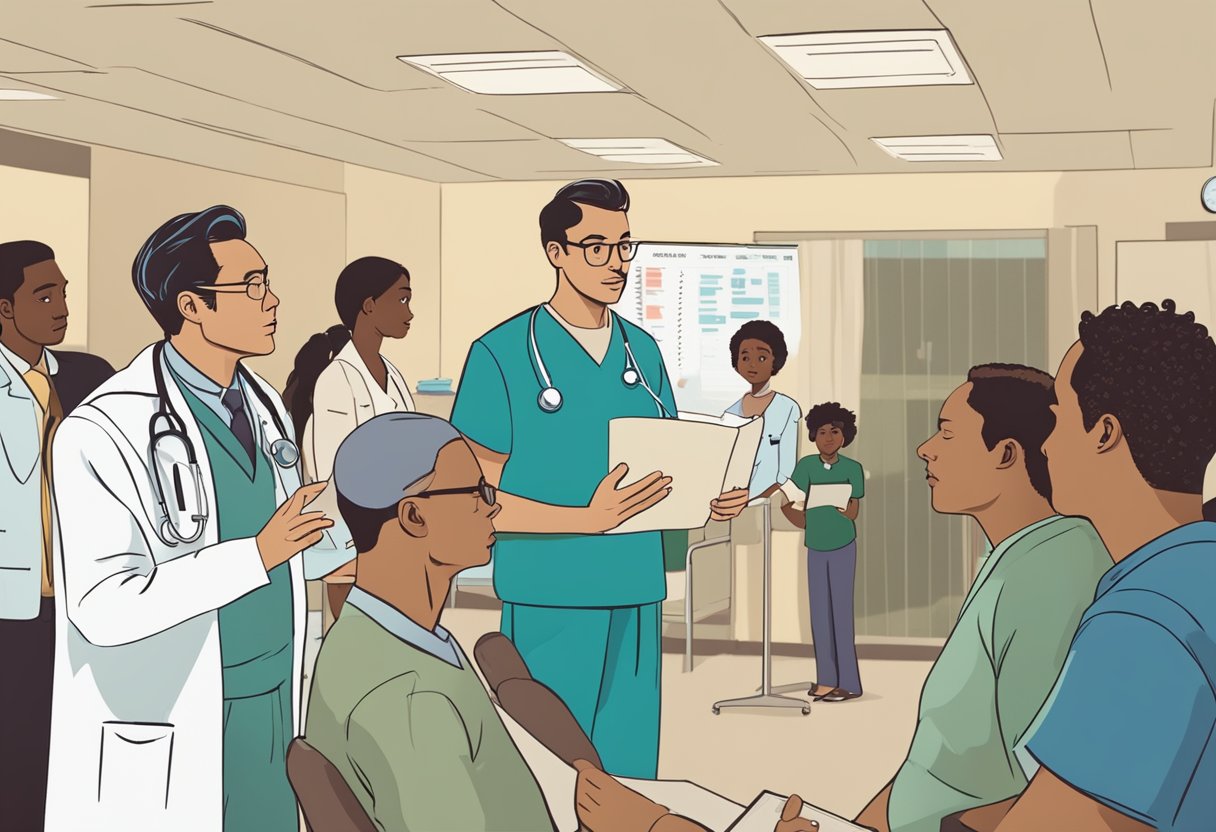
Cancer survivors often find ways to grow even during difficult times. People who have experienced severe illnesses can turn setbacks into opportunities for learning and resilience.
The Initial Shock and Emotional Turmoil
When I was first diagnosed with lymphoma, the news hit me hard. The initial shock felt like a punch to the gut.
I had so many questions and fears. It’s common for newly diagnosed patients to experience a whirlwind of emotions.
I remember feeling scared and confused, wondering about my future. The fear of the unknown can be overwhelming.
Many men, like myself, struggle with expressing these feelings. This period is a tough adjustment, and it’s okay to seek help from a psychologist or counselor.
My oncologist played a vital role during this time. He explained the diagnosis in simple terms, which helped calm my nerves.
I must ask questions and gather information to understand what I was facing.
Navigating the Healthcare System
After the diagnosis, navigating the healthcare system became my new priority.
Finding the right medical professionals made a big difference in my treatment journey.
My oncologist coordinated my care, guiding me through various options and treatments.
I had to manage numerous appointments, tests, and treatments, which felt overwhelming at times. Keeping a detailed calendar helped me stay organized.
It’s crucial to follow up regularly with medical professionals to monitor progress and make necessary adjustments.
I also learned to advocate for myself. I spoke up if something didn’t seem right or if I had questions about my treatment.
Building a supportive healthcare team, including nurses, oncologists, and social workers, was vital for my well-being and recovery. They provided the resources and support I needed to focus on my health.
The Importance of Support Systems
Finding support during cancer treatment is essential. Key groups that provide this support include family and friends, community and support groups, and healthcare professionals who act as advocates.
Family and Friend Networks
My experience with cancer taught me the immense value of family and friends. They provide emotional stability, which helps manage the stress associated with treatments.
Family members can assist with daily tasks, while friends offer a sense of normalcy.
Benefits of Family and Friend Networks:
- Emotional Support: Builds mental resilience during treatment.
- Practical Assistance: Helps manage household chores and doctor visits.
- Social Connection: Maintains a sense of everyday life.
A solid family and friend network made my journey more manageable and fostered my resilience.
Community and Support Groups
Being part of a community or support group is a lifeline.
These groups connect you with others who understand what you’re going through, often leading to lifelong friendships. They offer shared experiences and advice that you can’t get elsewhere.
Critical Elements of Support Groups:
- Shared Experiences: Eases the feeling of isolation.
- Practical Advice: Members often share tips that worked for them.
- Sense of Belonging: Feeling part of a group reduces stress.
Participating in these groups made it easier to face the challenges, especially as a male cancer thriver.
Healthcare Professionals as Advocates
Healthcare professionals, especially nurses and social workers, play a crucial role.
They help navigate the medical maze, offer emotional support, and often act as liaisons with doctors. Their expertise and compassion are invaluable.
Roles of Healthcare Professionals:
- Navigation: Helps manage appointments and treatments.
- Emotional Support: Provides a listening ear.
- Advocacy: Ensures the patient’s needs are met.
In my case, the support from healthcare professionals was foundational in my treatment and recovery.
Coping Mechanisms and Strategies

Navigating the emotional and physical challenges of cancer requires effective coping mechanisms.
By adopting a positive attitude and maintaining focus and purpose, men with cancer can better manage their journey.
Adopting a Positive Attitude
Embracing a positive outlook has been invaluable in my journey.
Positivity helped shift my mindset from fear to one of empowerment. This change in perspective made each day easier to face, even during brutal treatments.
Reframing setbacks as learning opportunities played a considerable role. This approach can turn negative experiences into chances for personal growth.
Staying mentally strong involves small, daily habits.
I practiced gratitude journaling, which shifted my focus to the good parts of my day, like support from loved ones or successful treatment steps.
Staying connected with other survivors offered mutual encouragement.
Sharing experiences and tips in support groups provided emotional relief and practical guidance.
Maintaining Focus and Purpose
Holding on to purpose kept me grounded. Setting small, achievable goals gave me direction. Achieving these gave me a sense of accomplishment, no matter how minor.
I also found that physical activity, like walking, helped maintain my focus. Regular exercise became a routine that kept me engaged and lively.
Having purposeful tasks each day was crucial.
Whether writing in my journal or planning a future outing, staying productive helped distract me from stress.
Family and friends’ support reminded me of my role in their lives. Their encouragement provided strength and a sense of responsibility to keep pushing forward.
Treatment Options and Management

Navigating cancer treatment is a complex journey, and having clarity on available options can make it more manageable.
Understanding Chemotherapy
Chemotherapy, or chemo, uses powerful drugs to kill cancer cells. It works by stopping cells from growing and dividing.
I underwent chemo during both my battles with lymphoma and learned it targets rapidly growing cells, making it practical for many types of cancer.
It’s often administered intravenously, but some forms can be taken as pills. Chemo can also be used with other treatments to increase its effectiveness.
It’s a tough road, but knowing you’re attacking the cancer cells directly helps maintain focus.
Managing Side Effects
Chemo side effects can range from manageable to quite severe.
Common issues include nausea, fatigue, and hair loss.
During my treatment, staying hydrated and eating small, frequent meals helped me manage nausea.
Fatigue was challenging, but light exercise like walking kept my energy levels up.
Hair loss was emotionally challenging, yet talking to others going through similar experiences provided comfort.
Physicians can prescribe medications to help with these side effects, and keeping an open dialogue with your healthcare team ensures tailored support.
The Role of Personalized Healthcare
Personalized healthcare tailors treatment plans to individual needs, improving outcomes and reducing side effects.
My treatment plan included genetic testing, which helped my doctors choose the most effective drugs.
This approach considers your health history, lifestyle, and specific cancer type for a custom-fit treatment.
Personalized care isn’t just about the medical side; it also involves emotional support and mental health resources.
A treatment plan that felt explicitly designed for me made the process slightly less daunting and gave me hope.
Lifestyle Adaptations for Health and Recovery
Experiencing male cancer twice, I’ve learned that making specific lifestyle changes aids in both health and recovery. Adjustments in diet, exercise, and mental health are crucial.
Diet and Nutrition
Eating the right foods each day played a big role in my recovery.
Balancing meals with lean proteins, whole grains, and colorful vegetables helped rebuild my strength.
Including fiber-rich foods, such as oatmeal and fruits, prevents constipation, a common issue.
Small, frequent meals were easier to manage than large ones, especially on bad days.
I also avoided processed foods and excessive sugar. Instead, I focused on nuts, seeds, and healthy fats like avocados and olive oil.
Staying hydrated with plenty of water or herbal teas also helped keep my body functioning well.
Physical Activity and Rest
Staying active was crucial.
Light aerobic exercises like walking or swimming kept my body strong without overexertion.
I also included some strength training exercises with light weights or resistance bands a few times a week.
Balancing activity with rest was vital.
Listening to my body allowed me to rest when I felt fatigued.
Taking short naps during the day helped me conserve energy without disrupting nighttime sleep.
I often followed a regular sleep schedule, improving my overall well-being.
Keeping my bedroom cool, dark, and quiet promoted better sleep quality.
Mental Well-Being
Taking care of my mental health was just as vital as my physical health.
Mindfulness practices like meditation or deep breathing exercises help reduce stress and anxiety.
I found support groups to be a lifeline.
Connecting with others who understood my journey provided emotional support and practical advice.
Speaking openly about my feelings with family and friends fostered a strong support network.
Journaling became a valuable tool for processing emotions.
Writing down my thoughts and feelings provided an outlet for my fears and allowed me to focus on positive moments.
Stories of Resilience and Survival
Going through cancer changes a person in countless ways. As a male cancer survivor myself, I have seen how these experiences shape our mindsets and build a newfound sense of resilience and gratitude.
Celebrating Survivorship
Surviving cancer is not just about beating a disease—it’s about embracing life with a new perspective.
The journey brings challenges but offers moments of joy and celebration.
Small victories, like milestones in treatment or recovery, become significant achievements.
For me, these moments I included finishing chemotherapy and returning to my regular activities.
Hearing other cancer survivors share their triumphs reinforces my belief in the power of community and support.
Celebrating each day, no matter how small the progress, transforms survival into a shared journey.
Learning from Survivor Stories
Survivor stories have been my beacon throughout my battle with lymphoma cancer.
Listening to others’ experiences taught me the value of staying hopeful and finding silver linings in adversity.
Each story is unique, highlighting personal struggles and remarkable resilience.
A fellow survivor once told me about the joy of rediscovering hobbies and passions.
This inspired me to rekindle my love for sports, which became a therapeutic outlet.
Breast cancer thrivers emphasize the importance of support after a diagnosis, which resonates deeply with my experience.
These tales offer lessons and encouragement, reminding us we’re not alone in this fight.
Future Directions in Cancer Thriving

Finding new ways to support cancer thrivers is crucial.
Advances in Research and Treatment
The landscape of cancer treatment is rapidly changing.
Recently, immunotherapy and personalized medicine breakthroughs have revolutionized how we approach care.
Immunotherapy uses the body’s immune system to fight cancer cells. This method has provided new hope for many thrivers, including myself.
Moreover, personalized medicine tailors treatments to the genetic makeup of each individual.
This level of customization means more effective and less harmful treatments.
Radiation, surgery, and chemotherapy remain core treatments, but these new methods offer less invasive options.
The American Cancer Society has been instrumental in funding and supporting these advancements.
Their research initiatives have paved the way for many treatments thrivers receive today.
I look forward to seeing continued progress in treatment options, providing more thrivers with hope and longevity.
The Evolving Role of Partnerships and Funding
Advances in cancer care also depend on collaboration between different groups.
Partnerships between research institutes, hospitals, and patient organizations are fostering innovation.
When these groups work together, they create comprehensive support systems that benefit thrivers at every stage of their journey.
Funding plays a critical role in these partnerships.
Public and private funding sources contribute to ongoing research and the development of new treatments.
Nonprofit organizations, like the American Cancer Society, continue to be vital in raising funds and allocating resources where they’re needed most.
Their efforts ensure that the fight against cancer moves forward and that thrivers receive the latest treatments and support.
The Debate
There’s an ongoing debate about labels like “survivor,” “thriver,” and “fighter.” These terms often bring mixed emotions and perceptions.
Some believe calling oneself a survivor is empowering. It highlights the journey of overcoming cancer. Yet, others feel it oversimplifies their ongoing struggles.
The term thriver suggests a life of flourishing after diagnosis. While uplifting, it can create an unfair expectation always to show strength.
Fighter is another term that can be both motivating and problematic. It implies a battle that might not resonate with everyone’s experience.
Many men with cancer grapple with these labels. Using the “correct” term is subjective and personal.
Pros of Using Labels:
- Empowerment: Provides a sense of control.
- Community: Connects individuals with shared experiences.
- Positivity: Encourages a focus on strengths.
Cons of Using Labels:
- Pressure: Implies unrealistic expectations.
- Isolation: This may alienate those who don’t identify with the terms.
- False Narratives: Simplifies a complex journey.
In my experience as a lymphoma survivor, I find discussing these terms helpful. It opens communication about what truly matters in our journey.
Whether you see yourself as a survivor, thriver, or fighter, your experience is valid. Let’s continue this conversation and honor all perspectives.
For more on the complexities of these labels, you can read this article from Psychology Today.
Final Thoughts
Lymphoma taught me lessons I never imagined I’d learn. Facing it twice made me see life in unexpected ways. I understand the journey and am here to help other men navigate it.
Reframing Setbacks
One of the most valuable skills I developed is reframing setbacks as opportunities.
When the treatments got tough, I focused on what I could learn from each challenge. Embracing resilience has been crucial.
Staying Active
Staying active played a massive role in my recovery.
Whether it’s a quick walk or a light workout, keeping my body moving made a big difference.
I encourage you to find and stick with an activity that brings you joy.
Support Systems
Lean on your support systems.
My family, friends, and medical team were there every step of the way.
Don’t hesitate to reach out to those who care about you.
Mental Wellness
Taking care of mental health is just as vital as physical health.
I found solace in meditation, journaling, and sometimes just talking about how I felt. Seek out what works best for you.
Gratitude
Finding small things to be grateful for kept me grounded.
Even on my worst days, I tried to identify one good thing. It helped keep my spirits up, and my mind focused on positive aspects.
Remember, you’re not alone in this battle. Many men have walked this path and come out stronger. Let’s continue to support each other and find our silver linings. -T
Frequently Asked Questions
Cancer survivors often develop a knack for finding silver linings and opportunities for growth in even the most challenging circumstances.
They may become more adept at reframing setbacks as chances to learn, grow, and develop greater resilience.
How can self-compassion assist a male cancer survivor in finding positive perspectives?
Self-compassion helps by fostering a kinder self-view during tough times. It allowed me to see setbacks as opportunities to grow rather than failures. This shift in mindset made a noticeable difference in my journey, encouraging me to maintain a positive outlook.
What techniques can male cancer thrivers adopt to identify silver linings during their journey?
I found that mindfulness and gratitude practices were effective techniques. I could better manage stress and uncover hidden benefits by staying present and focusing on small positives.
Can embracing an inner critic transformation help men dealing with cancer find solace and strength?
Transforming your inner critic can be powerful. I felt more empowered and capable when I changed my self-talk from negative to encouraging. This transformation helped me find strength during my cancer journey.
Why is it crucial for male cancer patients to understand and utilize the concept of the window of tolerance?
Understanding the window of tolerance helped me manage emotional highs and lows more effectively. Operating within this window allowed me to stay grounded, reduce overwhelm, and improve my emotional and physical well-being.
In what ways can maintaining a Silver Linings journal benefit men who are battling cancer?
Keeping a Silver Linings journal allowed me to reflect on positive moments, no matter how small. This habit shifted my focus from what I lost to what I still had, providing daily motivation and hope.
How does reframing self-blame contribute to a more positive outlook for male cancer thrivers?
Reframing self-blame into constructive self-reflection helps me focus on actionable steps rather than dwell on guilt. This change redirects my energy towards recovery and self-improvement.
