

What Is It?
As a cancer survivor, I know how scary medical procedures can be. The MagSeed is a small magnetic marker used to help doctors find and remove breast tumors and locate problematic lymphnodes. This tiny device makes surgery more precise and can lead to better patient outcomes.

The MagSeed is about the size of a grain of rice. Doctors place it in the tissue to mark the exact spot of a tumor.
During surgery, a special probe is used to find the MagSeed and remove the tumor. This method is more accurate than older ways of marking tumors.
I’ve learned that new tools like the MagSeed can make a big difference in cancer treatment. They help surgeons remove tumors while keeping more healthy tissue, which can mean less pain and faster patient healing. As someone who’s been through cancer twice, I’m glad to see these advances that can help others.
Key Takeaways
- MagSeed is a tiny magnetic marker that helps surgeons find tumors
- This method allows for more precise tumor removal and better tissue preservation
- MagSeed can improve surgical outcomes and patient recovery in cancer treatment
What Is MagSeed?
MagSeed is a game-changing tool for men facing breast cancer. It helps doctors find and remove small tumors with precision. This technology makes surgery more straightforward and less stressful for patients.
Defining MagSeed Technology
MagSeed is a tiny magnetic marker about the size of a grain of rice. Doctors place it in the breast to mark the location of a tumor.
During surgery, a special probe is used to find the seed, helping to remove just the right amount of tissue.
I’ve seen how this tech can ease worries. It’s like having a GPS for tumors. The seed can stay in place for up to 30 days before surgery, giving men more flexibility in scheduling their procedure.
Comparison with Traditional Localisation Techniques
Before MagSeed, we used wire localization. Doctors would put a wire into the breast on surgery day. This could be uncomfortable and stressful.
MagSeed is different. It’s more comfortable and can be placed earlier. There’s no wire sticking out of the skin. This means less anxiety on surgery day.
The Magseed marker is now used in over 40 countries. It’s becoming a go-to choice for many surgeons. Studies show it’s just as accurate as older methods, if not more so.
MagSeed in Breast Cancer Treatment
MagSeed has revolutionized breast cancer and lymphoma treatment, offering precision and improved patient outcomes. This tiny magnetic marker is crucial in targeted axillary dissection and integrates seamlessly with neoadjuvant chemotherapy.
Role in Targeted Axillary Dissection
As a cancer survivor, I’ve seen firsthand how targeted axillary dissection has changed the game for breast cancer patients. MagSeed helps surgeons pinpoint and remove affected lymph nodes with incredible accuracy.
This technique reduces the need for extensive surgery, which can be a game-changer for recovery. I felt relieved when my doctor explained how this approach could minimize post-operative complications.
MagSeed markers can be placed in suspicious lymph nodes before treatment begins. This allows surgeons to track these nodes throughout treatment, even if they respond well to therapy.
Integration with Neoadjuvant Chemotherapy
Neoadjuvant chemotherapy and MagSeed work together like a well-oiled machine. As someone who’s been through chemo, I can attest to the value of this combination.
MagSeed localization allows for precise tumor marking before chemotherapy starts. This is crucial because chemotherapy can shrink tumors, making them harder to locate during surgery.
With MagSeed, surgeons can confidently remove the entire tumor area, even after it has responded to treatment. This approach helps ensure clean margins and reduces the risk of leaving cancerous tissue behind.
This technology can significantly benefit men with lymphoma. It’s a slam dunk for improving surgical outcomes and giving patients peace of mind during challenging times.
Surgical Applications of MagSeed

MagSeed has revolutionized breast cancer surgery. It offers precise tumor localization and improved outcomes for patients undergoing breast-conserving procedures.
Magnetic Seed Localization vs. Wire Localization
As a two-time lymphoma survivor, I’ve seen firsthand how localization techniques can impact surgery. Magnetic seed localization uses a tiny metal marker placed in the tumor before surgery. This method replaces older wire localization techniques.
Wire localization involves inserting a thin wire into the breast on surgery day. It can be uncomfortable and may move before the operation. MagSeed offers several advantages:
• Can be placed up to 30 days before surgery
• More comfortable for patients
• Lower risk of displacement
• Allows for flexible scheduling
Surgeons use a special probe to detect the seed’s location during the procedure. This helps them remove the tumor with precision.
Advantages in Breast-Conserving Surgery
Breast-conserving surgery aims to remove cancer while preserving healthy breast tissue. MagSeed enhances this approach in several ways:
Improved accuracy: The magnetic marker helps surgeons target the tumor precisely. This can lead to better cosmetic results and reduce the need for additional surgeries.
Flexible placement: Seeds can be inserted using ultrasound or mammography guidance. This versatility allows for accurate marking of different tumor types.
High retrieval rate: Studies show a 100% retrieval rate for MagSeeds during surgery. This ensures the complete removal of the marked tissue.
For men facing breast cancer, these benefits can make a significant difference. The precise localization helps preserve chest wall muscle and minimize visible scarring.
Imaging Techniques Compatible with MagSeed
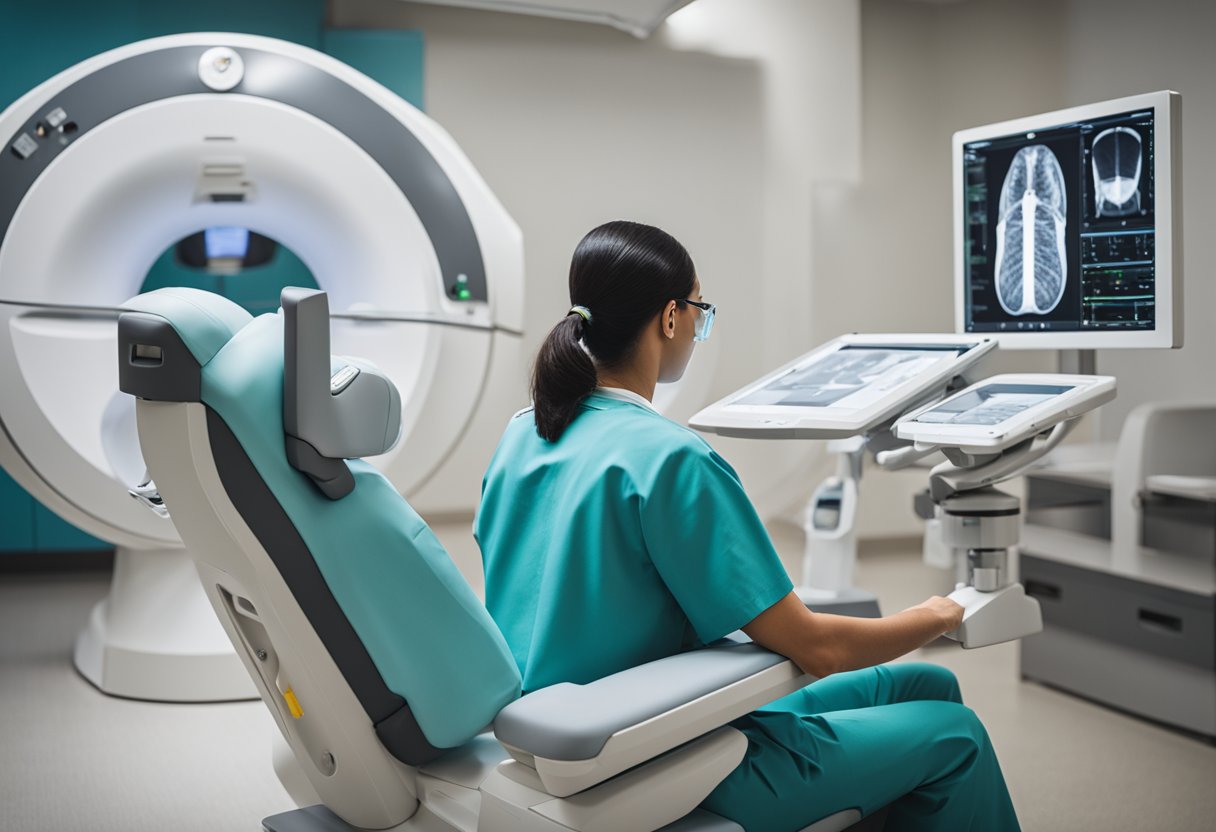
MagSeed works with different imaging methods to help find breast lumps. These techniques make it easier for doctors to spot and remove small tumors.
Ultrasound and Mammography
I’ve found that ultrasound and mammography are critical tools for using MagSeed. Ultrasound uses sound waves to create pictures of breast tissue. It helps doctors place the MagSeed accurately. Mammograms can show the MagSeed clearly as a small metal object. This makes checking if the seed is in the right spot is simple.
Doctors often combine both methods. They might use ultrasound to insert the seed, followed by a mammogram to double-check its location. This combo approach boosts accuracy and helps catch any issues early.
Sentimag Imaging System
The Sentimag system is a game-changer for MagSeed procedures. It’s like a metal detector for the body. The Sentimag probe finds the magnetic MagSeed during surgery, helping surgeons remove tumors more precisely.
I’ve seen how this system makes a big difference. It lets doctors pinpoint the seed’s exact location, which means they can remove less healthy tissue. The Sentimag works well with other imaging methods, too, giving surgeons an extra tool to guide their work.
Patient Experience with MagSeed Placement
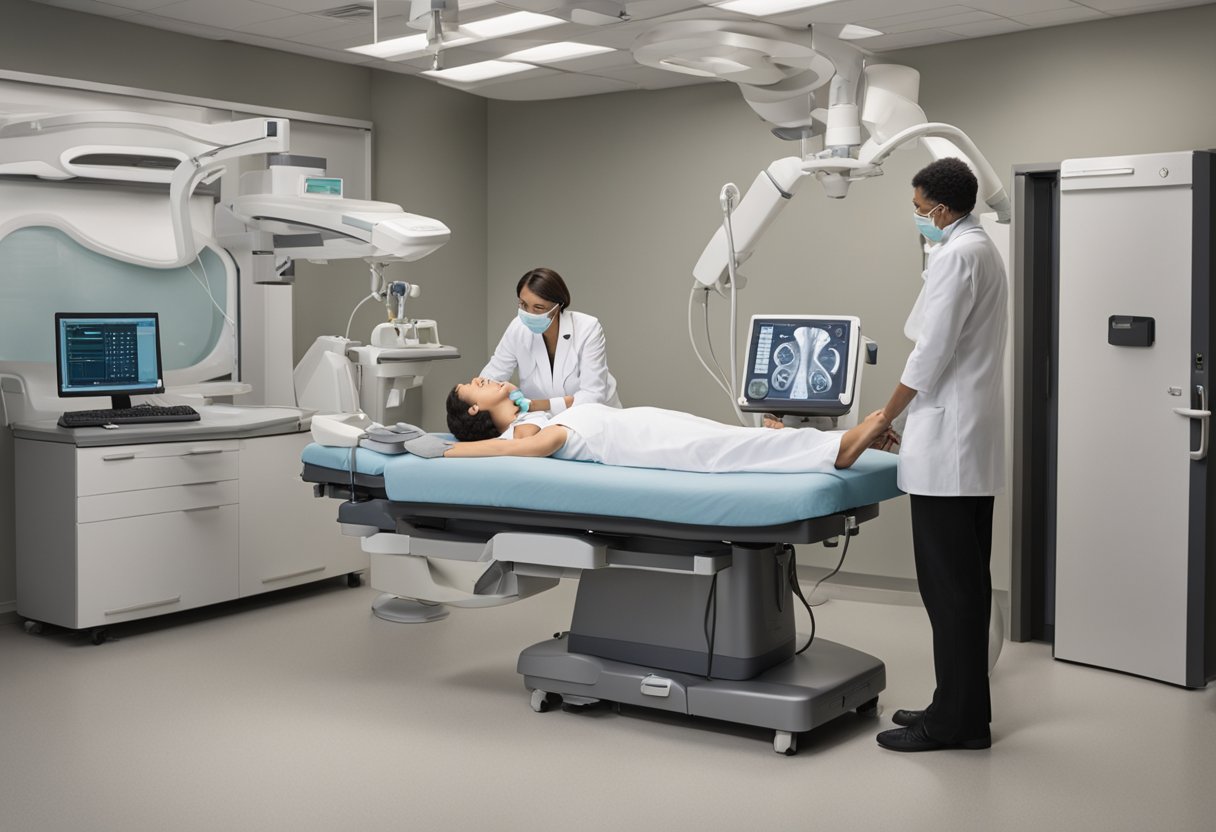
As a two-time lymphoma survivor, I can relate to the anxiety of medical procedures. MagSeed placement offers a patient-friendly approach to locating breast tumors before surgery.
Procedure Comfort and Safety
The MagSeed placement is a quick outpatient procedure. I found it less stressful than I expected. The doctor numbed my skin with a local anesthetic, which helped minimize discomfort. The tiny seed was inserted using a thin needle guided by imaging.
The process took about 15 minutes. I felt slight pressure but no real pain. After placement, I could go home right away. There was minor soreness for a day or two, but nothing bothered me.
Infection risk is low with MagSeed. The tiny incision heals quickly. I appreciated not having to worry about a wire sticking out of my breast, which can happen with older methods.
Comparison of Patient Experience to Wire Localization
MagSeed localization offers several advantages over wire localization. With wire placement, a thin wire is inserted on the day of surgery. This can be nerve-wracking and uncomfortable.
MagSeed allows for more flexible scheduling. The seed can be placed days or weeks before surgery. This gave me time to mentally prepare for my operation without the added stress of another procedure on surgery day.
I found MagSeed less physically restrictive. With wire localization, there’s a risk of the wire moving or being accidentally pulled. MagSeed eliminated these concerns, letting me move normally while waiting for surgery.
Outcomes and Benefits of MagSeed
MagSeed offers several advantages for breast cancer patients undergoing surgery. This innovative technology enhances precision and improves overall results.
Effect on Cosmetic Outcomes
As a two-time cancer survivor, I’ve seen how Magnetic Seeds can make a difference in breast surgery. The magnetic marker allows surgeons to pinpoint small lesions with great accuracy. This precision helps preserve more healthy tissue during lumpectomies and mastectomies.
MagSeed enables surgeons to remove less breast tissue overall. The result? Better cosmetic outcomes for patients. Many women feel more confident about their appearance after surgery when less tissue is removed.
Men also appreciate the improved results from MagSeed-guided surgeries. The smaller, more precise incisions can help maintain minimal scaring.
Reduction of Complications and Reoperations
MagSeed technology reduces the need for additional surgeries. The magnetic marker helps surgeons achieve clear margins around tumors more often, which means fewer patients need to return for more tissue removal.
I remember the stress of waiting to hear if I needed another operation. MagSeed can help ease the worry of many patients. The precise localization also lowers the risk of complications like infections or excessive bleeding.
Studies show that MagSeed leads to negative margins in about 85-91% of cases. This high success rate means fewer repeat surgeries and faster patient recovery times.
Reducing complications can mean returning to normal activities sooner for both men and women. Whether returning to work or hitting the gym, a smoother recovery makes a big difference.
Advancements and Future of MagSeed Technology
MagSeed technology continues to evolve, offering new cancer detection and treatment possibilities. Recent innovations have expanded its applications beyond breast surgery, providing hope for men facing various types of cancer.
Latest Developments in MagSeed Applications
As a two-time lymphoma survivor, I’ve witnessed firsthand how magnetic seeds have revolutionized cancer surgery. The Endomag company has made significant strides in refining MagSeed technology. Their newest version allows for more precise localization of tumors, improving surgical outcomes.
One exciting development is the creation of more miniature, more sensitive magnetic probes. These tools enhance surgeons’ ability to detect them with pinpoint accuracy. This advancement reduces the risk of leaving cancerous tissue behind during operations.
Another innovation is the introduction of biodegradable MagSeeds. These dissolve naturally in the body after serving their purpose, eliminating the need for removal and reducing potential complications.
Expanding Use Beyond Breast Surgery
While MagSeed’s initially proved effective in breast cancer surgeries, its applications have expanded to benefit men with various cancer types.
In prostate cancer, MagSeeds now guides precise biopsies and aids in targeted radiation therapy.
Lung cancer patients also benefit from this technology. Surgeons use MagSeeds to mark small, hard-to-find lung nodules, making minimally invasive procedures more feasible.
In head and neck cancers, MagSeeds help surgeons navigate complex anatomical structures. This leads to more complete tumor removal while preserving healthy tissue.
Research is underway to explore MagSeed use in liver and pancreatic cancers. These challenging cancers often require intricate surgeries, and MagSeed technology could significantly improve outcomes. -T
Frequently Asked Questions
I’ve faced many questions about Magseed during my cancer journey. Let’s explore some common concerns that men often have about this helpful breast cancer treatment tool.
What are common side effects experienced after a Magseed placement?
Most men feel minimal discomfort after placement. I experienced slight bruising and tenderness at the insertion site, but these effects usually fade within a few days.
Can you describe the Magseed placement procedure and its duration?
The procedure is quick and straightforward. My experience lasted about 15 minutes. The doctor used a thin needle to insert the tiny seed into my tissue under local anesthesia.
How does Magseed assist in the treatment of impalpable breast cancer?
Magseed acts like a GPS for surgeons. It helps them pinpoint small tumors that can’t be felt by hand. This precision allows for more accurate removal of cancerous tissue while preserving healthy breast tissue.
What are the considerations regarding the duration a Magseed can safely remain in the body?
Magseeds can stay in place for a long time. In my case, it remained for several weeks before surgery. Some men have had it in place for months without issues.
Is there any radioactivity associated with Magseed during its usage in medical procedures?
Magseed’s doesn’t use radiation, which I found reassuring as a two-time cancer survivor. It uses magnetic technology to guide surgeons, which is safer for patients and medical staff.
During which type of breast surgery is a Magseed typically removed?
Magseed is usually taken out during lumpectomy or mastectomy. In my case, it was removed along with the tumor during my lumpectomy. The surgeon used a special probe to locate and extract it.
