

Essential Procedure for Lymphoma Diagnosis and Staging
As a two-time lymphoma survivor, I know firsthand the vital role a bone marrow biopsy plays in diagnosis and treatment. This procedure can feel scary, but it’s a game-changer in the fight against cancer.
A bone marrow biopsy helps doctors determine if lymphoma has spread to your bone marrow, which is crucial for determining the best treatment plan.

The process involves taking a small sample of bone marrow, usually from your hip bone. It might sound rough, but most guys find it manageable with local anesthesia.
Trust me, I’ve been there – it’s like taking a hard tackle on the field, but you bounce back quickly.
Remember, knowledge is power when facing lymphoma. A bone marrow biopsy gives your medical team the intel they need to craft a winning strategy against cancer. Stay strong, brothers – we’re in this fight together.
Key Takeaways
- Bone marrow biopsies help determine if lymphoma has spread beyond the lymph nodes.
- The procedure typically takes 10-20 minutes and is done with local anesthesia.
- Biopsy results guide doctors in creating the most effective treatment plan for each patient.
Understanding Lymphoma
Lymphoma affects the body’s immune system, targeting lymphocytes – a type of white blood cell. I’ve faced this cancer twice, and I know firsthand how it can change your life.
Types of Lymphoma
There are two main types of lymphoma: Hodgkin lymphoma and non-Hodgkin lymphoma. Hodgkin lymphoma is marked by the presence of Reed-Sternberg cells, which are large, abnormal lymphocytes. Non-Hodgkin lymphoma includes all other lymphomas.
Non-Hodgkin lymphoma is more common, with many subtypes. Each type behaves differently and requires specific treatment approaches. As a survivor, I learned that knowing your exact lymphoma type is crucial for effective treatment.
Lymphoma diagnosis often involves analyzing lymph node tissue in a lab. This helps determine the specific type and guides treatment decisions.
Signs and Symptoms
Common signs of lymphoma include swollen lymph nodes, fever, night sweats, and unexplained weight loss. I experienced persistent fatigue and itchy skin, which prompted me to seek medical attention.
Swollen lymph nodes are often painless and may appear in the neck, armpits, or groin. Some men might notice a lump or swelling that doesn’t go away.
B symptoms—fever, night sweats, and weight loss—can indicate more aggressive lymphoma. If you experience these symptoms, it’s vital to consult a doctor promptly.
Role of Bone Marrow in Lymphoma
Bone marrow plays a crucial role in lymphoma diagnosis and staging. It’s where blood cells, including lymphocytes, are produced. Lymphoma can spread to the bone marrow, affecting blood cell production.
A bone marrow biopsy, which involves taking a sample from the hipbone, helps determine if lymphoma has reached the marrow.
Lymphoma invading the bone marrow can lead to anemia or low blood cell counts. During my treatment, regular blood tests monitored my cell counts to ensure my body was coping with therapy.
The Importance of Bone Marrow Biopsies
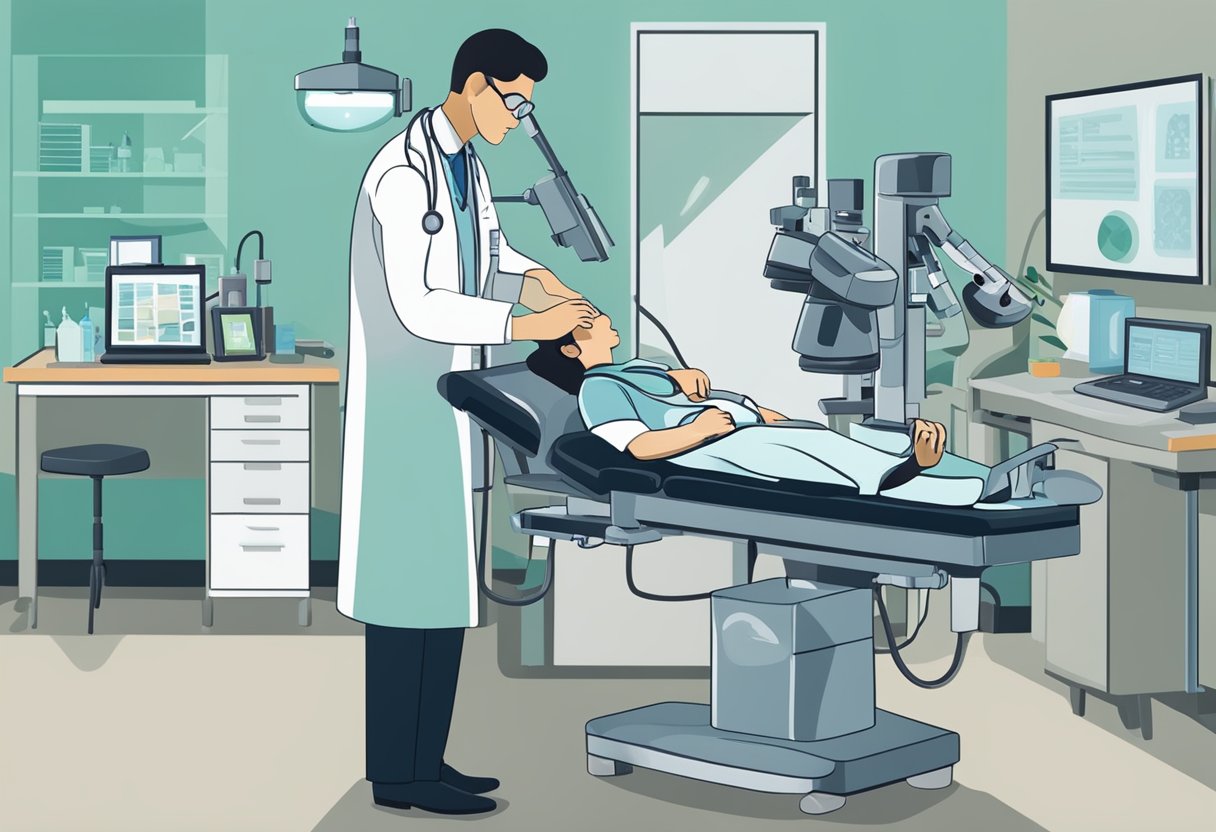
Bone marrow biopsies play a crucial role in diagnosing and managing lymphoma. These tests give doctors a clear picture of what’s happening inside the body and guide treatment decisions.
Diagnosing Lymphoma
As a two-time lymphoma survivor, I know firsthand how bone marrow biopsies help detect cancer. During the procedure, a doctor takes a small sample of bone marrow from my hip bone. This sample shows if lymphoma cells have invaded the marrow.
The biopsy results help determine the following:
• The type of lymphoma
• How advanced the cancer is
• Which treatments might work best
For men facing a potential lymphoma diagnosis, this test can feel scary. But remember, it’s a crucial step toward getting the proper care. I found it helpful to think of it like a coach reviewing game footage – it gives a clear view of what we’re up against.
Monitoring Treatment Response
Once treatment starts, bone marrow biopsies become my scoreboard. They show how well the therapy works to knock out those cancer cells. My doctors used these tests to:
• Check if lymphoma cells are disappearing
• Adjust my treatment plan if needed
• Determine when I could take a break from chemo
Getting repeat biopsies felt like tracking my stats during a long sports season. Each good result motivated me to keep pushing through the tough days. These tests offer concrete signs of progress for guys in the thick of treatment.
Bone marrow biopsies also help catch any signs of lymphoma returning early. This quick detection can make a big difference in tackling a relapse head-on.
Preparation for the Procedure

Preparing for a bone marrow biopsy involves several steps to ensure the best possible outcome. The medical team will guide you through each stage, helping you feel at ease and well-prepared for the procedure.
Medical History Review
I remember how crucial it was to provide a complete medical history before my bone marrow biopsy. The doctor asked about my medications, allergies, and any bleeding disorders. This information helped me tailor the procedure to my needs and minimize risks.
I made sure to mention my previous lymphoma treatments and any recent illnesses. The team also wanted to know about my lifestyle habits, like smoking or alcohol use. Openness and honesty during this review set the stage for a smoother biopsy experience.
Physical Exam
The doctor then did a thorough physical exam to check my overall health. They checked my vital signs, including blood pressure, heart rate, and temperature.
They also examined my skin for any signs of infection or bruising. I recall them paying extra attention to the biopsy site, usually the hip bone area. The exam helped determine whether I was fit for the procedure and if special precautions were needed. It was a chance to discuss any concerns I had about the biopsy.
Imaging Tests Pre-Biopsy
Before the biopsy, I underwent several imaging tests to guide the procedure and gather more information about my condition. These included:
- MRI: This scan provided detailed images of my bone marrow and surrounding tissues.
- PET Scan: It helped detect any active cancer cells in my body.
- Blood tests were also performed to check my blood cell counts and clotting factors.
These tests gave the medical team a clearer picture of my health status and helped them plan the biopsy more effectively. I found that understanding the purpose of each test helped ease my anxiety about the upcoming procedure.
The Biopsy Procedure Explained

A bone marrow biopsy involves several steps to collect samples for testing. This process helps doctors diagnose lymphoma and other blood disorders. Let’s break down each part of the procedure.
Bone Marrow Aspiration
I remember my first bone marrow aspiration vividly. The doctor numbed my hip area with local anesthesia. They inserted a hollow needle into my pelvic bone to draw out liquid marrow.
The sensation was strange—pressure and pain. It took about 10 minutes. The sample was sent to the lab for analysis.
Men often worry about discomfort. Deep breathing and focusing on my favorite sports team helped me stay calm.
Bone Marrow Trephine
Next came the trephine biopsy. The doctor used a larger needle to extract a small core of bone marrow tissue. This part took a bit longer, maybe 15-20 minutes.
I felt more pressure during this step. The sample provides info about bone marrow structure and cell patterns.
Some guys opt for sedation to ease anxiety. I chose to stay alert, treating it like mental training for a tough match.
Post-Procedure Care
After the biopsy, I rested for about 30 minutes. The nurse applied pressure to stop bleeding and checked my vitals.
I felt sore for a few days, like after an intense workout. Ice packs and over-the-counter pain meds helped.
The biopsy site needed gentle care. For a week, I avoided heavy lifting or contact sports. I focused on light exercise and proper nutrition to aid healing.
Follow-up is key. I scheduled my results appointment before leaving. Staying proactive helped me feel in control of my health journey.
Potential Complications and Management
As a two-time lymphoma survivor, I’ve learned that bone marrow biopsies can have some risks. Knowing what to expect and how to handle potential issues can make the process smoother. Let’s explore the main concerns and ways to address them.
Risk of Infection
Infection is a possibility after a bone marrow biopsy. My doctor always stressed keeping the biopsy site clean and dry to prevent this. I followed their instructions carefully, watching for signs of trouble like redness, swelling, or fever.
If you’re taking blood thinners, tell your healthcare team beforehand. They might adjust your medication to reduce your risk of bleeding.
Bleeding Concerns
Bleeding can occur at the biopsy site. I found applying firm pressure helped stop any oozing. My healthcare provider gave me a special bandage to use.
You’ll need to take a break for guys who play contact sports. Give your body time to heal before getting back in the game.
If you notice heavy bleeding or a growing lump under the skin, contact your doctor immediately. These could be signs of internal bleeding that need quick attention.
Addressing Pain and Discomfort
Pain after the procedure is joint. I managed mine with ice packs and over-the-counter pain relievers. My doctor recommended acetaminophen instead of aspirin to avoid increasing bleeding risk.
Some tips that helped me:
- Rest for 24 hours after the biopsy
- Avoid heavy lifting for a few days
- Use pillows to find a comfortable position
If the pain persists or gets worse, don’t tough it out. Call your healthcare team. They might suggest stronger pain relief options or check for complications.
Remember, staying active during cancer treatment is good, but listen to your body after such procedures. Give yourself time to recover before getting back to your usual workout routine.
Interpreting Biopsy Results
After my bone marrow biopsy, I learned how crucial the interpretation process is. The results can reveal a lot about lymphoma and guide treatment decisions.
Pathology Reports
Pathology reports are like game plans for cancer treatment. They describe what the lab sees in the biopsy sample. I remember waiting anxiously for mine.
The report includes details on cell types, their appearance, and abnormal patterns. It might mention if lymphoma cells are present and how many.
Doctors use this information to stage the cancer and plan the next steps. My report showed Reed-Sternberg cells, which pointed to Hodgkin lymphoma. This finding helped my team choose the proper chemo regimen for me.
Identification of Lymphoma Subtypes
Pinpointing the exact lymphoma subtype is like knowing which opponent you’re facing on the field. It shapes your whole strategy. Bone marrow exams can help identify many lymphoma types.
Some common subtypes include:
- Diffuse large B-cell lymphoma
- Follicular lymphoma
- Mantle cell lymphoma
Each type behaves differently and needs its game plan. My first about was with follicular lymphoma, which tends to grow slowly. Knowing this helped me mentally prepare for a long journey.
Genetic and Molecular Testing
Genetic testing is like studying game tapes to find the opponent’s weaknesses. It looks for specific DNA changes in lymphoma cells. These changes can predict how the cancer might behave and what treatments might work best.
Some critical tests include:
- Fluorescence in situ hybridization (FISH)
- Polymerase chain reaction (PCR)
- Next-generation sequencing
My second lymphoma had a mutation that made it eligible for a clinical trial. This targeted therapy was a game-changer for me. It’s incredible how these molecular details can open up new treatment options.
Treatment Options and Follow-up
After my lymphoma diagnosis, I faced several treatment paths—each option aimed to tackle the cancer while considering my overall health and lifestyle.
Chemotherapy and Radiation Therapy
Chemotherapy became my first line of defense. The drugs targeted fast-growing cells, including cancer cells. My regimen included ICE, BEAM, and ABVD. I received treatments every few weeks and daily leading up to both my transplants.
Radiation therapy followed chemo. It used high-energy beams to shrink tumors. The sessions were quick, lasting only minutes. Side effects hit me hard – fatigue and skin irritation were joint.
Both treatments tested my physical and mental strength. I leaned on my love for sports to stay motivated.
Setting small goals, like walking a bit further each day, helped me push through.
Immunotherapy and Targeted Treatments
Immunotherapy boosted my body’s natural defenses against cancer. I received Keytruda, a humanized antibody. It prevents cancer cells from using certain proteins to evade detection by the immune system.
Targeted therapies focused on cancer’s vulnerabilities. These drugs block signals that cancer cells need to grow. My side effects were milder compared to chemo.
Clinical trials offer cutting-edge options. I participated in one, testing a new combination of drugs. It felt like I was part of a team working towards a cure for all men battling lymphoma.
Bone Marrow Transplant Considerations
A bone marrow transplant became an option when other treatments didn’t work. It replaced damaged bone marrow with healthy stem cells. The process was intense, requiring weeks in the hospital.
I underwent a bone marrow biopsy to check if the cancer had spread. The procedure was quick but uncomfortable. It helped determine if I was a good transplant candidate.
Recovery took time. I focused on rebuilding my strength through gentle exercises. Like a team of fellow athletes, the support of other survivors pushed me forward.
Gradually, I returned to my favorite activities, celebrating each milestone. -T
Frequently Asked Questions
Bone marrow biopsies play a crucial role in lymphoma diagnosis and staging. They help doctors understand if cancer has spread to the bone marrow and guide treatment decisions.
What are the typical steps in a bone marrow biopsy for detecting lymphoma?
I’ve been through this procedure twice. First, the doctor numbs an area on your hip bone. Then, they insert a hollow needle to extract liquid marrow and a small piece of bone. The samples go to a lab for testing. The whole process takes about 30 minutes.
How long does it take to understand bone marrow biopsy results, and how are they interpreted?
In my experience, results usually come back within 5-7 days. A pathologist examines the samples under a microscope, looking for abnormal cells. They check if lymphoma cells have invaded the marrow.
What implications does a negative bone marrow biopsy have for lymphoma diagnosis?
A negative result was great news for me. It meant the lymphoma hadn’t spread to my bone marrow. This often indicates an earlier stage of disease. But remember, a negative biopsy doesn’t rule out lymphoma entirely.
What symptoms suggest lymphoma involvement in bone marrow?
I felt extreme fatigue and had unexplained bruising. Other signs can include frequent infections, night sweats, and bone pain. These symptoms don’t always mean bone marrow involvement but warrant a checkup.
At what stage of lymphoma is bone marrow testing deemed necessary?
Doctors often recommend bone marrow testing during initial diagnosis or staging. This procedure is standard for certain lymphoma types, like non-Hodgkin’s lymphoma. The results help determine the best treatment plan.
What conditions aside from lymphoma can a bone marrow biopsy diagnose?
Bone marrow biopsies can detect various blood disorders, including leukemia, multiple myeloma, and anemia. The test also helps diagnose certain infections and assess iron stores in the body.
